

Best Jeep Lift Kits: A 2026 Buyer's Guide

You're probably in the same spot most Jeep owners hit sooner or later. You want the stance, the tire clearance, and the trail confidence, but every forum thread turns into a brand war, and every product page makes it sound like one kit does everything.
It doesn't.
The best Jeep lift kits depend on how you use your Jeep, how much ride quality you're willing to give up, and whether you're budgeting only for the kit or for the full job it takes to make that lift drive right. That last part matters more than most buyers realize. A cheap kit that skips geometry correction, track bars, or other supporting parts can cost more over time than a better kit installed correctly the first time.
At Audio Jam, the practical question isn't “What's the tallest kit I can fit?” It's “What setup works on the road, survives off-road use, and doesn't create a string of follow-up repairs?” That's the lens for this guide.
Table of Contents
- Why Lifting Your Jeep Is More Than Just Looks
- Four Core Types of Jeep Lift Kits Explained
- How to Choose the Right Lift Height for Your Jeep
- Comparing Top Lift Kits by Driving Style
- The Hidden Costs Supporting Mods for a Safe Lift
- Budget vs Premium Kits and Professional Installation
- Frequently Asked Questions About Jeep Lifts
Why Lifting Your Jeep Is More Than Just Looks
A lift changes more than the way a Jeep sits in a parking lot. It changes how the suspension cycles, how the steering feels, how the body moves in corners, and how much confidence you have when the road turns rough.
That's why the best Jeep lift kits aren't always the tallest or the most expensive. The right kit is the one that matches the vehicle's job. A daily driver that sees occasional trails needs a different setup than a Wrangler built to drag sliders over rocks all weekend.
Most buying mistakes happen because owners shop by appearance first. They see the tire size they want, then pick the shortest path to make it fit. The problem is that tire clearance is only one part of the build. If the Jeep wanders on the highway, bangs through suspension travel, or chews through joints and bushings, the lift wasn't a win.
What actually matters before you buy
A good decision usually starts with four questions:
- Primary use: Is this Jeep commuting every day, running beach sand, seeing forest roads, or spending real time in technical terrain?
- Ride expectations: Some owners will tolerate a firmer, more connected feel. Others want stock-like road manners.
- Tire plan: Tire size drives more of the suspension decision than people think.
- Real budget: Not just springs and shocks. Alignment, supporting parts, and install quality count.
Practical rule: Buy the smallest lift that cleanly supports the tire size and trail use you actually have.
That approach keeps the center of gravity lower, preserves better on-road behavior, and usually avoids a chain reaction of extra parts. It also cuts through a lot of noise. Plenty of kits look similar on paper. They don't drive the same once they're installed on a Jeep with real miles, cargo, and trail use.
What separates a good lift from a regrettable one
A solid lift should do three things well. It should give the Jeep the clearance and articulation you need, keep handling predictable, and avoid creating new weak points.
That's the standard to use through the rest of this guide. Not brand hype. Not catalog photos. Just whether the complete setup works.
Four Core Types of Jeep Lift Kits Explained
A Jeep owner comes in wanting 35s on a weekend trail rig and points at the cheapest kit on the shelf. Five minutes into the conversation, the question usually changes from "Which lift is tallest for the money?" to "Which setup will still drive right and hold up a year from now?" That is the right way to sort lift kits. The category matters more than the logo on the box, and the lowest entry price often leads to the highest total cost once the missing parts show up later.
Jeep Lift Kit Types at a Glance
| Lift Type | Primary Goal | Typical Height | Complexity/Cost |
|---|---|---|---|
| Spacer lift | Gain clearance for a mild tire upgrade and a taller stance | Mild lift | Lower complexity and cost |
| Body lift | Raise the body relative to the frame for appearance and tire room | Mild lift | Lower to moderate complexity |
| Short arm suspension lift | Improve clearance, articulation, and tire fitment with suspension changes | Moderate to taller lift | Moderate to higher complexity and cost |
| Long arm suspension lift | Maximize suspension travel and off-road control in specialized builds | Taller lift | Higher complexity and cost |
What each type changes in the real world
A spacer lift raises ride height by adding pucks or spacers above the springs instead of replacing the suspension with a more complete system. It is a common budget move for daily-driven Jeeps that need a little more tire room and a better stance. The catch is simple. You gain height, but you do not gain much suspension performance. If the factory shocks, control arms, and bump stops are already tired, a spacer kit can make those weak points more obvious instead of fixing them.
A body lift raises the body away from the frame while leaving the suspension close to stock. That can create room for slightly larger tires and give the Jeep a taller look without changing spring rate or articulation much. It works for owners chasing appearance or a little extra clearance around the wheel openings, but it does not do the same job as a suspension lift. If the goal is better traction and better control off pavement, this is usually not the first place to spend money. If you are comparing the two approaches, this breakdown of a lift kit vs leveling kit helps clarify what changes mechanically and what only changes stance.
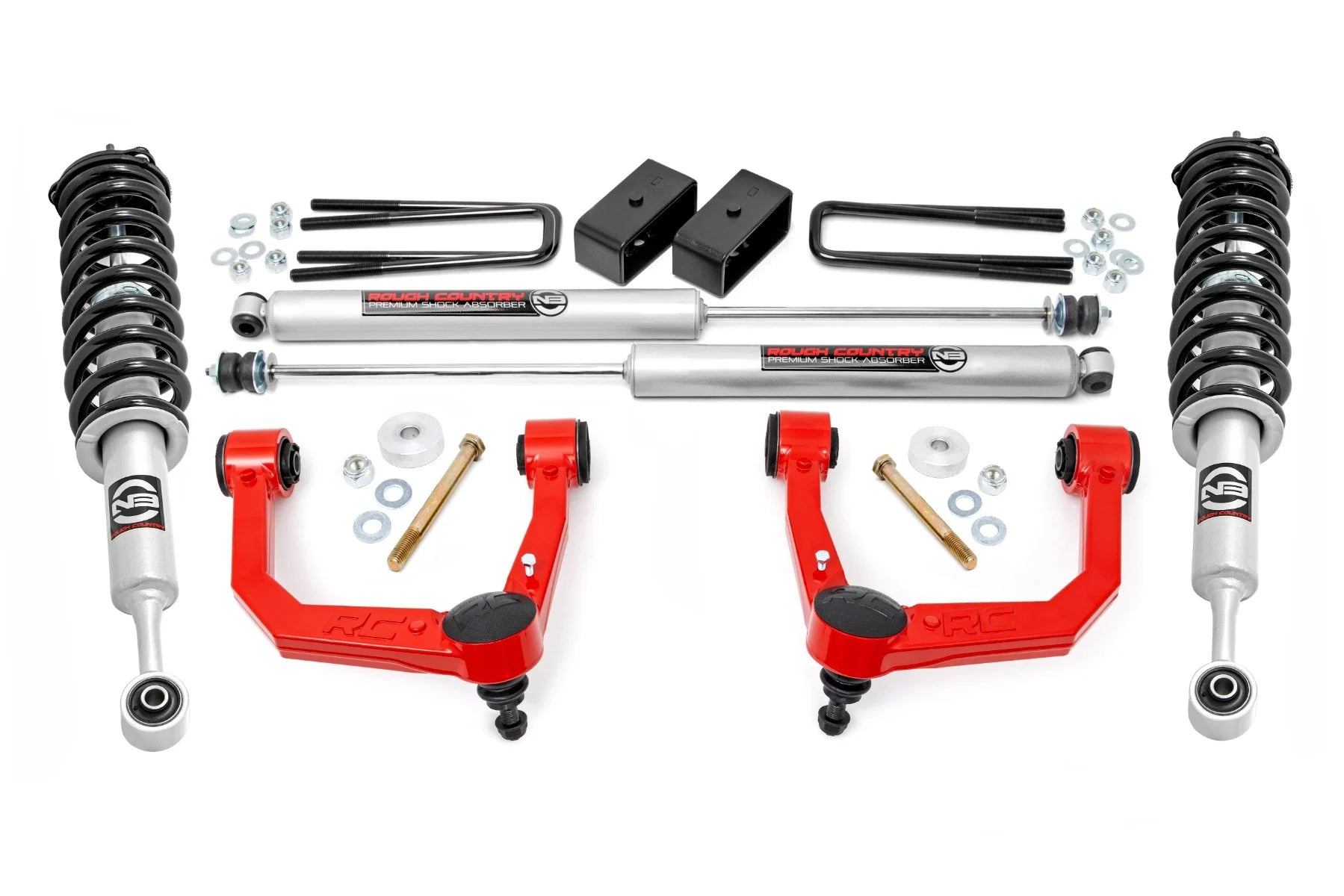
A short arm suspension lift is where many well-rounded Jeep builds end up. These kits replace key suspension parts such as springs, shocks, and often control arms or correction brackets. Done right, a short arm setup improves wheel travel, tire fitment, and trail performance without turning the Jeep into a chore on the highway. This is also the range where kit quality starts separating itself fast. One short arm kit may include geometry correction, matched shocks, sway bar links, and bump stop provisions. Another may leave those costs for later.
That difference is where total cost of ownership shows up.
A long arm suspension lift is for more serious use and a bigger budget. Long arms change suspension geometry more dramatically and can ride and articulate better than short arms on rough terrain, especially on taller builds. They also take more labor, more supporting parts, and more commitment. For a Jeep that spends most of its time commuting, the extra cost often buys capability the owner will never use. For a dedicated rock crawler or heavy trail rig, it can be money well spent.
Where buyers misjudge the category
The most common mistake is buying by advertised lift height instead of buying by use case. A spacer kit can be perfectly reasonable on a mostly stock Jeep that sees light trails and daily driving. It becomes a poor value when the owner expects better articulation, better damping, and long-term durability from parts that were never designed to deliver that.
Body lifts get misread too. They can solve a packaging problem, but they do not turn a stock suspension into an off-road suspension. Suspension lifts change how the Jeep handles uneven ground. Body lifts mostly change where the sheet metal sits.
Short arm and long arm kits create a different kind of mistake. Buyers see the initial price and compare only the box contents. In the shop, the final bill includes alignment, possible driveshaft or exhaust clearance corrections, brake line length, bump stop tuning, and steering or control arm geometry fixes on taller setups. As noted in Rhino USA's lift kit overview, suspension geometry becomes a bigger issue as lift height increases. That is why a cheap tall kit often costs more by the time it works correctly than a better-engineered mid-height kit bought first.
Choose the type based on how the Jeep will be used, how it needs to drive, and what parts are included to keep it reliable. That is how you end up with a lift that performs like a finished build instead of a project that keeps billing you after the install.
How to Choose the Right Lift Height for Your Jeep
Height is where most Jeep owners overbuy. They chase the look of a tall build, then spend the next year correcting ride quality, steering feel, and rubbing issues they didn't expect.
For most owners, the smarter move is smaller.

The height most owners are happiest with
The 2.5-inch suspension lift is widely considered the sweet spot for drivers who split time between commuting and moderate trail use. Jeep communities consistently treat this range as the balance point because it supports 33-inch to 35-inch tires in many applications without the bigger geometry penalties that come with taller kits, as summarized in this Jeep community discussion on 2.5-inch lifts.
That recommendation holds up in the shop because it aligns with what owners usually want in real life. They want better clearance and a stronger stance, but they don't want the Jeep to feel vague on pavement or top-heavy in quick transitions.
If you're still deciding between a full lift and a milder front-end height correction, this comparison of a lift kit vs leveling kit helps frame the difference clearly.
What changes when you go taller
At 3.5 inches and above, every compromise gets louder. The center of gravity rises. Steering and axle positioning become more sensitive. Supporting parts stop being optional. The Jeep can absolutely be built well at that height, but the margin for a cheap or incomplete setup gets much smaller.
That's why “bigger” only makes sense when the job really requires it. If you're building around harder trails, deeper articulation, or a more specialized tire package, taller kits have a place. If you're mostly driving to work and hitting moderate trails on weekends, a 2.5-inch setup usually keeps more of what owners like about driving a Jeep in the first place.
Tires wheels and fitment planning
Tire clearance isn't just a lift-height question. Wheel offset, backspacing, bump stop setup, and how the suspension cycles all matter. Two Jeeps with the same advertised lift can behave very differently once wider tires and different wheels enter the picture.
That's where build planning matters more than spec-sheet shopping. Many owners focus on lift height first, then discover later that wheel choice is what causes rubbing at full lock or during compression.
One practical interior upgrade often makes sense during the same build phase on a JK: the Alpine X409-WRA-JK 9in Dash Restyle System for 2011-2018 Jeep Wrangler JK. It includes built-in on and off road satellite navigation, Apple CarPlay and Android Auto, steering wheel controls support, dual USB and HDMI input, and an IP53 rating. That doesn't affect suspension performance, but it does fit the way many owners upgrade a Jeep as a whole vehicle rather than one part at a time.
Comparing Top Lift Kits by Driving Style
A Jeep that drives kids to school all week needs a different lift than one that spends Saturdays dragging sliders across ledges. I see owners get burned when they shop by brand name or advertised height first, then figure out too late that the cheap kit needed extra parts, different shocks, or a second round of labor to work right.

One comparison roundup highlighted three useful picks from a single source: the Dynatrac Endurosport 2-inch Suspension Lift Kit as Best Value, the Teraflex 3.5 Sport ST3 Suspension System as best overall, and the Rock Krawler 3.5-inch X Factor No Limits Mid Arm as the stronger choice for dedicated crawling, as covered in this Jeep lift kit comparison video. Those results line up with what matters in the shop. The right kit depends less on hype and more on how the Jeep is used, what parts are included, and what it will cost to keep the build driving correctly over time.
Daily driver upgrade
For a Jeep that spends most of its life on pavement, a 2-inch class kit usually makes the most sense. It gives room for a mild tire upgrade, improves stance, and keeps the suspension closer to factory manners.
That is why a value-focused kit like the Dynatrac Endurosport fits this category well.
A key test for a daily driver is not how tall it looks in the parking lot. It is whether it tracks straight, rides predictably, and avoids the chain reaction of extra spending that often follows a bargain-basement lift. If the lower-priced kit saves money up front but needs shock replacement, geometry correction, or another alignment session to calm it down, the total ownership cost climbs fast. Owners comparing parts and labor should also review typical lift kit installation cost factors before deciding that the cheapest kit is the cheapest path.
Weekend warrior
Mixed-use Jeeps are harder to build well. They need to be comfortable enough for commuting and stable enough for road trips, but they also have to work on rutted trails, off-camber climbs, and uneven terrain without feeling loose or underdamped.
That is where balanced systems stand out, and the Teraflex ST3 has earned that reputation for good reason. A solid weekend setup does not have one flashy strength. It avoids obvious weaknesses. Spring rates, shock valving, axle control, and included correction parts all matter here because the Jeep has to do several jobs without becoming tiring to drive.
For this category, completeness matters more than the catalog headline. A kit that costs more on day one can still be the better value if it arrives with the pieces needed to make the Jeep drive right the first time.
Hardcore crawler
A rock-focused build follows a different logic. Articulation, control under load, and part strength move to the top of the list. Ride comfort and road feel drop down it.
That makes the Rock Krawler X Factor a logical fit for dedicated crawling. The trade-off is simple. A suspension designed to work well on hard obstacles will usually ask more from the driver on pavement. That is not a flaw if the Jeep is built for the trail first.
For crawler builds, incomplete kits get expensive in a hurry. If the suspension cycles farther and hits harder, weak links show up fast. Joints wear sooner, steering corrections become more important, and labor adds up when owners piece the system together in stages instead of building it as a matched package from the start.
A practical filter works well here:
- Mostly road miles: Stay modest on height and prioritize ride quality, predictable handling, and a kit that does not create extra expenses later.
- Mixed use: Buy the system with the best balance of on-road control and trail capability, even if the initial price is higher.
- Rock-focused use: Choose articulation and durability first, then accept the compromises in noise, ride, and maintenance.
The Hidden Costs Supporting Mods for a Safe Lift
A lift kit isn't a complete lift if it only changes ride height. It also has to restore geometry, maintain brake function, and keep the driveline and steering working within a safe range. When these factors are considered, many low-priced kits stop looking cheap.

What a complete lift really includes
Depending on the height and platform, a reliable build may need supporting parts such as:
- Adjustable track bars: These help re-center the axles after the suspension height changes.
- Brake line accommodation: Extra droop can create tension that the factory setup wasn't designed for.
- Control arm correction: This helps bring suspension and steering behavior back into a usable range.
- Driveshaft and exhaust clearance solutions: Taller builds can introduce vibration, contact, or angle issues.
- Wheel and tire pairing: Clearance on paper doesn't always mean clearance at full steering lock or compression.
That's why buyers should treat a lift as a system. Springs and shocks get attention because they're visible. The supporting parts decide whether the Jeep drives right.
Before getting into cost, it helps to understand what professional installation often includes and why it changes the result. This overview of lift kit installation cost lays out the labor side of the equation.
Why geometry problems get expensive
One of the few hard engineering data points available is important. A technical paper noted that 3.5-inch lifts on a Wrangler JL increased spherical joint stress by 22%, highlighted in this discussion of lift geometry and wear. That doesn't tell you every wear outcome across every Jeep, but it does confirm the basic issue. Poor geometry creates real mechanical stress.
A Jeep can feel “fine” after a lift and still be wearing parts faster than it should.
That's the hidden cost most basic buyer guides skip. A build may drive acceptably on day one, then show up later with accelerated wear in bushings, joints, steering components, or driveline parts. Owners often blame the brand when the underlying problem was incomplete correction.
To see the installation process in motion, this video gives useful context:
What to inspect after installation
A lift install shouldn't end when the Jeep leaves the rack. It should be followed by inspection and adjustment.
Check for these early:
- Steering feel: Wandering, bump steer, or an off-center wheel usually means something still needs attention.
- Clearance through travel: Tire rub can show up only under compression or full lock.
- Vibration: Driveline angle issues often appear once the Jeep is driven at road speed.
- Fastener re-checks: Suspension hardware needs proper torque and follow-up inspection.
The best Jeep lift kits still need the right supporting mods. Without them, even a good brand can deliver a bad experience.
Budget vs Premium Kits and Professional Installation
A Jeep owner buys a low-priced 3.5-inch kit to save money, adds larger tires a week later, and books an alignment after the install. A month later, the steering feels loose, the front end starts to wander, and the Jeep is back in the shop for parts that were never included in the original box. That pattern is common.

Cheap entry cost, higher long-term spend
Budget kits usually sell the visual result first. You get lift height, room for bigger tires, and a lower checkout total. What you often do not get is the full set of parts needed to keep the Jeep driving and wearing parts properly over time.
That missing hardware is where ownership cost starts to climb. A kit may come with springs and shocks but leave out control arms, track bar brackets, sway bar links, bump stop extensions, caster correction, or driveline fixes. The Jeep still sits higher, but the owner ends up paying for the rest in follow-up orders, extra labor, repeat alignments, and troubleshooting.
For a pavement-first Wrangler that only needs mild tire clearance, a basic kit can still be a reasonable buy. For a Jeep that tows, sees highway miles every day, or spends weekends on rocks, mud, or washboard roads, cheaper kits often cost more by the time the suspension is sorted.
What premium kits are usually buying you
Premium kits are rarely about brand name alone. The better ones save money later because more of the system is engineered as a package.
In the shop, the difference usually shows up in three places:
- More complete correction: Better kits are more likely to include the parts that restore alignment and axle position, not just raise ride height.
- Higher-grade components: Joints, bushings, hardware, springs, and shocks tend to hold up better under weight, heat, and repeated suspension cycling.
- Less rework: A well-matched kit usually needs fewer add-on fixes after the first test drive.
That does not mean every owner needs a premium system. A daily driver on 33s has a different job than a JL built for harder trails on 37s. The smart comparison is total cost over the next few years, not the first invoice.
Professional installation changes the outcome
Lift kits do not fail only because of parts quality. They also fail because of setup.
A proper install includes torque procedure, ride-height settling, alignment targets, brake line and bump stop checks, driveline inspection, and clearance testing through suspension travel. Miss one of those steps and the Jeep may leave the bay looking right but driving wrong. Owners who are weighing shop labor against a garage install should read this guide on Jeep lift kit installation done right before ordering parts.
This matters more as lift height and tire size increase. A 2-inch daily-driver build has a wider margin for error than a taller setup with heavier wheels, added armor, and trail use.
Audio Jam Inc is one Delaware option for Jeep owners who want lift kits, wheels and tires, lighting, and installation handled in one place. That kind of coordination helps because suspension changes rarely stay isolated. Tire size, wheel offset, alignment specs, and accessory weight all affect how the finished Jeep drives.
Where the value decision usually lands
Choose a budget kit if the goal is modest height, limited off-road use, and you already know which supporting parts you may need to add.
Choose a premium kit if the Jeep needs to drive well every day, carry extra weight, run larger tires, or stay reliable under harder use. In those builds, paying more up front often reduces noise, wear, repeat labor, and part-swapping later.
The best buy is the kit that matches the Jeep's real job and includes enough of the supporting hardware to keep the build stable, predictable, and worth owning long term.
Frequently Asked Questions About Jeep Lifts
Does a lift kit void my Jeep warranty
Not automatically. A dealer may deny coverage on a problem they believe the modification caused, but that's different from saying the whole vehicle warranty disappears. If warranty protection matters to you, keep records of parts, installation, and alignment work.
Can I install a lift kit at home
Some owners can, especially with simpler kits and solid tools. The risk is not just getting the parts bolted on. The harder part is confirming geometry, torque, alignment, and clearance under real suspension travel. If you're not comfortable diagnosing steering or driveline issues, professional installation is usually the safer move.
Is a body lift the same as a suspension lift
No. A body lift raises the body relative to the frame. A suspension lift changes the suspension itself, which is what improves articulation and trail capability.
What lift height works best for a daily-driven Jeep
For most drivers, a moderate suspension lift is the most practical choice. It gives you tire room and trail capability without pushing the Jeep too far away from predictable road manners.
If you're planning a Jeep build and want help choosing parts that work together, Audio Jam Inc can help you sort through lift kits, wheels, lighting, and installation options with a focus on fitment, usability, and long-term reliability.