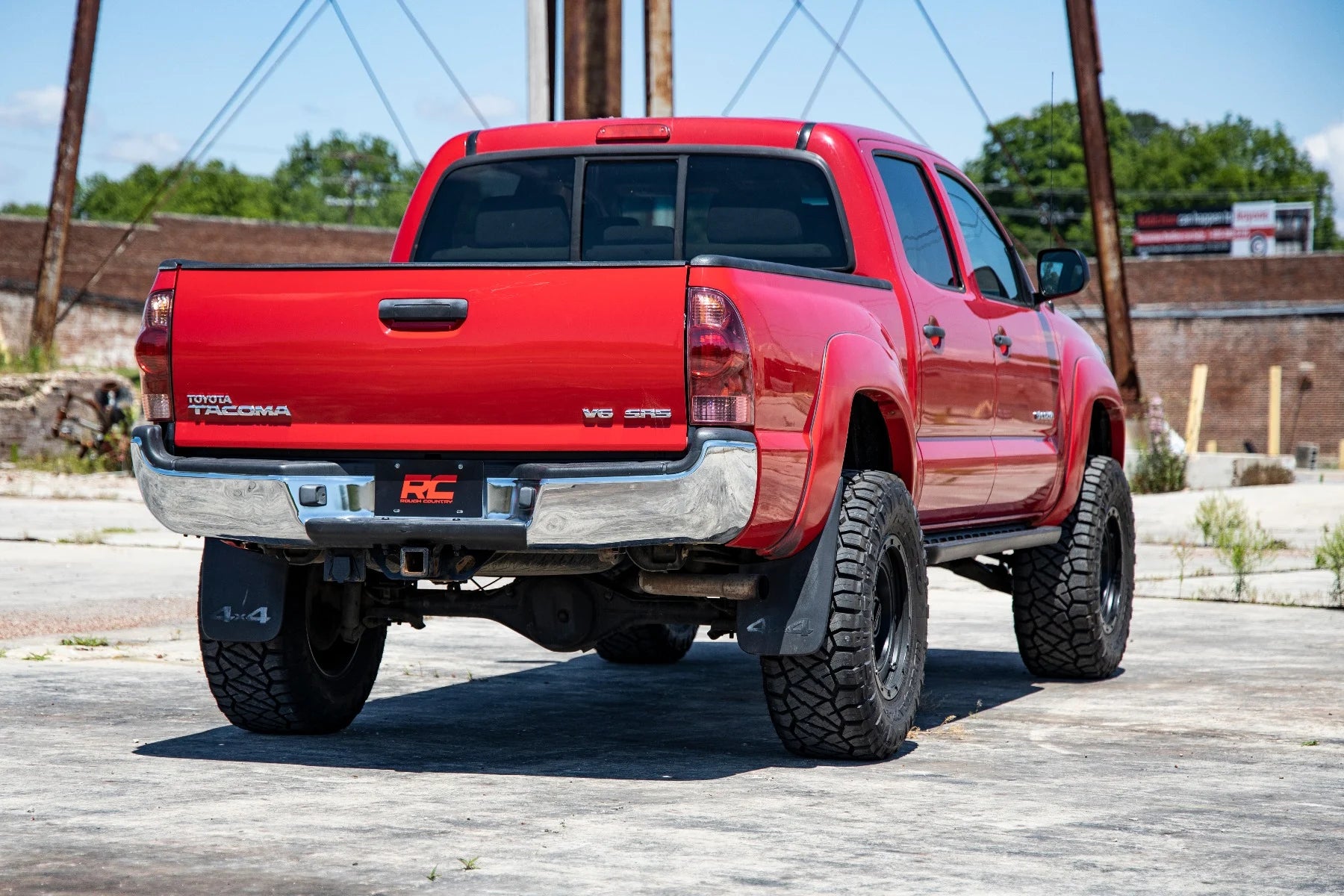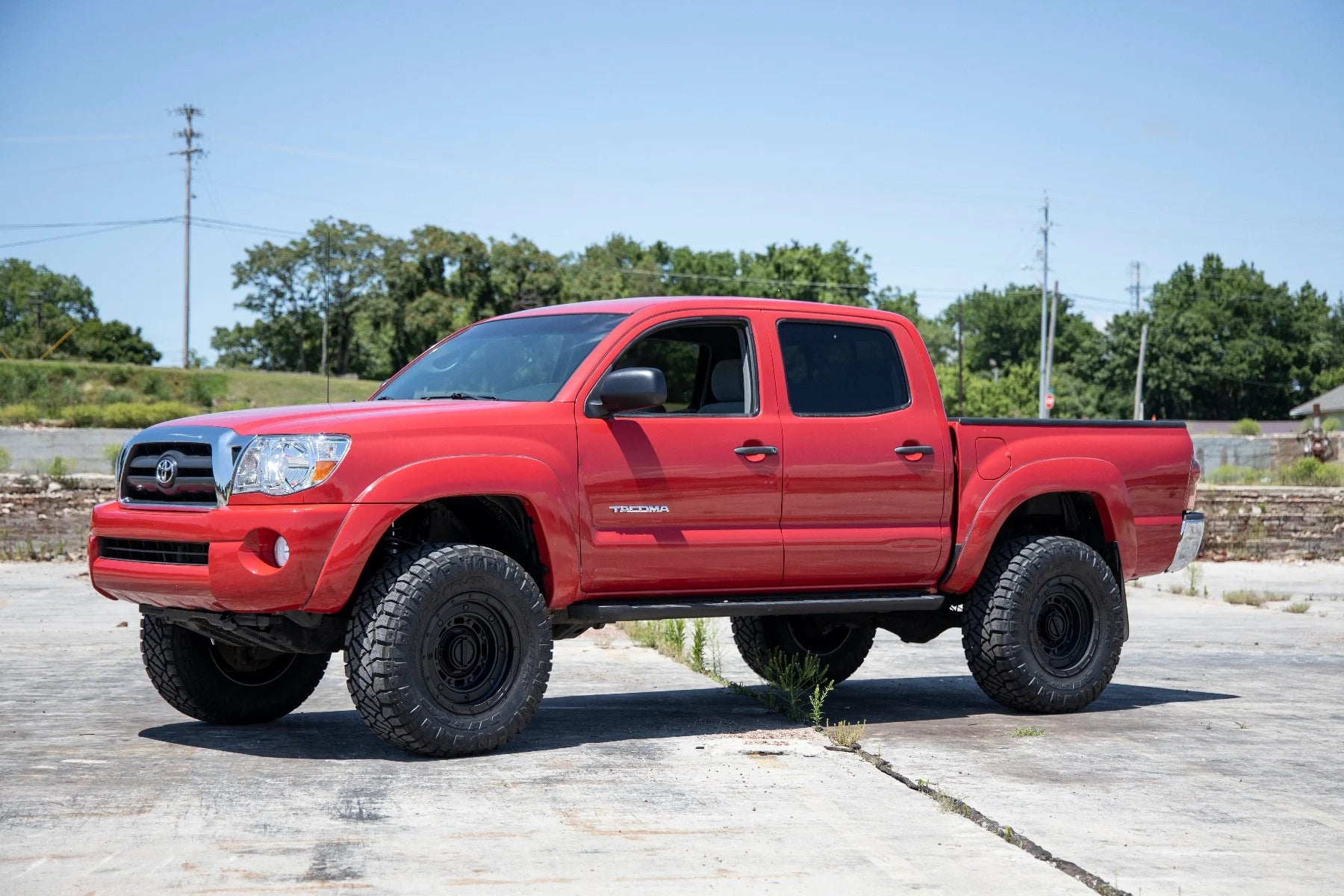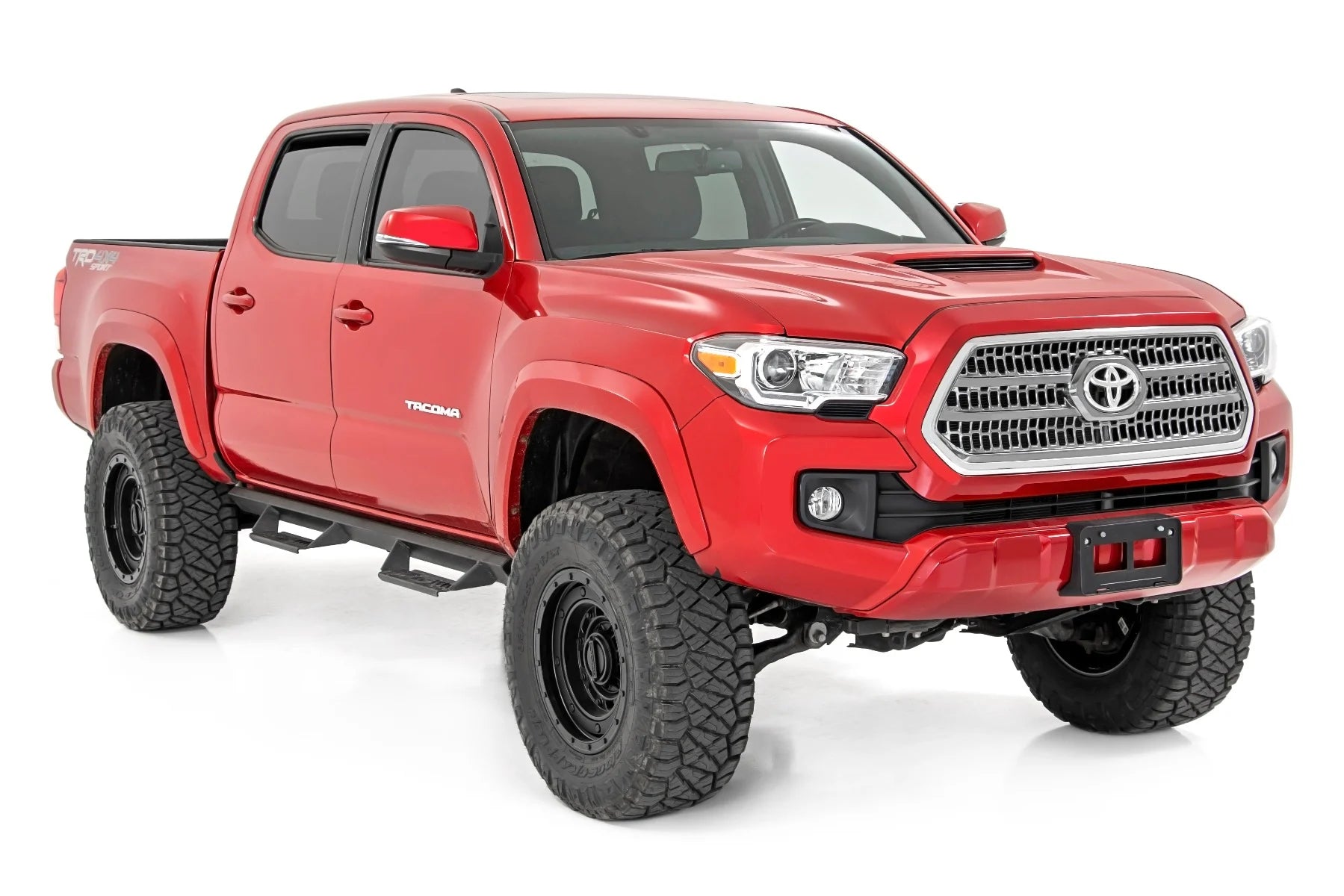


Lift Kit Installation Cost: A 2026 Price Guide

A professional lift kit installation usually lands anywhere from about $800 for a simple setup to over $5,000 for a more extensive suspension build, depending on the vehicle, kit type, and how far you want to go. If you're pricing a truck or Jeep lift in Delaware, the honest budget isn't just the kit. It's the kit, labor, alignment, and often the tires and supporting parts that make the lift work.
A lot of owners start in the same spot. They want a better stance, room for bigger tires, or more trail clearance, and the first number they find online is just the box price. Then the actual quote comes back higher because the suspension has to be installed correctly, the truck needs to be aligned, and a taller setup may need more than the basic kit.
Around Bear and across Delaware, that gap between "kit price" and total ownership cost is where most budgeting mistakes happen. The right way to price a lift is to look at the full package up front so you don't end up buying parts twice or paying labor twice.
Table of Contents
- How Much Does a Lift Kit Really Cost
- The Three Main Types of Lift Kits Explained
- Dissecting the Bill - Parts vs Labor Costs
- How Vehicle Type and Lift Height Affect the Price Tag
- Beyond the Kit - Ancillary Costs You Must Budget For
- The True Cost of DIY vs Professional Installation
- Your Next Steps - Planning Your Lift and Getting a Quote
- Frequently Asked Questions About Lift Kit Costs
How Much Does a Lift Kit Really Cost
A lot of Delaware truck owners start in the same place. The truck is sitting in the driveway in Bear or Middletown; the factory rake looks awkward, and a simple question comes up fast: what is this really going to cost by the time the job is done right?
The honest answer is a wide range. Industry pricing published by J.D. Power's guide to lift kits shows lift kits can run from a few hundred dollars for basic setups to several thousand dollars for full systems before you factor in all the follow-up costs that come with the install. That last part is where budgets usually go off track.
The kit price is only the starting number. The total bill usually includes labor, alignment, and, for many trucks and Jeeps, the extra parts needed to make the lift drive correctly and clear the tire size you want. If you are shopping for lift kits for Jeeps and trucks, budget the whole package first, not just the box price.
Usage matters just as much as height. A daily driver that spends most of its time on Route 1 and I-95 needs a different plan than a Wrangler headed for trail use or a pickup that sees beach access on weekends. The cheaper option up front can cost more later if it creates tire rub, poor alignment wear, or a ride quality problem you end up paying to fix.
A practical budget usually has four layers:
- The lift kit itself: Basic leveling kits cost less than full suspension systems
- Installation labor: Vehicle design, rust, seized hardware, and kit complexity change labor time fast
- Required corrections after install: Alignment is standard, and some vehicles also need steering angle or ADAS recalibration
- Related upgrades: Larger tires, different wheels, step bars, gear changes, or driveline parts can push the total well past the original quote
That total cost of ownership is the number that matters. Around Newark, Wilmington, and the rest of northern Delaware, the builds that hold up best are usually the ones planned as a complete system from the start, not the ones built around the lowest advertised kit price.
The Three Main Types of Lift Kits Explained
A lot of price confusion starts here. "Lift kit" can mean a front leveling kit, a body lift, or a full suspension lift, and those are three different jobs with three different total budgets.

Leveling kits
A leveling kit raises the front of the truck to reduce the factory rake. On many late-model pickups, that is the lowest-cost way to improve stance and pick up a little more room for tires.
The part itself is usually simple. The total cost often is not. Even a basic leveling job can trigger alignment work, and some trucks need extra correction parts to keep ride quality and tire wear in check once the front end comes up. That is why a low advertised kit price does not always stay low by the time the truck leaves the shop.
Leveling kits fit owners who want the following:
- A flatter stance: Common on F-150s, Silverados, and Rams that sit nose-down from the factory
- Mild tire clearance gains: Enough for a modest size increase, depending on wheel offset and trim
- Lower entry cost: Less expensive than a true suspension system in both parts and labor
They are a cosmetic and clearance upgrade first. They are not the right choice for a driver expecting more articulation, more suspension travel, or a real change in off-road capability.
Body lifts
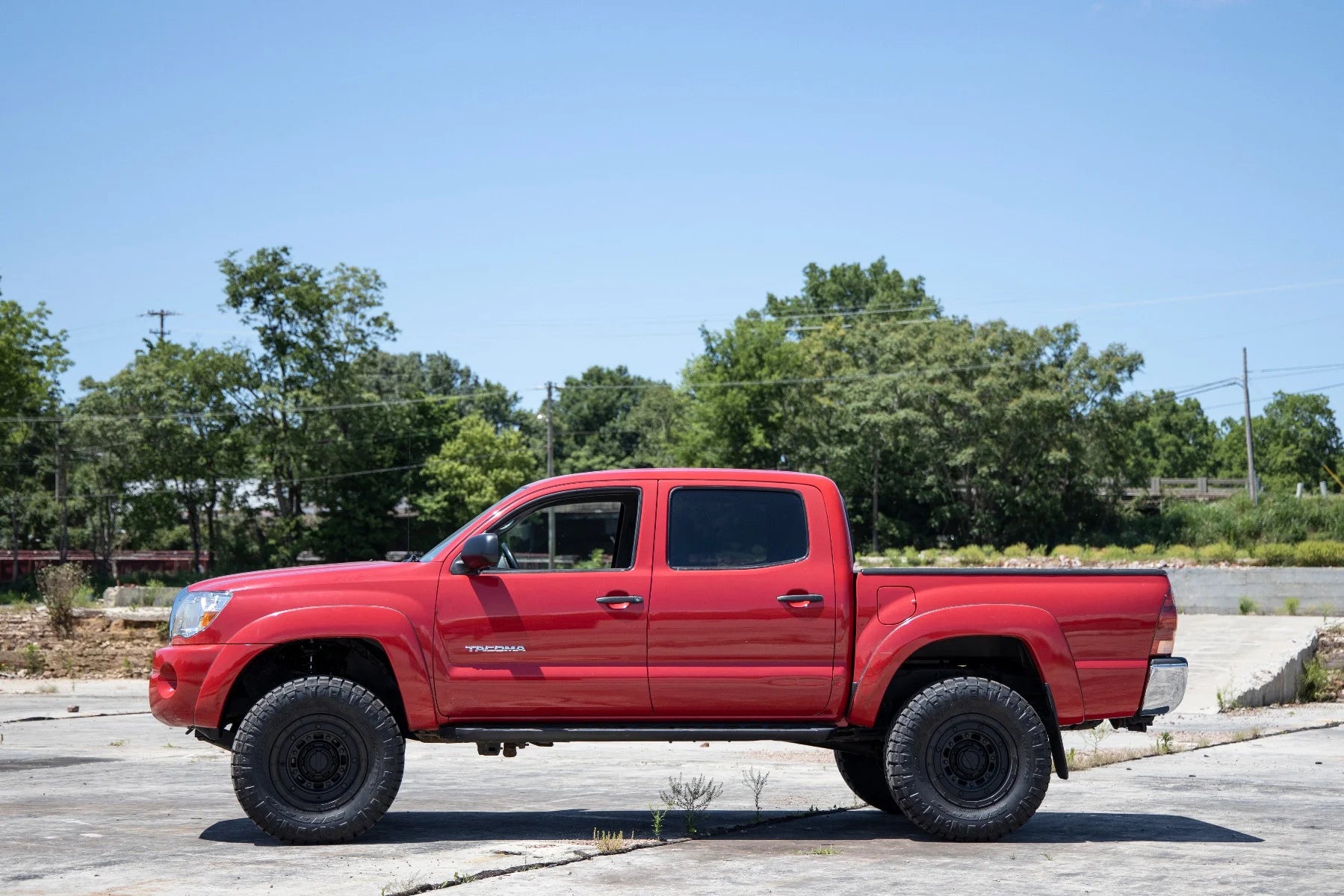
A body lift raises the body off the frame with spacer blocks while leaving the suspension largely in its original position. That gives the truck or SUV a taller look and can create room for larger tires without changing spring and shock geometry the way a suspension lift does.
For the right vehicle, a body lift can keep the initial bill under control. The trade-off shows up in the details. Gaps become more noticeable, some kits need bumper or bracket relocation, and the finished look is more sensitive to installation quality. On older Delaware trucks with corrosion around mounts and hardware, labor can climb fast because what should be straightforward often is not.
Body lifts usually make sense for the following:
- Appearance-focused builds: More height without paying for a full suspension package
- Street-driven trucks: Owners who want tire room more than trail performance
- Careful budgets: Lower parts cost, but still worth pricing as a complete install
If the goal is off-road function, body lifts have limits. Ground clearance under the frame and suspension does not improve the same way it does with a suspension lift.
Suspension lifts
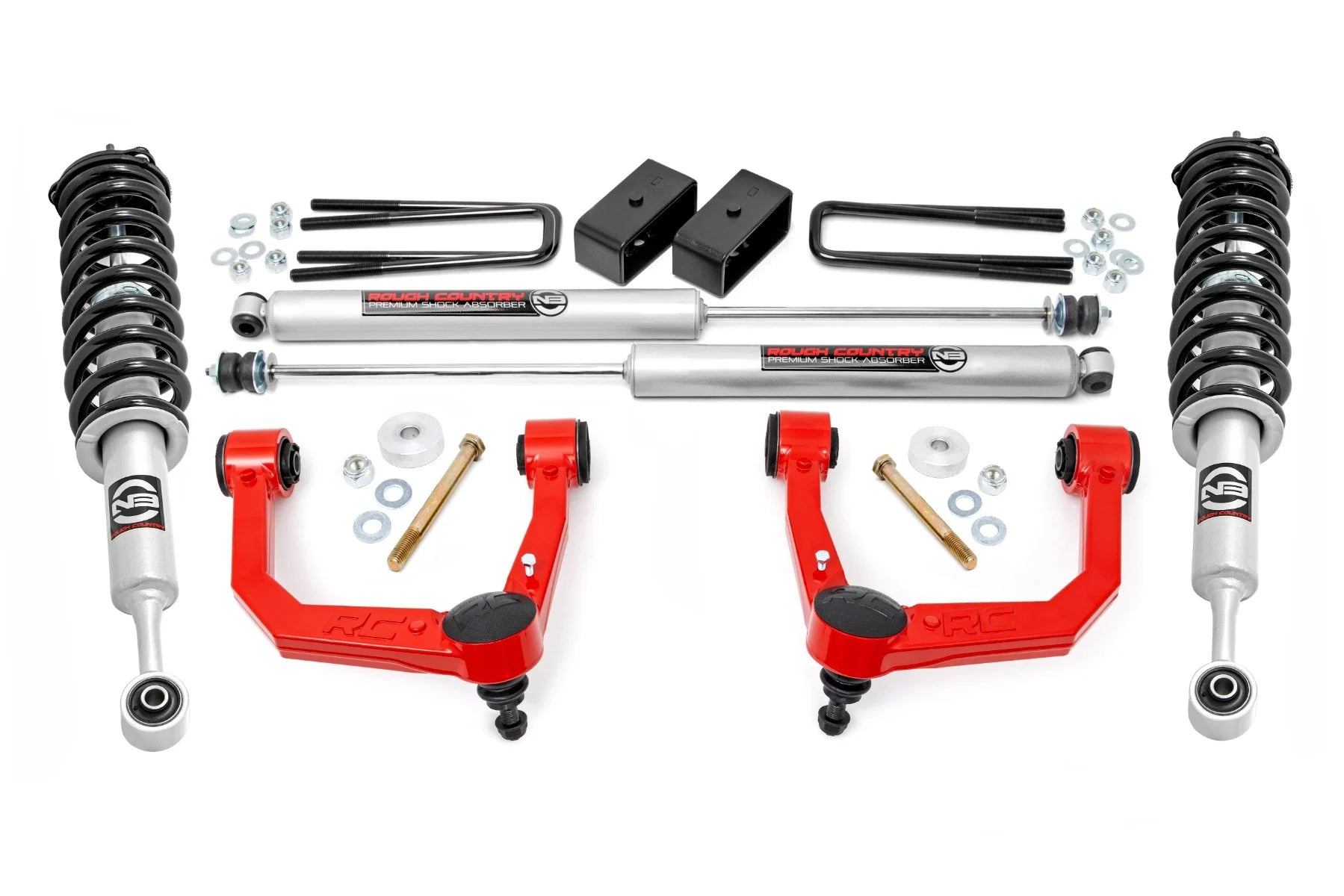
A suspension lift changes the actual suspension components. Depending on the kit, that can include springs, shocks, struts, control arms, blocks, leaf components, crossmembers, and steering or geometry correction parts.
This is the category where total cost of ownership matters most. The kit price is only the start. Once lift height goes up, owners often add larger tires, possibly wheels with the right offset, then alignment, and sometimes driveline, steering, or recalibration work depending on the vehicle. On newer trucks and SUVs, that follow-up work is often what separates a build that drives properly on I-95 from one that comes back with complaints.
Suspension lifts are the right fit when you want
- Real ground clearance gains: Better for trails, job sites, washouts, and beach access roads
- Support for larger tires: Usually the better path when tire size is a primary goal
- A functional change in capability: More than just appearance
They also demand the most planning. A 2-inch to 3-inch setup for a daily-driven truck in Newark or Wilmington can be very manageable. Go taller, and the supporting costs usually rise with it. If you are comparing options, our guide to lift kits for Jeeps and trucks is a good place to sort out which style matches how the vehicle will be used.
Dissecting the Bill—Parts vs Labor Costs
A lot of lift quotes look reasonable until the invoice is split out. Then the pattern becomes obvious. The kit is only one line item. The labor to install it correctly, inspect the result, and keep the truck driving right is often what separates a budget-friendly lift from one that turns expensive after the first week.

What you’re paying for in parts
Parts pricing follows the contents of the box. A simple leveling or spacer kit is at the low end. A fuller suspension package with shocks, springs, brackets, control arms, crossmembers, and correction hardware costs more because it solves more problems up front.
For many Delaware drivers, the smartest budget starts in the middle. A mild 2-inch to 3-inch lift often keeps the parts list manageable while still giving useful tire clearance and a stronger stance for a truck running around Wilmington, Newark, or down toward the beach. If you are still comparing kit styles, our guide to lift kits for Jeeps and trucks breaks down the hardware differences by vehicle and use case.
Quality changes the bill here more than people expect.
A cheaper kit may save money on day one, but it can add cost in the bay if holes do not line up cleanly, hardware quality is inconsistent, or correction parts are missing. Better kits usually install cleaner, ride better, and leave fewer loose ends for the owner to fix later.
Why labor can rival the parts bill
Labor covers more than wrench time. On many suspension lifts, the shop is disassembling factory suspension, transferring or replacing components, torquing everything to spec, checking brake line and steering clearance, and making sure the vehicle is safe to align.
That work can move fast on one platform and drag on another. Rust, seized hardware, electronic suspension components, tight access, and poor kit instructions all add time. On newer trucks and SUVs, there is also more pressure to get ride height, steering feel, and system behavior right the first time. A truck that looks good in the parking lot but wanders on Route 1 or chews through front tires is not a finished job.
A professional install quote usually covers work like this:
- Disassembly and installation: Removing factory parts and fitting the new suspension components
- Setup work: Adjusting preload or ride height where the kit calls for it
- Torque procedure: Tightening hardware correctly, often with the suspension loaded at the proper position
- Clearance checks: Verifying space for tires, wheels, brake lines, CV angles, and steering travel
- Inspection before release: Catching noises, interference, or fitment issues before the vehicle leaves
Owners often misread a low quote. One shop may price the basic install only. Another may include the extra time needed to correct fitment issues, inspect the truck thoroughly, and deliver something that drives properly on local roads instead of coming back for vibration, pull, or uneven tire wear.
That difference matters to the total cost of ownership. A cheaper install can turn into an alignment problem, a premature tire replacement, or a return visit for steering correction. In practice, the less expensive quote is not always the lower-cost job.
How Vehicle Type and Lift Height Affect the Price Tag
A 3-inch lift on paper can look like the same job. In the bay, it rarely is. The truck or SUV you start with has a direct effect on parts cost, install time, and how much money you need set aside to finish the build properly.

Same height, different vehicle, different bill
A Jeep Wrangler, a Ford F-150, and a late-model SUV can all be lifted the same amount and still land in different price ranges. Suspension design matters. So does available room around the front end, steering layout, factory wheel offset, and whether the platform is friendly to aftermarket parts or picky about fitment.
At the shop, the difference usually shows up fast. Some vehicles accept a basic leveling kit or entry-level suspension lift without much extra drama. Others need more correction parts to keep alignment in range, avoid rubbing, and preserve decent road manners on I-95, Route 1, or rougher back roads around Sussex County.
A use case changes the budget too. A beach-driven truck in Delaware that only needs a little more clearance for sand access is a different build from a work pickup that has to carry weight every day, and both are different from a Wrangler that will spend weekends on trails. For examples of platform-specific setups, see Jeep and truck lift kit options by vehicle type.
Why taller lifts cost more than owners expect
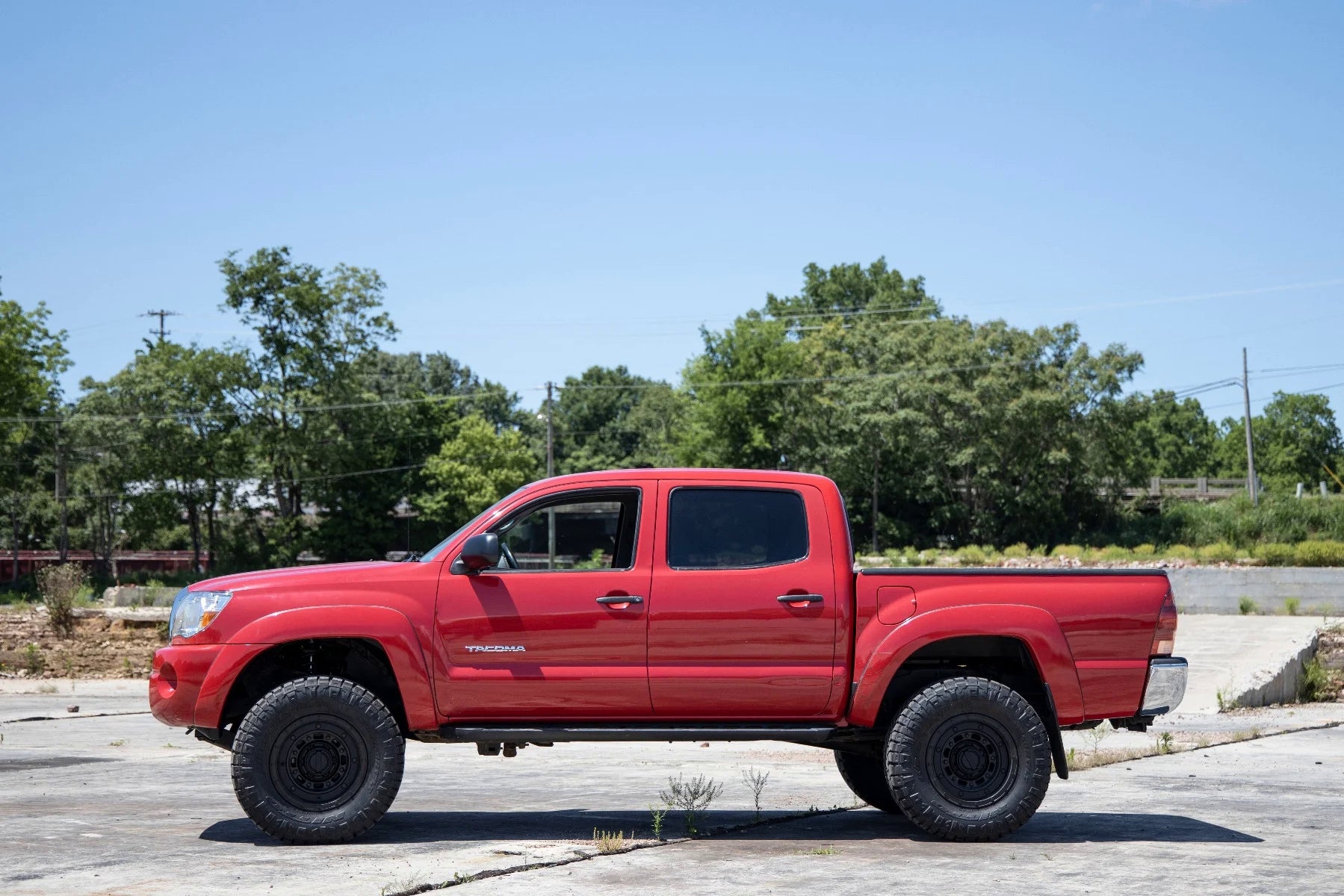
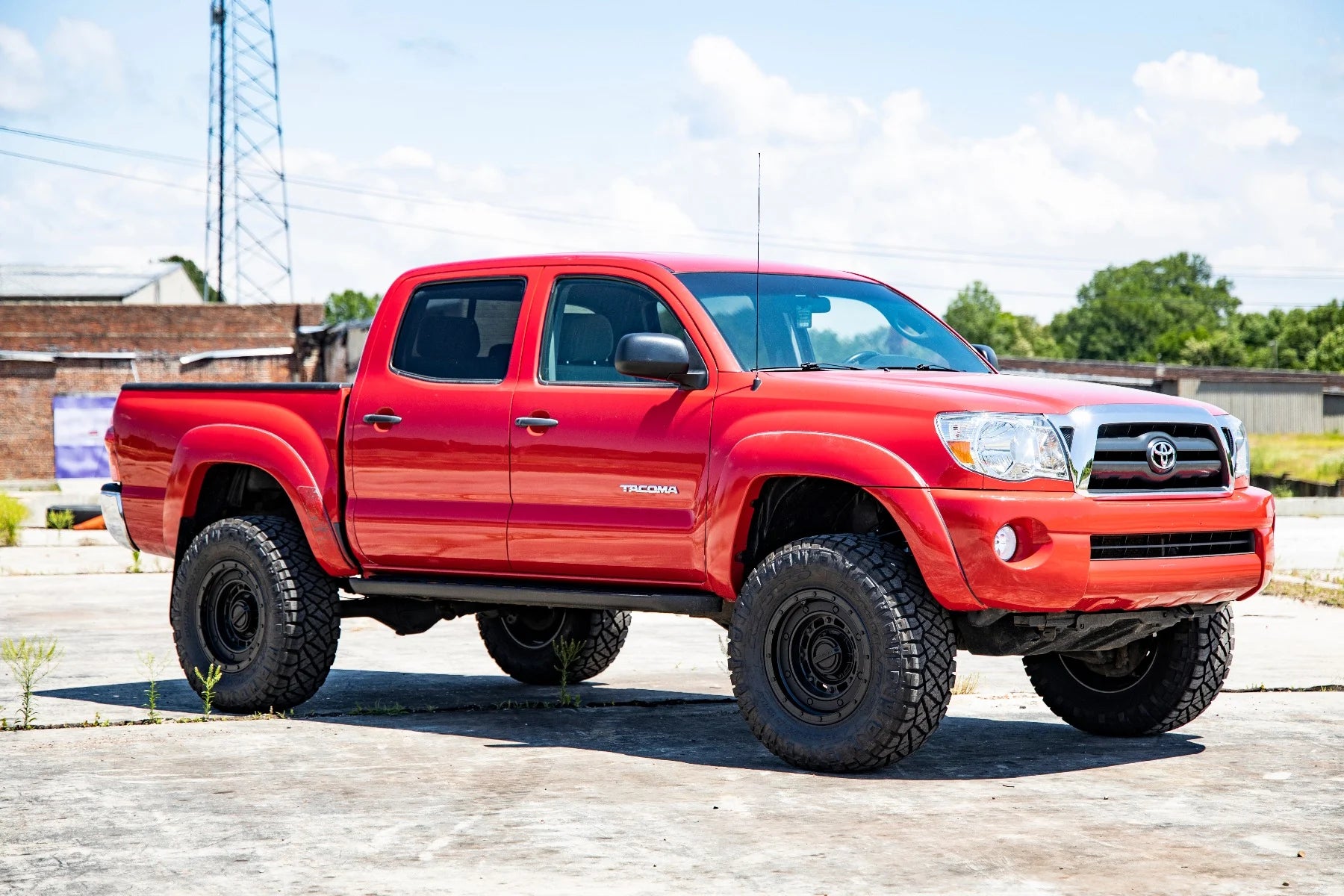
Height is where budgets start to spread out. A mild lift often keeps the build close to factory geometry. Once you move higher, the job usually needs more than taller springs or spacers. Steering angles change. Suspension travel changes. Tire clearance becomes a real fitment issue instead of a guess.
Industry pricing overviews from J.D. Power's lift kit cost guide show the same pattern shops see every day. Lower lifts usually stay in the entry-level price range, mid-height lifts cost more because they involve more components and setup time, and tall lifts move into a much larger budget once supporting parts and post-install correction are included.
That last part matters. The jump in cost is not only about the kit itself. It is about ownership after the install. A 2-inch lift may need far less follow-up than a 5-inch or 6-inch build that pushes wheel and tire choices, changes driveline angles, and leaves less room for error.
| Lift size | What usually happens to cost |
|---|---|
| Small lift | Lower parts count, simpler fitment, fewer downstream expenses |
| Moderate lift | More suspension pieces, tighter fitment planning, higher chance of added correction costs |
| Tall lift | Major suspension changes, more supporting hardware, much bigger total ownership cost |
A walkaround video helps show why height changes the whole build, not just the look.
If the goal is a usable truck with a clear budget, pick the height that clears the tire you want and keeps the vehicle driving correctly. Chasing extra inches usually raises the total bill long after the install is done.
Beyond the Kit - Ancillary Costs You Must Budget For
A lot of lift budgets fall apart after the truck leaves the rack.
The kit and installation invoice are only part of the total cost. What usually gets missed are the costs that make the truck drive right, fit the tire you want, and stay reliable over time. Around Delaware, we see this often on daily driven trucks that also head onto the beach, tow a trailer, or deal with potholes on Route 1 and I-95. A lift that looks affordable on paper can turn into a much bigger ownership cost once the follow-up work starts.
The costs owners forget
Alignment is the first one. Suspension geometry changes after a lift, and the truck needs to be set back up correctly. Firestone notes that wheel alignment pricing commonly falls in a broad service range depending on vehicle type and shop level, which is why it needs to be part of the budget from day one, not an afterthought in the parking lot after install. Firestone's alignment service overview gives a useful baseline for what this service includes.
Tires come next, a phase often responsible for budgets going sideways. A lot of owners price the lift first, then realize the factory tires look undersized or no longer match the clearance goal. Tire Rack's sizing and fitment resources are helpful here because they show how quickly wheel and tire choices affect the overall build, from diameter and rubbing risk to load rating and ride quality. Tire and wheel fitment planning should happen before you commit to a lift height.
Higher lifts bring another layer of cost. Longer shocks, brake line brackets, driveline correction, caster correction, and sometimes recalibration work can all enter the picture depending on the truck. Modern vehicles with driver-assist systems may also need sensor or camera recalibration after ride-height changes. Safelite's ADAS recalibration explainer is about glass service, but it does a good job showing why these systems need to be reset when vehicle reference points change. ADAS recalibration explained is worth reviewing if your truck has lane keeping, forward camera systems, or similar features.
The missed money is usually in the support work, not the box the lift kit came in.
If you're pricing the whole project, treat it as one build instead of separate purchases. truck accessory and lift package planning helps keep tire size, fitment, lighting, and installation timing on the same plan, which usually saves money compared with fixing mismatched choices later.
Estimated ancillary costs for lift kit installation
| Service / Part | Estimated Cost Range | Reason |
|---|---|---|
| Wheel alignment | Varies by shop and vehicle | Corrects tracking, steering wheel position, and tire wear after ride height changes |
| Tires and wheels | Often one of the biggest added expenses | Larger tires and new wheels are common follow-up purchases after a lift |
| Brake, driveline, or geometry correction parts | More likely as lift height increases | Taller setups often need supporting hardware to keep the truck driving properly |
| Recalibration or diagnostic time | Applies on newer tech-equipped vehicles | Cameras, sensors, and electronic systems may need to be reset after suspension changes |
| Additional labor on complex jobs | Higher on larger lifts and harder platforms | Seized hardware, extra components, and correction work add time fast |
A realistic budget has to cover the truck you want to own after the install, not just the kit you want to buy today. That means pricing the alignment, fitment, supporting parts, and any recalibration work before the first wrench turns.
The True Cost of DIY vs Professional Installation
Saturday morning starts with the truck on jack stands. A Sunday night, one stubborn bolt, a steering wheel off-center, and a trip for missing tools can wipe out most of the labor savings you expected. That is the actual DIY calculation. It is not just parts versus shop labor. It is the total cost after the truck is back on the road.

When DIY makes sense
DIY works best on simple, low-risk jobs. A basic leveling kit or mild body lift on a clean, rust-free vehicle is a very different project from a full suspension lift on a newer truck with driver-assist systems and tight clearances.
If you already have the tools, a safe place to work, and enough experience to spot a problem before it becomes an expensive one, doing it yourself can make sense. If you need to buy tall jack stands, a quality torque wrench, specialty sockets, penetrating oil, and possibly a cutoff wheel for seized hardware, the savings shrink fast.
DIY usually pencils out when
- The lift is mechanically simple: Spacer kits and mild lifts have fewer variables
- You already have the equipment: Tool purchases change the budget quickly
- The vehicle can be down for a few days: Delays are common once the truck is apart
- You are comfortable finishing the job completely: That includes post-install checks and scheduling the required alignment
Around Delaware, road salt and coastal moisture do not help. Older suspension hardware on trucks that have spent years near Newark, Middletown, or the beaches can turn a straightforward install into a fight.
When paying for installation saves money,
Professional installation starts to make more financial sense once the lift affects suspension travel, steering geometry, CV angles, brake line routing, or wheel and tire clearance. At that point, labor is buying more than time. It is buying pattern recognition, proper torque procedures, and a better chance of getting the truck right the first time.
At Audio Jam Inc in Bear, we see the same budget mistake over and over. The owner prices the kit, compares that number to labor, and assumes DIY saves money. Then the truck still needs alignment, trimming, sensor attention, or correction parts after the installation. If the setup includes larger tires, those fitment issues show up even faster.
A professional install also reduces the odds of paying twice for the same job. That matters on daily drivers that need to track straight on Route 1, handle potholes without new noises, and avoid chewing through a fresh set of tires because one angle was left off.
Pay for the result, not just the install. A cheaper first step can become the more expensive build once rework enters the picture.
The practical trade-off
DIY saves labor on paper. Professional installation often lowers the total ownership cost on anything beyond a basic lift.
Use a simple gut check. If the project involves suspension disassembly, geometry changes, larger tires, recalibration concerns, or any chance the truck needs to be dependable on Monday morning, professional labor is usually the safer bet. If it is a straightforward kit, you have the tools, and downtime does not hurt you, DIY can still be a smart choice.
The goal is not to spend the least on installation day. The goal is to spend the least to end up with a lifted truck that drives correctly, wears tires evenly, and does not come back apart a week later.
Your Next Steps - Planning Your Lift and Getting a Quote
A smart lift budget starts with the end result, not the catalog page. Decide how you use the vehicle first. Daily driver, beach truck, trail toy, work truck, or a mix. That one decision narrows the lift type faster than anything else.
A practical budget checklist
Use this checklist before asking for a quote:
- Pick the lift category: Leveling, body, or suspension
- Choose the target height: Mild height usually keeps cost and drivability in better balance
- Confirm wheel and tire goals: The tire often drives the whole build
- Ask what labor includes: Hardware installation alone isn't the same as a complete finished setup
- Include alignment in the budget: This is not optional
- Ask about supporting parts: Higher lifts may need additional components to finish correctly
If you want the quote to be useful, bring the vehicle details, the wheel and tire size you want, and a realistic description of how the truck or Jeep gets used. That avoids the common mistake of pricing one setup and building a different one later.
The cleanest builds usually come from owners who are honest about priorities. If the goal is stance and tire clearance, say that. If the goal is trail use, say that too. Those are different jobs, and the right quote should reflect the difference.
Frequently Asked Questions About Lift Kit Costs
Will a lift kit void my vehicle warranty
Not automatically. In practice, warranty questions usually come down to whether a problem is connected to the modification. If a lift affects a related component, that specific repair may become a dispute. The smart move is to keep records, use quality parts, and have the installation documented clearly.
How long does professional installation take
It depends on the kit and the vehicle. Mild setups are faster. Full suspension work takes more time because the job includes disassembly, fitment, inspection, and follow-up alignment planning. If the build also includes wheels, tires, or extra accessories, expect the schedule to reflect that.
Ask the shop when the vehicle will be ready to drive, not just when the parts will be bolted on.
Does a lift kit affect resale value
It can help or hurt, depending on the buyer and the quality of the work. A clean, properly installed lift with sensible wheel and tire fitment can appeal to truck and Jeep buyers. A poorly chosen setup, rough ride, uneven tire wear, or visible cutting and correction work can narrow the market.
Can I finance a lift kit installation
Some shops and retailers offer financing or payment options, and some don't. That part is business-specific, so ask directly. If financing is available, make sure the quote includes the whole build. Kit, labor, alignment, and likely add-ons. Financing only the first step and paying cash for the corrections later usually defeats the point.
A lift is one of the upgrades where planning matters more than impulse. The owners who end up happiest usually aren't the ones who spent the most. They're the ones who picked the right height, budgeted for the full package, and had the vehicle set up to match how they drive.
If you're ready to price your truck or Jeep, contact Audio Jam Inc for a vehicle-specific quote based on your lift height, tire goals, and how you use the vehicle in Delaware. A clear estimate up front helps you avoid partial builds, repeat labor, and the hidden costs that usually show up after the kit arrives.
Serving Bear and Surrounding Areas
We proudly provide window tint services for customers in:
Bear, Delaware
Newark, DE
Middletown, DE
Wilmington, DE
New Castle County, DE
Our location makes it convenient for drivers across the region.