

Jeep Lift Kit Installation Done Right

A Jeep that sits higher always gets attention, but the real question is whether the parts under it were chosen and installed correctly. Jeep lift kit installation is not just about clearing bigger tires or getting a more aggressive stance. It changes suspension geometry, steering feel, ride quality, and in some cases driveline angles. If the setup is off, you feel it every time you drive.
That is why the best lift starts with the right goal. Some owners want room for 33s or 35s. Others want better trail clearance without ruining highway manners. Those are two different jobs, and the kit that works for one Jeep owner may be the wrong move for another.
What a Jeep lift kit installation actually changes
When people talk about a lift, they often focus on the visible result - more height and more tire clearance. The less obvious changes matter just as much. Raising the vehicle changes control arm angles, track bar position, shock travel, caster, and sometimes brake line routing. On certain Jeep models, it can also affect how the driveshaft and steering components work together.
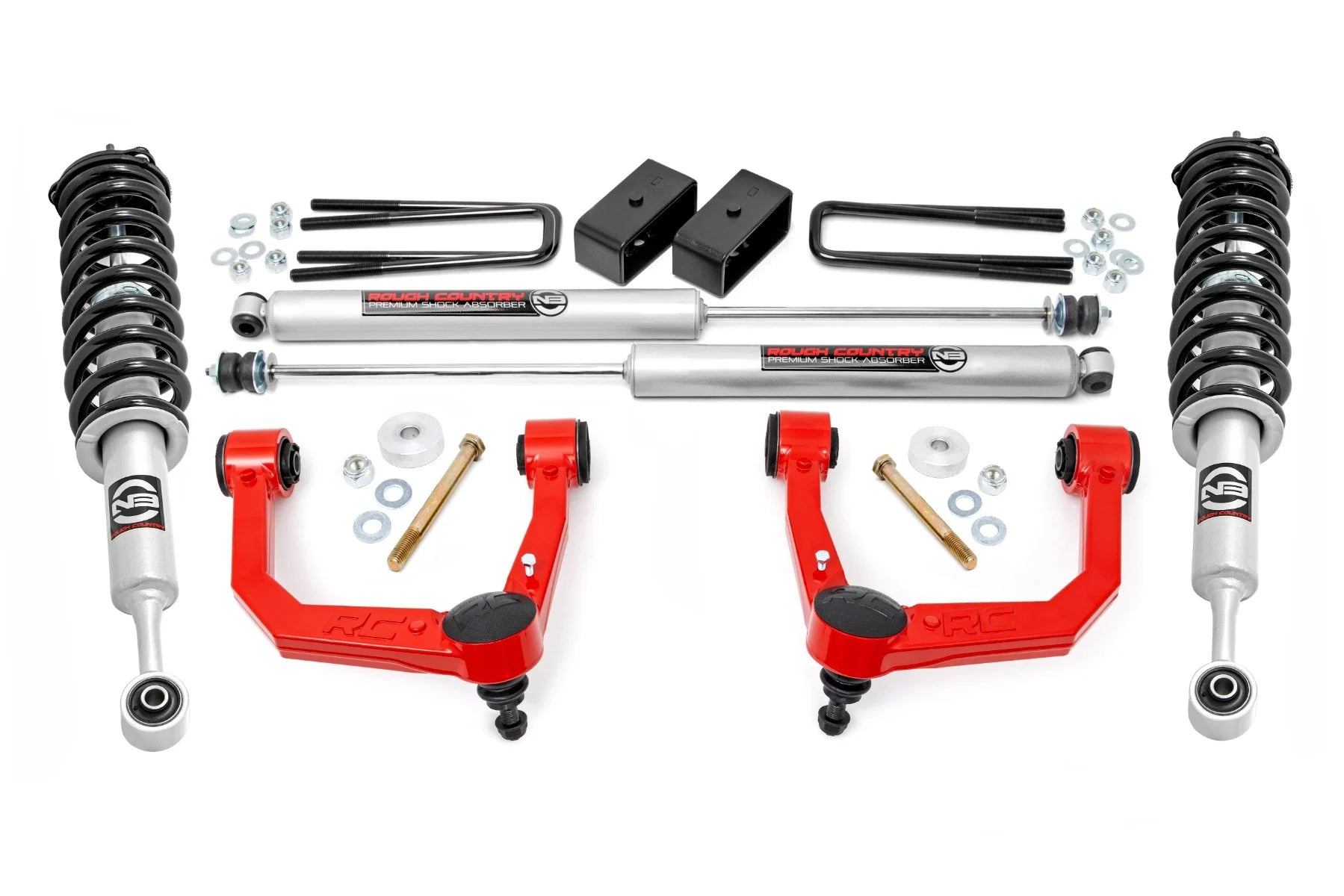
A basic spacer lift and a full suspension lift are not in the same category. Spacer kits are usually the lower-cost entry point. They can create extra clearance and improve appearance, but they do not offer the same suspension performance as a properly engineered spring-and-shock setup. A full suspension lift typically includes springs, shocks, bump stops, and geometry correction components. It costs more, but it usually gives better control over how the Jeep drives after the install.
That trade-off matters. If your Jeep spends most of its life on pavement with occasional light trail use, a modest setup may be enough. If you plan to add heavier bumpers, a winch, oversized tires, or serious off-road use, a more complete system makes more sense.
Choosing the right height before the install
This is where a lot of problems start. Bigger is not automatically better. A 2-inch to 2.5-inch lift is often the sweet spot for drivers who want improved stance, moderate tire upgrades, and solid street behavior. It is enough to change the look and capability of the Jeep without forcing as many secondary modifications.
Once you move higher, the install gets more involved. A 3.5-inch or 4-inch setup may require stronger geometry correction, driveline attention, and a closer look at wheel and tire fitment. That does not make it a bad idea. It just means the budget should account for more than the lift kit itself.
Tire size should be part of the conversation from the start. If the real goal is fitting larger tires, the lift height, wheel offset, backspacing, and intended use all need to match. A Jeep that looks fine in a parking lot can still rub at full lock or under compression if the fitment plan was rushed.
Jeep lift kit installation and the parts around it
A lift kit never works in isolation. It affects other systems, and a good install takes that into account. Alignment is the obvious one. After the suspension height changes, alignment needs to be corrected so the Jeep tracks properly and the tires wear evenly.
Steering components also deserve attention. If the steering wheel is off-center, if bump steer shows up, or if the front axle shifts after the lift, those are signs that supporting parts or adjustments are needed. Track bars, control arms, sway bar links, and steering stabilizers may all come into play depending on the kit and lift height.
Brake lines and bump stops are another area people underestimate. Suspension travel changes after a lift. If those limits are not managed correctly, parts can bind, stretch, or contact where they should not. That is why quality kits include more than springs and shocks. The supporting hardware is what helps the Jeep stay usable, not just lifted.
Then there is the question of load. If you run steel bumpers, a roof rack, recovery gear, or overlanding equipment, spring rate matters. A Jeep built for added weight should not be set up the same way as a mostly stock weekend cruiser.
Why install quality matters as much as kit quality
A premium kit can still drive poorly if the install is sloppy. Torque specs matter. So does ride-height settling, component positioning, and final adjustment. Some hardware needs to be tightened at the proper suspension load, not with the axle hanging. That detail alone can affect bushing life and ride quality.
A proper install also includes checking for interference through the suspension cycle, not just bolting the kit on and sending the vehicle out. That means looking at steering sweep, brake line slack, shock travel, tire clearance, and driveline angles. On a Jeep, small issues tend to show up quickly once the vehicle hits the road or trail.
This is also why post-install alignment is not optional. If the caster is wrong or the toe is off, the Jeep can wander, feel unstable, or chew through tires. Owners sometimes blame the lift kit when the real issue is that the install was never fully finished.
DIY or professional installation?
Some Jeep owners are comfortable doing suspension work themselves, and on the right setup, that can be a reasonable project. If you have the tools, space, experience, and time, a straightforward lift on a clean vehicle can be manageable.
But there is a difference between getting the parts on and getting the Jeep dialed in. Rusted hardware, seized bolts, worn factory components, and hidden fitment issues can turn a weekend job into something much bigger. Add in alignment requirements and possible steering or driveline corrections, and the margin for error gets tighter.
Professional installation makes the most sense when the lift is more than basic, when the Jeep is a daily driver, or when you want one shop handling product selection, installation, and follow-up adjustments. That is especially true if you are pairing the lift with wheels, tires, lighting, or other upgrades and want the whole package to work together.
For drivers in Bear, Newark, Wilmington, and nearby Delaware areas, having a local shop handle Jeep lift kit installation can save a lot of back-and-forth. It also gives you a place to return if the vehicle needs a recheck after the suspension settles.
What to expect after a Jeep lift kit installation
Even a well-installed lift changes how the Jeep feels. The center of gravity is higher. Entry and exit may be different. Road feel may get firmer or more active depending on the tire and suspension combination. Some owners expect stock-like behavior with a much taller setup, and that is not always realistic.
That said, a properly planned lift should still feel composed. It should track straight, steer predictably, and clear the tires it was built for. If the Jeep feels vague, shakes, pulls, or rubs unexpectedly, something needs to be checked.
There is usually a break-in period as springs settle and components seat. After that, it is smart to inspect hardware, recheck alignment if needed, and keep an eye on tire wear. Suspension work is not something you install once and ignore forever.
The real cost of lifting a Jeep
The lift kit price is only part of the number. You may also need alignment, wheels and tires, upgraded steering parts, control arms, track bars, or driveline correction. On some builds, those supporting upgrades are what make the Jeep drive right.
This is where honest planning matters more than chasing the cheapest kit. A lower-priced setup can become expensive if it creates ride issues, forces replacement parts later, or does not support the tire size you wanted in the first place. Spending more upfront on the right package often saves money and frustration.
Shops that work with Jeeps regularly can usually spot these issues before they become your problem. That kind of guidance is valuable because it keeps the build focused on results, not just parts.
Getting the lift that fits how you actually drive
The best Jeep builds are usually the ones with a clear purpose. If your Jeep is a commuter that sees beach trips and light trails, you probably do not need an extreme suspension setup. If it is built for off-road weekends and heavier gear, cutting corners on the lift will show up fast.
A good installer will ask the right questions before turning a wrench. What tire size are you targeting? Is the Jeep mostly street-driven? Are you adding armor or accessories later? Do you want a clean stance, improved trail performance, or both? Those answers shape the right lift more than brand hype does.
At a shop like Audio Jam, that practical approach matters because the goal is not just to sell a kit. It is to put together an upgrade package that works on your vehicle, for your use, without guesswork.
If you are thinking about lifting your Jeep, treat the install like any serious vehicle upgrade. The height is what people notice first. The way it drives afterward is what tells you whether the job was done right.