

Lift Kit vs Leveling Kit: Which Fits?

That nose-down factory rake looks fine on a dealer lot. It looks a lot less fine once you add bigger tires, mount a winch, hook up a trailer, or just want your truck or Jeep to sit the way it should. When customers ask about lift kit vs leveling kit, the real question usually is not just how high they want to go. It is how they use the vehicle, what ride quality they expect, and how much change they actually want.
Lift kit vs leveling kit: the basic difference
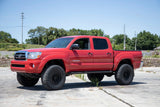
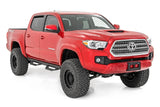
A leveling kit is meant to bring the front of the vehicle up so it sits level with the rear. Most trucks come from the factory with the front slightly lower than the back. That rake helps with load carrying and towing, but plenty of owners want a flatter stance and a little more room for larger tires.
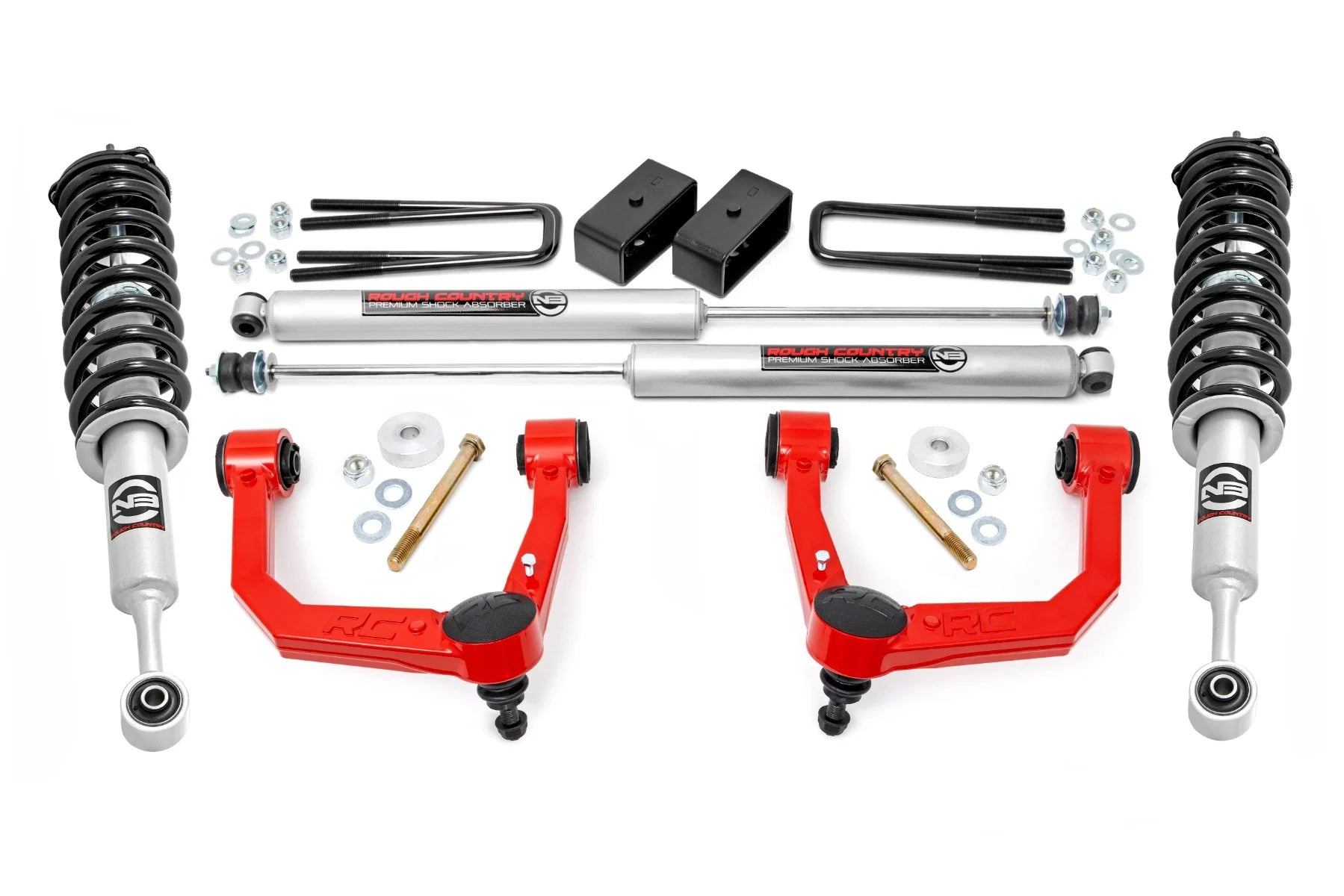
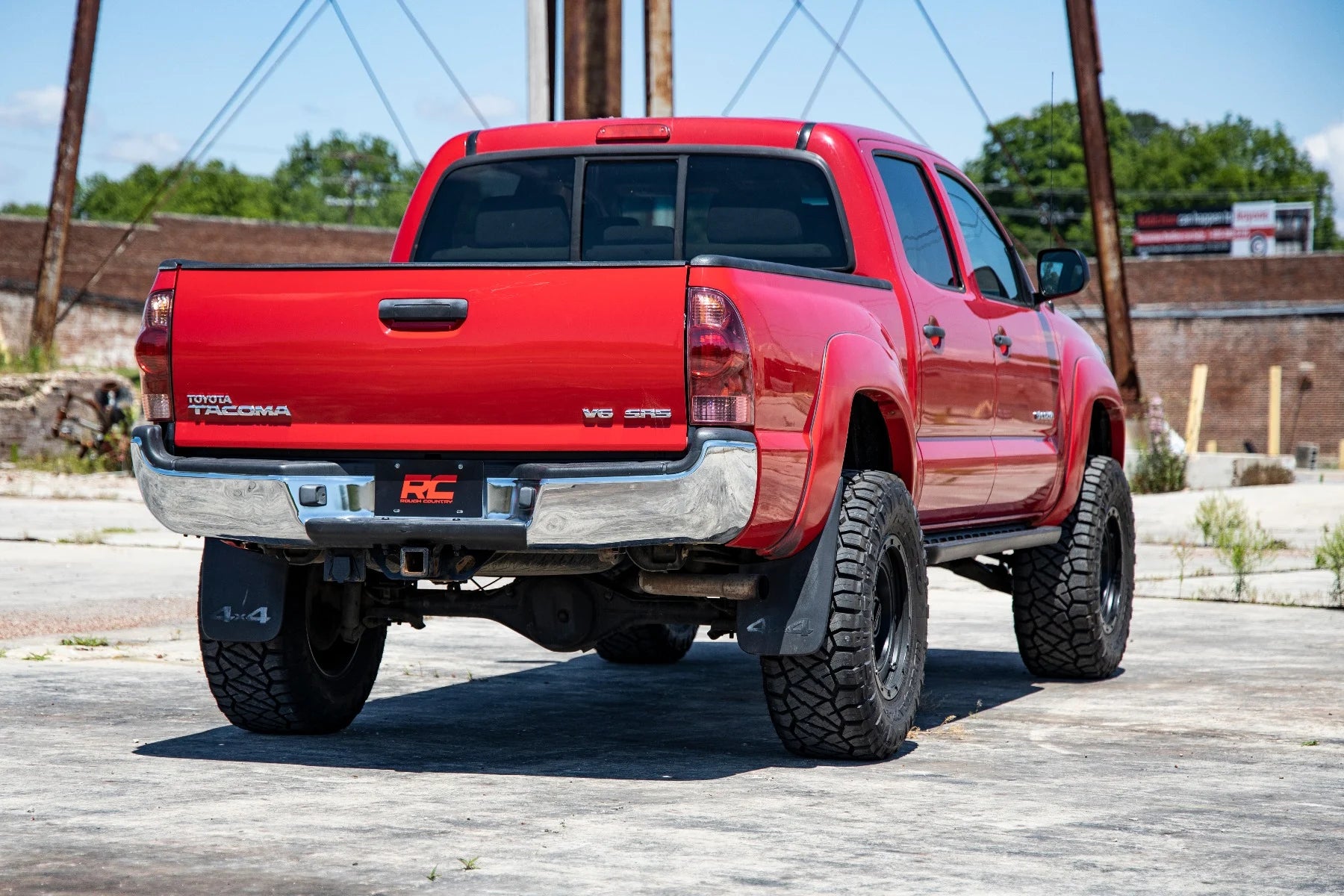
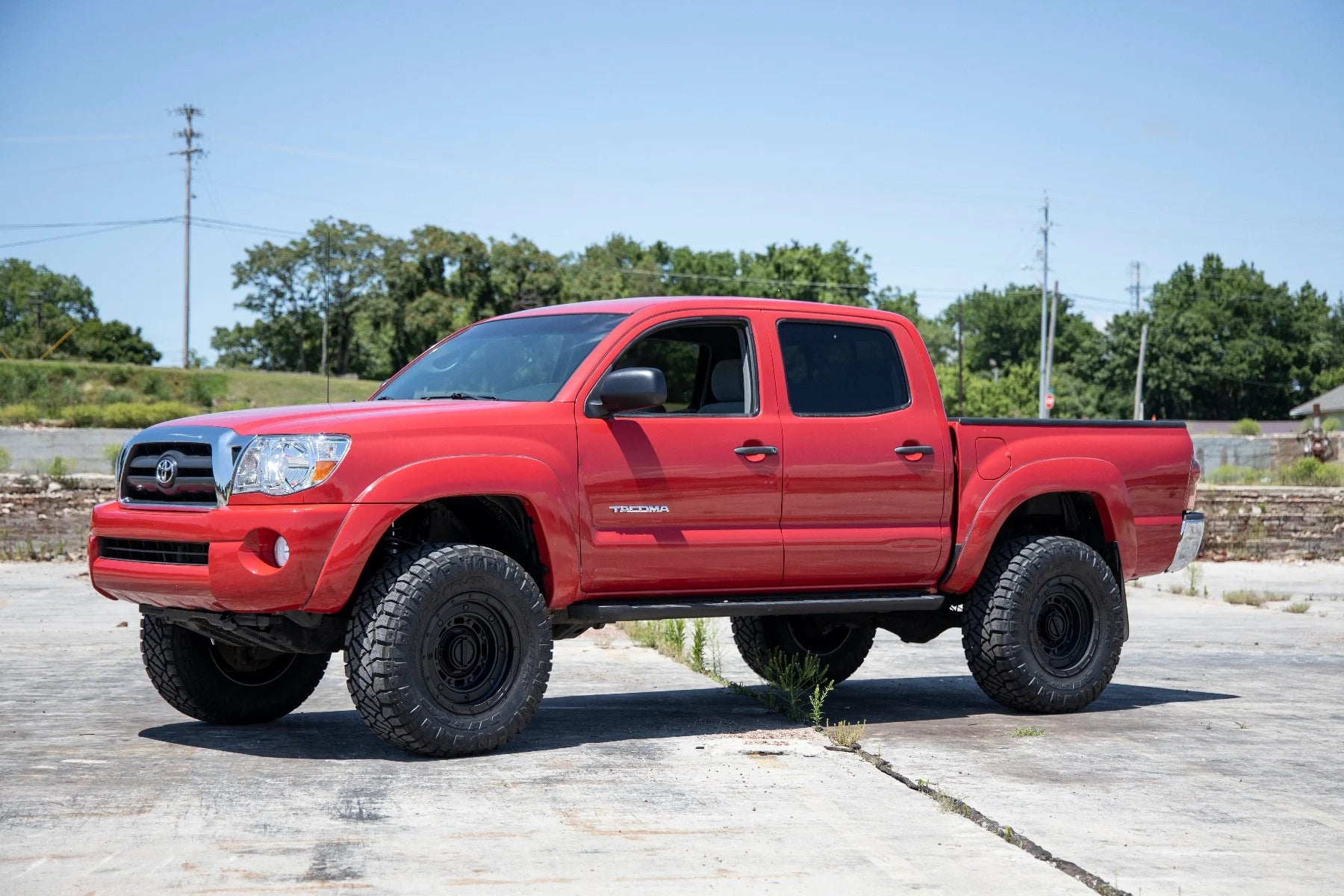
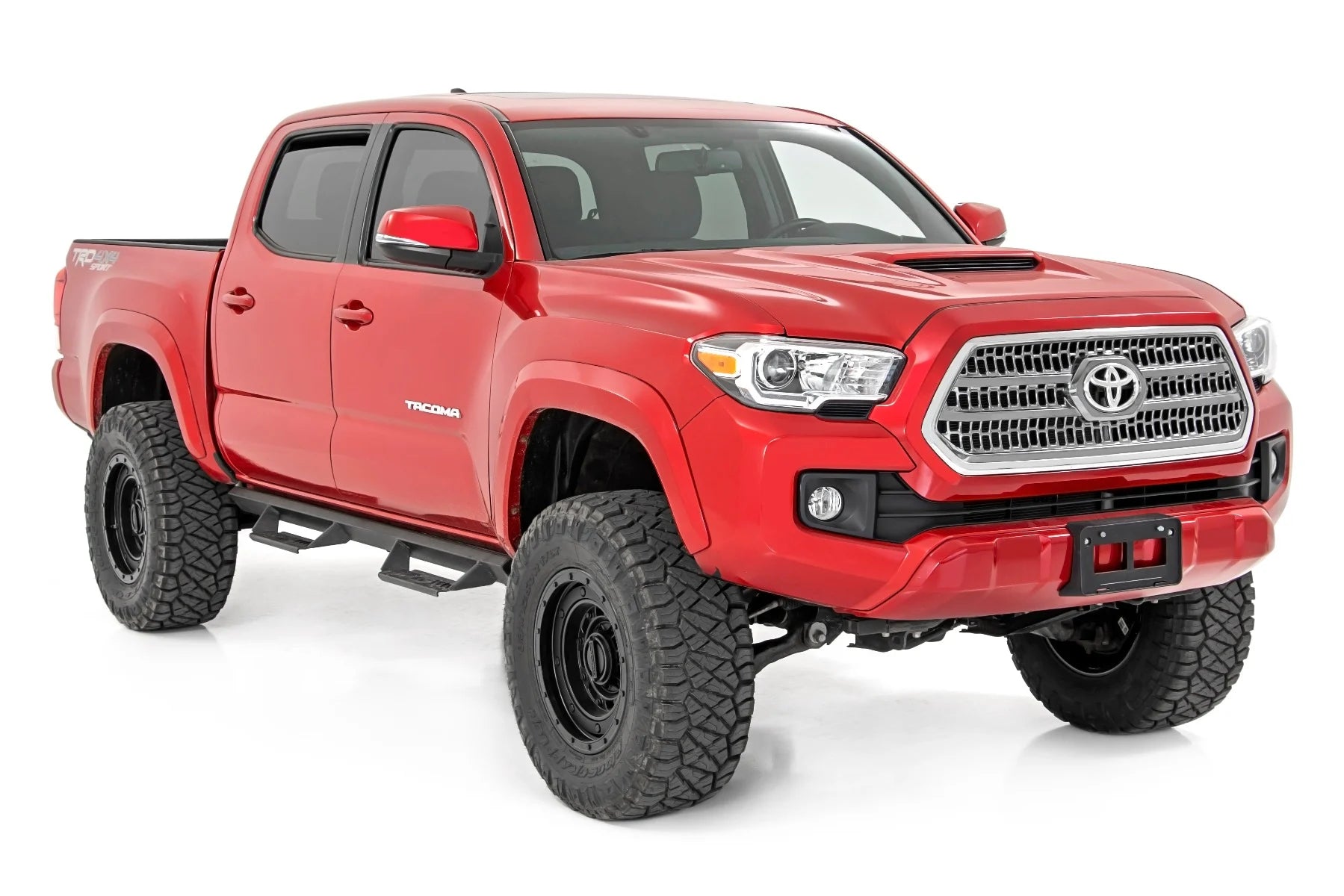
A lift kit raises the whole vehicle, not just the front. Depending on the kit, that could mean a mild 2-inch lift or a much more aggressive setup with new shocks, springs, control arms, crossmembers, and other suspension parts. A true lift changes more than appearance. It changes clearance, geometry, and usually the kind of tires you can run.
That is why lift kit vs leveling kit is not a small cosmetic decision. One is a targeted correction. The other is a larger suspension change.
When a leveling kit makes more sense
For a lot of daily driven trucks, a leveling kit is the smarter move. If you like the factory ride, want a cleaner stance, and do not need major ground clearance, leveling keeps things simple. It is a common choice for newer pickups that mostly see pavement, light jobsite use, and occasional dirt roads.
A leveling kit usually raises the front 1 to 2.5 inches. On some vehicles that is enough to clear a more aggressive tire size without the truck looking overbuilt. It also keeps the rear closer to stock, which matters if you still tow or haul and do not want to lose that factory-ready posture entirely.
There is a cost advantage too. A leveling kit is usually less expensive in both parts and labor than a full suspension lift. If your goal is better stance and moderate tire fitment, spending for a full lift can be overkill.
That said, there are limits. A leveling kit does not turn a truck into an off-road build. It may not provide the suspension travel, articulation, or underbody clearance that a true lift can. If you push tire size too far, you can still run into rubbing, trimming, or wheel offset issues.
When a lift kit is worth it
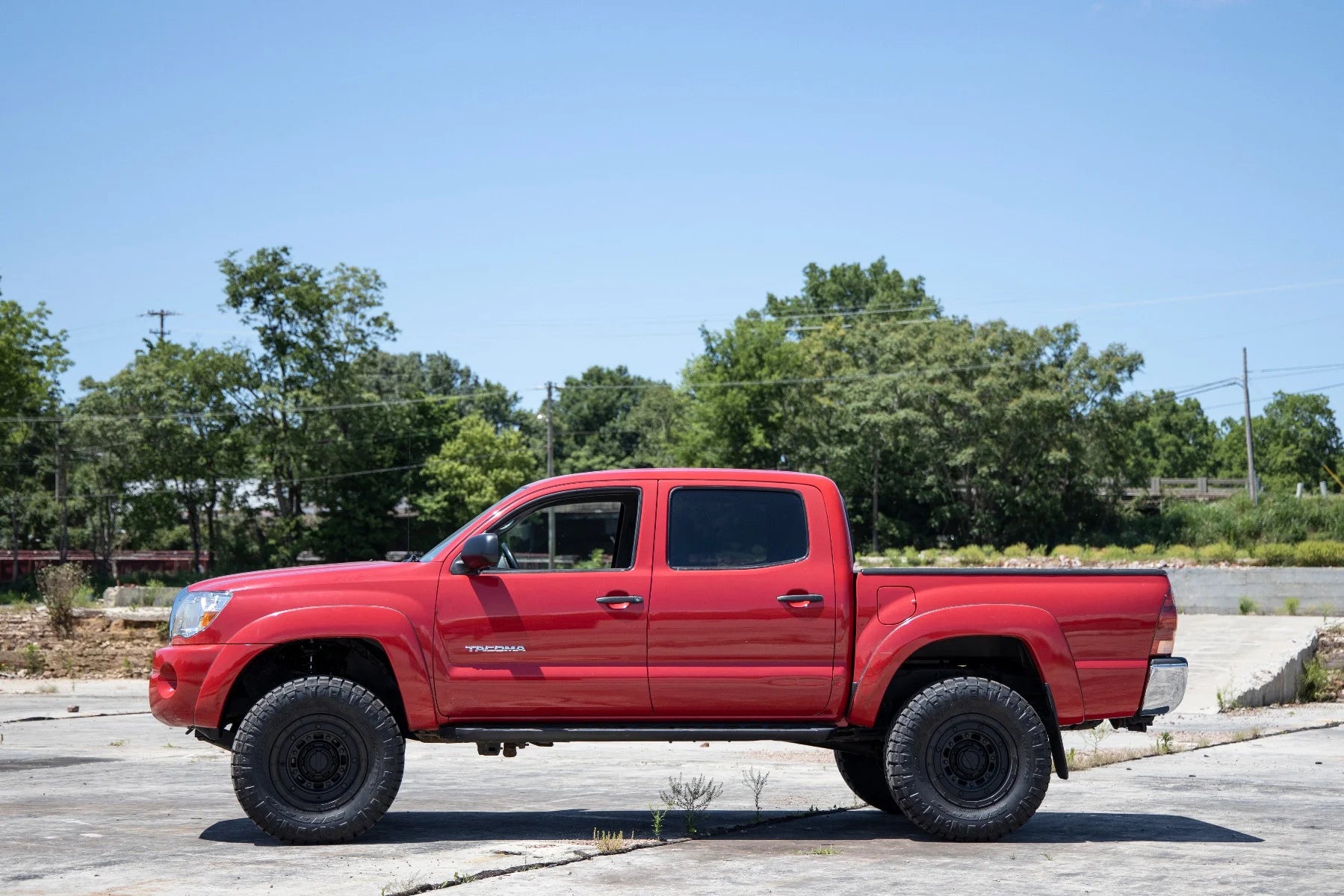
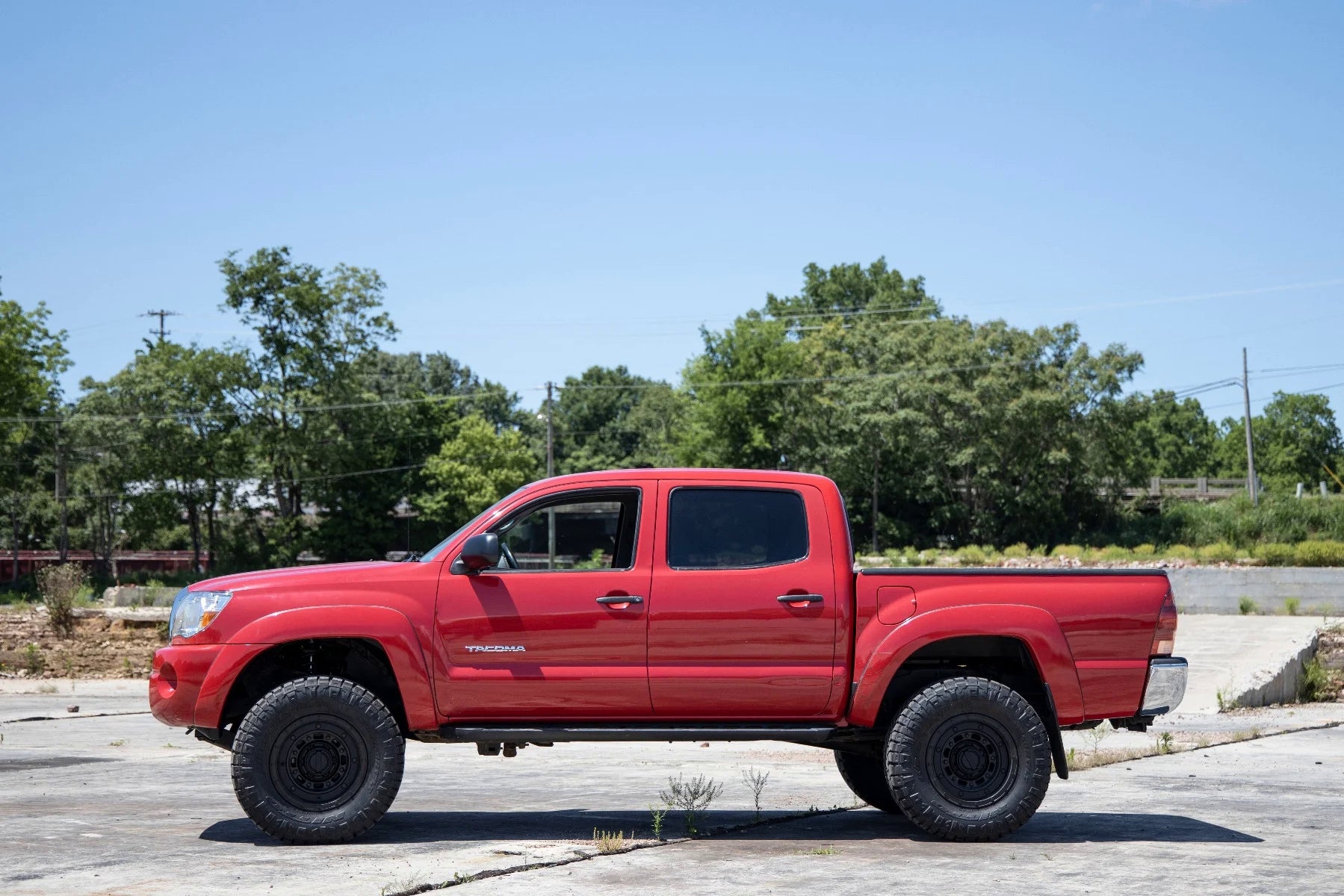
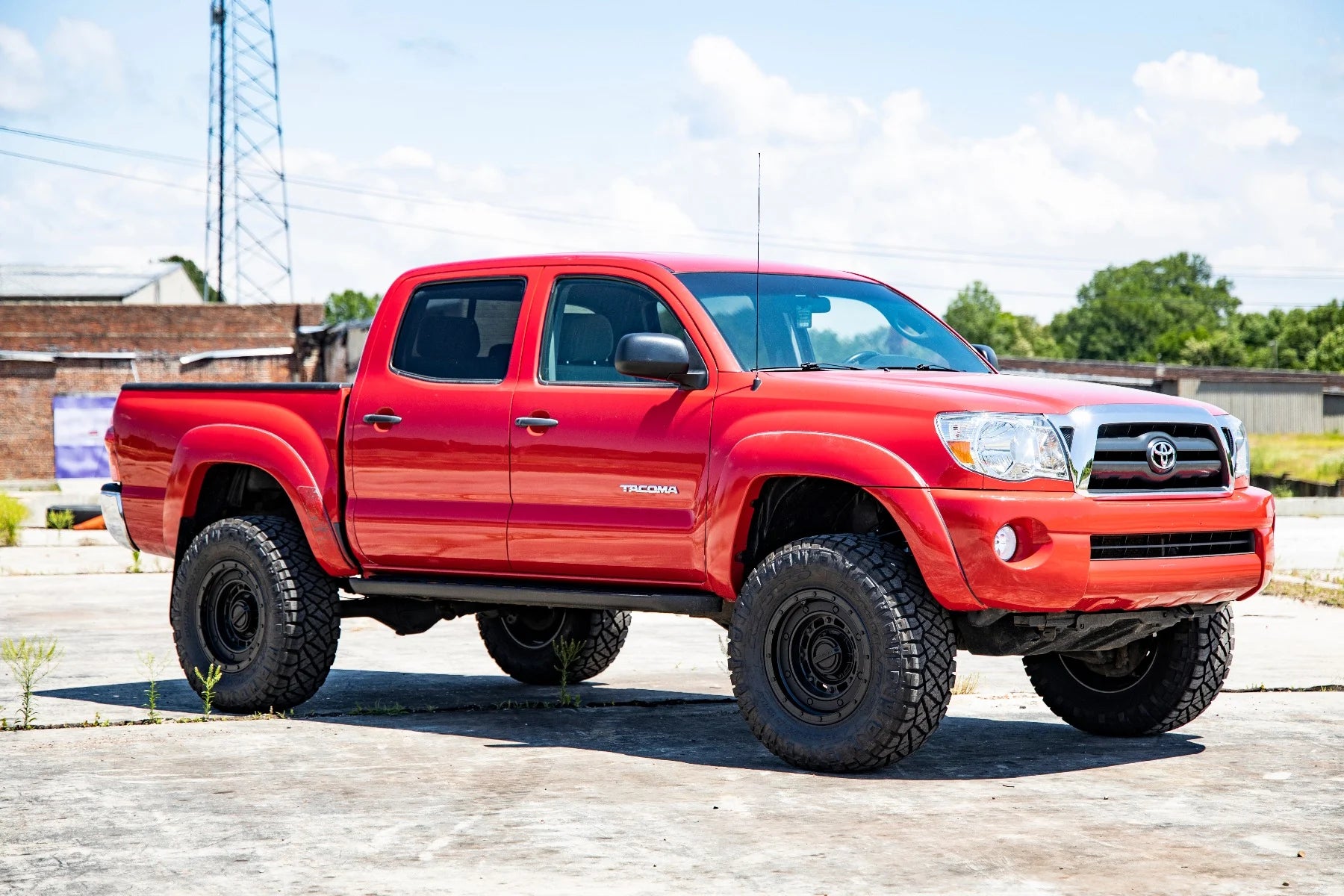
A lift kit is the right call when you want more overall clearance, a taller stance, and room for substantially larger wheels and tires. It is also the better path when the vehicle is being built for trail use, deeper ruts, rougher terrain, or a more complete custom look.
The key difference is that a lift kit is built to do more than raise the nose. Better kits address suspension geometry so the vehicle drives properly after the height increase. Depending on the system, you may be replacing shocks, struts, springs, upper control arms, blocks, leaf components, or differential drop hardware.
That matters because height without proper correction can create problems fast. Steering feel can get weird. Alignment can become harder to keep in spec. Ride quality can go from firm to flat-out annoying. A quality lift setup costs more because there is more engineering behind it.
For some owners, that extra cost is easy to justify. If you want your truck to sit noticeably taller, clear larger tires correctly, and handle a tougher mix of street and off-road use, a lift kit is not just for looks. It is the more complete solution.
Ride quality and handling are where people get surprised
A lot of buyers focus on height first and driveability second. That order should be reversed.
With a leveling kit, ride quality may stay close to stock, but that depends on the kit design and the vehicle. Spacer-style kits are common and affordable, but they do not automatically improve damping or suspension control. They mainly create height. On some trucks, that is perfectly fine. On others, especially if the factory suspension is already soft or tired, the result can feel harsher than expected.
A lift kit can either improve ride quality or make it worse, depending on the parts used. A well-matched suspension lift with quality shocks can give you a more planted, controlled feel over rough roads. A cheap lift that chases height above all else can do the opposite.
Bigger tires also change the conversation. Even if the suspension itself feels good, heavier wheel and tire packages can affect braking, acceleration, steering response, and road noise. That is not a reason to avoid the upgrade. It is a reason to plan the package as a whole instead of treating suspension and tire fitment like separate decisions.
Tire fitment is usually the deciding factor
If you are choosing between lift kit vs leveling kit, tire size is often what settles it.
A leveling kit can help clear a larger tire, but there is a ceiling. The exact limit depends on the vehicle, wheel width, wheel offset, tire shape, and whether you are willing to trim plastic liners or modify other components. Two trucks with the same amount of front lift can fit very different tires depending on wheel setup.
A lift kit generally opens the door to larger tire sizes with fewer compromises, especially when the kit is designed around proper suspension travel and clearance. But even then, there is no universal answer. Bigger is not always better if the tire creates rubbing at full lock, destroys fuel economy, or makes the truck feel sluggish.
This is where real fitment guidance matters. Looking at photos online is easy. Getting the wheel offset, tire width, and suspension setup to work together is the part that saves headaches.
Cost matters, but so does what you get for it
A leveling kit is usually the lower-cost option. That makes it attractive for owners who want a noticeable visual improvement without turning the vehicle into a major project. Parts are simpler, labor is usually lighter, and alignment is more straightforward.
A lift kit costs more because it should. There are more components, more installation time, and more setup involved. Depending on the vehicle, you may also need supporting upgrades like new wheels, tires, steps, or recalibration work to keep everything feeling right.
The mistake is buying based on sticker price alone. If you install a leveling kit, then later decide you really wanted the height, tire clearance, and suspension performance of a lift, you may end up paying twice. On the other hand, going straight to a full lift when your only goal was to remove rake is spending money you did not need to spend.
Towing, payload, and daily use should stay in the conversation
This part gets skipped too often. If your truck spends real time towing, hauling tools, or carrying gear, the right suspension choice needs to match that use.
A leveled truck can look great, but reducing or eliminating factory rake may change how it sits under load. Hook up a trailer and the rear squat can become more obvious. That does not mean leveling is wrong. It means you need to be honest about how the truck works during the week, not just how you want it to look on Saturday.
A lift kit can also affect towing and everyday drivability, especially as tire size grows. Climbing into the truck gets less convenient. Parking garages get more interesting. Fuel mileage usually does not improve. If the vehicle is a daily driver that sees a lot of highway miles, those trade-offs should be weighed before ordering parts.
So which one should you choose?
Choose a leveling kit if you want to remove factory rake, fit a mildly larger tire, keep the truck close to stock in behavior, and stay on a more modest budget. It is the practical answer for many daily drivers.
Choose a lift kit if you want more than stance. If you want real height, more clearance, more tire options, and a suspension setup built for a more aggressive look or use case, that is where a lift earns its keep.
The best answer is usually not the tallest one. It is the one that fits how you drive, what you carry, where you go, and how much compromise you are willing to accept. A good shop will ask those questions before recommending anything. That is how you end up with a truck or Jeep that looks right, drives right, and still works the way you need it to.