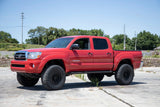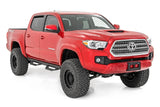


Best Truck Lift Kit Brands a Practical Buyer's Guide

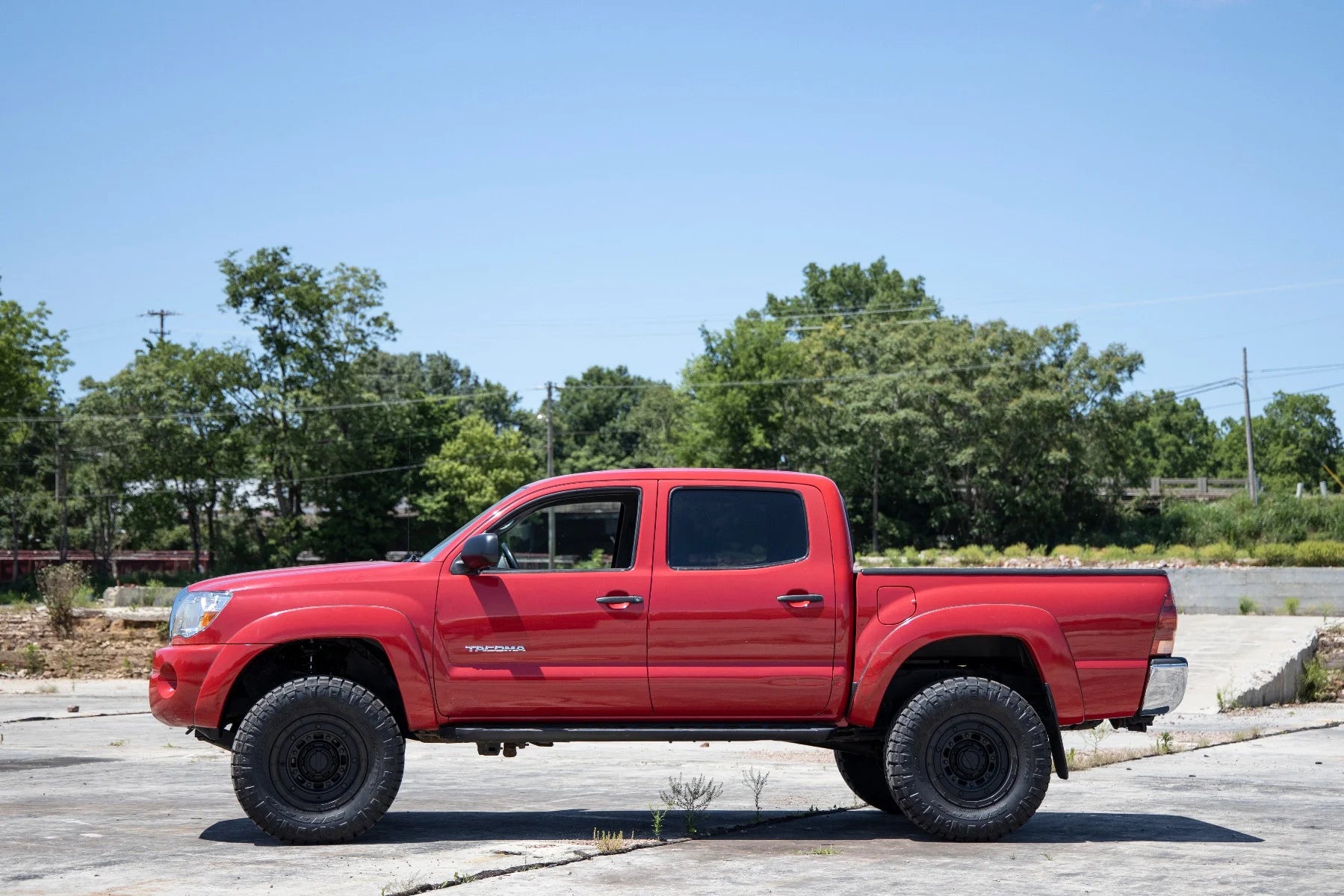
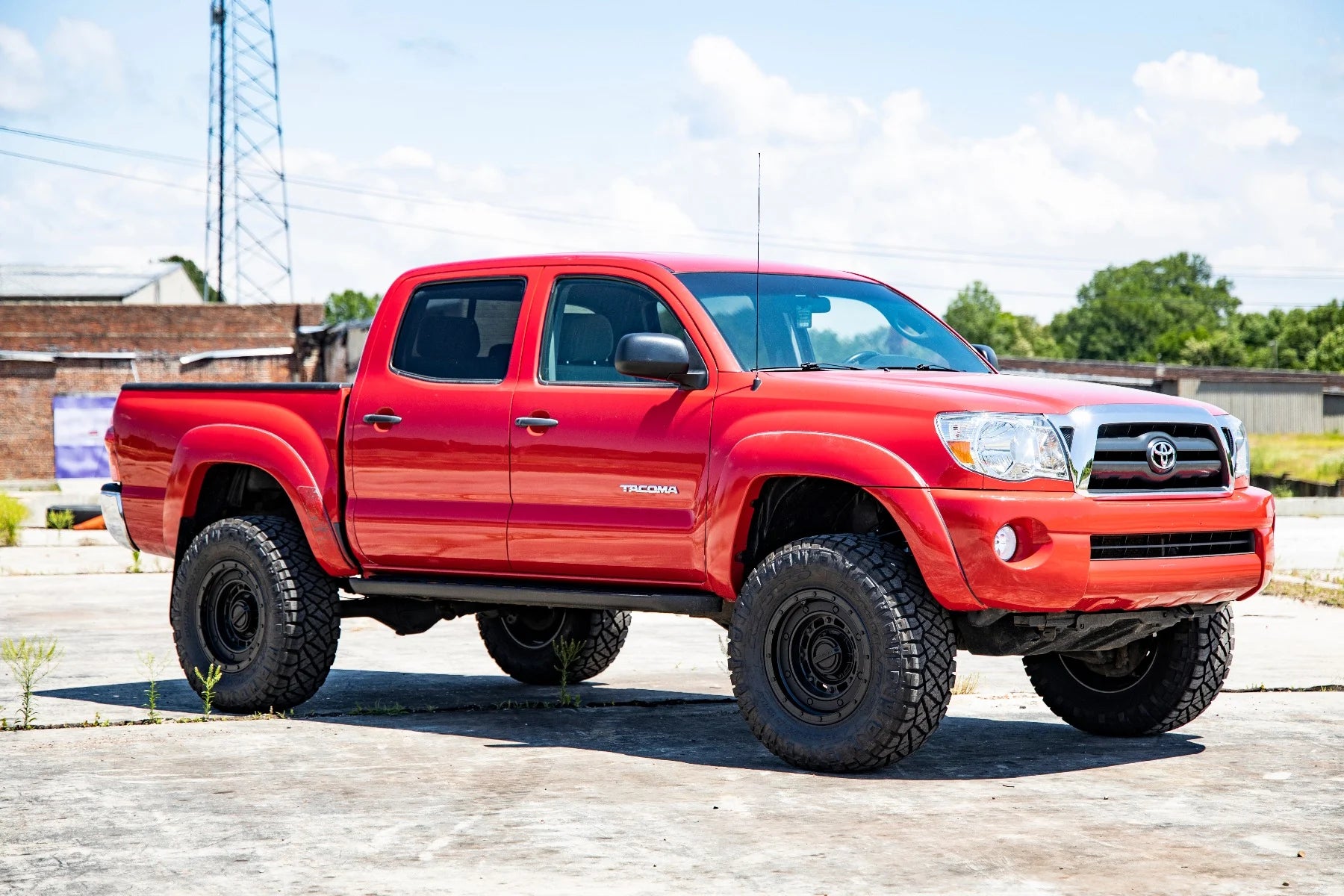
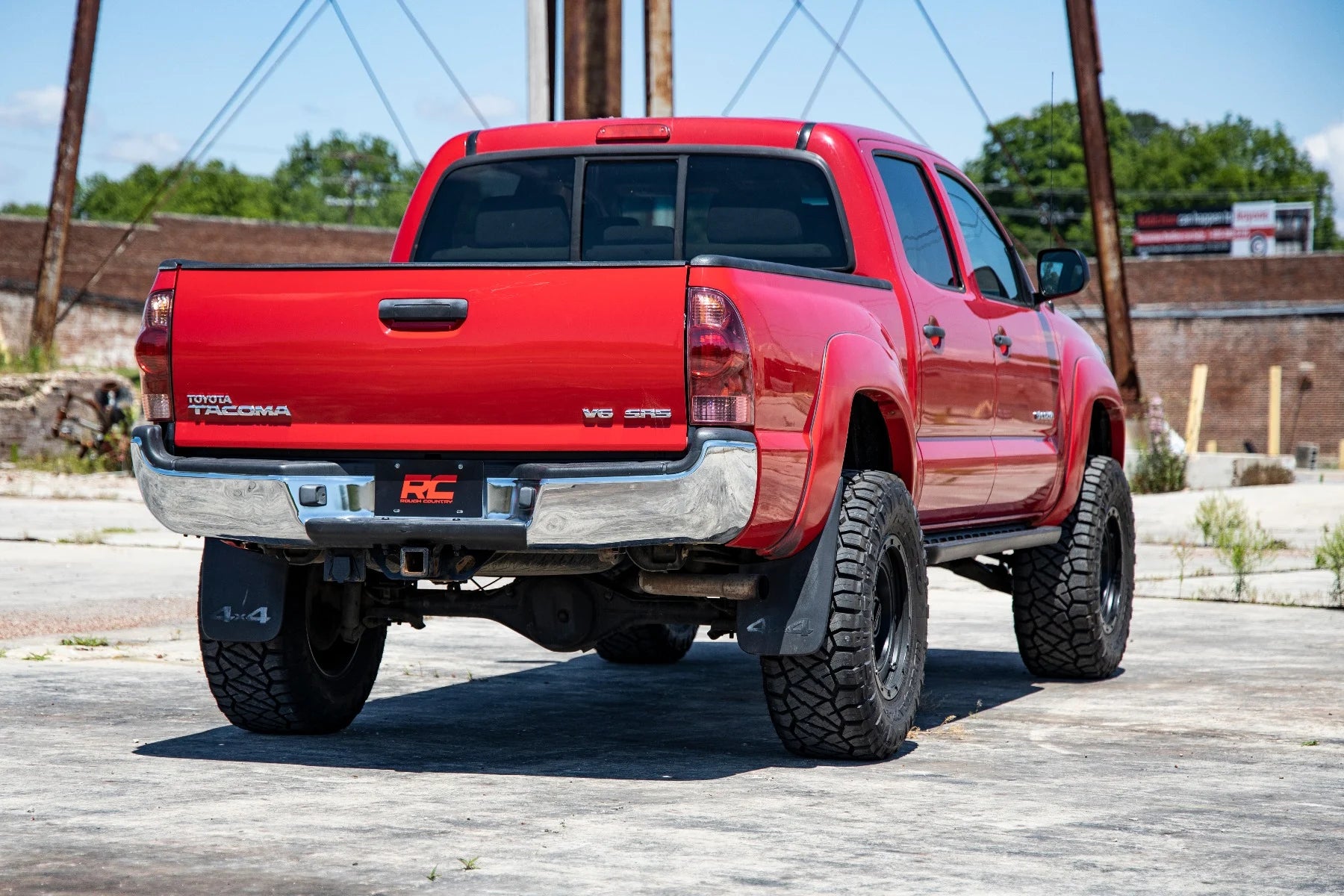
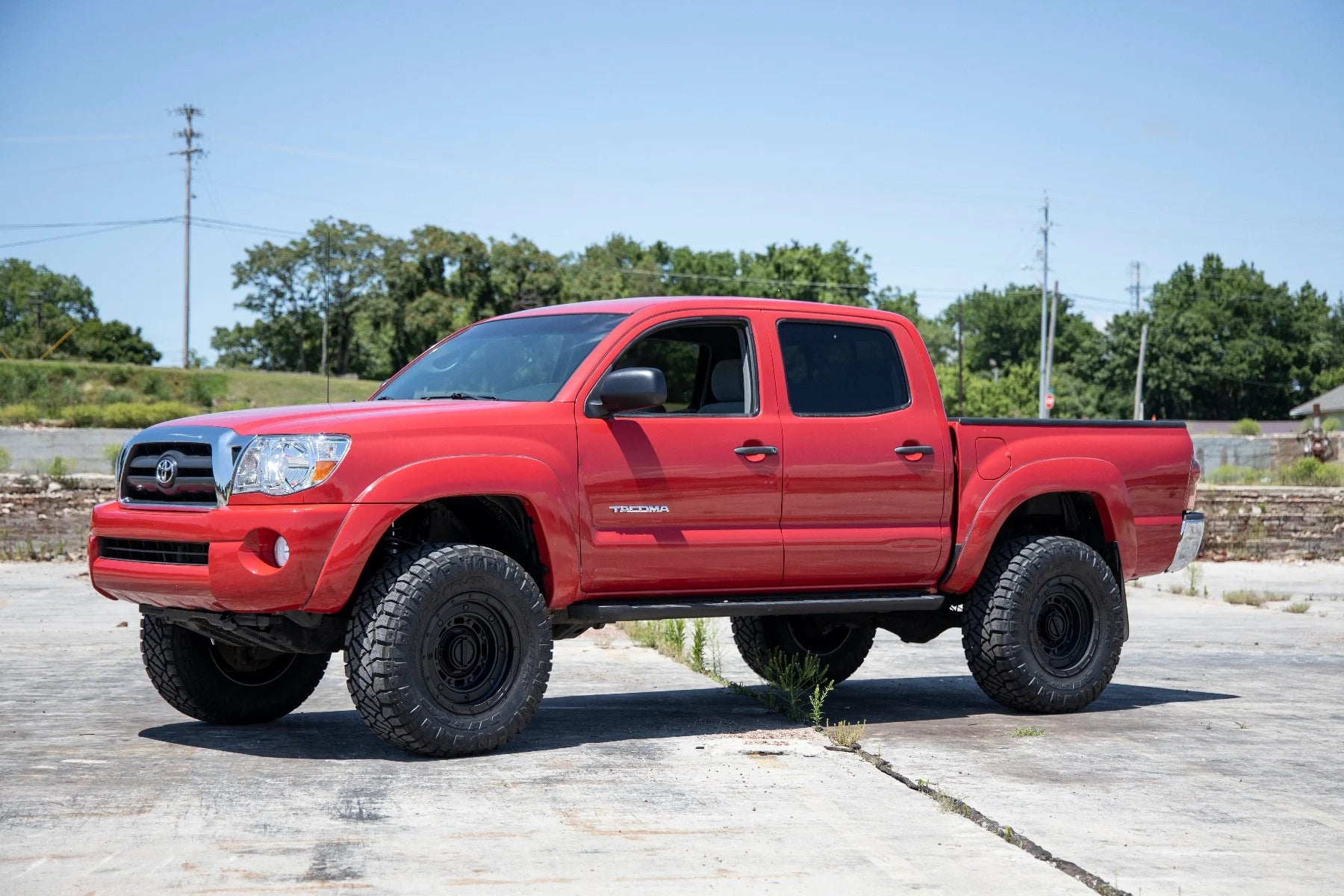
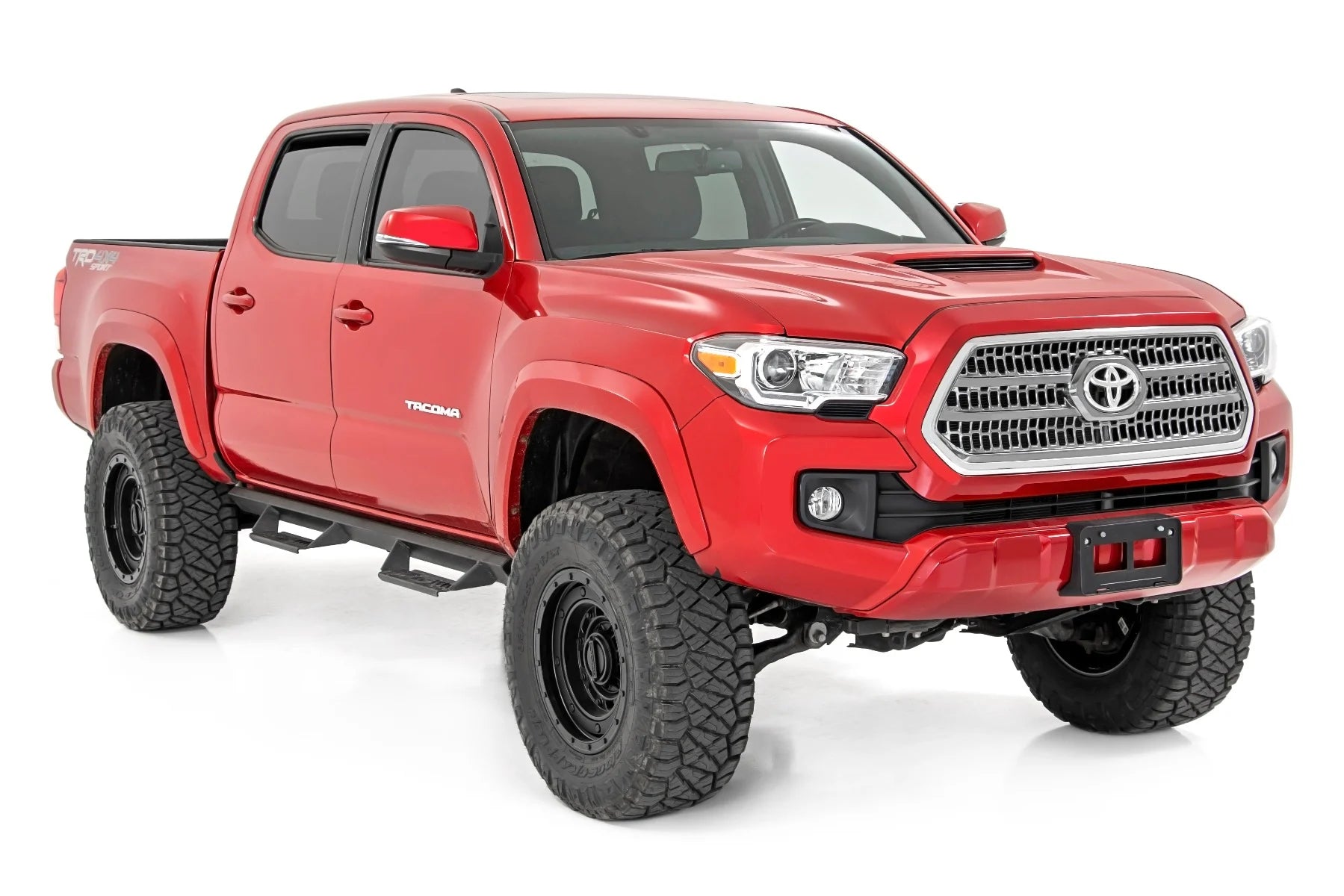
You're standing in a parking lot or a shop bay, looking at a truck that's supposed to do more than it does now. The tires brush the fender liner, the nose sits low with a hitch in the back, or the stance just doesn't match how you use it. That's where the lift-kit conversation starts, and the hard truth is that the best truck lift kit brands only make sense after you decide what problem you're trying to solve.
If you buy the wrong setup, you don't just spend money, you buy new headaches. A kit can give you clearance, a better angle of attack, or the look you want, but it can also make alignment fussier and ride quality worse if the architecture is wrong for the truck. The right brand is the one that supports the right hardware for your use case, not the one with the loudest reputation.
Table of Contents
- Why Truck Owners Start Shopping for a Lift Kit
- Understanding Lift Architectures Before Choosing a Brand
- What Makes a Lift Kit Brand Worth Trusting
- Matching the Right Brand to Your Truck's Use Case
- What a Lift Kit Costs and What Maintenance Comes With It
- DIY Install Versus Professional Installation
- Putting It All Together Before You Buy
- Lift Kit Questions Truck Owners Ask
Why Truck Owners Start Shopping for a Lift Kit
The first time someone thinks about a lift kit, it isn't because they were browsing catalogs. It's because they backed into a parking space, turned the wheel, and heard rubber kiss plastic. Or they loaded tools, a camper shell, or a weekend trailer, then realized the truck looks nose-down and works harder than it should.
That moment usually turns into one of three motives. First, clearance, because bigger tires or rougher trails need more room. Second, angles, because a truck that's taller at the right points can clear driveways, ruts, and steep entrances with less scraping. Third, appearance, because plenty of owners want a stance that matches the way the truck's used.
A lift kit can help with all three, but it won't fix every problem. It doesn't automatically increase towing capacity, and it won't erase a worn suspension or bad alignment. If the truck already sags under load, the underlying issue might be springs, shocks, or weight management, not lift height.
A lift kit changes how the truck sits. It does not excuse a weak setup underneath it.
That's why the first smart question isn't "what brand is best." It's "what am I trying to do with the truck, and how much change do I need?" A daily commuter with slight rake, a job-site half-ton that needs a little more clearance, and a trail truck that sees real articulation all need different answers.
Understanding Lift Architectures Before Choosing a Brand

The lift type matters more than the logo on the box. A brand can have a strong name and still be the wrong choice if the architecture doesn't match the truck or the way you drive it. The install bay teaches this fast, because the same truck can feel right on one kit and sloppy on another.
Leveling kits solve rake, not everything else
A leveling kit usually adds 1-3 inches at the front and is meant to even out the factory rake, not transform the truck into a trail rig. That makes it the cleanest answer for owners who want slightly more tire room and a more balanced look without changing the whole suspension. It's also the simplest way to improve stance on a daily-driven half-ton.
Body lifts keep suspension geometry mostly untouched
A body lift adds 1-3 inches by spacing the body above the frame. Since the suspension stays where it is, this route is mostly about clearance and appearance, not ride transformation. It's a cheaper way to get height, but it doesn't add the kind of off-road performance a full suspension system can deliver.
Suspension lifts and coilovers are not the same thing
A basic suspension lift generally sits in the 3-8 inch range and changes the actual suspension hardware. That can include shocks, spacers, brackets, springs, and related components. A coilover lift also lands in that broader height range, but it does the work with matched spring-and-damper units, which is why it costs more and behaves differently on the road.
That difference matters a lot on IFS trucks, where front-end geometry is more sensitive to change. Cheaper systems can get you the height and tire room, but better damping hardware and geometry correction usually preserve alignment behavior and ride quality better after the lift. That's why the smartest buyers don't ask, “Which brand is coolest?” They ask, “Which architecture keeps my truck driving the way I want it to drive?”
What Makes a Lift Kit Brand Worth Trusting

A lift-kit brand earns trust when the parts look and behave like they were designed for real trucks, not just for a catalog photo. The market loves broad reputation, but reputation alone won't tell you whether a kit will hold alignment, keep the ride controlled, or fit your exact cab, bed, and drivetrain.
Materials show how the kit is built to survive
Look at the hardware first. Powder-coated steel, CNC-machined aluminum spacers, and well-finished brackets usually tell you more than marketing copy does. Cheap stamped parts can work, but they often telegraph their cost in finish quality and long-term durability.
Geometry correction tells you whether the brand understands IFS
On independent front suspension trucks, the front geometry changes fast once you start lifting. Brands that account for control-arm geometry correction usually handle alignment and handling better than brands that just force the chassis higher. That's why some budget kits get chosen for the price, then come back later with steering or tire-wear complaints.
Warranty, fitment, and support separate serious brands from loud ones
Warranty length signals confidence, but only if the company stands behind the product when the truck is used like a truck. Fitment coverage matters just as much, because a brand that lists your exact configuration has usually done the homework on that platform. Installation support matters too, printed instructions, a real tech line, and useful install content reduce mistakes and make the kit friendlier for home mechanics.
If a brand can't explain how its parts correct geometry, it's probably asking you to accept the handling trade-off blindly.
Those five filters, materials, engineering, warranty, fitment, and support, are better than a popularity contest. They help you judge whether a brand fits a street truck, a tow rig, or a serious off-road build without guessing.
Matching the Right Brand to Your Truck's Use Case

The shortlist starts here. Brand names repeat across most roundups, but the smart move is to tie each one to a buyer profile instead of pretending there's one winner for everybody. The market has already split itself into clear lanes.
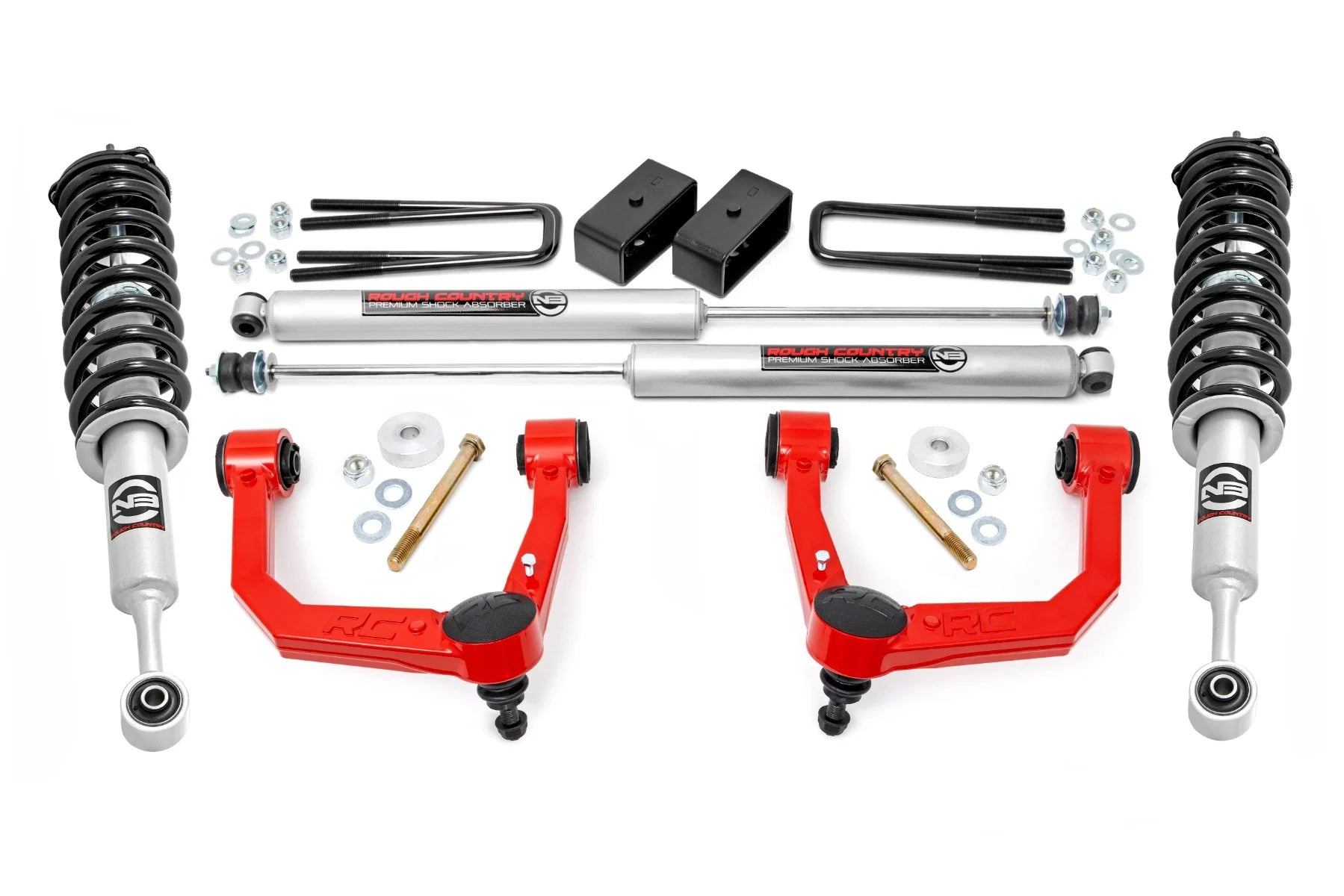
Rough Country for budget-minded first lifts
Rough Country is the brand I point to when someone wants an entry point with broad coverage and a clear price ladder. 2.5-inch or 3.5-inch leveling-style suspension lifts for a half-ton truck are often sold in the $300-$500 parts range, while a 6-inch full lift kit is commonly $600-$1,000 in parts, according to the brand segmentation described in Tire Geeks' lift-kit market overview. That kind of pricing makes it the obvious first stop for owners who want visible change without jumping straight into premium territory.
ReadyLIFT for stock-feel daily drivers
ReadyLIFT belongs in the OEM-style lane. It's the name I'd hand to a commuter who wants the truck to sit right and drive close to stock, especially if the goal is a leveling setup rather than a full off-road system. When someone wants less drama and more factory behavior, they should start looking here.
BDS, Fabtech, and SuperLift for heavier use
BDS, Fabtech, and SuperLift are the brands I associate with more serious hardware. They fit owners who tow, haul, or head off pavement often enough to care about geometry, component quality, and control. These brands sit in the middle lane for people who want a truck that still behaves like a truck after the lift.
Eibach, ICON, and the premium end of the market
Eibach makes sense when spring behavior matters more than a flashy stance. ICON and similar premium systems are for buyers who want matched shock performance, more careful geometry, and better control in real off-road use. Their place is simple, they're not for casual stance builds, they're for owners who drive hard on rough ground.
Independent 2026 review roundups keep putting the same names in the same places, Rough Country, ReadyLIFT, BDS, Eibach, SuperLift, Fabtech, and ICON, which tells you the market has settled into recognizable tiers instead of a random free-for-all, as summarized in one 2026 lift-kit brand roundup. That's useful because it lets you buy by job, not by hype.
What a Lift Kit Costs and What Maintenance Comes With It

The sticker price is only the first number that matters. A lift looks affordable until you add alignment, tire changes, and the supporting parts that keep the suspension working the way it should after the install. That is where first-time buyers usually miss the full cost of the job.
Parts-only pricing depends on lift type
For Rough Country, a 2.5-inch or 3.5-inch leveling-style suspension lift for a half-ton truck is often around $300-$500 in parts, and a 6-inch full lift kit is commonly $600-$1,000 in parts, per the lift-kit pricing structure in Tire Geeks' market breakdown. By contrast, coilover suspension lifts commonly land around $2,000-$5,000, because they change spring and damper behavior rather than just moving the chassis higher, as outlined in RealTruck's lift-kit selection guide.
The hidden costs are not optional
A post-install alignment is required, and wheel, tire, and suspension changes can add up fast. Larger tires usually come next if the goal is to fill the wheel wells, and bigger lifts can demand attention to CV axles, driveshaft angles, or other supporting parts. Budget kits can also shorten shock life, so the primary question is what the truck will cost to own after the install, not just what the box costs today.
A “cheap” lift is rarely cheap once the truck is aligned, fitted, and finished correctly.
Budget by build, not by kit alone
A leveling kit for a daily driver is one budget. A full suspension lift with larger tires is another. The second project brings more labor, more correction parts, and more wear items to watch after the install. If you want the truck to look finished instead of half-done, plan the whole build before you buy the first box.
For owners who want hands-on product advice and installation help in one place, Audio Jam Inc in Bear, Delaware works as a local option for truck accessories and lift-kit-related work alongside other vehicle upgrades.
DIY Install Versus Professional Installation
A leveling kit is one thing. A 4- to 6-inch IFS suspension lift is another animal entirely. Once you get into a full suspension system, the install stops being a simple bolt-on job and turns into a geometry project.
The actual work is more than swapping parts
On a typical half-ton IFS install, you're dealing with spring and shock replacement, brake line rerouting or extension, track bar relocation, sway bar link changes, and control-arm geometry correction. A full four-wheel alignment sits at the end because the truck's suspension relationship changed, and it needs to be brought back into spec. Miss that step, and the truck will tell on you through tire wear and steering behavior.
Some jobs fit the home garage, some don't
A confident home mechanic can handle simpler parts of the job on a paved driveway if the truck is well supported and the tools are right. A spring compressor, torque wrench, jack stands, and patience go a long way. Once the kit asks for geometry correction or anything that affects alignment-critical angles, a shop earns its money fast.
If you're not comfortable measuring suspension angles and torqueing fasteners in sequence, don't treat a tall IFS lift like a weekend experiment.
Brands that back their products with clear printed instructions and a US-based tech line are easier to live with for DIY installs. That support doesn't make the work easy, but it does lower the chance that you'll stall halfway through a Sunday afternoon with the truck on stands and one side still apart. For most owners, the smart play is simple, do the small stuff yourself and pay a shop for the jobs that affect geometry.
Putting It All Together Before You Buy

The decision gets easier when you stop thinking in brand-first terms. Define the truck's job, choose the architecture, then buy the brand tier that supports that setup. That order keeps you from overspending on a premium system when a leveling kit would do the job, or underbuying when the truck needs a full suspension package.
A few details are easy to miss. Tell your insurance company about modifications, check local and state inspection rules, and make sure the brand supports your exact year, cab, bed, drivetrain, and suspension layout. That's the kind of homework that saves you from fitment surprises after the box arrives.
- Define Use Case: Daily driver, light off-road, towing, or heavy trail use.
- Pick Lift Architecture: Leveling, body, suspension, or coilover.
- Research Brands and Reviews: Compare materials, warranty, fitment, and support.
- Set Budget: Include parts, installation, alignment, and tires.
- Check Wheel and Tire Compatibility: Make sure the finished setup won't rub.
That's the buying checklist. If you want a local conversation instead of guessing from a product page, stop in, talk through the truck, and compare options with someone who works on these builds every day.
Lift Kit Questions Truck Owners Ask
Does a bigger lift automatically mean better off-road performance
No. More height only gives you more clearance. Real trail performance comes from suspension geometry, tire choice, damping quality, and how well the truck stays controlled when the terrain gets rough.
Will a lift affect warranty or insurance
A lift kit does not automatically void a warranty, but a manufacturer can deny a related claim if it decides the lift caused the failure. Insurance works differently, because you need to tell your carrier about modifications so there is no surprise if you file a claim.
Should I pick tires before or after the lift
Pick the tire plan early. Lift height, wheel offset, and tire size all need to work together, and the truck should be built around the final stance instead of trying to force the tire to fit later.
Is a leveling kit enough for a daily-driven half-ton
For a lot of owners, yes. A leveling kit is the right call when you want a more even stance, a little more tire room, and minimal change to ride behavior. On a half-ton that spends most of its time on pavement, that is usually the smartest spend.
Do lift kits hurt ride quality
Some do, some do not. Lower-impact setups usually keep the truck close to stock, while taller suspension systems can change how the truck feels because you have changed the hardware that controls motion. That is why lift architecture matters more than brand hype, especially on trucks that still have to commute, tow, or see rough roads.
If you want help sorting lift kits, wheels, tires, and install options in one conversation, visit Audio Jam Inc and talk with a team that works on truck and Jeep upgrades in Bear, Delaware. Bring your truck goals, your budget, and your tire size idea, and they can help you narrow the right setup before you order anything.