

Running Boards vs Side Steps: Which Fits Your Truck?

A lifted truck can look exactly right on a new set of wheels and tires, then become a pain to climb into every morning. That is where the running boards vs side steps decision gets real. Both give passengers a safer way in and out, but they sit differently, protect the vehicle differently, and can either support or work against the way you use your truck, Jeep, or SUV.
The best choice is not automatically the widest board or the most aggressive-looking tube step. Start with your vehicle height, who rides with you, how much ground clearance you need, and whether your build sees mud, salt, job sites, or mostly pavement.
Running Boards vs Side Steps: The Main Difference
Running boards are broad, flat platforms that generally run along much of the cab length. They sit close to the rocker panel and give you a large, stable surface to step on. Most use molded traction pads, textured aluminum, or rubberized inserts to keep shoes planted in wet weather.
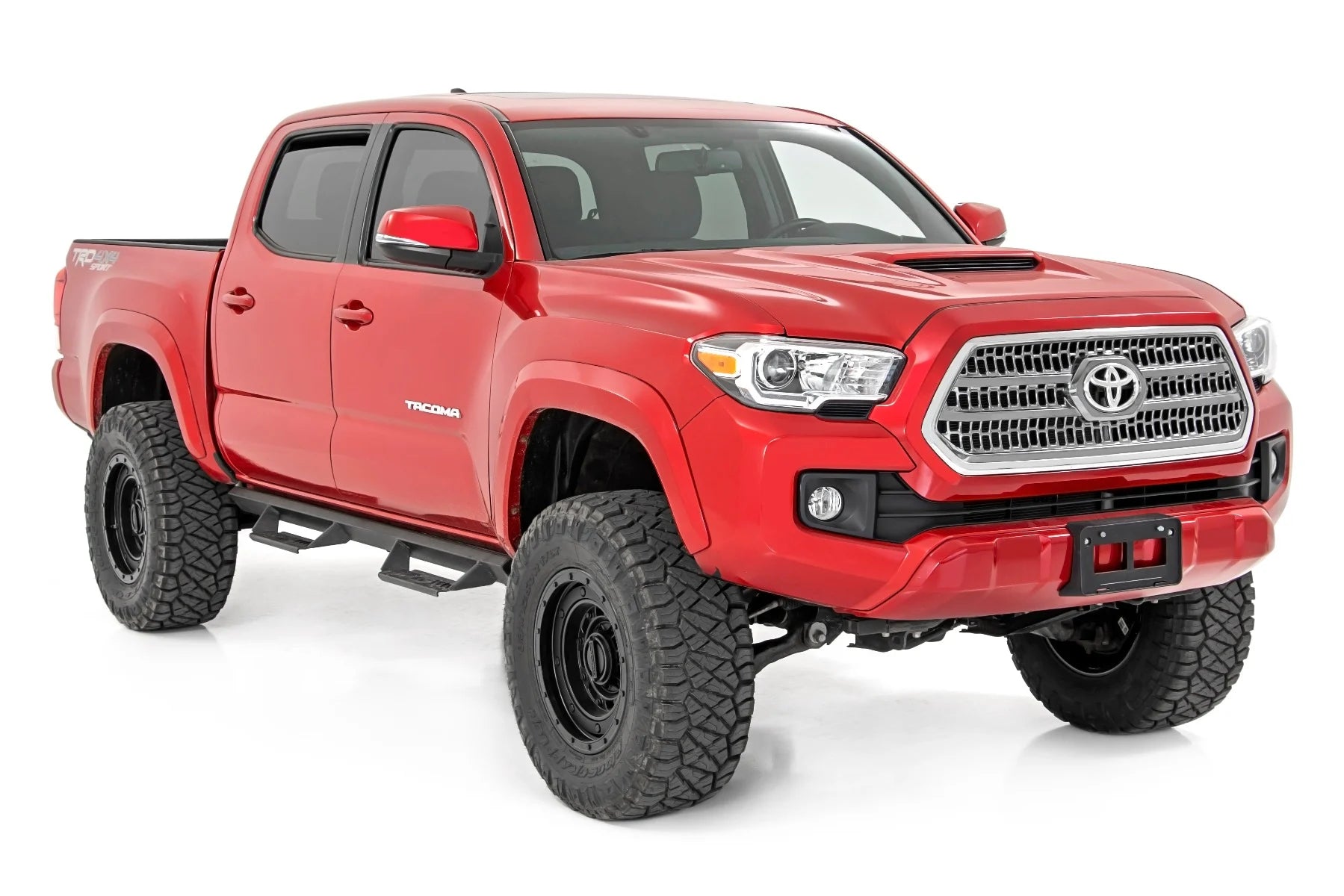
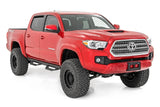
Side steps are usually narrower and more separated from the body. The term can cover a lot of styles: classic round nerf bars, oval tube steps, cab-length bars with individual step pads, and heavy-duty rock sliders with usable tread plates. Their appearance is usually more rugged and more visible than a traditional running board.
That basic shape changes the ownership experience. A running board feels more like a usable doorstep. A side step often looks more like a truck accessory that also helps you get into the cab. Neither is automatically better. The right fit depends on what you expect it to do every day.
Choose Running Boards for Everyday Access and Coverage
For a family truck, a daily-driven SUV, or a work vehicle with passengers getting in and out all day, running boards are hard to beat. Their wider surface gives kids, older passengers, and anyone wearing work boots more room to place a foot. That matters more than people think when the truck is wet, icy, or parked on uneven ground.
Cab-length boards are especially useful on crew cabs. Instead of needing to land on a small pad directly below each door, rear-seat passengers get nearly the same solid entry point as the driver. They also tend to sit tucked closer to the body, which creates a cleaner, more integrated look.
Running boards can provide useful lower-body protection from road spray, loose gravel, and some door dings in parking lots. They will not replace a true off-road slider, but they do help keep grime from blasting directly onto the lower doors and rocker area. For Delaware drivers dealing with rain, winter road treatment, and muddy parking areas, that extra coverage is a practical benefit.
The trade-off is clearance. A wide board hanging below the rocker panel can be the first thing to meet a rut, steep driveway, or trail obstacle. It may also collect mud and slush across its full surface. If your truck has a lift kit but still sees mostly street use, that may be an acceptable compromise. If it regularly goes off pavement, it may not be.
Powered running boards add convenience, not armor
Power running boards retract against the body when the doors close and deploy when a door opens. They are a smart option when you want easy access without permanently reducing the clean, high-clearance look of the vehicle. They are popular on newer trucks and SUVs because they make a lifted vehicle easier to use for everyone without leaving a large platform exposed all the time.
They do add moving parts, wiring, sensors, and control modules. Quality components and a clean installation matter here, particularly in vehicles exposed to road salt and regular winter weather. A powered board is a convenience upgrade, not the best choice for repeated rock contact or neglected maintenance.
Choose Side Steps for a More Rugged Build
Side steps make sense when you want a leaner profile, a tougher visual style, or less material below the cab. Round and oval tube steps remain popular because they are simple, durable, and pair naturally with trucks, Jeeps, and body-on-frame SUVs. They are also available in black powder coat, polished stainless, and textured finishes that can match bumpers, bed accessories, or an aftermarket wheel package.
Narrow side steps generally preserve more clearance than wide running boards. On a lifted truck, they can give you enough help getting into the cab without making the side of the vehicle look low or bulky. A tubular step also sheds some mud more easily than a wide flat board, though any exposed step can become slippery if it is packed with snow or clay.
For off-road-focused builds, look beyond basic nerf bars. Heavy-duty frame-mounted steps and rock-slider-style systems are designed to take more abuse. Some include a tread plate that works as a step while the underlying structure is built to protect the rocker area from trail obstacles. That is a very different product category from a light-duty bolt-on tube step, so do not assume every black steel bar is ready for the same punishment.
The downside is comfort. A narrow tube gives you less room for a boot, and individual-pad designs require passengers to hit the right spot. That is usually fine for an able-bodied driver who knows the truck, but it is less friendly for younger kids, grandparents, or customers who want an easy daily entry point.
Vehicle Height Should Drive the Decision
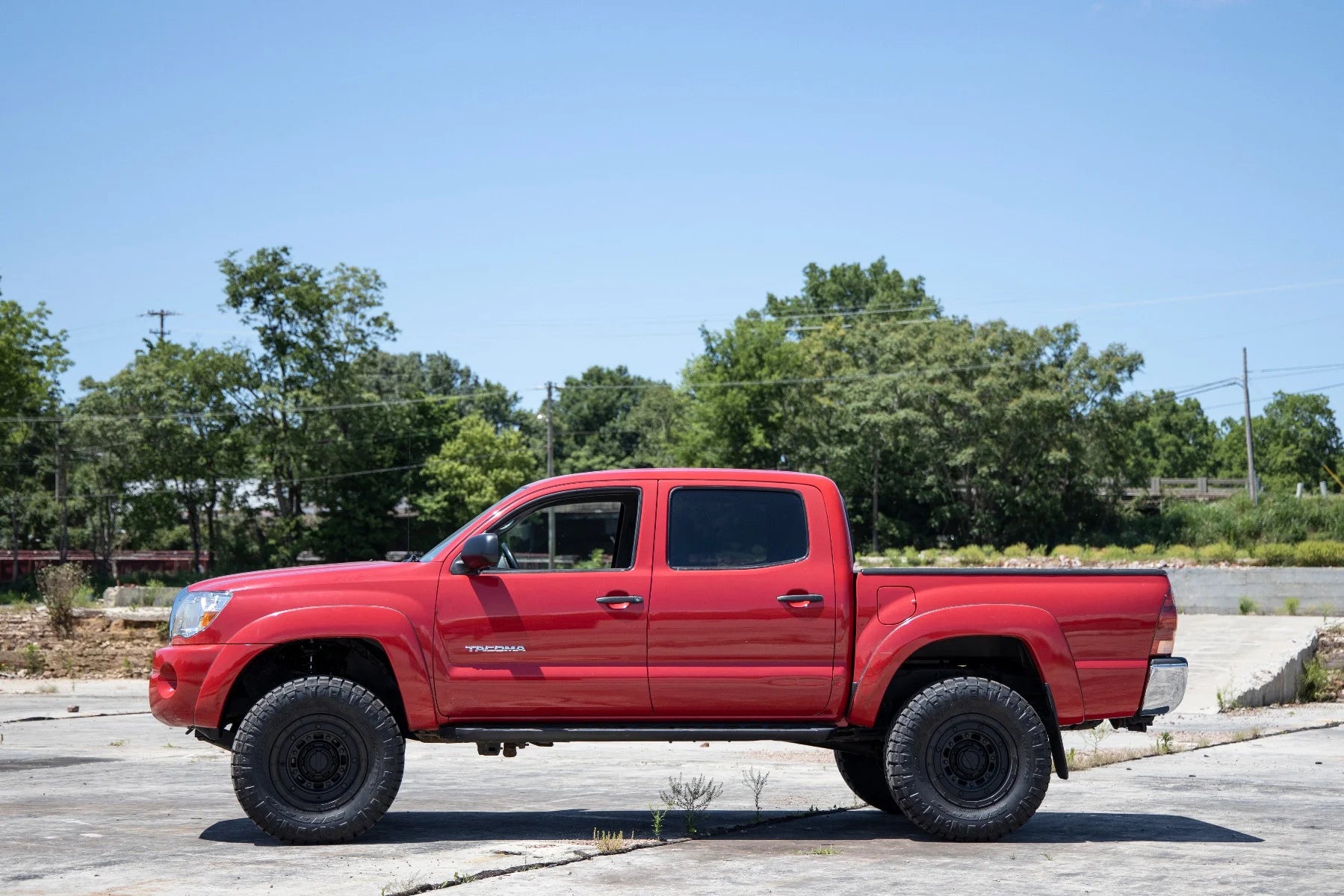
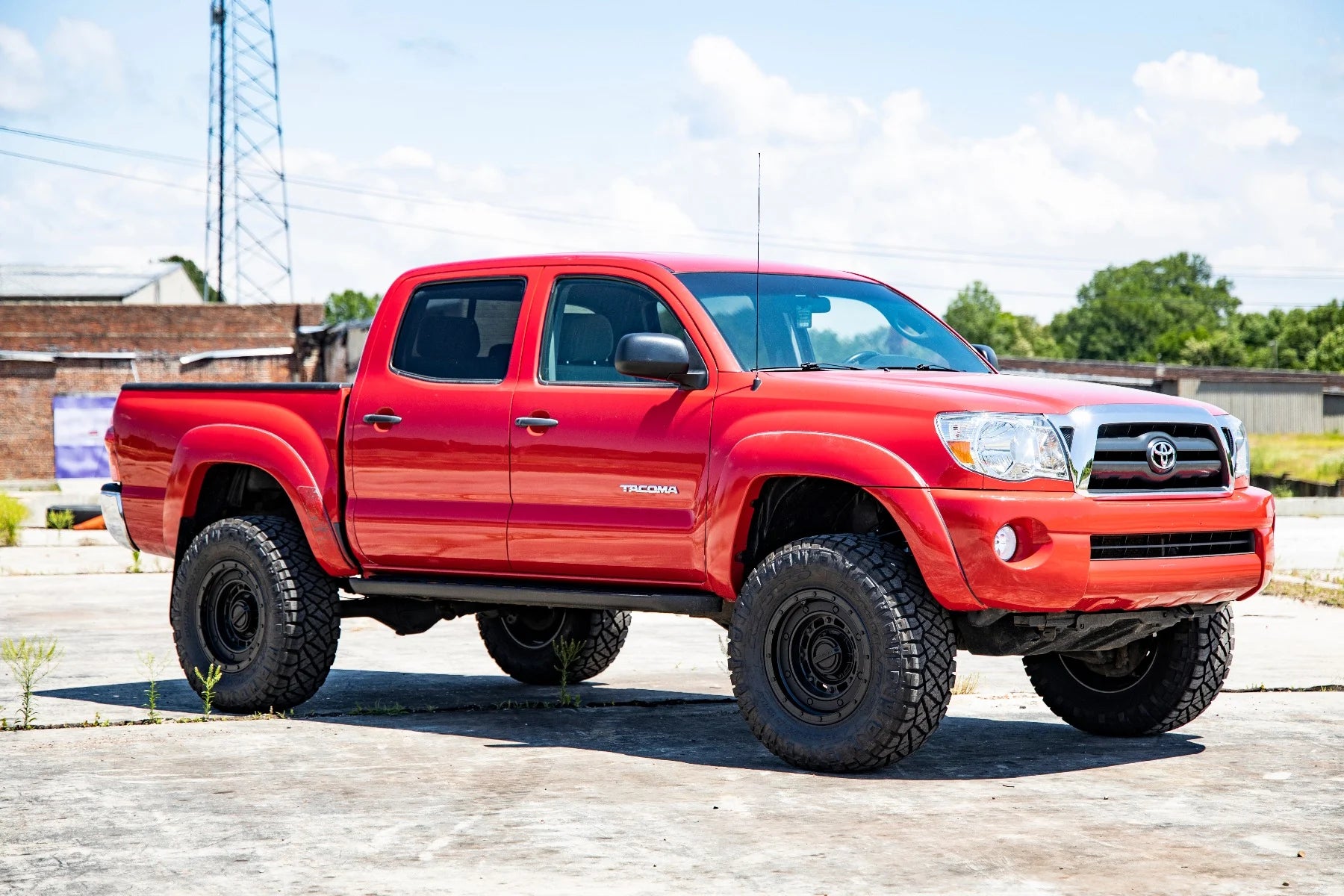
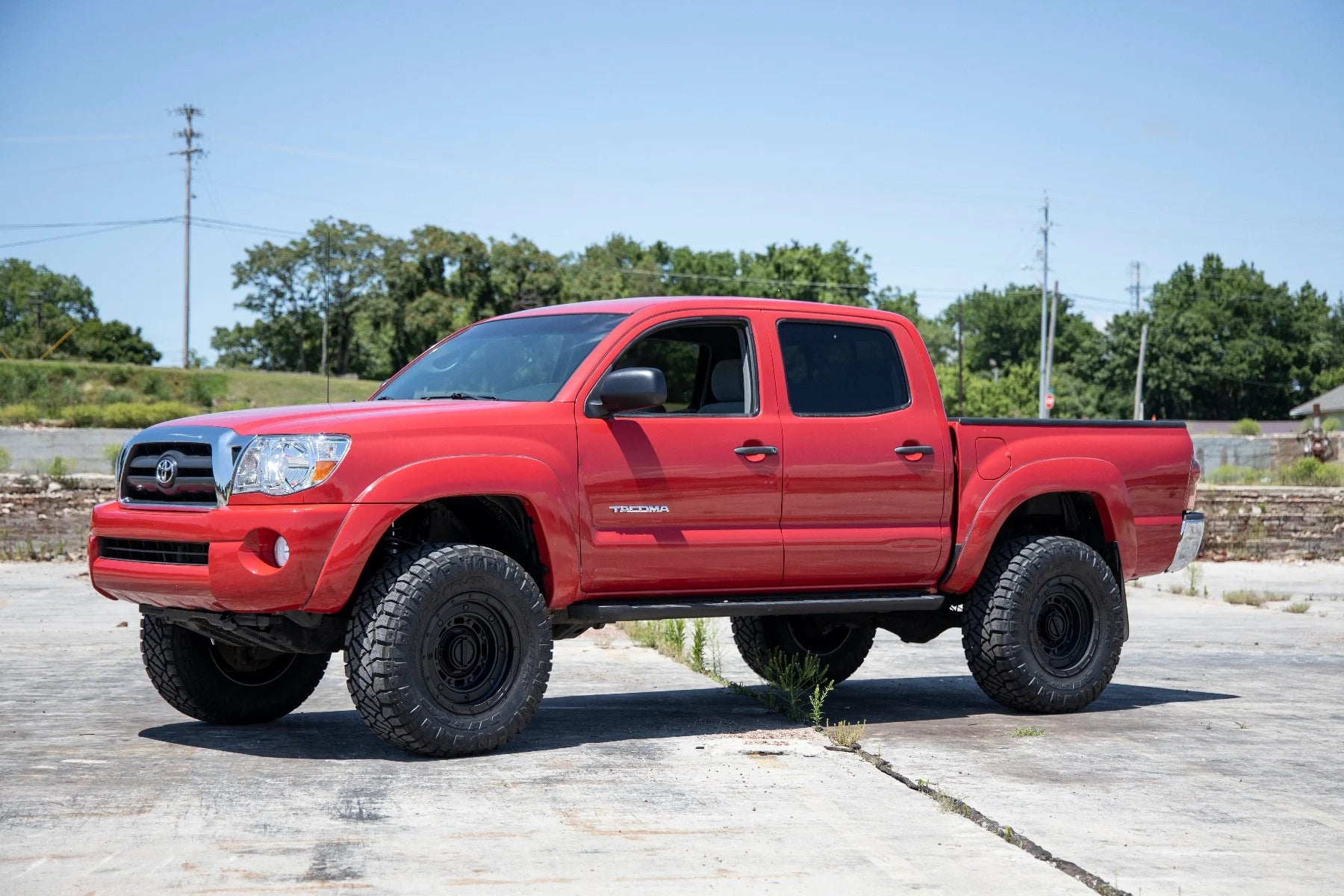
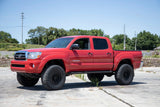
A stock-height SUV with small children may benefit from a low, wide running board. A leveled half-ton pickup may be just right with an oval side step. A truck on a significant suspension lift may need a drop-style step that hangs lower than either a conventional board or a straight tube bar.
Drop steps are worth considering if access is the priority. They place the tread at a more usable height, which can make a lifted truck feel far less awkward on every fuel stop and school run. The trade-off is obvious: the lower the step, the more likely it is to contact obstacles off-road or scrape on sharp terrain.
Before choosing, measure the distance from the ground to the door sill and consider your typical passengers. A setup that feels fine during a two-minute showroom test can be frustrating after several months of hauling kids, loading gear, or climbing in with a bad knee.
Material and Finish Matter in Real Weather
Steel, aluminum, and stainless steel each have a place. Powder-coated steel is common, strong, and often cost-effective, but chips should be addressed before corrosion gets established. Aluminum is lighter and naturally resistant to rust, making it a strong choice for year-round driving. Stainless steel can hold up well and delivers a polished look, though it is not automatically maintenance-free.
Finish affects more than appearance. Glossy polished tubes show water spots and road film quickly. Textured black finishes suit modern truck builds and usually hide minor dirt better, but they still need routine washing. If your vehicle sees coastal air, salted roads, or muddy trails, clean behind and underneath the steps as well as the visible surfaces. Debris trapped at mounting points can create problems that are easy to miss.
Installation Is More Than Bolting on Hardware
Many running boards and side steps use vehicle-specific brackets and factory mounting locations. That is the right starting point because it reduces guesswork and helps ensure the step sits level, clears the doors, and supports the intended load. Universal products can work in certain applications, but vehicle-specific fitment is usually cleaner and more dependable.
Check the listed weight capacity, cab configuration, and fitment for your exact year, make, model, and bed or cab length. A product that fits a crew cab may not fit an extended cab, even when the trucks look nearly identical from a distance. Fender flares, body lifts, aftermarket exhaust, and underbody accessories can also affect clearance.
For powered boards, professional installation is especially worthwhile. The wiring must be routed safely, protected from heat and moving parts, and integrated correctly with the door signals. At Audio Jam, fitment and installation can be handled as part of the same truck upgrade plan, so your steps do not become the one accessory that interferes with the rest of the build.
The Best Choice for Your Build
Choose running boards if your priority is wide, stable access, better lower-door coverage, and an easy experience for every passenger. They are the natural fit for family vehicles, daily drivers, and trucks that need to be practical as often as they need to look good.
Choose side steps if you prefer a more aggressive profile, want to preserve clearance, or are building a truck or Jeep that sees more demanding terrain. Step bars and slider-style options also make sense when rugged appearance and structural protection rank above all-day passenger comfort.
A good step should disappear into your routine: easy to use in the rain, solid under a work boot, and matched to the height and purpose of the vehicle. Pick the one that makes your truck more usable every time the door opens, not just better-looking from the parking lot.