

How to Pick Truck Tires for Your Truck Build

A truck can look right on a new wheel and tire package yet drive worse than it did stock. Tires that are too heavy can soften acceleration and braking. Tires with the wrong load range can ride harsh or feel unstable under a trailer. Knowing how to pick truck tires starts with the job your truck actually does, not just the biggest size that will fit.
Start With How You Use the Truck
Be honest about the miles your truck sees. A daily-driven half-ton that runs Delaware highways, carries family, and occasionally tows a boat needs a different tire than a dedicated trail truck. The right tire is the one that supports your normal driving while still handling the fun stuff.
For mostly street driving, prioritize wet-road traction, road noise, tread life, and predictable steering. A highway-terrain tire is usually the best match. Modern highway tires are far better looking than the basic OEM tires many trucks leave the factory with, and they can handle light work, rain, and occasional dirt roads without turning every commute into a hum.
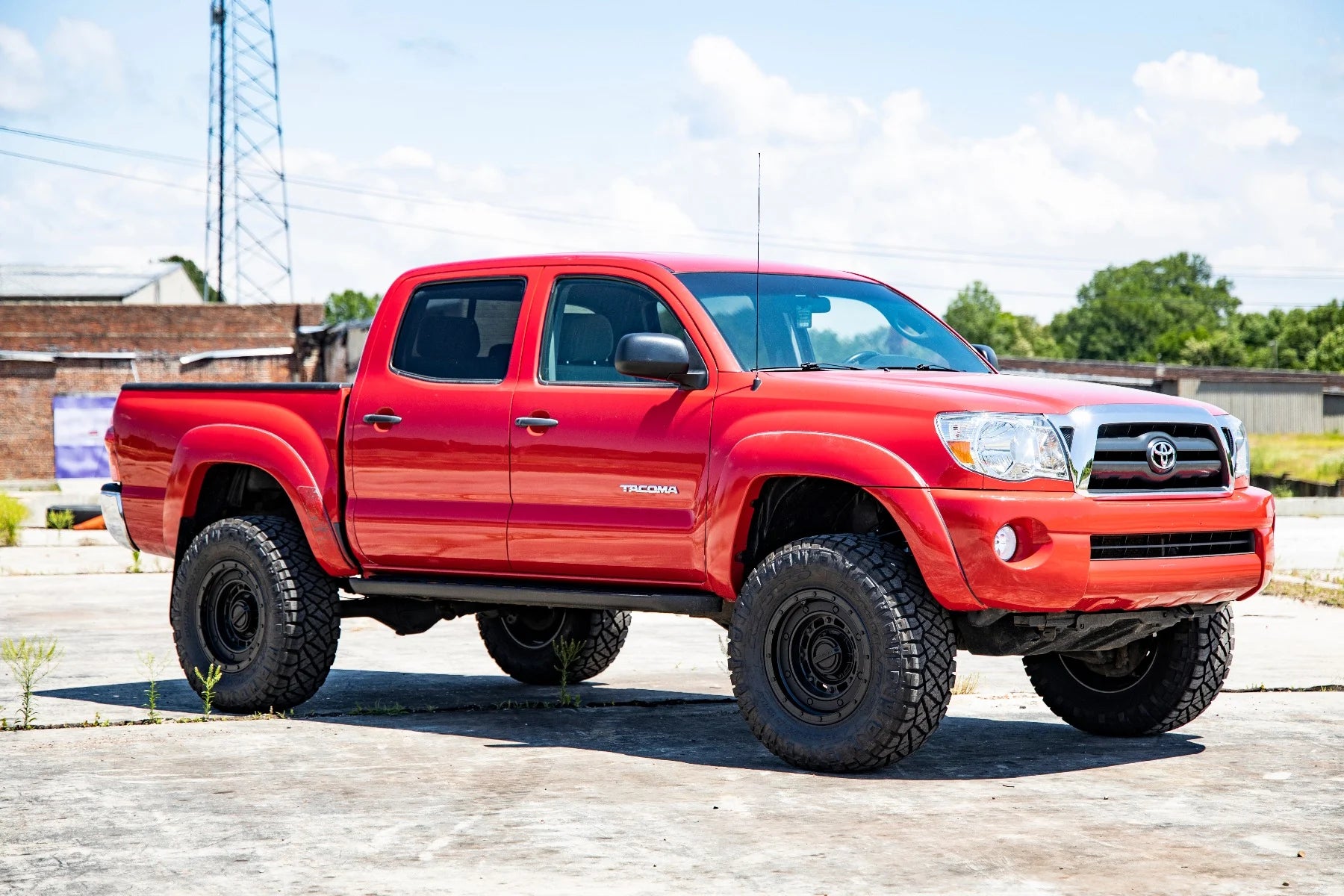
If your truck splits time between pavement, job sites, gravel, campgrounds, and trail access roads, look at an all-terrain tire. This is the sweet spot for many truck and Jeep owners. All-terrains have more open tread, tougher construction, and shoulder styling that gives a truck a more aggressive stance. The trade-off is usually more road noise, more weight, and sometimes less wet-pavement refinement than a highway tire.
Mud-terrain tires are built for drivers who genuinely need deep voids to clear mud, loose soil, and rocks. They make a statement, but that statement comes with compromises. Expect more noise, a firmer feel, quicker wear when driven hard on pavement, and less confidence in heavy rain compared with a quality all-terrain. If your truck rarely leaves asphalt, a mud tire is often more tire than you need.
How to Pick Truck Tires by Size
The number on the sidewall is not just a style choice. It affects clearance, gearing, speedometer accuracy, ride quality, fuel economy, and the amount of work required to make the package fit correctly.
A common truck tire size might read 275/65R18. The first number is tire width in millimeters. The second number is the aspect ratio, which determines sidewall height as a percentage of width. The final number is wheel diameter in inches. A taller sidewall can help absorb rough roads and protect the wheel, while a lower-profile tire can feel more responsive on pavement.
Before moving to a larger diameter, check the entire fitment picture. Tire clearance is not only about whether the truck can sit still without rubbing. A tire may clear the fender at rest but hit the liner, bumper bracket, control arm, or sway bar at full steering lock and suspension compression. Wheel width, backspacing, and offset change where the tire sits, so the same tire size can fit one wheel setup and rub badly on another.
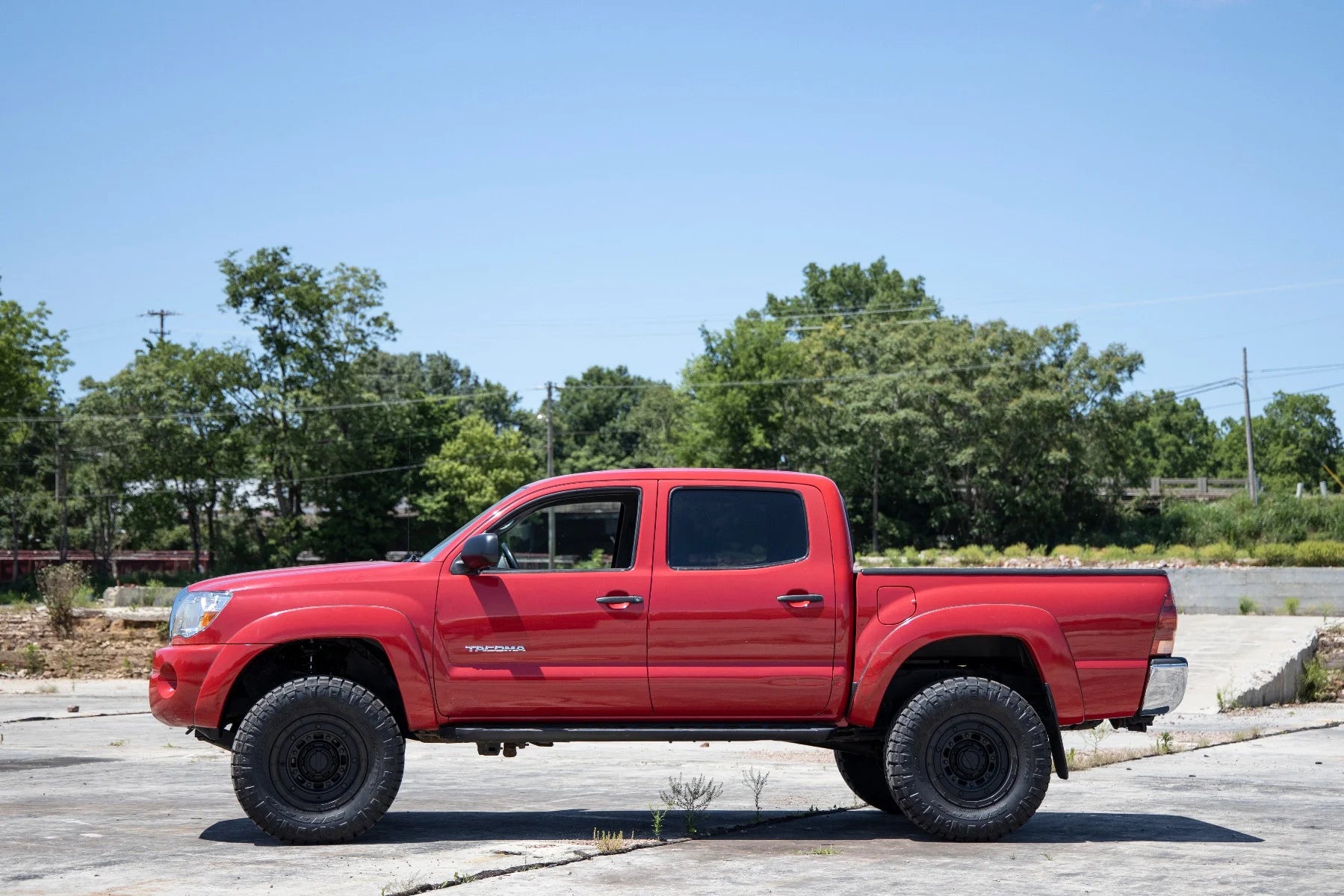
A level kit or lift kit creates more room, but it does not automatically mean every oversized tire will work. Larger tires may still require trimming, different wheel specs, or suspension adjustments. They also add rotating weight, which can affect stopping distance, shift behavior, and power delivery. On some builds, the best-looking and best-driving result is one size below the absolute maximum.
Do Not Forget the Spare
If you install a significantly larger tire, make sure the spare matches closely enough for emergency use. A mismatched spare can create problems on four-wheel-drive trucks, especially when driving any meaningful distance. Also confirm that the full-size spare will physically fit in its factory storage location.
Match Load Rating to the Work
Load rating tells you how much weight a tire is designed to carry at its specified pressure. It matters most for towing, hauling, commercial use, and heavy-duty trucks, but every truck owner should understand it before ordering tires.
Passenger-metric tires, often marked with a P before the size, are common on lighter trucks and SUVs. They generally offer a more comfortable ride and lower weight. Light-truck tires, marked LT, use stronger construction and are commonly available in higher load ranges. They are a smart choice for trucks that regularly tow, haul payload, travel off-road, or run on rough work sites.
Higher load range is not automatically better. An E-load tire may be exactly right for a heavy-duty pickup towing equipment, but it can feel overly stiff on a lightly used half-ton. It can also weigh considerably more than a standard-load or C-load option. The goal is to meet your truck's axle and towing demands without paying for ride quality you do not need to give up.
Check the tire placard on the driver's door jamb for the original size, recommended pressures, and factory load requirements. If you change size or tire type, do not assume the original pressure remains correct. Proper inflation should be based on the tire's load capacity, your vehicle setup, and how the truck is used. Too much pressure can make a truck ride hard and wear the center of the tread. Too little can create heat, poor handling, and shoulder wear.
Choose a Tread for Real Weather
For trucks in Bear, Newark, Wilmington, and the surrounding area, wet traction deserves real attention. Heavy rain, standing water, cold mornings, and occasional snow can expose the weaknesses of an overly aggressive tire. Look for tires with effective water evacuation, strong wet-braking ratings, and a tread compound suited to the temperatures you drive in.
The three-peak mountain snowflake symbol is worth considering if you drive through winter weather or make regular trips north. It indicates a tire has met a defined snow-traction standard. Many all-terrain tires carry this symbol, but not all of them do. A mud-terrain tread can look ready for winter while still being less predictable on packed snow and slush than a snow-rated all-terrain.
Tread life matters, too. A tire with a long mileage warranty may be a good value for a commuter truck, but warranties have conditions. Alignment, rotation intervals, inflation, and use all affect coverage. If your truck has a lift, aftermarket suspension parts, or a lot of added weight from accessories, a proper alignment after installation helps protect the investment.
Pick Wheels and Tires as One Package
Truck wheels are not a separate decision from truck tires. Wheel diameter determines tire options, while width and offset influence clearance, stance, steering feel, and bearing load. A wider wheel can support a wider tire, but stretching or pinching a tire outside its approved wheel-width range is never the move.
Larger-diameter wheels often create a cleaner, more customized look and make room for larger brake components. Smaller wheels leave more sidewall for comfort and off-road durability. For many truck owners, 17-, 18-, or 20-inch wheels offer the strongest blend of tire selection, appearance, and usable sidewall. Going bigger can work, but the available tire becomes shorter unless you also increase the overall diameter, which can make a truck ride firmer and raise the cost of replacement tires.
Think about finish and maintenance as well. Gloss black, machined, bronze, and chrome each change the personality of a build, but off-road use, winter road treatment, and frequent washing should influence the finish you choose. The right setup should look good after months of use, not only on installation day.
Plan for the Supporting Work
A tire upgrade sometimes needs more than mounting and balancing. Larger tires may call for a speedometer recalibration, especially if the diameter change is substantial. Depending on the truck, recalibration can also improve transmission shift points and ensure the odometer is reading accurately.
Consider your brakes, suspension condition, and alignment before adding bigger, heavier tires. Worn ball joints, tired shocks, or an existing alignment issue will not improve with a new wheel package. In fact, the added leverage and weight can make the problem more obvious. For trucks that tow, brake condition and tire pressure monitoring are especially worth checking before the first loaded trip.
The best truck tire setup is not always the tallest, widest, or most aggressive option. It is the setup that clears correctly, carries the load safely, handles the weather, and gives your truck the stance and capability you wanted in the first place. If you want a package checked as a complete fitment instead of guessed from a photo, the Audio Jam team can help match tires, wheels, lift height, and installation details before your truck goes on the rack.