

Best Truck Lift Kit Reviews: Expert Guide 2026

You're probably in the same spot a lot of truck owners hit. You want a better stance, more clearance, or room for a bigger tire, so you start reading truck lift kit reviews. Then the confusion starts. One review says a spacer kit is fine for a daily driver. Another says anything cheap will ruin ride quality. A third focuses on looks and never mentions how the truck behaves in rain, on the highway, or with weight in the bed.
That's the gap that matters. Few drivers regret adding height. They regret buying the wrong kind of lift for how they use the truck. The key question isn't just how high you want the truck to sit. It's how you want it to drive six months later, after the alignment, the tire purchase, the first road trip, and the first time you tow or load it down.
Table of Contents
- Choosing Your Truck's Perfect Stance
- The Four Main Types of Lift Kits Explained
- How to Judge a Lift Kit Beyond Its Height
- Detailed Comparison of Lift Kit Types
- Safety, Alignment, and Long-Term Maintenance Needs
- Finding a Professional Lift Kit Installer
- Answering Your Top Questions About Truck Lifts
Choosing Your Truck's Perfect Stance
A customer usually starts with one simple goal. “I want it to sit right.” Sometimes that means getting rid of factory rake. Sometimes it means fitting a more aggressive tire. Sometimes it means building a truck that won't drag its belly every time it leaves pavement. The problem is that truck lift kit reviews often mix those goals together and treat them like the same build.

The best starting point is brutally practical. Ask what annoys you about the truck right now. Nose-down stance? Tire clearance? Poor approach angle? Rear sag with gear? That answer narrows the kit category faster than any brand ranking. If your truck spends most of its time commuting, chasing a big number just because it looks good in photos usually leads to compromises you feel every day.
A lot of buyers also underestimate the handling side. A technical review from Reaper Off-Road points out that a frequently underexplained question in truck lift kit reviews is the practical tradeoff between ride quality, handling, and safety once the truck is lifted, and that a well-designed system needs to preserve predictable behavior on highways, in rain, or while towing, not just add stance (Reaper Off-Road's lift geometry discussion).
Most owners stop thinking about the “look” after a week. They keep living with steering feel, braking balance, and body roll for years.
If you're still sorting through the basics, this truck accessories and lift kits overview is a good starting point before you compare specific setups. The right stance is the one that still feels right after the novelty wears off.
| Lift Kit Type | Typical Lift | Primary Goal | Installation Difficulty | Impact on Ride Quality | Estimated Cost (Parts Only) |
|---|---|---|---|---|---|
| Leveling Kit | About 2 inches front max | Correct factory rake | Lower | Usually mild when matched properly | Lower |
| Body Lift | 1 to 3 inches | Tire room and appearance | Moderate | Usually limited direct suspension change | Lower |
| Spacer Lift | Varies by application | Budget lift and stance change | Lower to moderate | Can vary widely by design | Lower |
| Suspension Lift | 2 to 10 inches common, with many systems in the 2 to 6+ inch range | Ground clearance, articulation, tire fitment | Higher | Largest effect, good or bad depends on design | Higher |
The Four Main Types of Lift Kits Explained
Start with the job the truck actually does
The four names get thrown around like they're interchangeable. They aren't. Each one changes the truck in a different way, and that difference is what separates a smart build from a frustrating one.

A good shortcut is this. A body lift raises the body away from the frame. A suspension lift changes suspension components to raise the whole vehicle and improve clearance under the chassis. A leveling kit usually lifts the front to remove factory rake. A spacer lift uses spacers as the main method for added height and is often the budget-minded option.
MotorTrend's lift-versus-leveling guide notes that consumer-facing reviews consistently tie performance to lift height. It says leveling kits usually provide a maximum of about 2 inches of front lift, full lift kits commonly range from 2 to 10 inches and are often associated with 35- to 40-inch tires, and body lifts typically fall in the 1 to 3-inch range (MotorTrend lift and leveling guide).
What separates these four categories
A body lift is the least invasive way to create a taller visual stance and extra tire room without directly changing suspension geometry. That can be useful for someone who wants a modest height increase and doesn't need serious off-road suspension performance. The limit is obvious. You gain appearance and some clearance for tires, but you don't gain the suspension travel or undercarriage improvement people often assume they're buying.
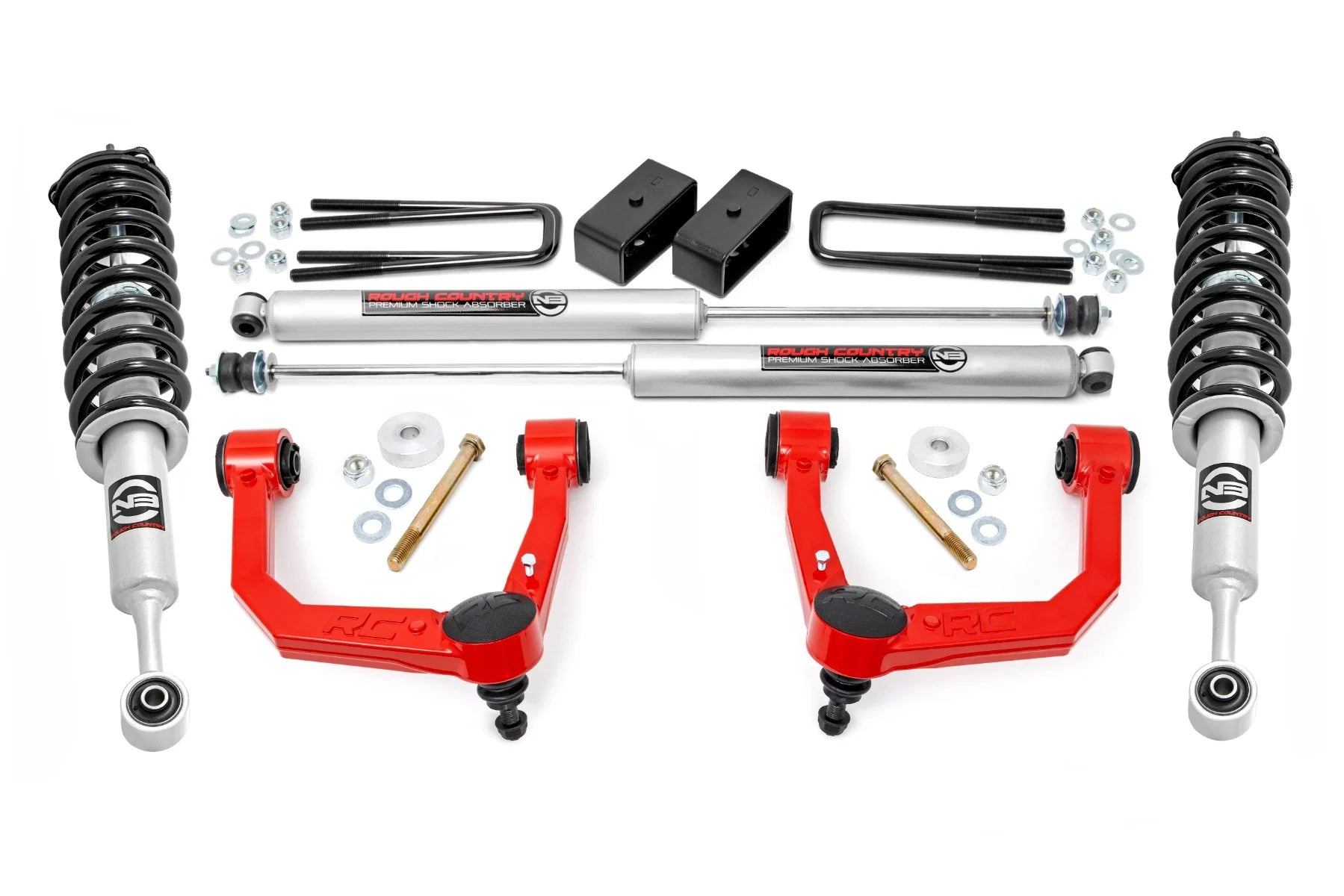
A suspension lift is the primary structural change. It may include new control arms, springs, shocks, brackets, links, and hardware designed around the new ride height. This is the category for serious trail use, larger tires, and trucks that need ample clearance. It's also where cheap engineering gets exposed fastest.
A leveling kit is the everyday answer for a lot of owners. Most trucks leave the factory with the rear sitting higher than the front. That helps when the bed is loaded, but unloaded it gives the truck a nose-down look. A leveling kit corrects that stance without turning the truck into something it isn't.
A spacer lift overlaps with leveling kits in some applications, but the key idea is cost control. Spacers can get the truck up in the air without replacing as many factory parts. Sometimes that's fine. Sometimes it's the beginning of a compromise stack, where the owner adds height first and then chases ride problems later.
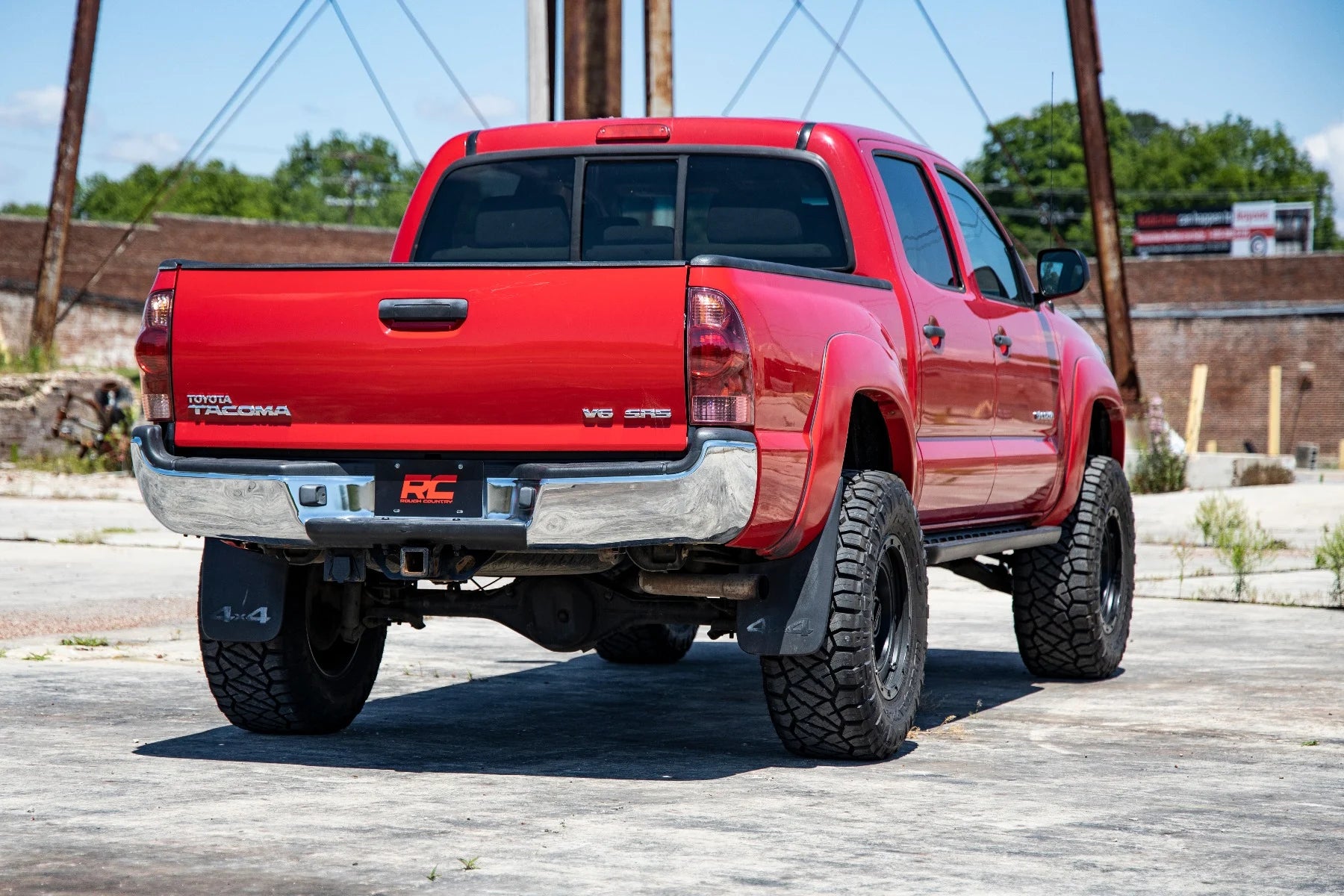
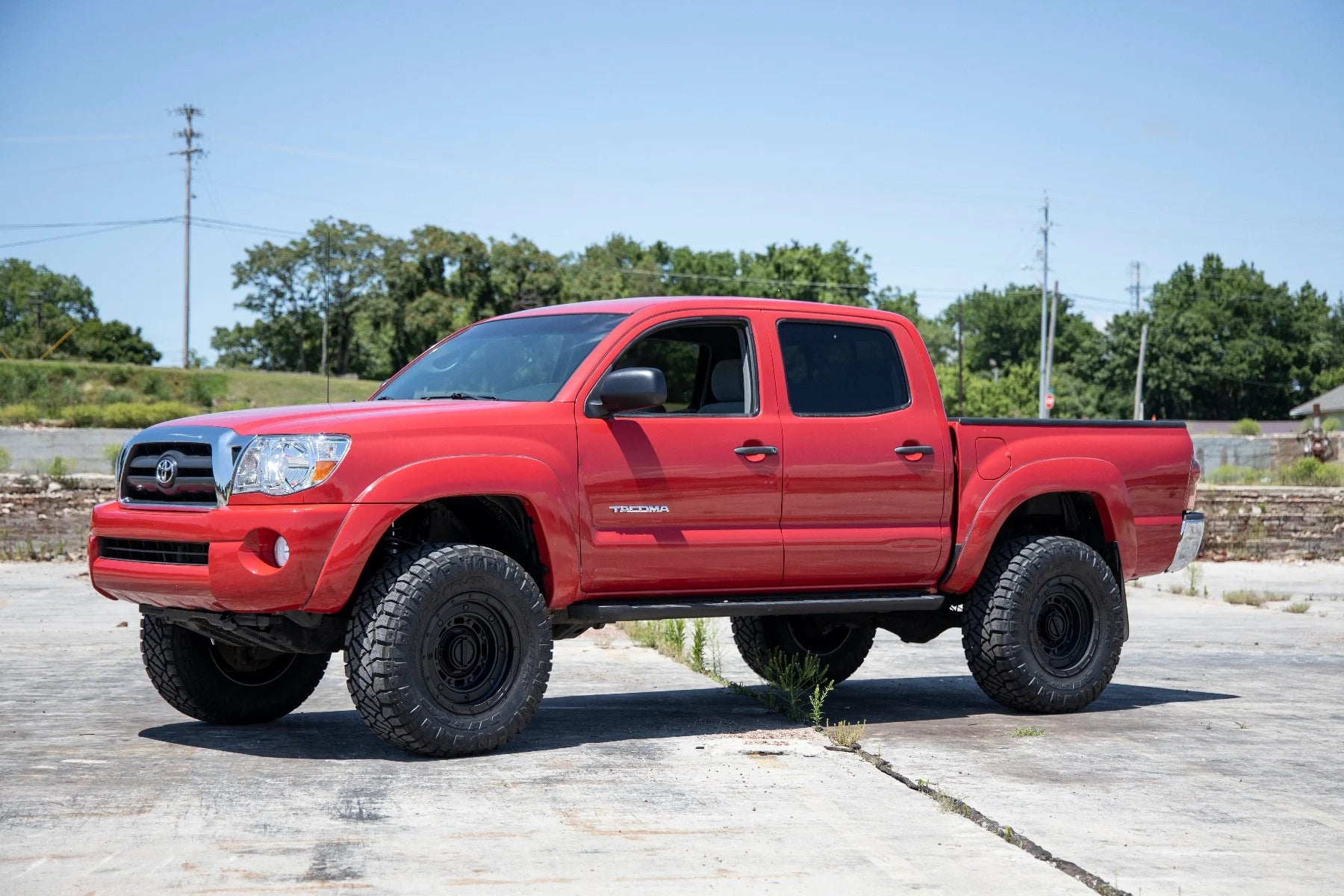
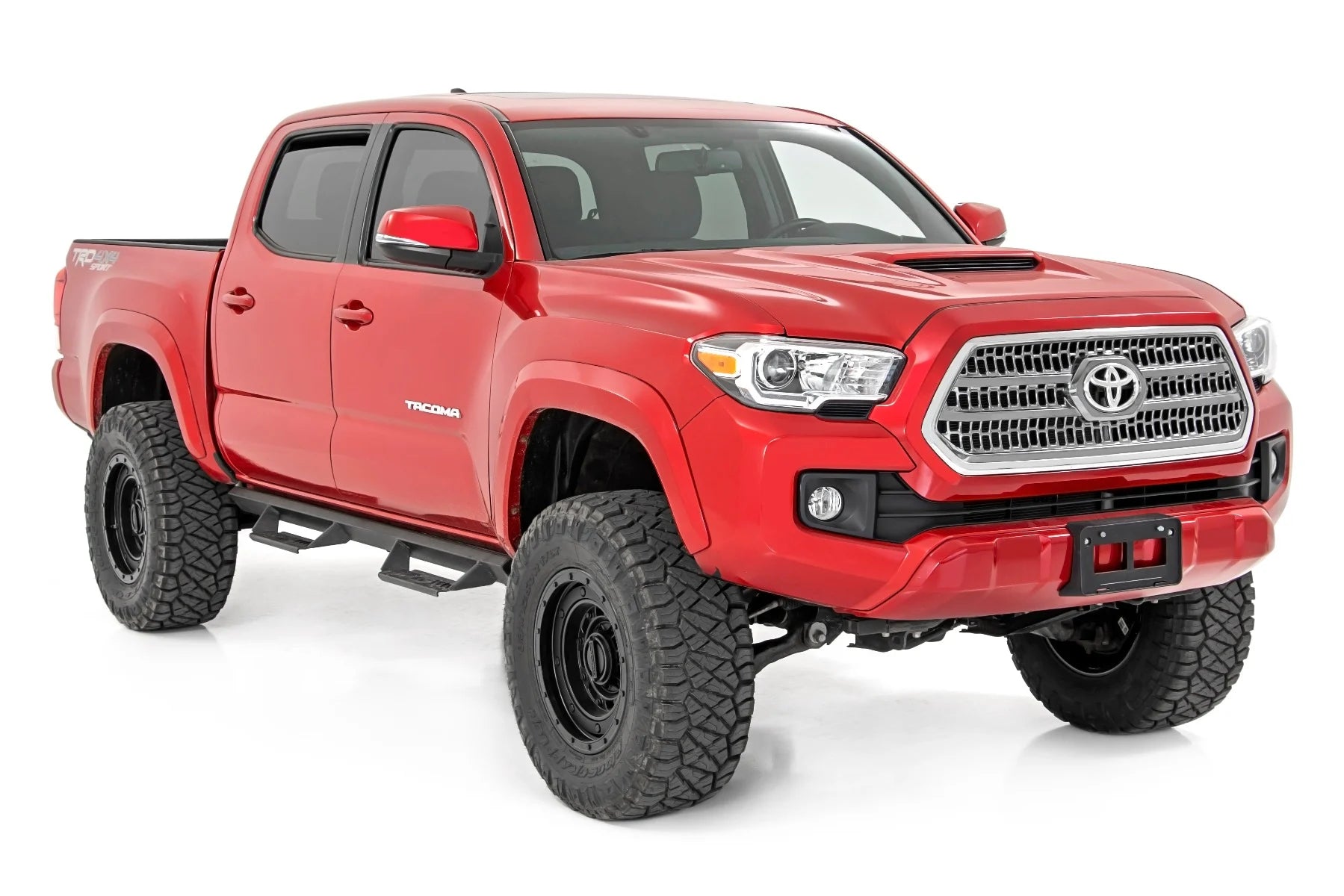
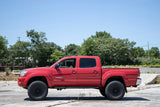
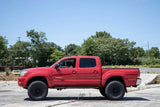
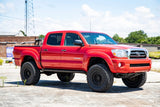
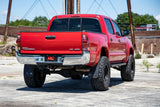
Here's a quick visual if you want to see the categories side by side:
Practical rule: If your goal is mostly stance, keep the solution small. If your goal is clearance and control off-road, buy a system built around suspension geometry, not just height.
How to Judge a Lift Kit Beyond Its Height
The market is crowded, and that's not changing anytime soon. One independent market report valued the global suspension lift kit market at $12.87 billion in 2025 and projected 6.68% CAGR from 2025 to 2033, with North America expected to lead demand. The same report estimated the market at over 10 million units in 2025, rising to over 15 million units by 2033 (Data Insights Market suspension lift kit report). More options sound good until you realize that more options also mean more mediocre kits, more mismatched packages, and more reviews that never address long-term ownership.
Fitment comes before brand loyalty
A lift kit should match the exact truck, trim, drivetrain, and intended use. Not “close enough.” Not “same generation.” Exact fitment. Spring rate, shock valving, control arm angle, and available correction parts matter more than online hype.
Look for these details in truck lift kit reviews:
- Vehicle-specific fitment: Reviews should identify the exact platform, not just a broad model family.
- Loaded vs unloaded use: A truck that tows, carries tools, or hauls camping gear needs a different setup than a pavement-only commuter.
- Included correction parts: Good reviews tell you whether the kit accounts for geometry, not just height.
- Tire and wheel context: Bigger tires change the outcome. A review without wheel and tire context leaves out half the story.
What good reviews actually reveal
A useful review talks about behavior, not just appearance. It should answer whether the truck tracks straight, whether braking feels normal, whether steering returns cleanly after a turn, and whether the rear stays composed over broken pavement. Those are the signs of a properly sorted lift.
I also pay close attention to material durability, warranty clarity, and installation complexity. Cheap hardware and thin coatings usually reveal themselves later through noise, corrosion, seized adjustment points, or repeated alignment complaints. By then, the low entry price doesn't look cheap anymore.
A simple buying filter helps:
- Read for real use, not brand fandom. Reviews from owners who daily drive, tow, or run bad roads tend to be more useful than pure stance builds.
- Separate parts cost from ownership cost. A lower kit price can still lead to extra spending on alignment work, upgraded shocks, replacement tires, and troubleshooting.
- Treat “rides great” as incomplete. If a reviewer can't explain what improved or worsened, the review isn't telling you enough.
A lift kit isn't one purchase. It's the start of a suspension relationship. If the design is weak, the truck keeps billing you for it.
Detailed Comparison of Lift Kit Types
Choosing between lift types gets easier when you stop asking which one is “best” and start asking which one wastes the least money for your use case. A daily driver that occasionally sees dirt roads needs a different answer than a trail truck or a loaded overland-style build. That's where many truck lift kit reviews fall short. They judge every kit by the same standard.
For a broader look at common off-road setups, this off-road truck lift kits guide can help you compare goals before you buy parts.
Where body lifts still make sense
Body lifts have a narrow but valid lane. Freedom Off-Road notes that body lifts typically add 1 to 3 inches and are cheaper and easier to install than full suspension systems, while suspension lifts commonly add 2 to 6+ inches and often require related upgrades (Freedom Off-Road lift kit tradeoff overview).
That makes body lifts useful for owners who want a mild visual change and room for a somewhat larger tire without rebuilding suspension. What they don't do is improve suspension travel, articulation, or underbody clearance the way many first-time buyers expect. If the review you're reading talks like a body lift transforms trail performance, that review is overselling it.
When a suspension lift earns its cost
A proper suspension lift is the right answer when the truck needs actual chassis clearance, better control off-road, or enough room to run a larger tire without forcing the rest of the system to cope. This is also where the total cost rises fast. Freedom Off-Road also notes a 1 to 3 MPG fuel-economy penalty from taller, heavier setups with larger tires and higher drag on some builds, which is exactly the kind of ownership detail shoppers should factor in before they commit to a tall setup.
The big win is capability. The big risk is overbuilding. If the truck mostly sees commuting, parking garages, wet highways, and weekend errands, a tall suspension kit can solve a problem you don't really have while adding ones you didn't ask for.
Why leveling kits stay popular
Leveling kits remain popular because they fix a visible issue without changing the whole truck's personality. That's why they're often the smartest option for owners who want a cleaner stance and a little more front-end clearance but still need the truck to behave like stock in daily use.
A good example is the 1060 0.75 Inch Leveling Kit for Jeep Grand Cherokee WJ (1999 to 2004). It's a small correction, not a dramatic transformation. That's the point. It's designed to reduce factory rake while preserving everyday drivability, which is often the best move when the owner wants balance instead of bragging rights.
| Kit Type | Typical Lift | Primary Goal | Installation Difficulty | Impact on Ride Quality | Estimated Cost (Parts Only) |
|---|---|---|---|---|---|
| Body Lift | 1 to 3 inches | Stance and tire room | Moderate | Usually minimal direct change, but overall vehicle feel still changes with tires and height | Lower |
| Suspension Lift | 2 to 6+ inches common | Clearance and off-road performance | Higher | Most noticeable change, depends heavily on design and tuning | Higher |
| Leveling Kit | About 2 inches front max, or smaller application-specific changes | Remove rake and improve stance | Lower to moderate | Usually the least disruptive when matched correctly | Lower |
| Spacer Lift | Varies by design | Budget height increase | Lower to moderate | Can be acceptable, but quality varies widely | Lower |
If you want the short version, body lifts are selective tools, suspension lifts are commitment, and leveling kits are often the most sensible answer for a daily-driven truck.
Safety, Alignment, and Long-Term Maintenance Needs
The install day is the exciting part. The next year is the part that proves whether the lift was done right.
A lifted truck carries its weight differently, reacts differently in quick maneuvers, and puts new stress into steering and suspension angles. That's why long-term ownership matters more than unboxing photos. One owner reported nearly 102,000 miles on a specific Rough Country setup with no failures, but that kind of mileage-based evidence is rare in mainstream lift-kit content (long-term lift kit owner video).

What changes after the install
Alignment is the initial essential step. Not “soon.” Immediately after installation. If the truck doesn't get aligned properly, tire wear and vague steering usually show up fast. Owners often blame the kit when the actual problem is that the truck never got dialed in correctly after the geometry changed.
The second issue is expectations. A truck can sit higher and still drive badly. Steering wander, brake dive, extra body roll, and uneven tire wear aren't little annoyances. They're warning signs that something in the setup, install, or follow-up service wasn't handled properly.
If a shop installs a lift and sends the truck out without a clear post-install maintenance plan, the job is only half done.
Maintenance items owners usually miss
Lifted trucks need follow-up checks. Hardware should be re-torqued. Bushings, ball joints, tie-rod ends, and shocks need regular inspection. Tires need to be watched for edge wear and rotated on schedule. None of that is dramatic, but skipping it is how a decent lift becomes an expensive one.
A few practical ownership habits matter:
- Schedule re-checks: Freshly installed components settle. Fasteners and alignment settings should be verified.
- Watch tire wear early: Uneven wear is one of the first signs that the truck isn't tracking correctly.
- Listen for new noise: Clunks, pops, and vibration rarely fix themselves.
- Budget for related parts: Alignment service, tire replacement, and worn steering or suspension components can raise the overall cost over time.
If you're budgeting the project, include installation and follow-up work from the start. This lift kit installation cost overview is worth reading before you decide that the cheapest parts are the cheapest path.
Finding a Professional Lift Kit Installer
A lift kit installer should do more than bolt on parts. The right shop checks ride height, geometry, clearances, hardware torque, and post-install drivability. That matters on any build, but it matters even more when the truck works for a living or carries weight regularly.
Questions that separate a real suspension shop from a parts swapper
If the truck hauls a camper, tools, or heavy gear, install quality becomes critical. WAAG 4x4 notes that heavy-duty lift kits are built for high static loads, often in the 2,500 to 5,000 lb range, and require expert tuning to avoid sag and handling degradation under payload (WAAG 4x4 heavy-duty lift kit guidance). That's not a cosmetic job.

Ask direct questions before you book:
- What platforms do you install most often? Repetition matters with suspension work.
- Do you account for the truck's real use? Daily driving, towing, and off-road use need different decisions.
- What happens after install day? A solid shop talks about alignment, re-torque checks, and follow-up inspection.
- Will you discuss tire and wheel fitment together with the lift? Those choices affect the final result as much as the kit itself.
Where local owners can get help
For Delaware-area drivers, Audio Jam Inc in Bear is one local option for lift kit, wheel, and tire installation work on trucks, Jeeps, and off-road vehicles. That kind of shop is useful when you want the parts choice and the install plan handled together instead of piecing the project out across multiple places.
The best installer won't just ask how high you want the truck. They'll ask what you carry, where you drive, what tire you plan to run, and what compromises you won't accept.
Answering Your Top Questions About Truck Lifts
Will a lift kit ruin daily drivability
It can, if the height and kit design don't match the way you use the truck. A smaller, well-matched leveling kit or mild suspension setup usually preserves day-to-day comfort better than an oversized lift chosen mainly for appearance.
Is the cheapest kit always a bad idea
Not always. But cheap kits become expensive when they leave out the parts needed to keep geometry, ride quality, and alignment under control. Low parts cost and low ownership cost aren't the same thing.
Do I need bigger tires after a lift
No. Many owners choose bigger tires because the truck has room for them, not because the lift requires them. The mistake is lifting the truck and then choosing tires without thinking about gearing, ride feel, braking, and fuel use.
Can I install one myself
Some owners can handle simple kits. The risk isn't just getting the parts on the truck. The risk is whether the truck drives correctly afterward. If you're not comfortable evaluating steering, clearances, torque, and post-install issues, professional installation is the safer choice.
What should I care about most in truck lift kit reviews
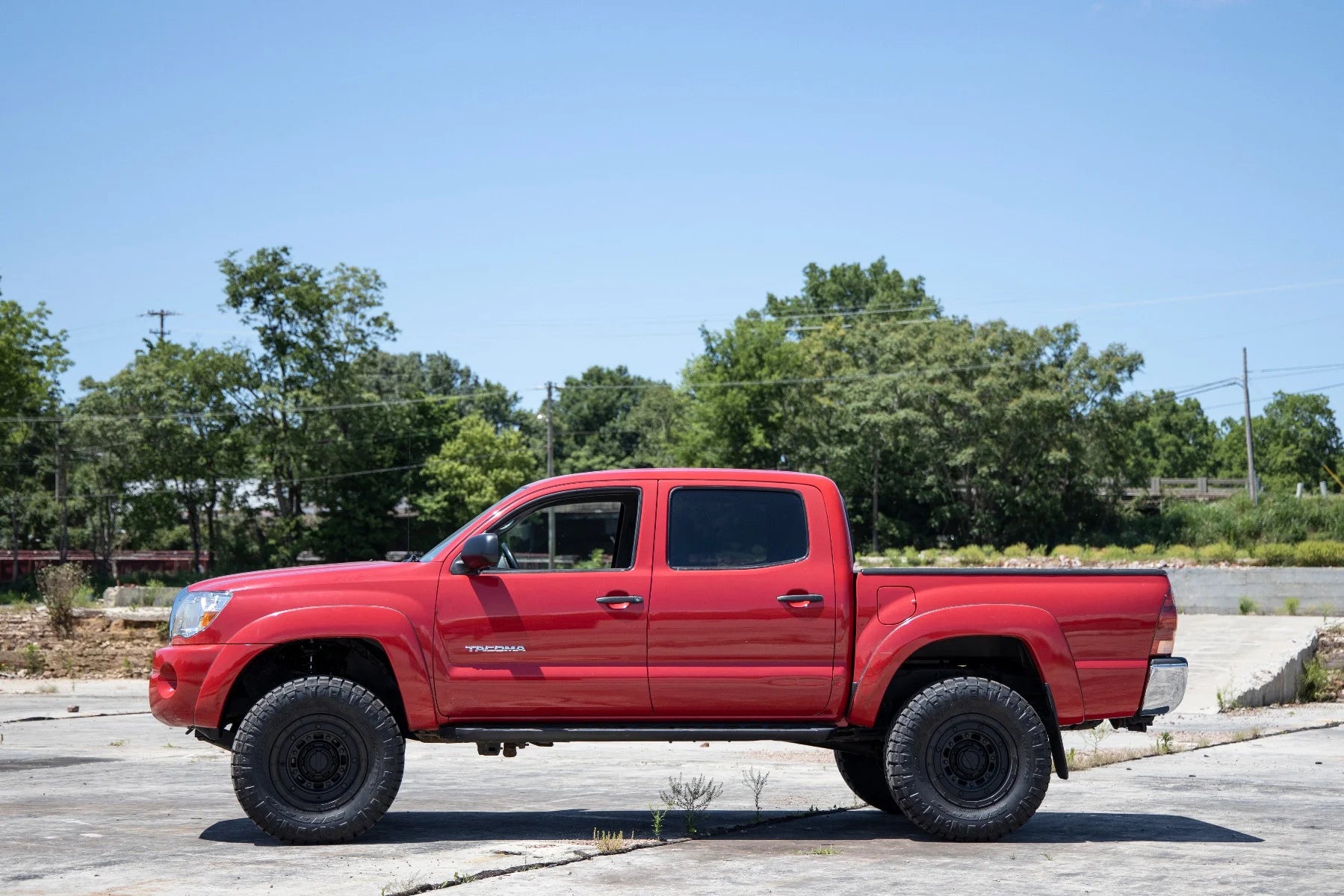
Look for reviews that discuss daily behavior. Steering feel, alignment stability, braking confidence, ride quality over rough roads, and long-term upkeep tell you more than a parked side-profile photo ever will.
If you're planning a lift and want help sorting through the trade-offs before you buy parts, Audio Jam Inc can help with vehicle-specific options for trucks, Jeeps, wheels, tires, and installation services so the final setup fits how you drive.