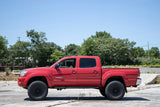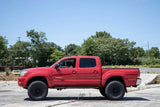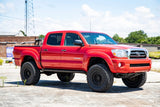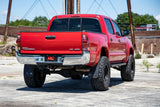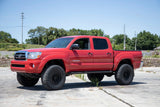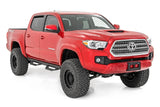


Your 2026 Guide to Off Road Truck Lift Kits

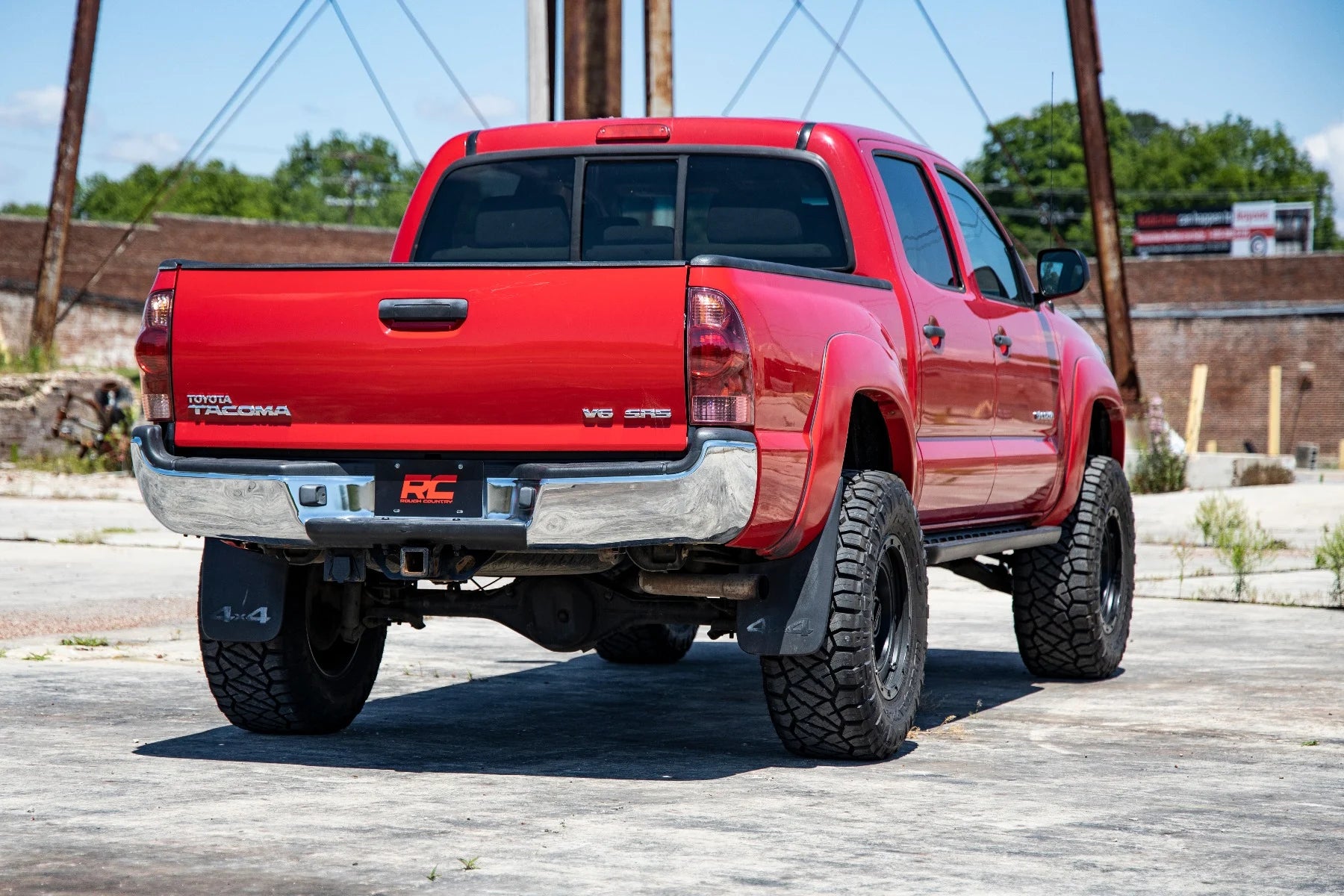
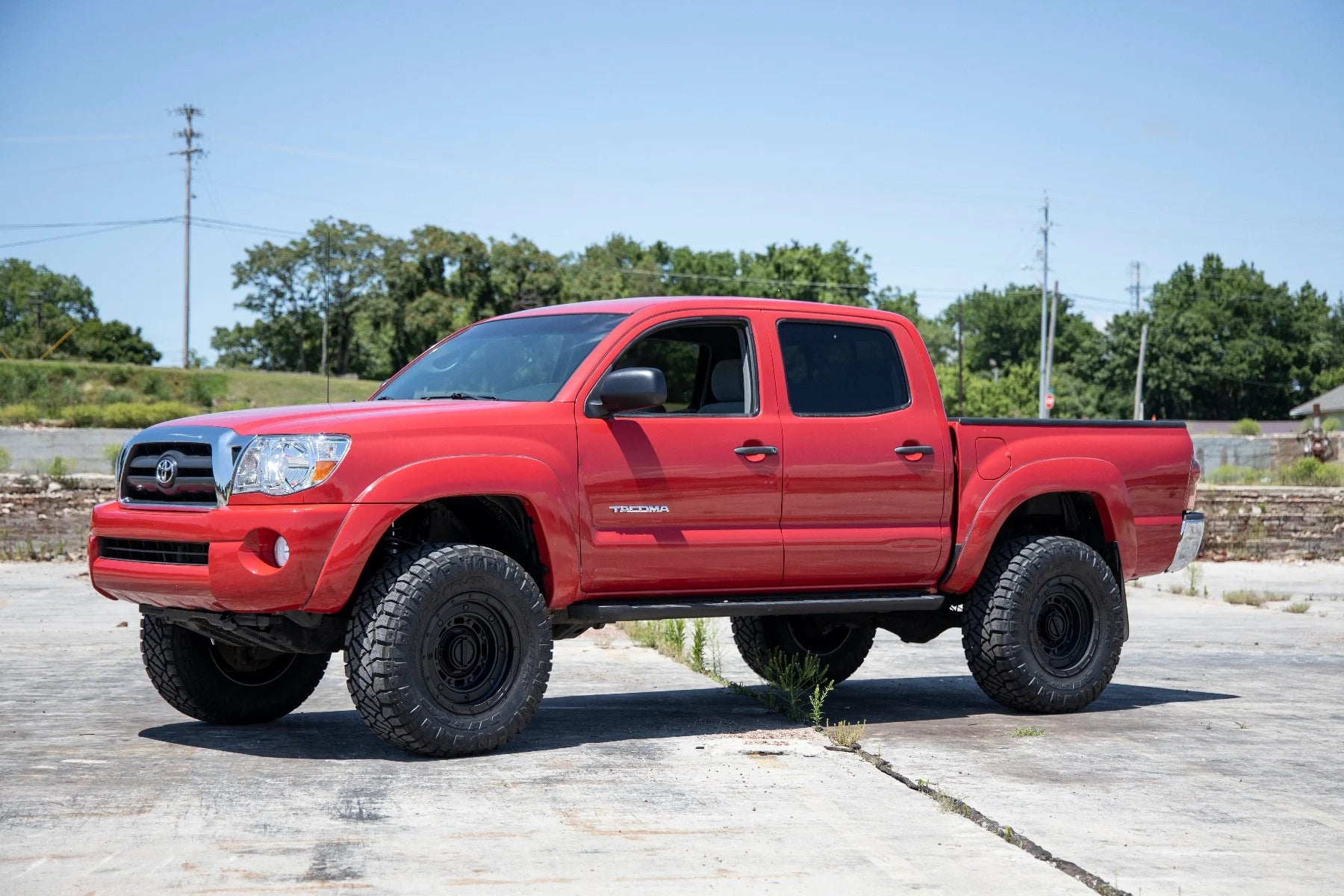
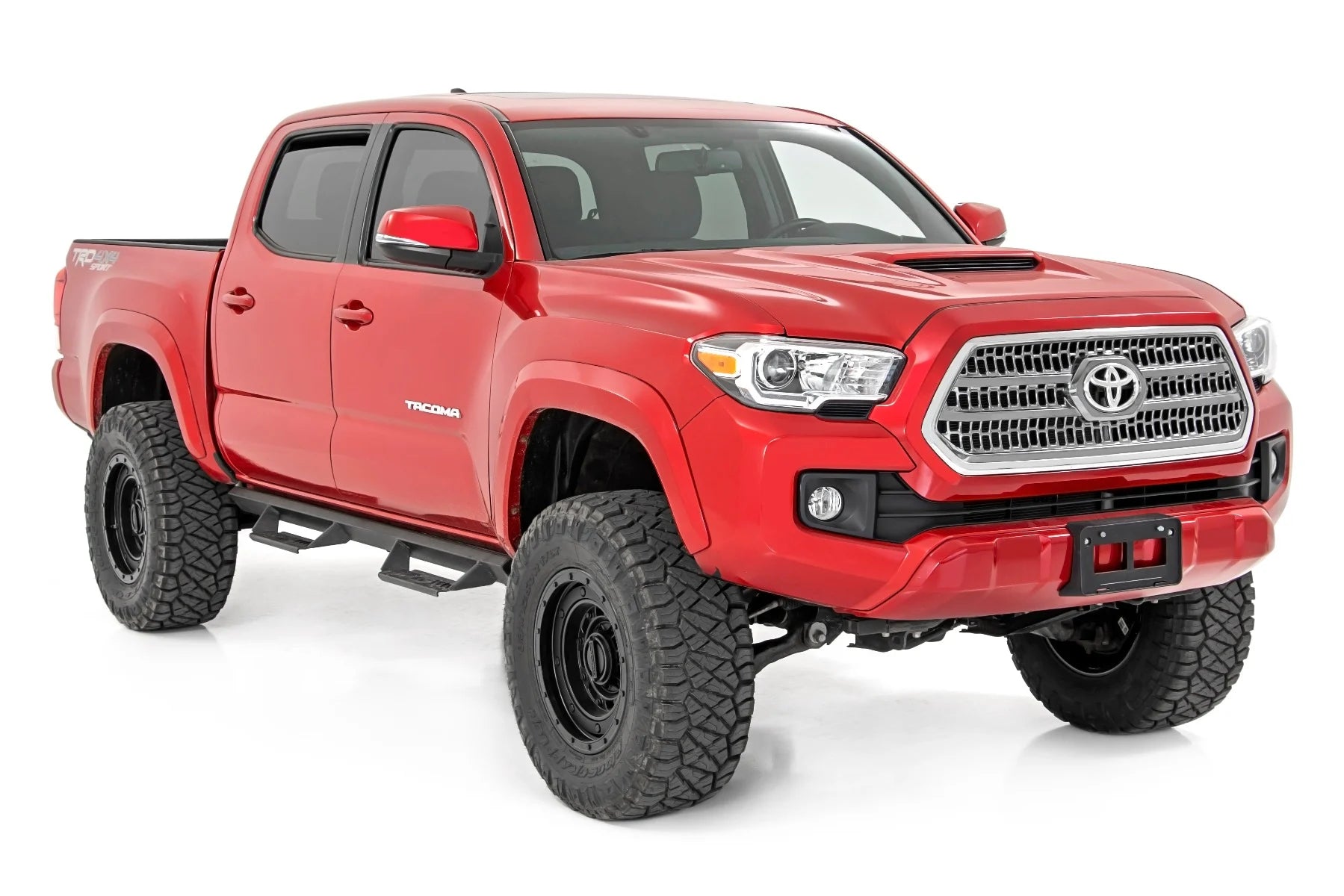
If you've ever seen a massive truck crawling over rocks on a tough trail and thought, "How do they do that?", the answer usually starts with a lift kit. Off-road truck lift kits are far more than just a way to make your truck look tougher; they're serious functional upgrades that give you the ground clearance, suspension flex, and room for bigger tires needed to truly own the trail. This is where you begin the journey of transforming your stock truck into a seriously capable off-road machine.
Table of Contents
- Lifting Your Ride for a Better Off-Road Experience
- Body Lifts vs. Suspension Lifts: Which Is Right for You?
- Matching Your Lift with the Right Wheels and Tires
- Understanding the True Cost of Lifting Your Truck
- Bringing Your Ultimate Truck Build to Life
- Frequently Asked Questions About Lift Kits
Lifting Your Ride for a Better Off-Road Experience
We're going to skip the overly technical mumbo-jumbo and get straight to what matters: the real-world performance benefits. A properly lifted truck doesn’t just get a more aggressive stance; it unlocks a whole new level of capability that your factory setup simply can't deliver.

This guide will walk you through everything a truck or Jeep owner needs to know. It's all about helping you make the right choice, whether you're a seasoned pro planning your next build or just getting started.
Building Your Foundation for Adventure
Think of an off-road truck lift kit as the cornerstone of your vehicle's transformation. The most obvious and immediate change is the added ground clearance—the space between the ground and the lowest-hanging parts of your truck's frame, like the differential. More clearance means you can roll over rocks, logs, and deep ruts without tearing up your undercarriage.
But a quality lift kit does so much more. You'll also gain:
- Improved Angles: Better approach, departure, and breakover angles let you tackle steeper hills and drops without smacking your bumpers or getting hung up in the middle.
- Room for Bigger Tires: Lifting your truck is the only way to create the space needed for those large, aggressive off-road tires that give you superior grip and help smooth out the ride over obstacles.
- Enhanced Suspension Articulation: This is a big one. A good suspension lift gives your wheels more room to travel up and down, which is key to keeping all four tires on the ground over uneven terrain for maximum traction and stability.
A lift kit isn't just about adding height—it's about adding capability. It turns your daily driver into a purpose-built machine that’s ready for whatever adventure you have in mind.
By the time you finish this guide, you’ll have the knowledge to pick the right setup for your truck, understand the total cost, and know exactly how to pair your new lift with the perfect set of wheels and tires.
Body Lifts vs. Suspension Lifts: Which Is Right for You?
So, you’ve decided to lift your truck. Welcome to your first big decision: are you going with a body lift or a suspension lift? The path you choose here will define what your truck can do, where it can go, and how it gets there.
Think of it like this: a body lift is like slipping a thicker insole into your boot to stand a little taller. A suspension lift, on the other hand, is like getting entirely new, longer legs to step over bigger obstacles. One gives you a bit of height, while the other fundamentally changes your capability.
A body lift is the most straightforward and budget-friendly way to get a lifted look. It uses a set of high-grade nylon or polyurethane spacers to physically raise your truck's cab and bed up and away from its frame.
The key here is that nothing about your factory suspension changes. Your ride quality and handling will feel almost exactly the same as they did before. The main payoff is gaining clearance in your wheel wells for slightly larger tires and achieving that aggressive, lifted stance without a major overhaul.
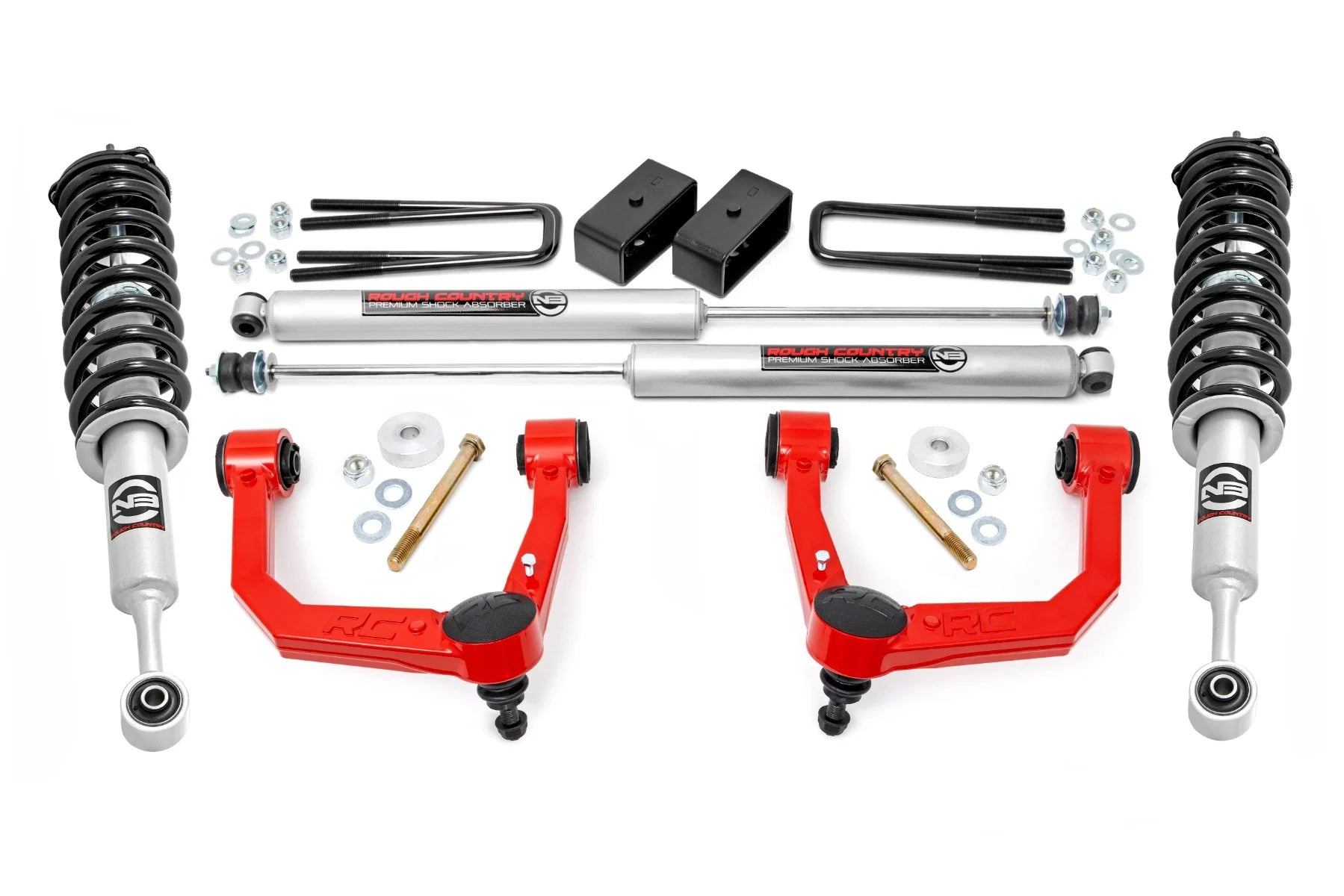
A suspension lift is a whole different ballgame. This is a much more involved modification where we replace or alter core suspension components—we’re talking new springs, shocks, control arms, and more—to raise the entire chassis.
This is the only way to truly increase your ground clearance, which is the space between the ground and your truck’s underbelly (including the frame and differentials). For anyone serious about off-roading, this is a non-negotiable.
Comparing Core Functionality
The fundamental difference comes down to what part of the truck you’re actually lifting. A body lift only raises the body, leaving the frame and all your running gear at their original height. While this makes room for bigger tires, your axles are still just as close to that rock on the trail as they were before.
A suspension lift raises everything. By lifting the frame itself, you increase the distance between your truck's critical components and the terrain. This is what delivers a massive boost in off-road performance, drastically improving your approach, departure, and breakover angles. It lets you crawl over ruts and rocks that would stop a stock truck dead in its tracks.
Body lifts are a great way to get a cosmetic boost and some extra tire clearance, but a suspension lift is what delivers real-world performance gains by increasing ground clearance and wheel articulation for taking on rugged terrain.
Performance and Practical Considerations
The evolution of off-road truck lift kits really hinges on this distinction. Years ago, lift modifications were often crude, homemade jobs. But as off-roading grew, the market split into these two clear categories to serve very different goals. Suspension lifts quickly became the gold standard for drivers wanting to fit massive tires and gain a true performance advantage on the trail.
Of course, there are always trade-offs. Raising your truck’s center of gravity—with either type of lift—will change how it handles on the pavement. This is a reality that has shaped the lift kit market for decades, and it's an important factor to consider. You can explore more about the pros and cons of lifted trucks on KBB.com.
So, which one is for you? Let's break down the two main choices in a quick comparison.
Body Lift vs. Suspension Lift at a Glance
This table gives you a quick snapshot of how these two lift methods stack up against each other. Use it to help decide which approach best fits your budget, goals, and how you plan to use your truck.
| Feature | Body Lift Kit | Suspension Lift Kit |
|---|---|---|
| Primary Goal | Cosmetic height and minor tire clearance | Maximum ground clearance and off-road performance |
| Cost | Lower (typically a few hundred dollars plus installation) | Higher (can range from hundreds to several thousand dollars) |
| Installation | Simpler; spacers are installed between body and frame | Complex; replaces shocks, springs, control arms, and other components |
| Ground Clearance | No change to frame or differential clearance | Significant increase in frame and differential clearance |
| Tire Size | Allows for a modest increase (e.g., 1-2 inches larger) | Allows for a major increase (often 3-5+ inches larger) |
| Ride & Handling | Factory ride quality is preserved | Can improve off-road ride but may alter on-road handling |
| Center of Gravity | Raised slightly | Raised significantly, impacting on-road stability more |
Ultimately, the best choice is the one that serves your purpose. A body lift might be all you need for a daily driver, but a suspension lift is where true capability begins.
- Choose a Body Lift if: You want a taller stance for your daily driver, plan to fit modestly larger tires (like going from 31" to 33"), and are working with a tighter budget.
- Choose a Suspension Lift if: Your main goal is maximum off-road capability, you need serious ground clearance for trails, and you have your eyes on a set of large tires (35" or bigger).
Alright, so you've decided a suspension lift is the way to go. Now for the fun part—choosing the exact setup that will turn your truck into the machine you've been picturing. This isn't just about picking a height; it's about matching the hardware to your lifestyle, whether you're cruising downtown or crawling over boulders.
The world of off-road truck lift kits has come a long way. What started as a purely functional modification for military vehicles in WWII blossomed into a full-blown hobby and industry by the 1970s. That evolution is why we have so many choices today, from mild to wild.
Leveling Kits for Stance and Clearance
Ever notice how most trucks seem to have a "nosedive" right from the factory? The front end sits lower than the back. If that bothers you, a leveling kit is the cleanest, simplest fix. These kits are designed to raise the front suspension only, usually by 1 to 2.5 inches.
The result? First, it gets rid of that factory rake for a powerful, level stance. Second, that little bit of extra height up front gives you the clearance needed to run larger tires—often up to 33 inches—without any rubbing. It’s the perfect upgrade for a daily driver who wants a more aggressive look and slightly bigger tires without getting into a full suspension rebuild.
Standard Lift Kits for All-Around Performance
If you’re looking to do more than just improve the stance, a standard 2- to 4-inch suspension lift kit is the most popular choice for a reason. This is the sweet spot for truck owners who want a real-deal performance boost for weekend trail runs and more demanding terrain.
These kits are a true upgrade, replacing components like your factory shocks and springs to genuinely increase ground clearance and suspension travel. You'll clear bigger obstacles, tackle moderate trails with confidence, and easily fit beefier 33- to 35-inch tires. This is how you transform your truck into a seriously capable off-road machine.
This quick visual guide highlights the fundamental differences.

As you can see, a body lift is purely for looks. A suspension lift is where you start fundamentally changing how your truck performs off-road.
Long-Arm and Coilover Kits for Maximum Capability
For the serious enthusiast, standard kits are just the beginning. If your weekends are spent seeking out extreme rock gardens, high-speed desert washes, or deep mud bogs, you need to step up to a high-performance system like a long-arm kit or a coilover conversion.
A long-arm kit completely re-engineers your suspension geometry. It ditches the short factory control arms for much longer ones. This creates a massive improvement in articulation—letting your wheels travel up and down independently to keep the tires glued to the trail for insane traction.
Coilover kits are the next level, combining the shock and spring into a single, precision-tuned unit. They offer the ultimate in adjustability, letting you dial in your ride quality and handling for specific conditions. These are the most involved and expensive lifts, but for building a rig that can conquer anything, they are absolutely essential.
For more detailed brand and model suggestions, be sure to read our guide on the best lift kits for Jeeps and trucks.
Matching Your Lift with the Right Wheels and Tires
Lifting your truck is just the first step. To really bring your build together, you need to match that new height with the right set of wheels and tires. This is where the aggressive look and off-road capability you're after truly come to life, turning a lifted frame into a purpose-built machine.
Think of it like this: your off-road truck lift kit opens the door to bigger possibilities, but the tires are what actually walk through it. A larger tire gives you a bigger footprint for grip and helps your truck roll over obstacles more easily. The lift kit is what creates the space to make that happen without tearing up your fenders on every bump.
Finding the Perfect Tire Size
The amount of lift you install directly dictates the maximum tire size you can safely run. While every truck and setup has its own quirks, there are some generally accepted guidelines that are a fantastic starting point for planning your build.
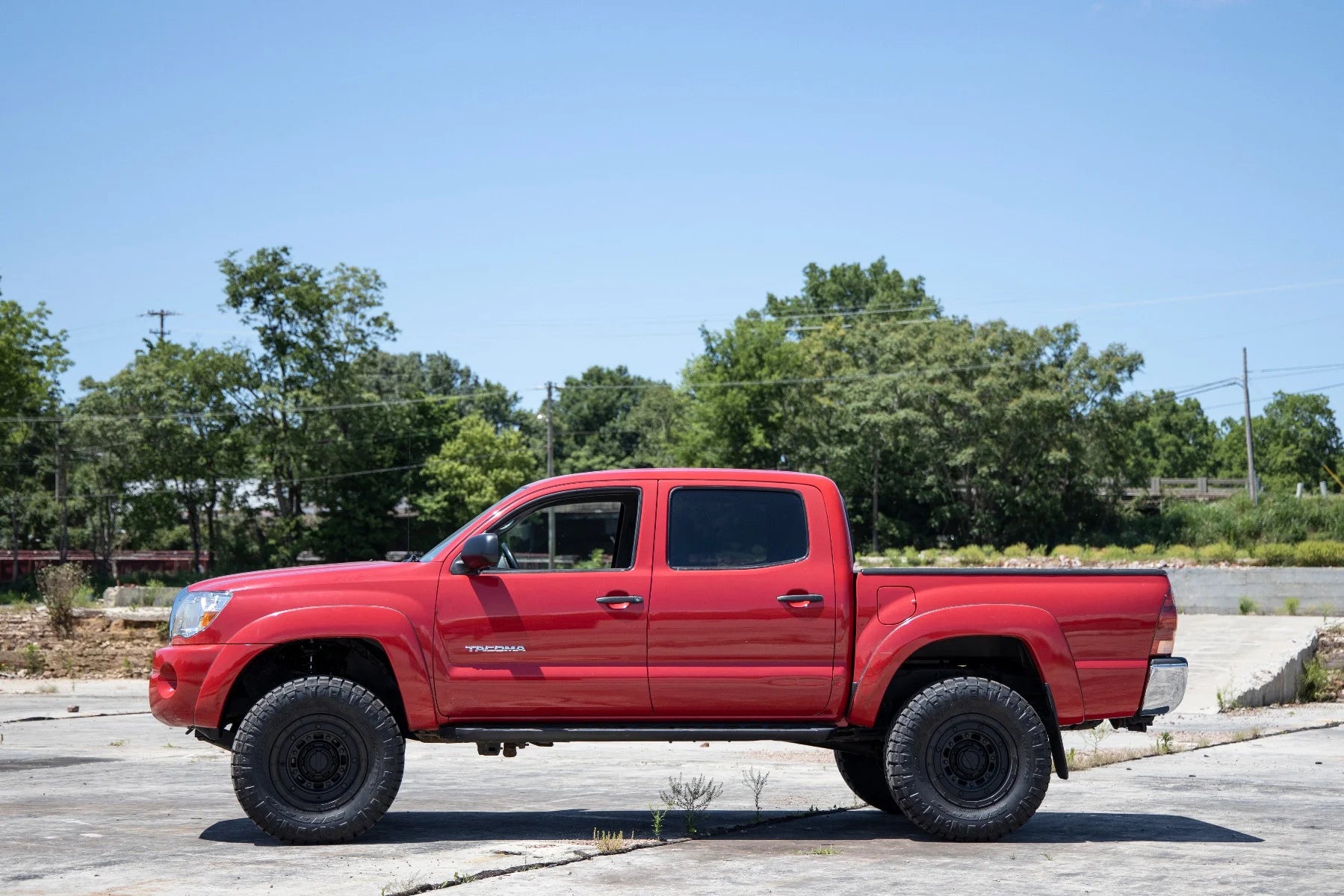
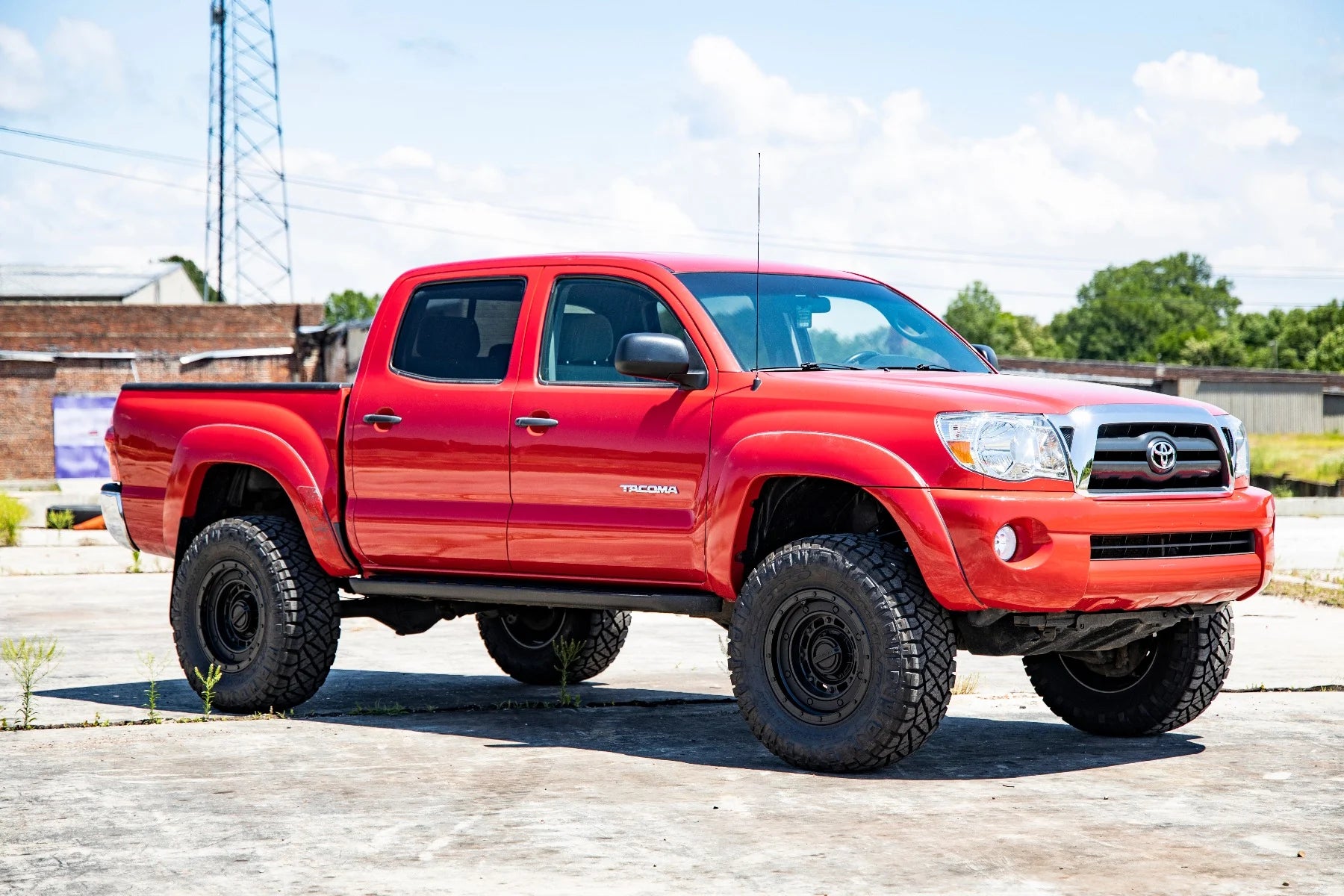
- 2-3 Inch Lift: This is the sweet spot for running a set of popular 33-inch tires. It’s a combination that gives you a clear boost in capability and stance without making huge changes to your truck’s on-road manners.
- 4-6 Inch Lift: If you want a commanding presence and serious off-road performance, this is your range. A lift this high can comfortably clear large 35-inch tires, and with some minor trimming, you can often even squeeze in 37s.

The lift kit market is incredibly diverse, which makes sense when you consider all the different ways people use their trucks. Some guys just want enough of a lift for bigger all-terrain tires, while others are chasing maximum ground clearance for rock crawling. This huge range, from 2-inch leveling kits all the way up to massive lifts of 10 inches or more, shows that buyers are making smart choices based on their needs.
The Importance of Wheel Offset and Backspacing
Picking out a wheel isn't just about how it looks—it's all about fitment. Two critical measurements, wheel offset and backspacing, determine exactly where the wheel and tire assembly will sit inside your wheel well.
A lower or negative offset pushes the wheel further out, giving you that wide, aggressive stance. This is often what you need to keep bigger tires from rubbing on suspension parts. But if you go too far, you’ll be hitting your fenders. It’s all about finding that perfect balance.
Don’t guess on wheel fitment. Nailing the offset and backspacing is what keeps your tires clear of the suspension and fenders, preventing expensive damage and making sure your truck handles correctly.
The Non-Negotiable Final Step
Once you've got the new lift, wheels, and tires on your truck, there's one last thing you absolutely cannot skip: a professional wheel alignment. Lifting your truck throws all of its suspension geometry—specifically the camber, caster, and toe angles—completely out of whack.
If you ignore this, you're in for a world of trouble. Your truck will handle poorly, steering can become dangerously unpredictable, and you’ll chew through a brand-new set of expensive tires in just a few thousand miles. A proper alignment from a shop that knows lifted vehicles will get your suspension dialed in, protect your investment, and ensure your truck is safe and fun to drive, both on and off the road. Learn more about how we handle truck accessories and lift kits to deliver a perfect final product.
Understanding the True Cost of Lifting Your Truck
When you're budgeting for an off-road truck lift kit, it's easy to focus on the price tag of the kit itself. But the sticker price is just the starting line. To get the full picture and avoid any nasty surprises, you need to think about the total cost of the project.
The price of the lift kit is your biggest initial investment, and it can swing wildly. A basic leveling kit might only set you back a few hundred bucks. But a serious 4-inch suspension lift with high-performance shocks will run into the thousands, and for good reason. Top-of-the-line long-arm or coilover systems, with their advanced engineering, can climb even higher.
Factoring in Labor and Installation
So you’ve picked your kit. Now, how does it get on your truck? You have two paths: DIY or professional installation. Tackling it yourself can save you a bundle on labor and makes for a pretty satisfying weekend project. But be honest with yourself—installing a full suspension lift is a serious job that demands the right tools, some space, and a good bit of mechanical know-how.
A professional installation by certified technicians gives you something incredibly valuable: peace of mind. You know it’s done safely, every component is torqued to spec, and the work is usually warrantied. Labor costs can range from several hundred to over a thousand dollars, depending on how complex the kit is. For a more detailed look, check out our guide on lift kit installation costs.
Don't forget to budget for a four-wheel alignment immediately after the lift is installed. This isn't optional. It's the only way to protect your tire investment from uneven wear and ensure your truck drives straight and safe.
Preparing for Additional Components
The bigger you go, the more your truck's other systems are affected. Taller lifts, especially those over 4 inches, often need a few supporting mods to keep everything running smoothly and safely.
Depending on your truck and lift, you might be looking at:
- Extended Brake Lines: Your factory lines might not be long enough to handle the new suspension travel.
- New Driveshafts: A taller lift can make your stock driveshaft too short or put your U-joints at a dangerously steep angle, leading to vibrations and failure.
- Steering Stabilizers: Essential for taming the larger tires you'll likely be running, a good stabilizer prevents that "wandering" feeling on the highway.
These aren't just "nice-to-haves"; they're critical parts of a complete, reliable build. Thinking about them from the start means your lifted truck will be ready for years of adventure, not just a weekend of fun followed by a trip back to the shop.
Bringing Your Ultimate Truck Build to Life
Alright, you've done your homework. You know the difference between a body lift and a full suspension overhaul and have a good idea of what it takes to fit those bigger tires. Now for the fun part: making it happen. An off-road truck lift kit is a game-changer, but it's really just the first piece of the puzzle.
This is where all the planning comes together to create a rig that doesn't just look the part, but is ready for anything you throw at it. Think of us at Audio Jam Inc. as your partners in this build. We’ll help you match that brand-new lift with the perfect wheels and aggressive tires to nail the stance and get the traction you need.

More Than Just a Lift
A truly awesome adventure truck is about more than just height; it’s a complete system where every part works together. That new lift opens the door to all sorts of other essential upgrades.
- Light Up Your World: High-output LED light bars and pods are a must for hitting the trails after dark or just setting up camp.
- Get Out of Trouble: Bolting a winch onto your bumper gives you the ultimate peace of mind, whether you’re pulling yourself out of the mud or helping a buddy.
- Create Your Adventure Soundtrack: Why not add a rugged, all-weather audio system to blast your favorite tunes, no matter where you are?
These are the accessories that turn a good truck into a great one, making it more capable and a whole lot more fun to drive.
Don't just dream about the perfect truck—let our expert installers at Audio Jam Inc. make it happen. A great build is more than just parts; it's about expert planning and professional execution.
Swing by our showroom in Bear, Delaware, and see all this stuff for yourself. You can chat with our specialists—guys who live and breathe this every day—and explore what’s possible for your truck or Jeep. We’ll help you map out the entire project, from the lift and wheels to the lights and sound system. Let’s get your build started.
Frequently Asked Questions About Lift Kits
Deciding to lift your truck is an exciting step, but we know it brings up a lot of questions. Let's run through some of the most common things we hear from drivers planning their off road truck lift kits so you can move forward with total confidence.
What Does Professional Lift Kit Installation Cost?
The cost for a professional installation can vary quite a bit. You should plan to budget somewhere between $500 to $1,500+ for labor.
That range depends on a few things: the complexity of the kit you choose, your specific truck model, and if any extra custom work like welding is required. A simple leveling kit will land on the low end of that scale, while a full-on long-arm suspension system is going to be on the higher end.
Will a Lift Kit Void My Truck’s Warranty?
This is a huge one for many truck owners, but the short answer is generally no. The Magnuson-Moss Warranty Act protects you here—a dealer can't just void your entire vehicle warranty because you installed an aftermarket part.
But here’s the catch: they can deny a specific warranty claim if they can prove your lift kit directly caused the factory part to fail. For instance, if a bad installation angle causes your driveshaft to wear out, the dealer probably won't cover that repair under warranty.
Do I Really Need a Wheel Alignment After Installation?
Yes, 100%. This is not a step you can afford to skip. Any time you install a lift kit, even a small one, you're changing your truck's suspension geometry. This throws off your caster, camber, and toe angles.
Skipping the alignment leads to a whole host of problems:
- Poor Handling: Your truck might pull to one side or feel "wandery" and unstable on the highway.
- Premature Tire Wear: Those brand new tires you just bought will get chewed up unevenly and wear out way too fast.
- Safety Risks: When your alignment is off, steering becomes less predictable, and that can seriously compromise your control.
What Are the Legal Lift Height Limits I Should Know?
Lift laws are different in every state, so it's absolutely critical to check your local regulations before you get started. Here in Delaware, for example, the legal height is based on the truck's gross vehicle weight rating (GVWR).
The best move is always to check the official Delaware DMV guidelines. This ensures your awesome new build is completely street-legal and you won't run into any trouble with fines or failed inspections.
Ready to transform your truck with the right lift, wheels, and expert installation? The team at Audio Jam Inc has the parts and the know-how to bring your vision to life. Stop by our Bear, Delaware, showroom or start planning your build with us online today