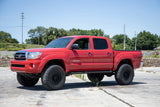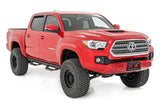


Truck Suspension Alignment Guide for Lifted Rigs

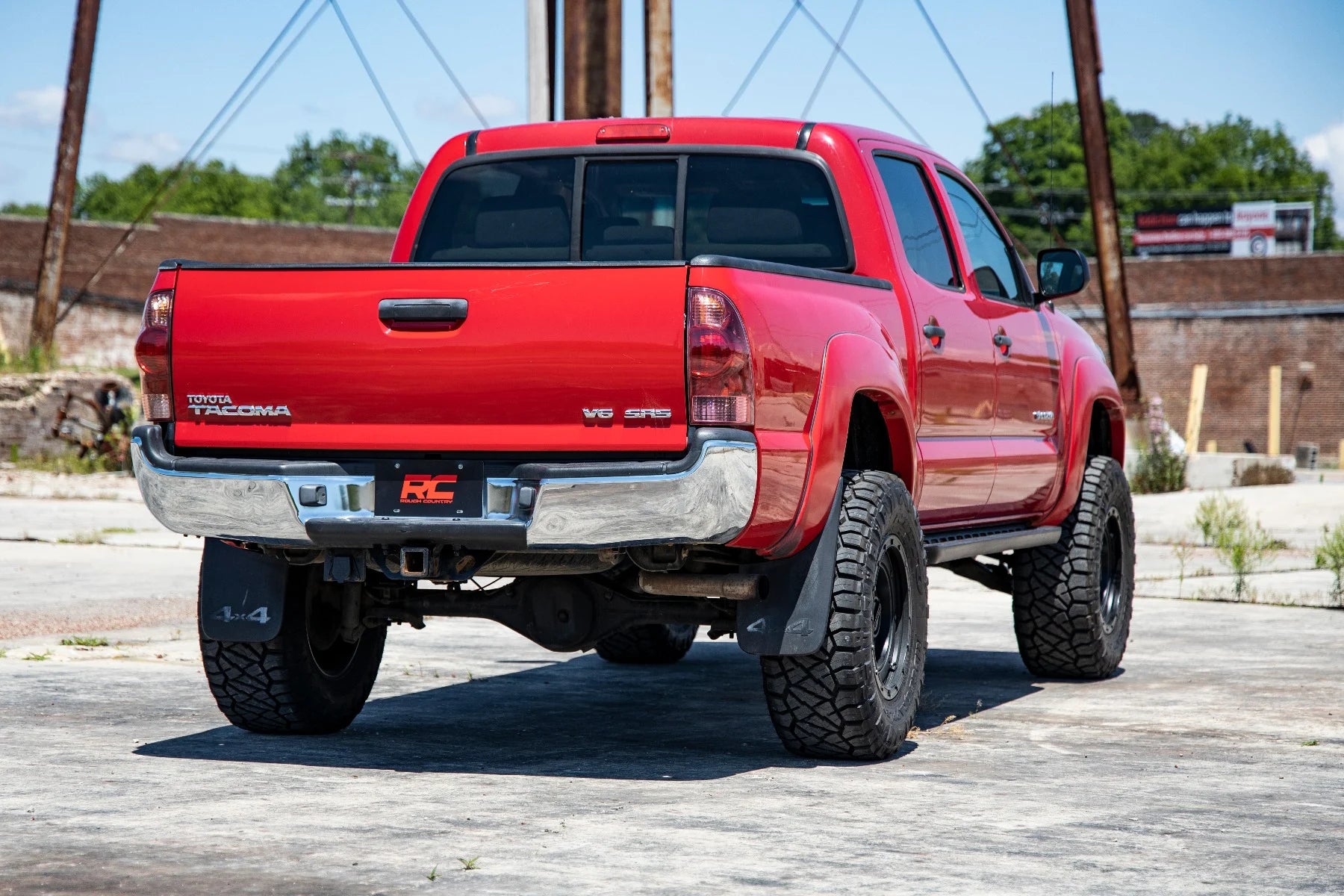
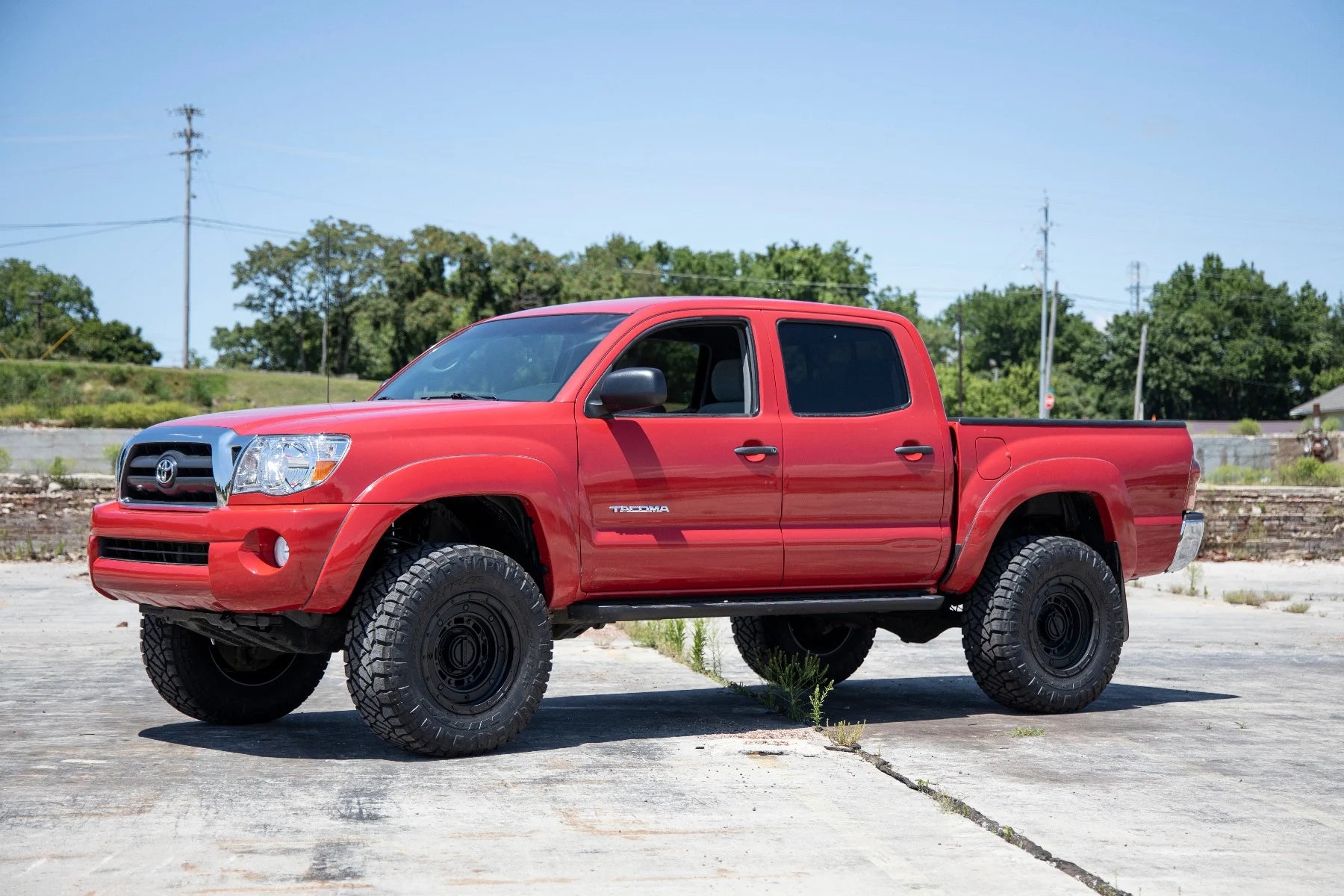
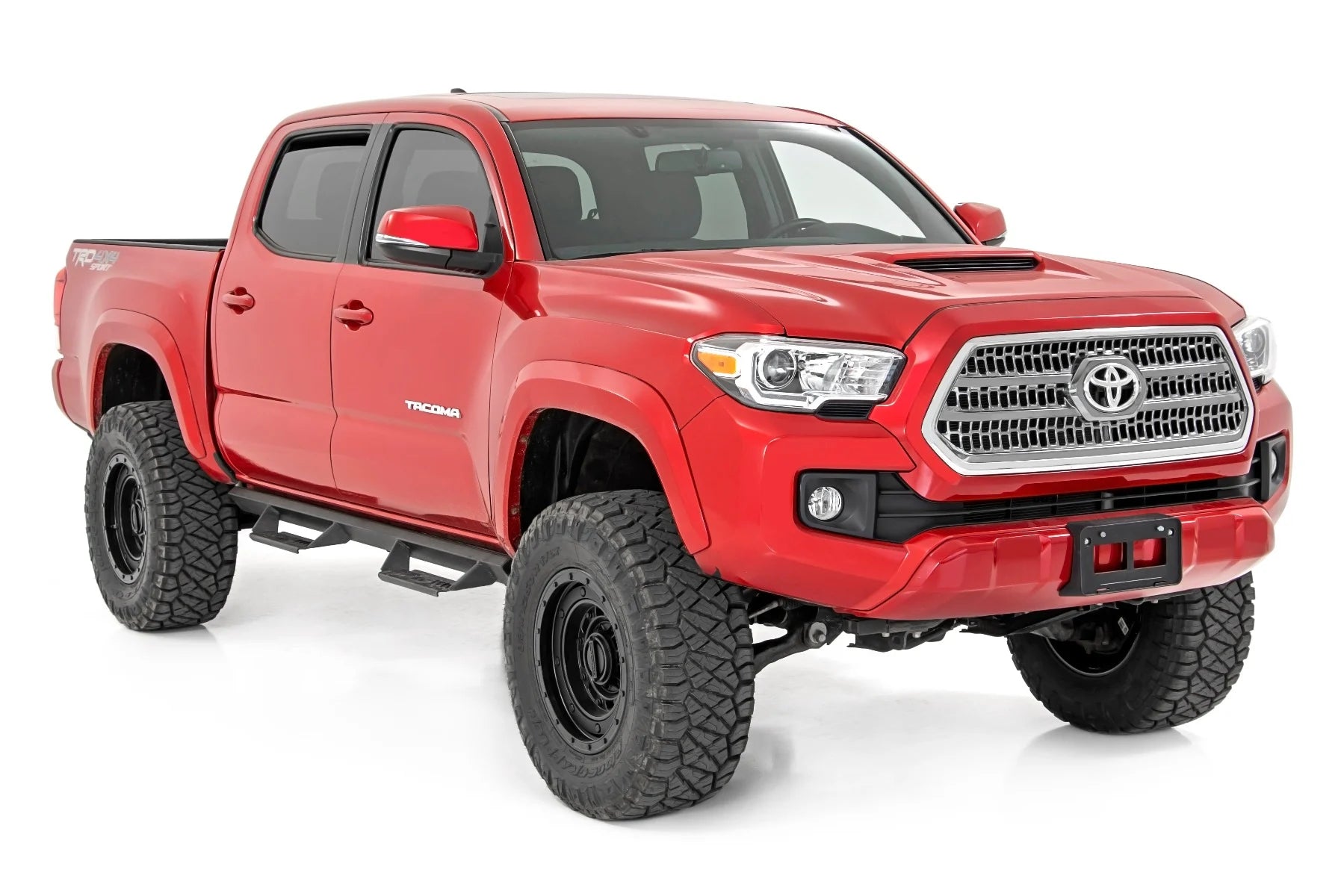
A truck suspension alignment guide matters most when your rig starts telling you something is off: the steering wheel sits crooked, the truck wanders across the lane, or a new set of all-terrain tires starts wearing out on one edge. Alignment is not just a quick adjustment after installing tires. On a truck, especially one with a lift kit, larger wheels, or upgraded suspension components, it is part of making the whole build drive the way it should.
A good alignment protects expensive tires, keeps steering predictable, and helps your truck feel planted on the road. The catch is that not every alignment issue is solved by putting the truck on an alignment rack. Worn steering parts, incorrect lift-kit geometry, tire pressure, and ride height all play a role.
What Truck Alignment Actually Adjusts
Most alignment conversations come down to three angles: camber, caster, and toe. They sound technical because they are, but knowing what they affect makes it easier to understand what your truck needs.
Camber is the inward or outward tilt of the wheel when viewed from the front. Too much negative camber means the top of the tire leans inward. Too much positive camber means it leans outward. Either condition can chew through the inside or outside shoulder of a tire.
Caster is the forward or rearward angle of the steering axis. On a truck, positive caster is a big part of straight-line stability and steering-wheel return. If you add a lift and lose caster, the truck may feel light, vague, or prone to wandering. It may still technically be within a basic factory range, but it may not drive as confidently as it did at stock height.
Toe describes whether the fronts of the tires point slightly toward each other or away from each other. Excessive toe is one of the fastest ways to ruin a set of tires. Feathered tread - where one direction of each tread block feels sharp and the other feels smooth - often points to a toe issue.
Rear alignment also matters on many trucks. A solid rear axle is usually not adjustable in the same way as the front, but axle position, bent components, or a shifted leaf-spring setup can affect thrust angle. If the rear of the truck is not tracking squarely behind the front, the steering wheel can sit off-center even after a front-end adjustment.
Truck Suspension Alignment Guide: Signs You Need Service
The obvious sign is uneven tire wear, but waiting for visible damage costs money. Pay attention to how the truck behaves before the tread gives you the answer.
If your truck pulls consistently on a flat road, needs constant steering correction, or feels nervous after a lift, an alignment inspection is a smart move. A steering wheel that is no longer centered after suspension work is another clear reason to get it checked. So is a truck that has hit a pothole, curb, trail obstacle, or deep construction-zone rut harder than expected.
Look closely at your tires during routine washes or pressure checks. Inside-edge wear can be easy to miss until the tire is nearly done. Cupping can point to worn shocks, loose suspension parts, imbalance, or alignment trouble. Feathering commonly points toward toe. Tire wear is not always an alignment diagnosis by itself, but it gives a technician useful evidence.
Vibration deserves a separate mention. Alignment usually does not cause a steering-wheel shake at a specific speed. That is more commonly related to wheel balance, tire construction, a bent wheel, or a worn component. Still, vibration and alignment problems can show up together after a hard impact, so the full front end should be inspected rather than guessing.
Why Lifted Trucks Need More Than a Basic Adjustment
Installing a leveling kit or lift kit changes suspension angles. That is expected. The question is whether the lift system includes the parts needed to bring those angles back into a usable range.
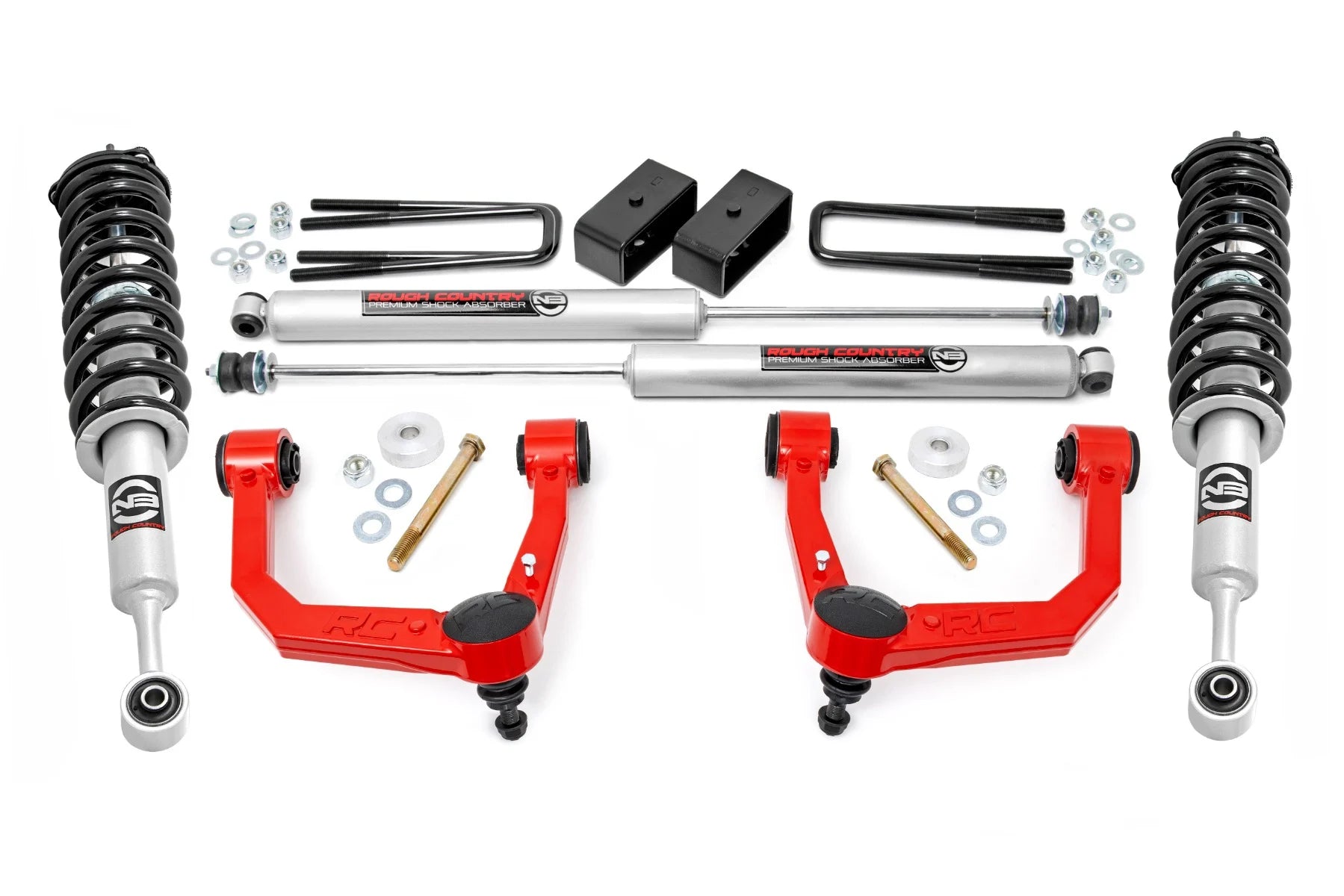
A mild leveling kit may align properly with factory-style adjustment hardware, depending on the truck and the final ride height. A taller suspension lift may require upper control arms, cam bolts, drop brackets, adjustable track bars, caster correction brackets, or other geometry-correction components. The right parts depend on whether the truck uses independent front suspension, a solid front axle, control arms, torsion bars, leaf springs, or coil springs.
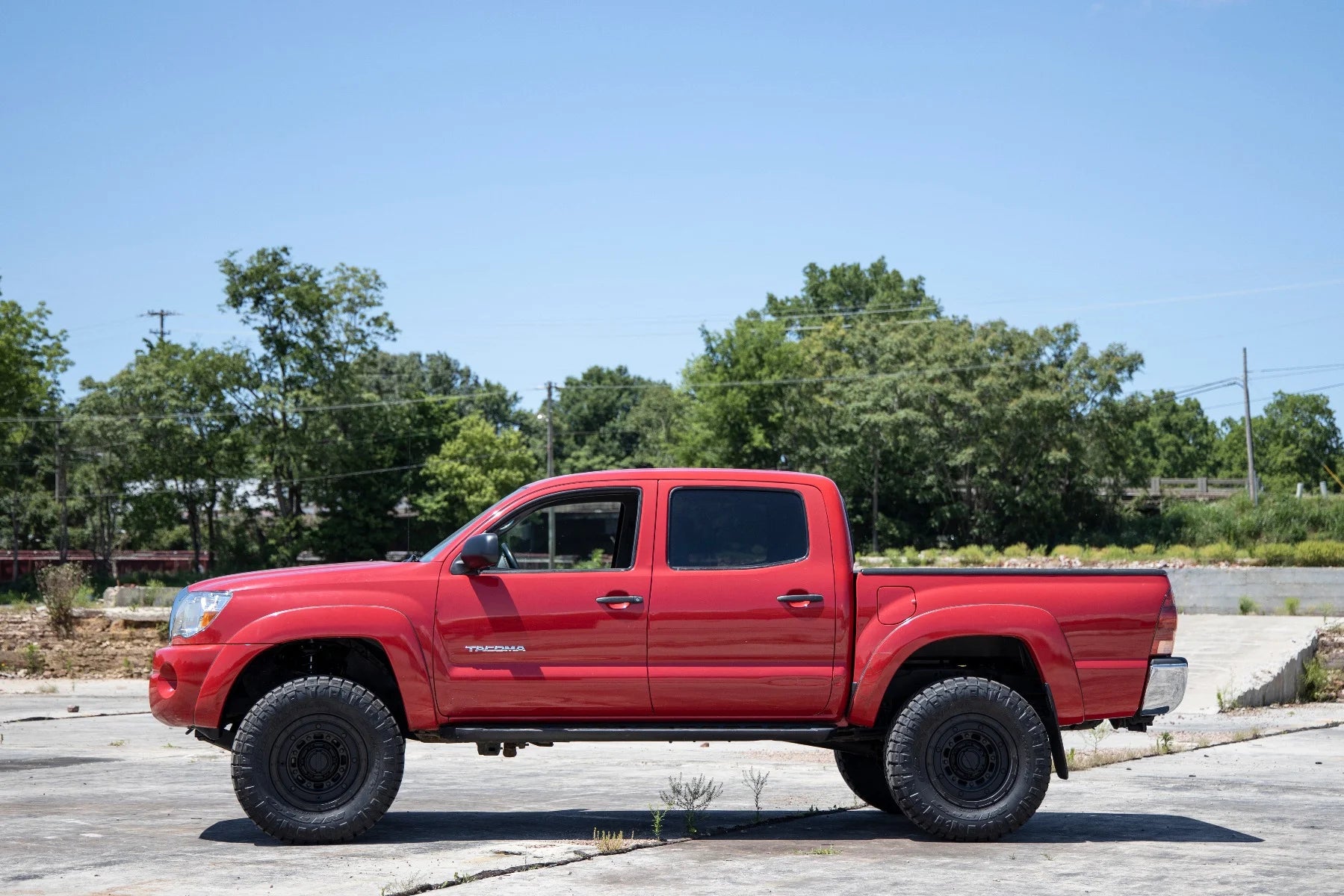
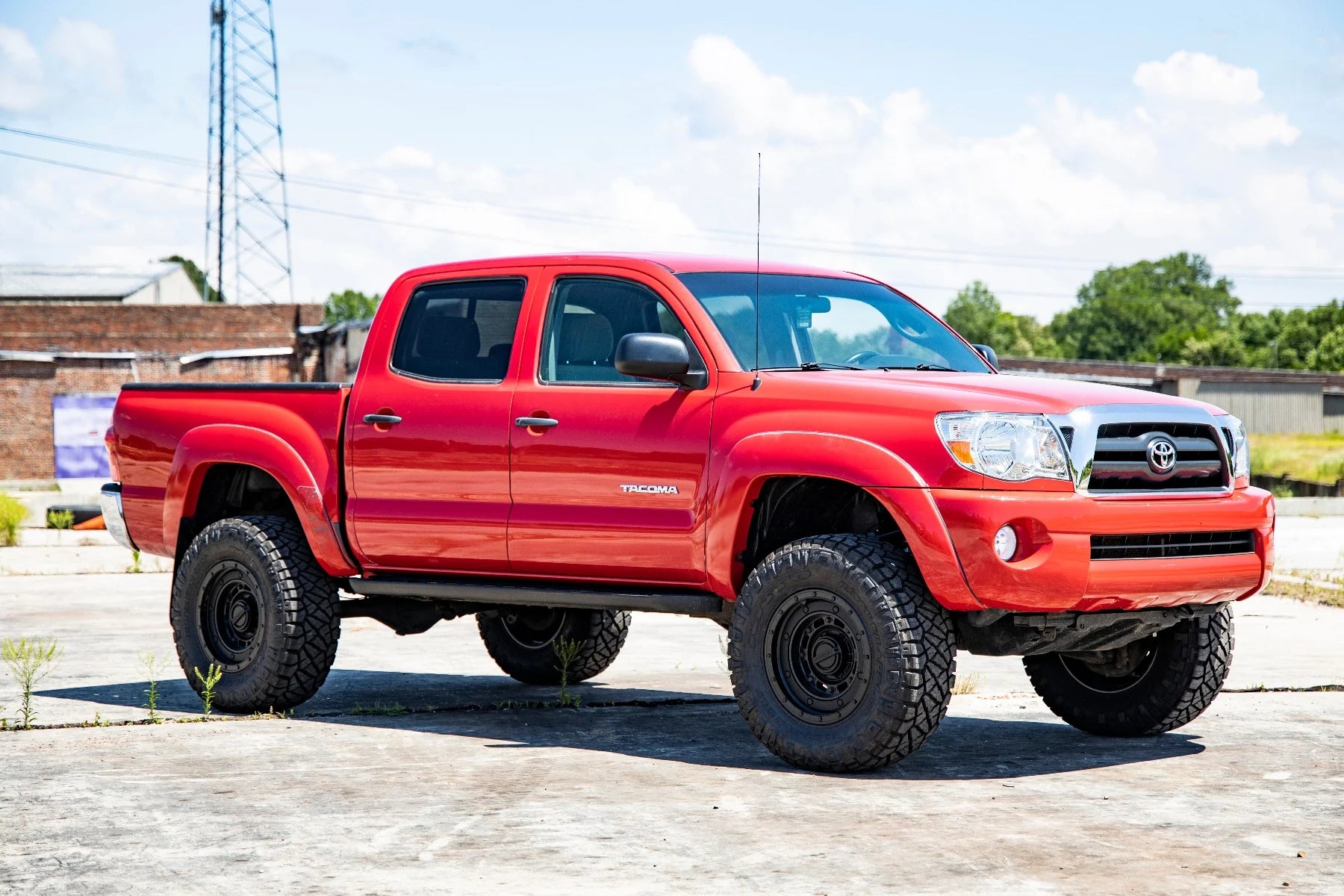
This is where parts selection and installation quality matter. A lift that looks right in the parking lot but cannot achieve appropriate caster or camber settings can create a truck that eats tires and takes the fun out of driving it. Bigger tires can also amplify the problem because their added weight and tread pattern make wandering, vibration, and uneven wear more noticeable.
There is a trade-off with aggressive builds. A truck set up for maximum tire clearance or off-road articulation may not drive exactly like a stock daily driver. That does not mean it should pull, dart, or burn through tires. It means the alignment targets should be chosen with the build, tire size, intended use, and available adjustment range in mind.
Alignment Comes After the Suspension Is Tight
An alignment is only as good as the components underneath the truck. Before setting angles, a qualified shop should check for loose or worn parts that can move after the truck leaves the rack.
Tie-rod ends, ball joints, wheel bearings, control-arm bushings, track bars, steering racks, pitman arms, idler arms, and sway-bar links all deserve attention based on the truck’s suspension design. On a lifted solid-axle truck, track-bar condition and steering linkage geometry are especially important. On an independent-front-suspension truck, upper control arms, ball joints, and cam hardware may be central to getting the numbers where they need to be.
Ride height also has to be correct before alignment. Sagging springs, uneven torsion-bar settings, a preload issue, or improperly adjusted coilovers can change readings side to side. If new suspension parts are being installed, the truck may need a short settling period before its final alignment. That is particularly common with springs and some lift-kit setups.
Do not overlook wheels and tires. Confirm that tire pressures match the intended load and use, wheels are properly torqued, and tire sizes match across an axle. A truck with mismatched or severely worn tires can make an alignment feel worse than it is.
What to Ask for After a Lift Kit Install
After a lift, leveling kit, upper control arm upgrade, or major steering repair, ask for a printed alignment report. It should show before-and-after measurements for camber, caster, toe, and thrust angle when applicable. The report gives you a baseline for future service and confirms whether the truck reached target settings or simply landed at the edge of what the factory adjustments allow.
Ask the technician whether any angles are limited by the current hardware. For example, a truck may be aligned within specification but have less positive caster than ideal for 35-inch tires and highway driving. That is useful information. It can help you decide whether upgraded control arms or correction brackets are worth adding later.
If the truck is used for towing, tell the shop. If it spends weekends on trails, say that too. A daily-driven work truck, a street-focused show build, and a trail-ready Jeep-style setup do not always benefit from the exact same alignment priorities.
How Often Should a Truck Be Aligned?
There is no single mileage interval that works for every truck. A stock daily driver may go a long time without needing adjustment if the suspension is healthy and the tires are wearing evenly. A lifted truck with larger tires, frequent trail use, or heavy towing should be checked more often.
Schedule an alignment check after suspension modifications, steering-component replacement, a major impact, or noticeable tire-wear changes. It is also worth checking before buying a new set of tires. Spending a little on inspection and adjustment before mounting expensive rubber can save hundreds of dollars in premature wear.
For truck owners around Bear, Wilmington, Newark, and the surrounding Delaware area, it makes sense to handle alignment as part of the build process, not as an afterthought. Audio Jam can help ensure lift kits, wheels, tires, and suspension upgrades are selected with fitment and real-world driving in mind.
Your truck should feel as good leaving a highway on-ramp as it looks sitting on new wheels. If the steering feels off, the tire tread tells a story, or a lift changed the way your truck tracks, get the suspension inspected before a small setup issue turns into a set of worn-out tires.