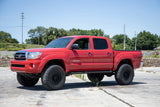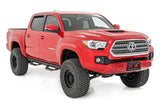


Running Boards vs Nerf Bars: Which Fits Your Truck?

A lifted truck can look right and still be a pain to get into. That is where the running boards vs nerf bars decision becomes more than a style choice. The right side step should make daily entry easier for the driver, passengers, kids, and anyone loading up for work or a weekend trip, without fighting the way you use your truck or Jeep.
Both accessories mount below the doors and give you a place to step. Their shape, coverage, ground clearance, and intended use are different enough that picking based on a product photo alone can leave you with the wrong setup. Start with how high your vehicle sits, who rides in it, and whether your build spends more time on pavement, trails, or job sites.
Running Boards vs Nerf Bars: The Main Difference
Running boards are wide, flat step platforms that generally run most of the distance between the wheel openings. They create a broad, stable surface and usually sit closer to the rocker panel. Many have molded tread, textured rubber, or full-length traction pads for secure footing in rain, snow, mud, or work boots.
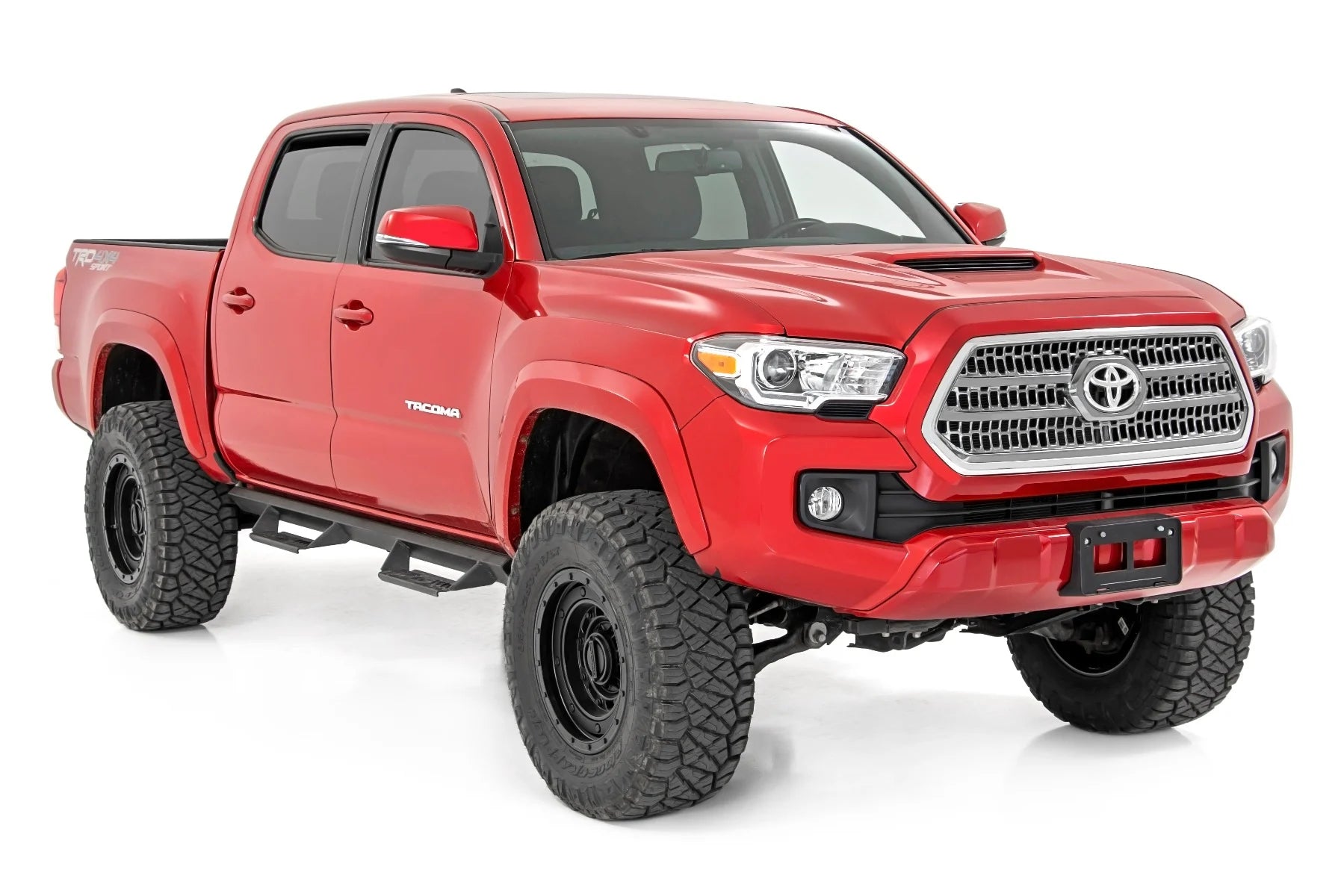
Nerf bars are typically tubular steps. Round, oval, and larger wheel-to-wheel tubes are common, with individual step pads positioned under each door. They have a more open, traditional truck look and often leave more space visible below the rocker panel. A nerf bar can be a simple, durable entry aid, but its usable stepping surface is usually narrower than a running board.
There is overlap. Some modern products blur the line with wide oval tubes, formed step bars, and low-profile boards with rugged styling. Still, the practical rule holds: choose running boards for maximum step coverage and easy everyday access; choose nerf bars when you prefer a tubular appearance, a more open profile, or a purpose-built step location.
Choose Running Boards for Daily Access
Running boards make the most sense when getting in and out is the priority. They are especially useful on full-size trucks, SUVs, and Jeeps with lift kits, larger tires, or families using the vehicle every day. A wider platform gives a passenger more margin when stepping in, and full-length coverage makes it easier to reach the front or rear seat without searching for a small pad.
They also do a better job of catching some road spray, gravel, and slush kicked up by the tires. That does not replace mud flaps or underbody protection, but it can help keep the lower doors and rocker area cleaner. On a daily driver in Delaware, that extra coverage is welcome when winter road treatment and wet-weather grime are part of the routine.
The trade-off is clearance. Because boards tend to be lower and wider, they can reduce the space available along the rocker area. On a stock-height street truck, that is rarely a concern. On a Jeep or a truck that sees rutted trails, the board style and mounting position deserve more attention. A low-hanging board can become the first thing that contacts an obstacle.
Power Running Boards
Power running boards retract against the body when the doors are closed, then deploy when a door opens. They deliver the cleanest tucked-away look and provide a wide step when needed. They are a strong fit for premium trucks, family vehicles, and drivers who want convenience without a permanently visible board.
They also add motors, wiring, sensors, and moving parts. Quality systems are built for real-world weather, but they still need proper installation and occasional inspection. If your vehicle is frequently covered in deep mud or regularly used on technical off-road terrain, a fixed step or rock-slider-style solution may be the better long-term call.
Choose Nerf Bars for a Classic, Open Look
Nerf bars remain popular for good reasons. They can complement a leveled pickup, a work truck, or a clean street build without visually weighing down the side of the vehicle. Round tubes deliver an old-school truck appearance, while oval bars offer more foot room and a more substantial profile.
For a driver who mostly needs a boost into the cab, a nerf bar can be all that is necessary. Door-specific pads create a defined entry point, and the open area between pads can make it easier to rinse out dirt and debris. Tubular bars can also be easier to pair visually with grille guards, bed accessories, black wheels, or other exterior upgrades.
The limitation is obvious when the weather turns or passengers are not as sure-footed. A narrow pad asks for more precise placement than a wide running board. If an older parent, a small child, or a passenger carrying gear uses the vehicle often, test the width and position before choosing a tube step based solely on its appearance.
Wheel-to-wheel nerf bars extend behind the cab to provide access to the bed. That is useful on work trucks and lifted pickups where reaching tools, coolers, or cargo from the bedside is part of the day. Standard cab-length bars stop around the rear door area, so they will not provide that extra bed step.
Ground Clearance, Protection, and Off-Road Use
Do not assume every heavy-looking side step protects the vehicle off-road. A conventional running board or nerf bar is primarily an access accessory. Its brackets and outer edge may not be designed to support the full weight of the vehicle against a rock or ledge.
If trail protection is a major requirement, look at rock sliders or trail-rated side steps designed for your exact vehicle. Proper rock sliders mount to stronger locations and are engineered to take impacts that would bend a normal step bar or damage its mounting hardware. Some versions still provide a usable step, but protection comes first.
For light trails, hunting property, beach access, and rough job sites, a high-clearance nerf bar or a tightly mounted board can work well. Match the product to the actual terrain. A truck that occasionally drives down a dirt lane does not need the same hardware as a Jeep that regularly drags rocker panels across rocks.
Materials and Finish Matter More Than They Seem
Most quality steps are made from steel or aluminum. Steel is often strong and cost-effective, but finish quality matters because chipped coating can eventually lead to corrosion. Aluminum is lighter and naturally resists corrosion better, making it appealing for drivers who want long-term durability with less added weight.
Black powder coat is the most common finish on modern trucks and Jeeps because it works with almost any build. Polished stainless steel has a brighter, classic look and holds up well, although it shows water spots and road film more quickly. Textured black finishes tend to hide wear better than glossy coatings.
Pay attention to the step surface, not just the tube or board itself. Aggressive tread can improve grip in wet boots, but a pattern that traps mud may require more cleaning. Replaceable pads are useful on a truck that sees heavy use because the contact surface usually wears before the main structure does.
Fitment and Installation Are Not Afterthoughts
The best-looking running board is not a good upgrade if it sits too high, interferes with factory equipment, or does not line up with the doors. Vehicle-specific brackets are preferred because they use intended mounting points and position the step correctly for that cab configuration. Crew cab, extended cab, and regular cab trucks do not use interchangeable lengths.
Before ordering, confirm the year, make, model, cab style, bed length where applicable, and any existing accessories. Factory fender flares, aftermarket lift components, mud flaps, and underbody hardware can affect fitment. Power steps may also require electrical integration, so clean wiring routes and proper weather protection matter.
A professional install is worthwhile when the step is powered, when the truck has a complicated underbody layout, or when you want the fit and alignment checked before you leave. At Audio Jam, the same hands-on approach used for lift kits, lighting, and other truck upgrades helps make sure the side step fits the vehicle and the way you actually use it.
The Right Choice Comes Down to Your Routine
Choose running boards when you want the broadest, most stable step for everyday passengers, frequent entry, and a lower, more integrated look. Choose nerf bars when you want a tubular truck style, a simpler step solution, or wheel-to-wheel access to the bed. For serious rock contact, skip both conventional options and invest in genuine protective sliders.
Your truck should not require a jump to get into, and it should not wear accessories that get in the way of how it is driven. Pick the step that works when the doors are dirty, the weather is bad, and somebody is climbing in with a full set of hands.