

Automotive Aftermarket Upgrades That Pay Off

Factory vehicles are built to hit a price point, satisfy broad regulations, and appeal to as many buyers as possible. That leaves plenty of room for the automotive aftermarket to improve how your vehicle sounds, drives, looks, protects itself, and handles daily life. The right upgrade is not just about adding accessories. It should solve a problem you notice every time you get behind the wheel.
For some drivers, that means replacing weak factory speakers and adding CarPlay. For others, it is remote start on a cold Delaware morning, window tint that cuts glare and heat, or a lift kit and tires that make a truck ready for the trail. The best results start with a clear goal, quality equipment, and installation that accounts for the way your specific vehicle is built.
What the Automotive Aftermarket Really Covers
The automotive aftermarket is the world of parts, accessories, electronics, and upgrades installed after a vehicle leaves the factory. It covers far more than stereos, chrome trim, and replacement parts. A modern aftermarket shop can upgrade entertainment, convenience, visibility, security, interior comfort, off-road capability, and exterior appearance.
That range matters because vehicle owners rarely have just one need. A daily driver may need better phone integration and a dash cam. A work truck may benefit from lighting, wheels and tires, bed accessories, and a remote starter. A Jeep owner may be building toward better ground clearance and trail capability. Boat, motorcycle, ATV, and UTV owners have their own demands for weather resistance, power management, and durable audio.
The common thread is fitment. A product can be excellent on its own and still disappoint if it is not right for the vehicle, the intended use, or the existing equipment. That is why knowledgeable product guidance and professional installation are worth considering before buying based on a low online price alone.
Start With the Problem You Want to Fix
The strongest upgrade plans are practical. Instead of asking, “What can I add?” start with, “What bothers me about this vehicle?” That question quickly narrows the options and keeps the budget focused.
Weak sound and outdated factory technology
Factory audio systems often lack clean power, bass response, and speaker clarity. A head unit upgrade can add Apple CarPlay, Android Auto, navigation, better Bluetooth performance, and camera integration. Speakers, amplifiers, and subwoofers can then be selected around the music you actually listen to and the amount of space you want to give up.
There is a trade-off. A simple speaker replacement may improve clarity, but it will not produce the low-end impact of a properly designed amplified system. A large subwoofer enclosure can sound great, but it may not make sense for someone who needs every inch of cargo space. The right setup balances output, sound quality, budget, and the vehicle’s everyday job.
Cold starts, hot cabins, and daily comfort
Remote start is one of those upgrades that earns its value in regular use. It gives drivers time to warm the cabin in winter or begin cooling it in summer before they step outside. When paired with the right vehicle-specific interface, a remote start system can retain factory functions and operate reliably without turning the installation into a wiring gamble.
Heated seats, custom leather interiors, and window tint also change the day-to-day experience. Heated seats add comfort where the factory did not. Leather can refresh a worn interior or give a base-trim vehicle a more finished feel. Quality window tint reduces glare, improves privacy, and helps manage heat. Legal tint limits vary, so the product and shade should fit both your goals and Delaware requirements.
Security and visibility concerns
A dash cam can provide useful footage after an accident, parking-lot incident, or unexpected road event. A security system can add protection for a vehicle that carries expensive equipment or spends time parked outside. GPS navigation and camera upgrades can also reduce stress for drivers who travel frequently, tow trailers, or maneuver larger vehicles.
These upgrades work best when installation is clean and discreet. Exposed wires, poor power connections, and badly placed cameras can create problems that defeat the point of adding the equipment. Professional installation protects the vehicle’s interior while making sure the system performs when it is needed.
Truck and Jeep Upgrades Need a Plan
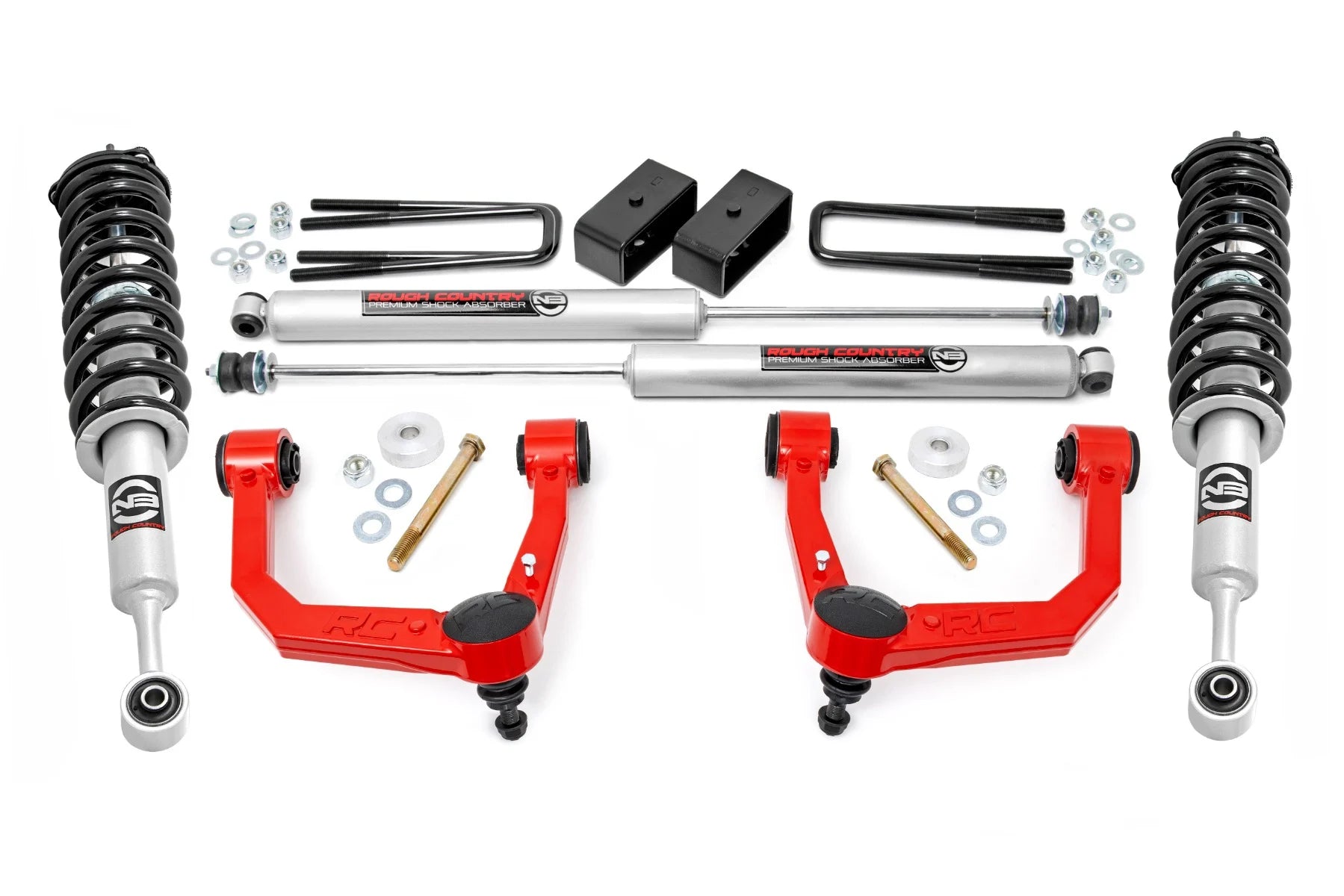
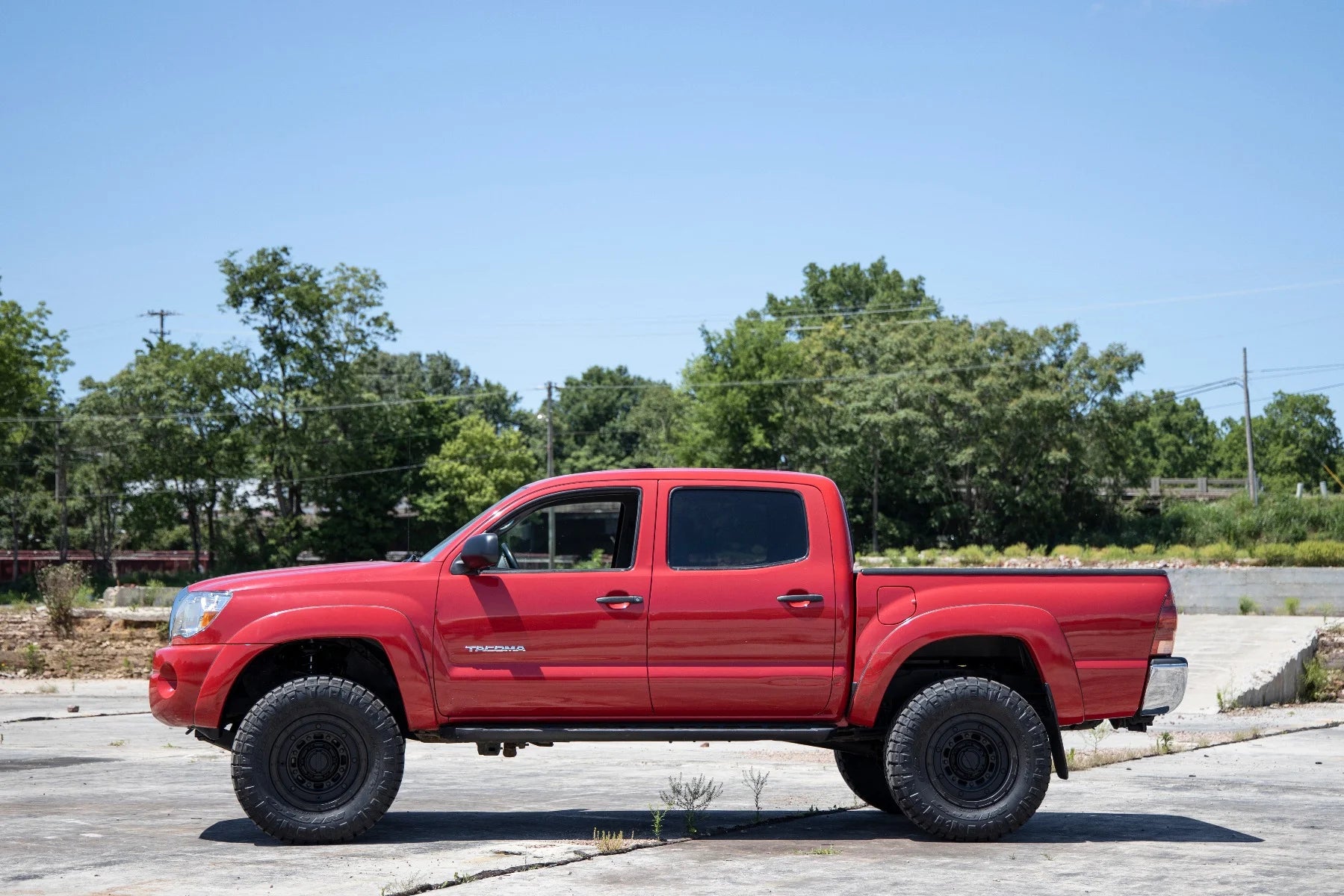
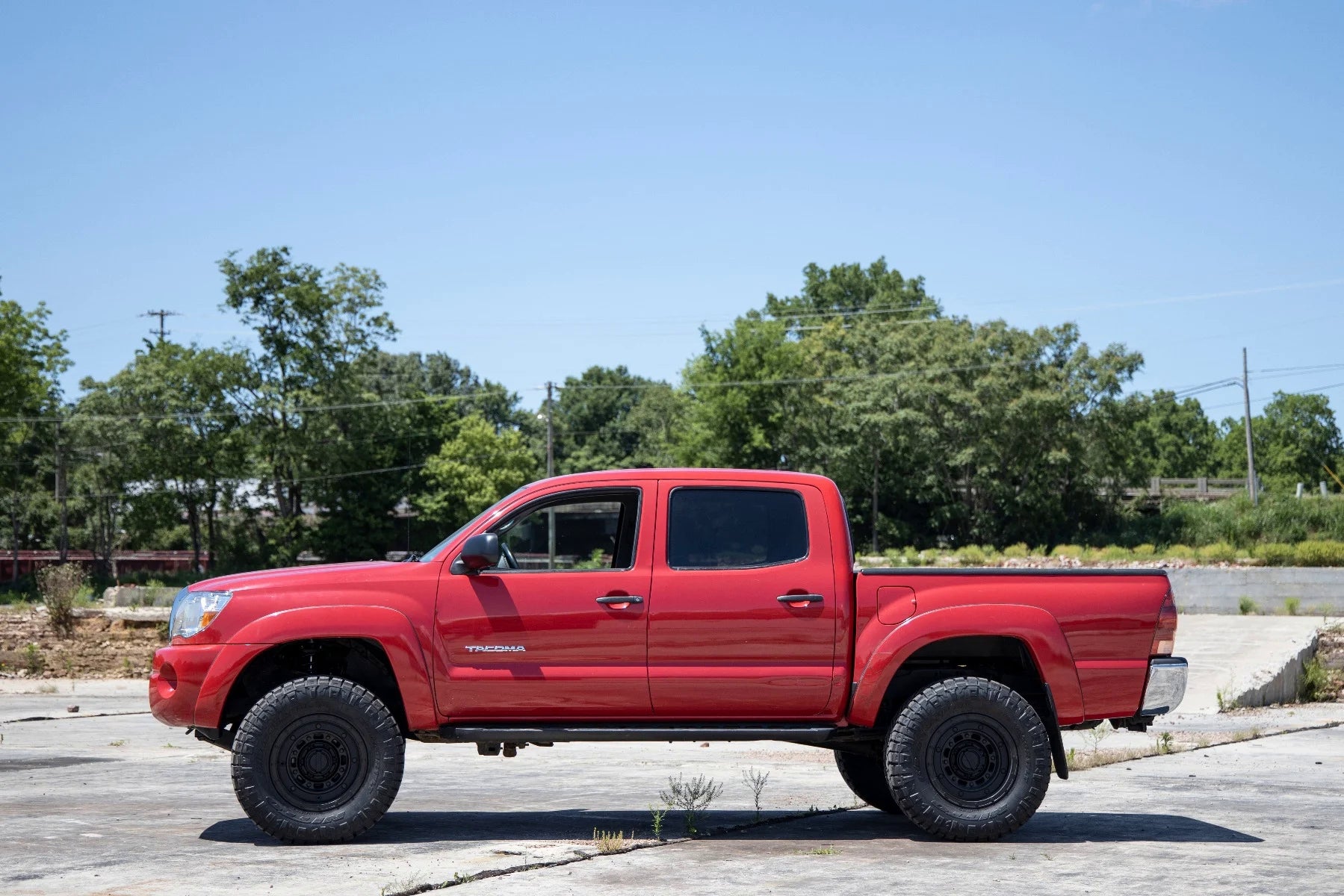
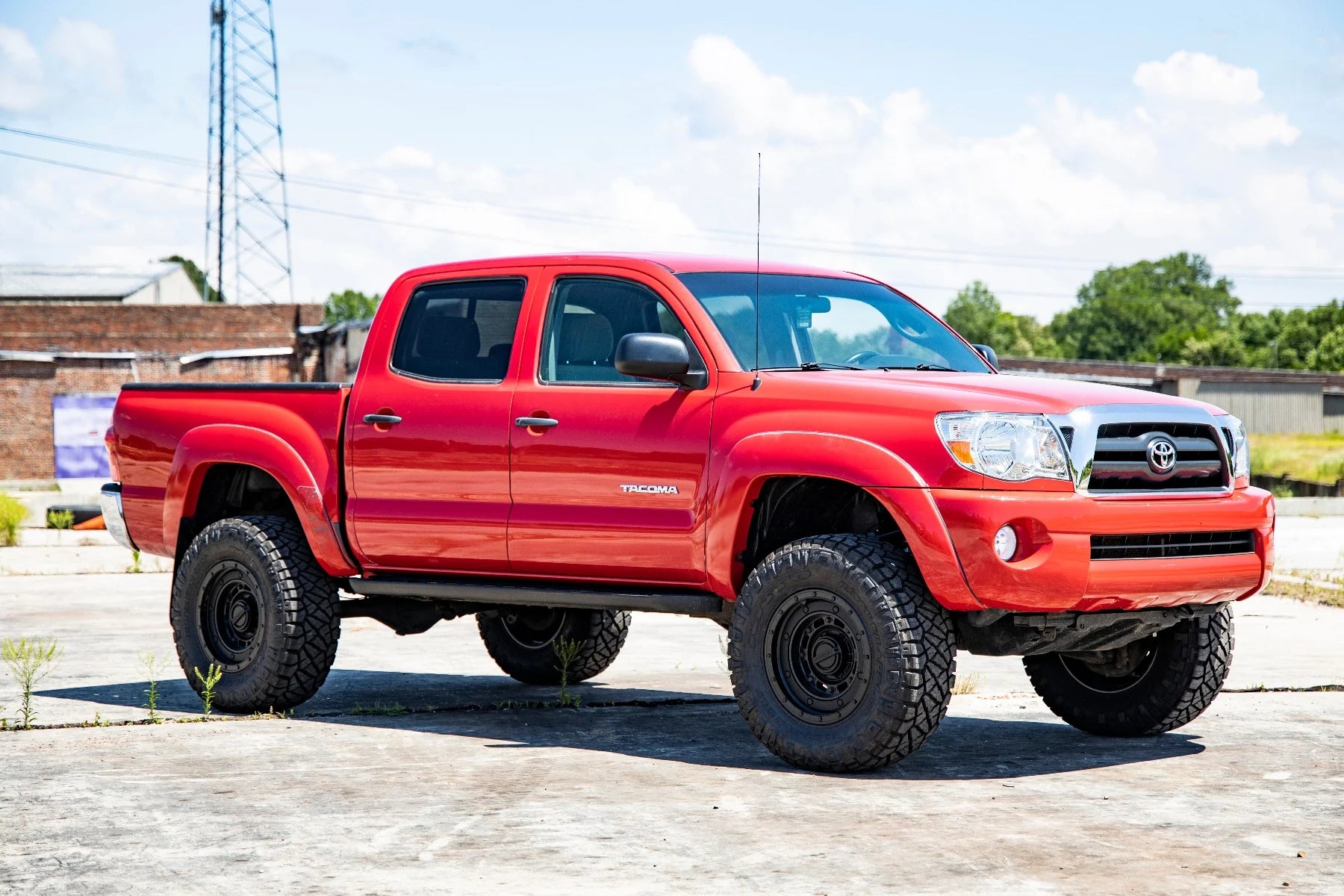
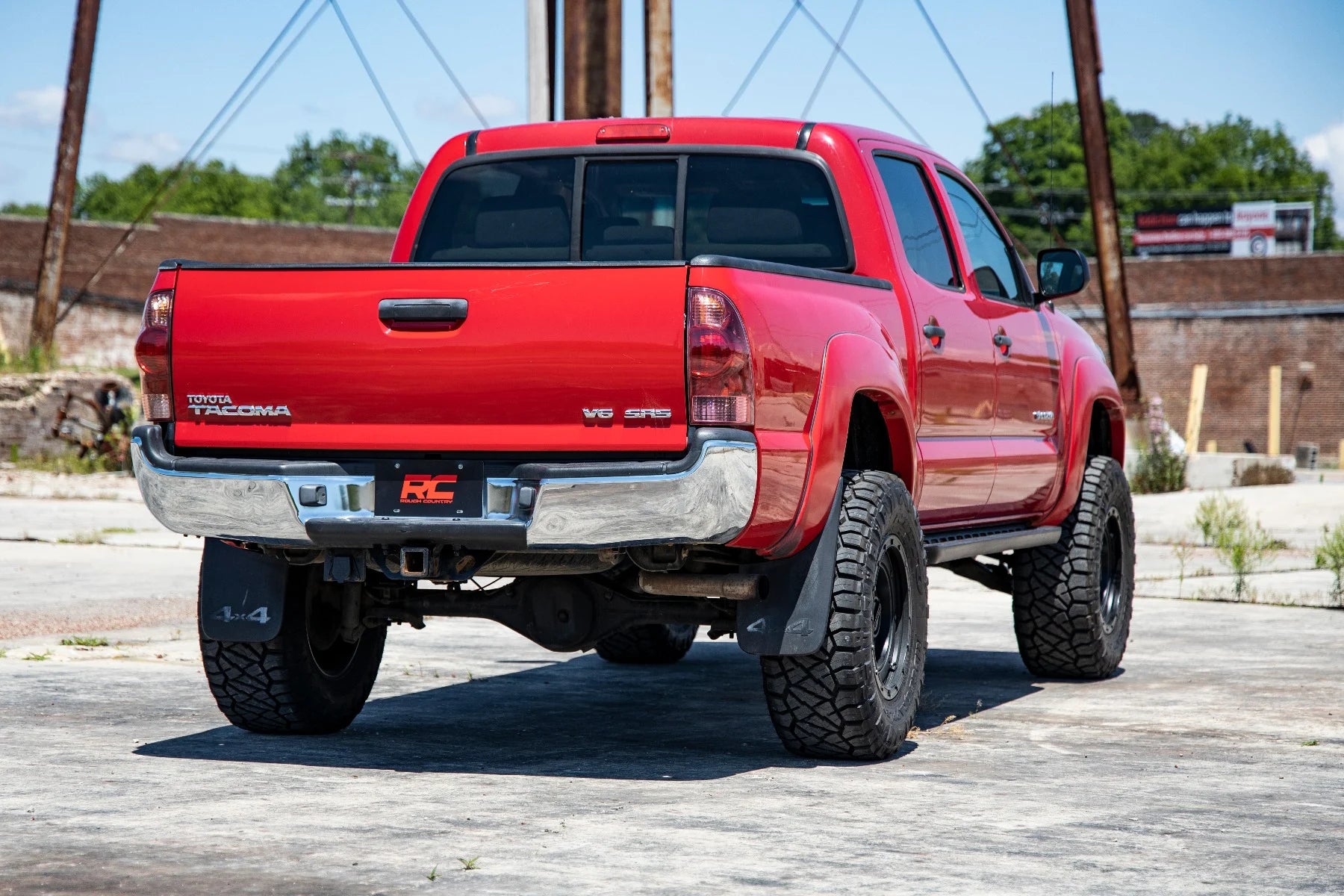
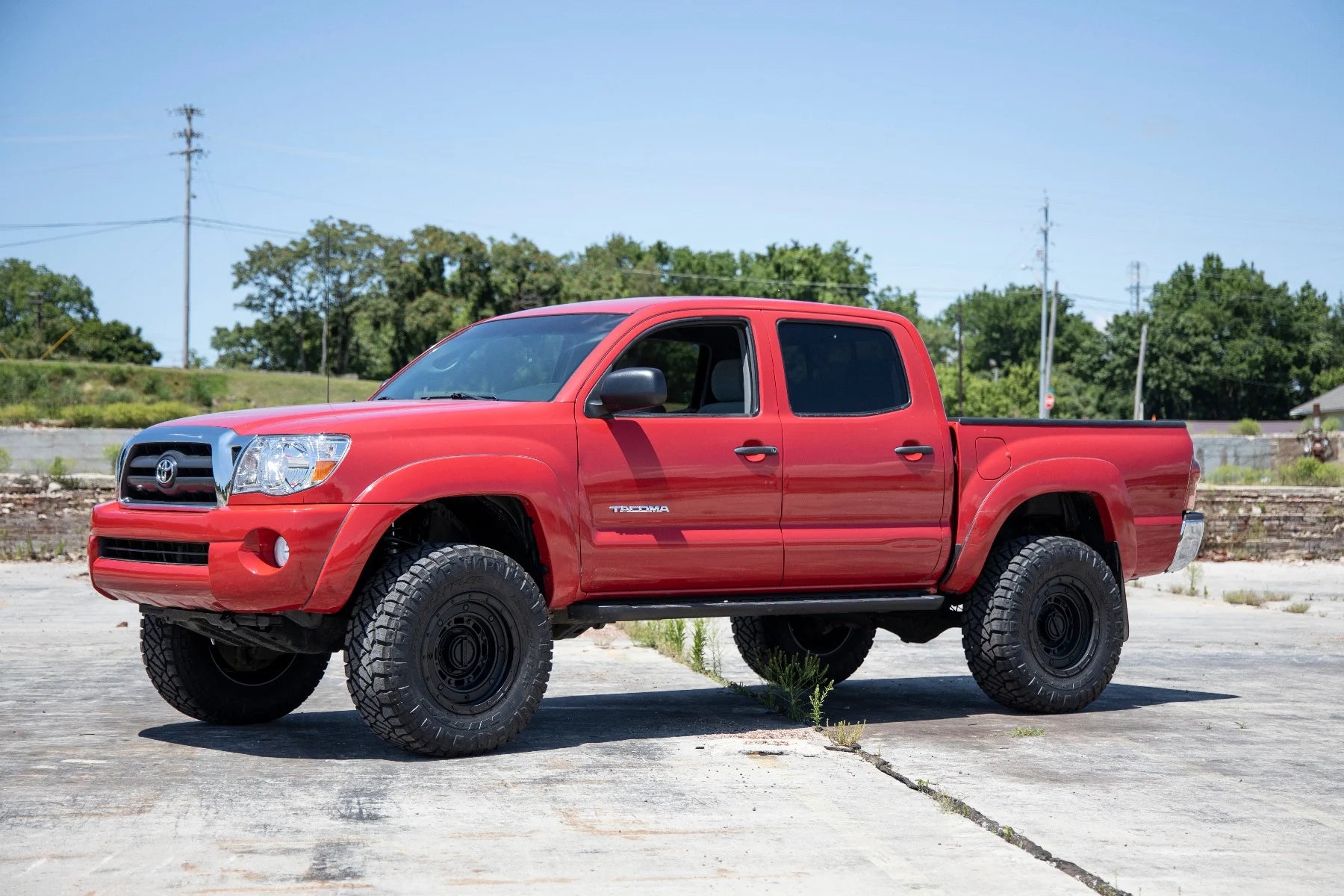
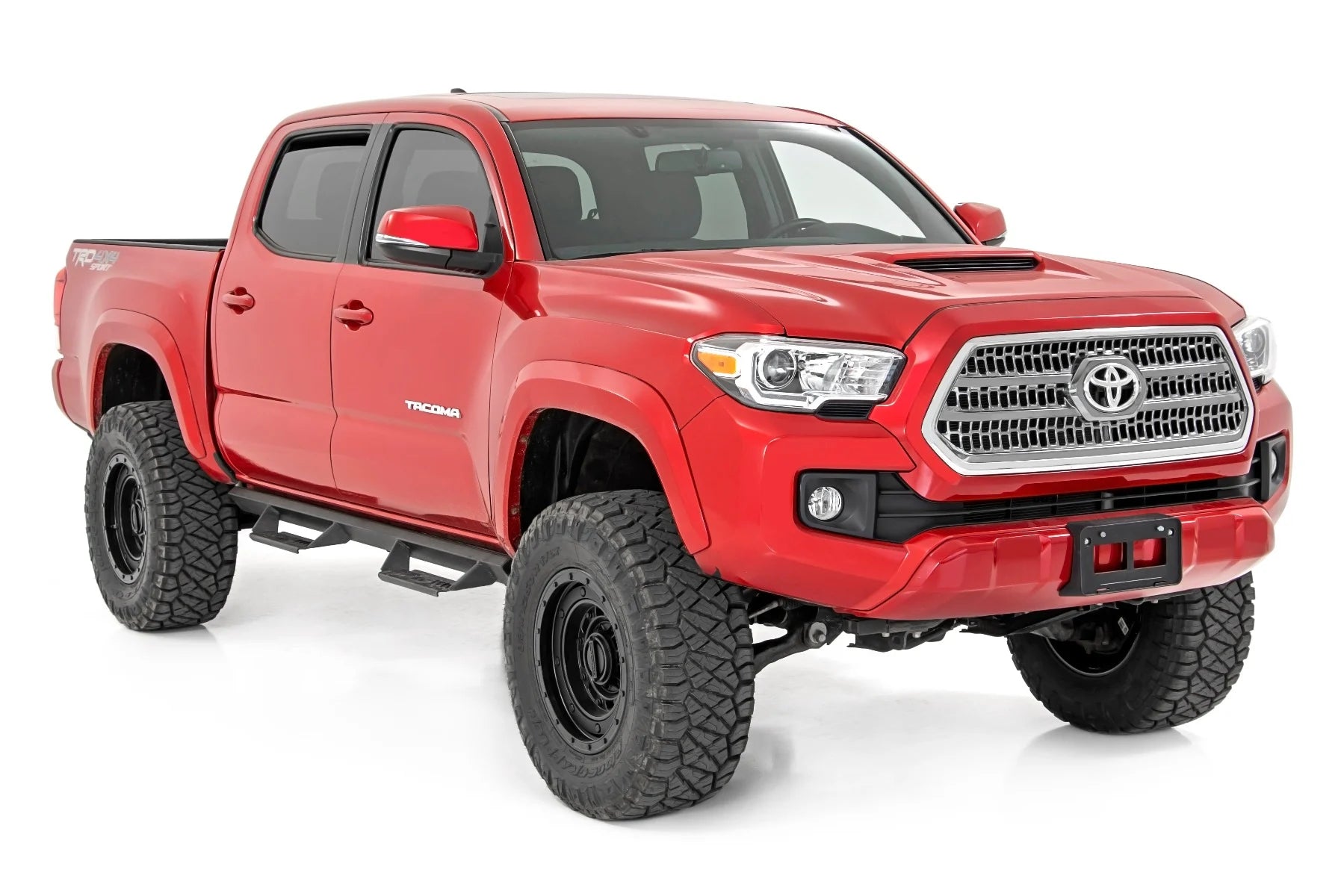
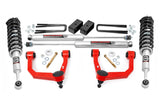
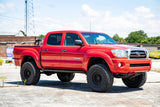
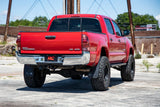
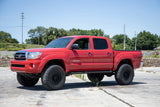
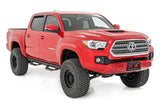
Lift kits, wheels, tires, LED lighting, and performance accessories can make a truck or Jeep more capable and more personal. They can also affect ride quality, handling, braking, fuel economy, alignment, tire clearance, and warranty considerations. Bigger is not automatically better.
A mild lift with properly sized tires may be ideal for a daily-driven truck that sees occasional beach trips, job sites, or light trails. A more aggressive build may make sense for a dedicated off-road vehicle, but it requires more attention to suspension geometry, wheel offset, driveline angles, and supporting components.
Wheels and tires are more than appearance
Wheels and tires have a major impact on how a vehicle looks, but they also determine traction, road noise, load capability, and ride feel. All-terrain tires can give a truck or Jeep more confidence on loose surfaces while remaining manageable on pavement. Mud-terrain tires offer a more aggressive look and off-road bite, though they may be louder and wear differently during highway use.
Fitment is where experienced guidance pays off. The wrong offset or tire size can cause rubbing, clearance issues, or poor handling. The goal is a setup that looks right, works right, and does not create a new list of problems every time you turn the wheel or load the bed.
Lighting should improve usable visibility
LED lighting is popular because it can sharpen a vehicle’s appearance and improve visibility. Interior LEDs, bed lights, rock lights, auxiliary driving lights, and accent lighting each serve different purposes. A clean lighting install includes secure mounting, protected wiring, correct switching, and a setup that does not drain the battery or interfere with factory electrical systems.
For road use, beam pattern and aiming matter as much as brightness. More light is only helpful if it is directed where you need it without creating glare for other drivers.
Why Professional Installation Matters
Modern vehicles are packed with electronics, data networks, sensors, safety systems, and factory integration points. Installing an aftermarket radio, remote start, camera, amplifier, or security system is no longer as simple as connecting a few color-matched wires.
A professional installer considers the full system: vehicle-specific harnesses, factory amplifier retention, steering-wheel controls, backup camera operation, signal integration, fuse protection, battery load, cable routing, and panel reassembly. That attention helps preserve the functions you already use while adding the features you want.
It also makes a difference long after installation day. A system that is tuned correctly, mounted securely, and wired cleanly is less likely to rattle, cut out, drain the battery, or create a hard-to-find electrical issue. Good work should look like it belongs in the vehicle, not like it was added in a hurry.
Build in Stages When It Makes Sense
Not every project needs to happen at once. Staging upgrades can be the smart move, especially for audio systems and truck builds. You might start with a CarPlay-compatible head unit and speakers, then add an amplifier and subwoofer later. A truck owner might begin with wheels and tires, then add suspension, lighting, and accessories as the vehicle’s role becomes clearer.
The key is planning ahead. If you know you may add amplifiers later, choose equipment and wiring paths that support that future step. If you expect to lift a truck, avoid buying wheels and tires that will become the wrong fit once suspension changes are made. A good shop can help sequence the work so you do not pay twice for the same labor or replace parts prematurely.
Choose Upgrades You Will Actually Use
The aftermarket is full of tempting products, but the best investment is usually the one that improves every drive. A clear backup camera may get more use than a flashy accessory. Quality tint can matter more in July than another cosmetic add-on. A properly designed audio system can make a long commute feel shorter without turning the vehicle into a rolling rattle box.
For drivers in Bear, Newark, Wilmington, and the surrounding area, Audio Jam can help match the product to the vehicle and handle the installation in one place. Bring in the problem you want to solve, whether it is poor sound, no smartphone integration, weak security, or a truck build that needs to work as good as it looks. The right upgrade should make you want to take the long way home.