

Off Road Vehicle Accessories Guide for Every Build

You've got a truck, Jeep, or UTV that looks ready for the trail, but the parts in your shopping cart don't yet form a plan. A lift may create tire clearance, while larger tires add weight and change gearing. A winch can recover the vehicle, but it also adds front-end load and demands safe wiring. Even bright trail lights must survive dust, water, vibration, and the electrical limits of the vehicle.
That's why off road vehicle accessories work best as an integrated system, not as isolated upgrades. The right combination improves access, protection, recovery, visibility, comfort, and daily drivability. The wrong combination can create rubbing, poor alignment, excess weight, battery drain, uncomfortable handling, or a setup that fails local road requirements.
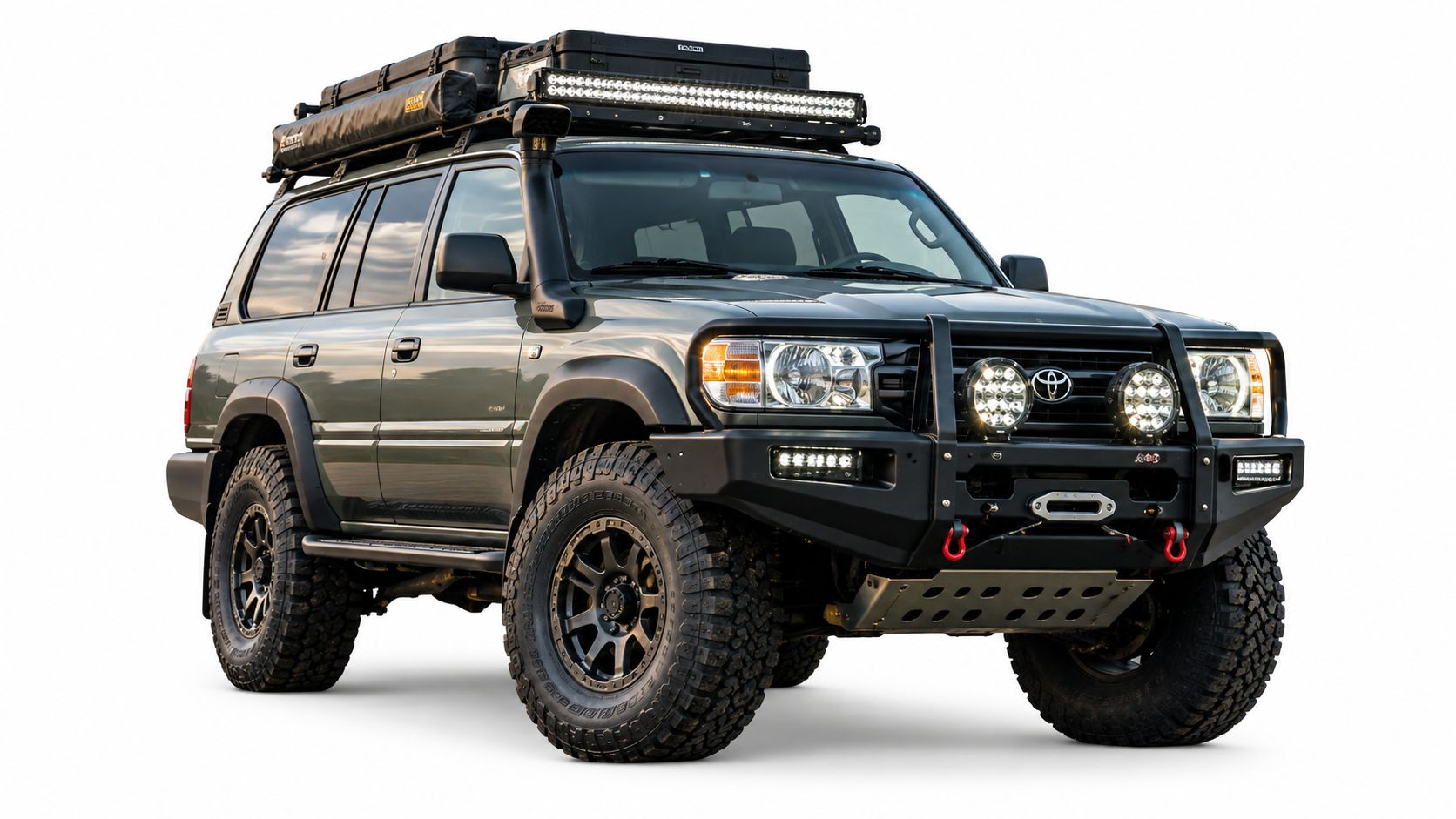
Table of Contents
- Introduction to Off Road Vehicle Accessories and What They Unlock
- How Off Road Accessory Systems Work Together
- Choosing Accessories by Vehicle and Use Case
- Fitment Compatibility and Electrical Considerations
- Installation Complexity Tools and When to Hire a Pro
- Real World Accessory Examples for Trucks Jeeps and UTVs
- Building a Durable Legal and Trail Ready Setup
Introduction to Off Road Vehicle Accessories and What They Unlock
A first-time build often starts with appearance. You notice a Jeep with a higher stance, a truck wearing aggressive tires, or a UTV fitted with a roof, lights, and a winch. Those visual changes are easy to understand, but the practical value comes from how the parts work together.
A suspension upgrade can improve ground clearance and control on uneven terrain. Tires determine how the vehicle transfers power to dirt, rock, sand, or mud. Recovery equipment gives you a way out when traction disappears. Lighting extends visibility, while skid plates, rock sliders, bumpers, and fender protection help prevent trail damage. Storage and power accessories make longer trips more manageable.
The broader market shows how central these builds have become. In 2025, pickups and SUVs together represented 43% of the entire $52.92 billion aftermarket accessories and performance parts market, according to SEMA's market research on consumer spending. Pickups alone represented 30% of sales, and owners spent more than $15 billion modifying them for off-road, utility, and recreational use in that year, as reported by the same source.
Those figures don't mean every owner needs an extreme build. They do show that truck and SUV accessories support many real use cases, including work, camping, trail driving, towing, and daily transportation. A sensible setup begins by deciding what the vehicle must do most often.
Installer's rule: Build for the hardest regular task, not the most dramatic photo opportunity.
You'll learn how suspension, wheels, tires, lighting, recovery gear, electrical systems, and protective equipment affect one another. By the end, you'll be able to compare accessory packages, check fitment before ordering, recognize jobs that need professional installation, and create a reliable setup that remains useful on pavement and on the trail.
How Off Road Accessory Systems Work Together
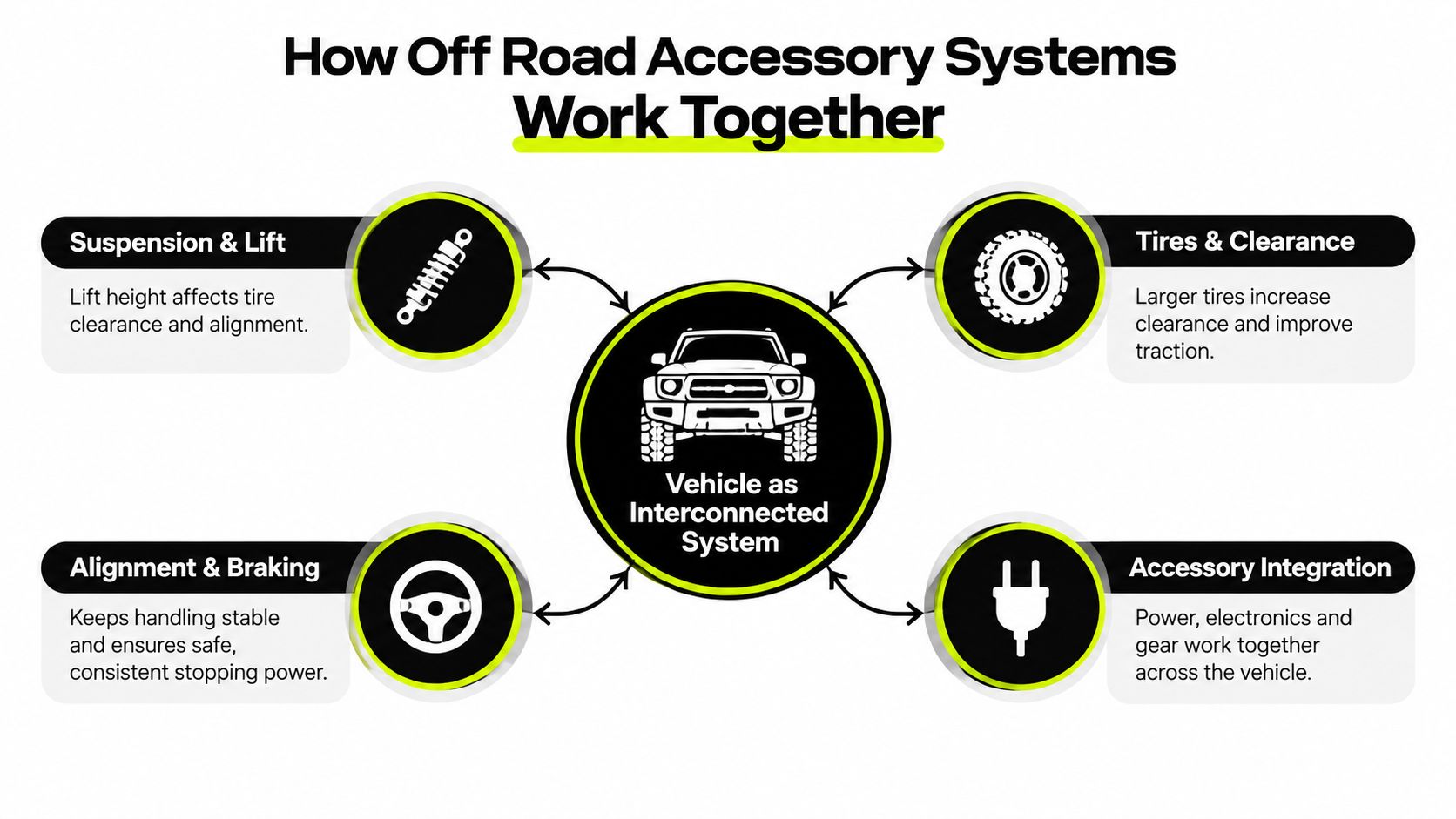
Think of the vehicle as a person preparing for a long hike. Suspension is the foundation and joints, wheels and tires are the shoes, electrical equipment is the nervous system, and recovery hardware is the emergency kit. Changing one part changes the demands placed on the others.
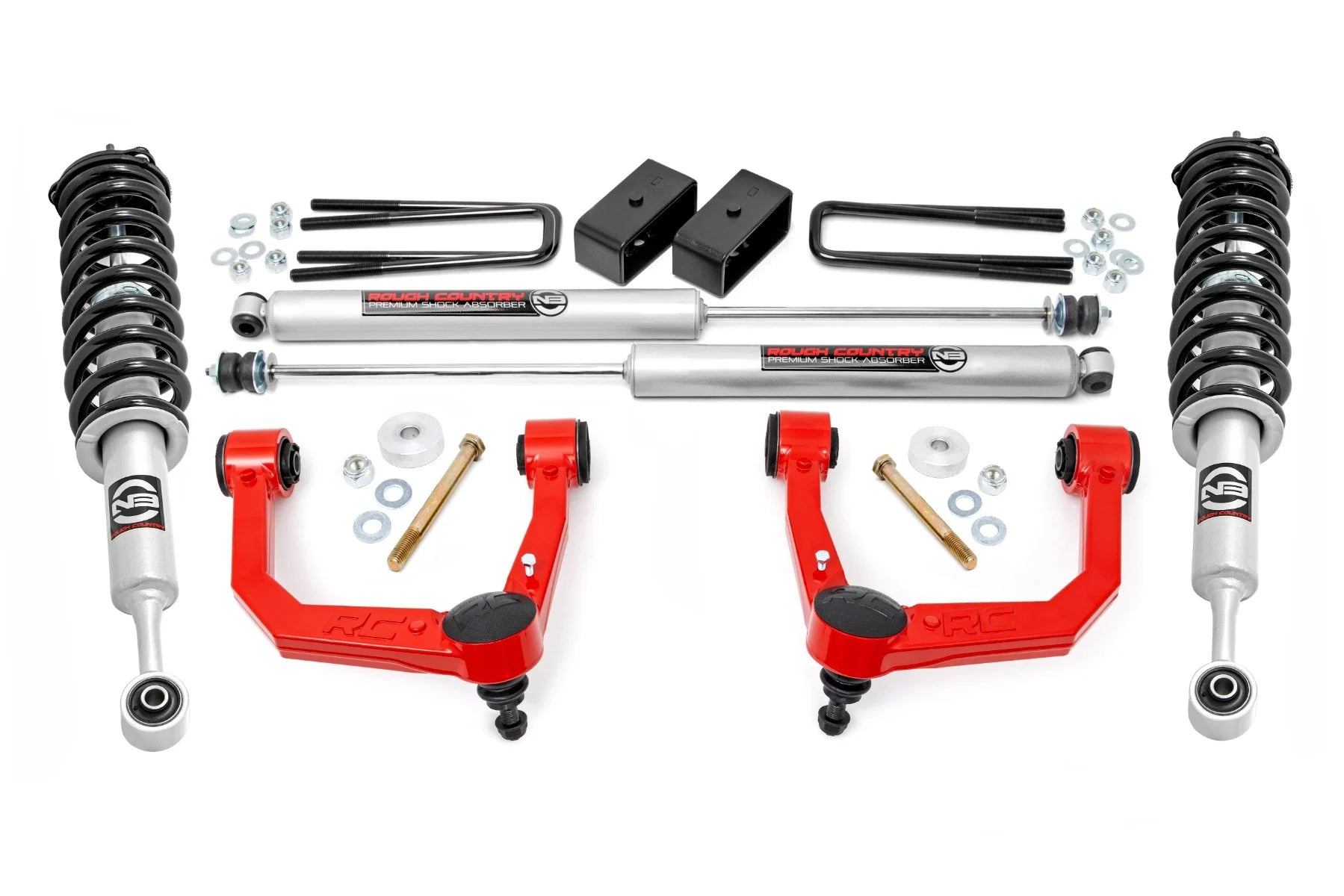
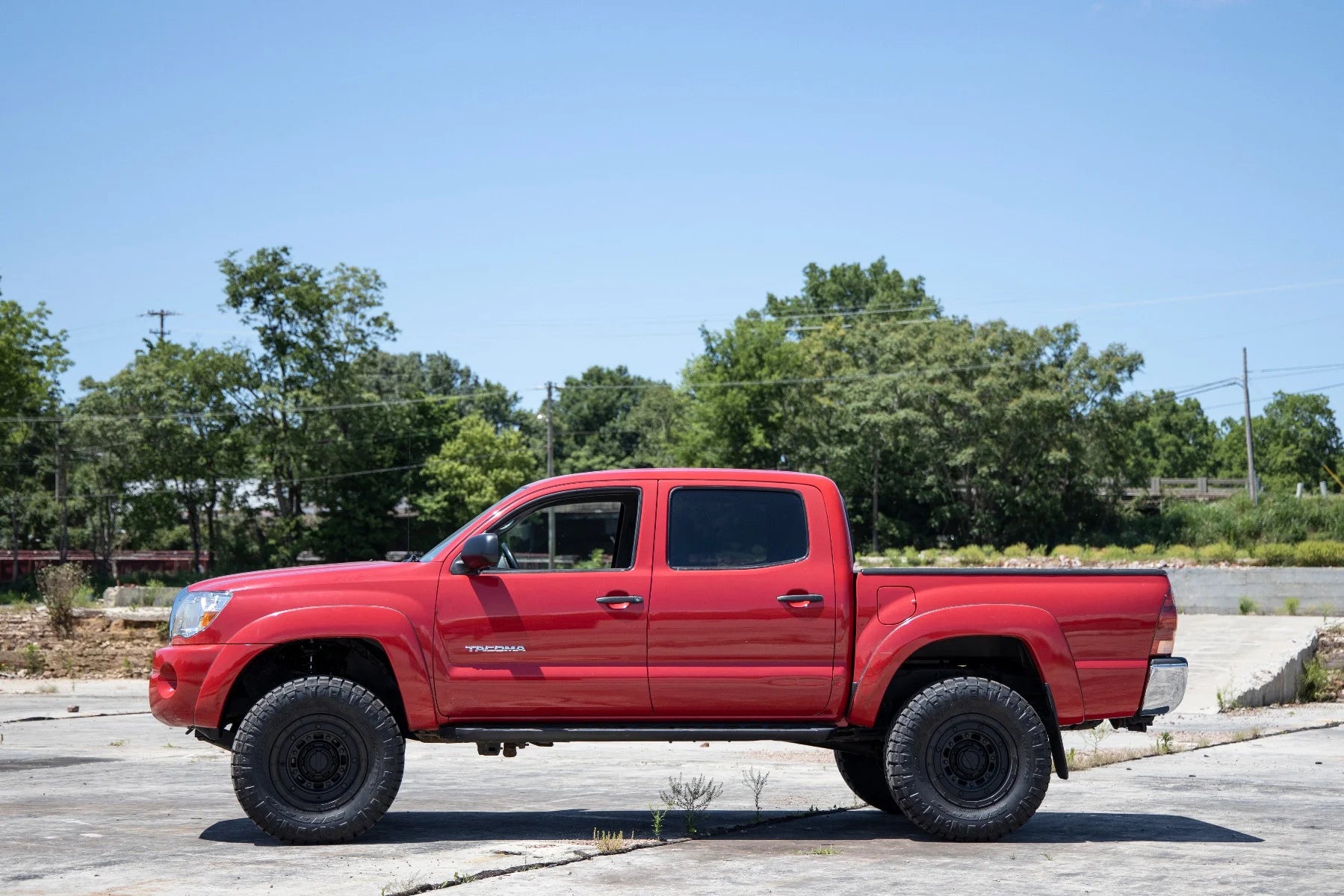
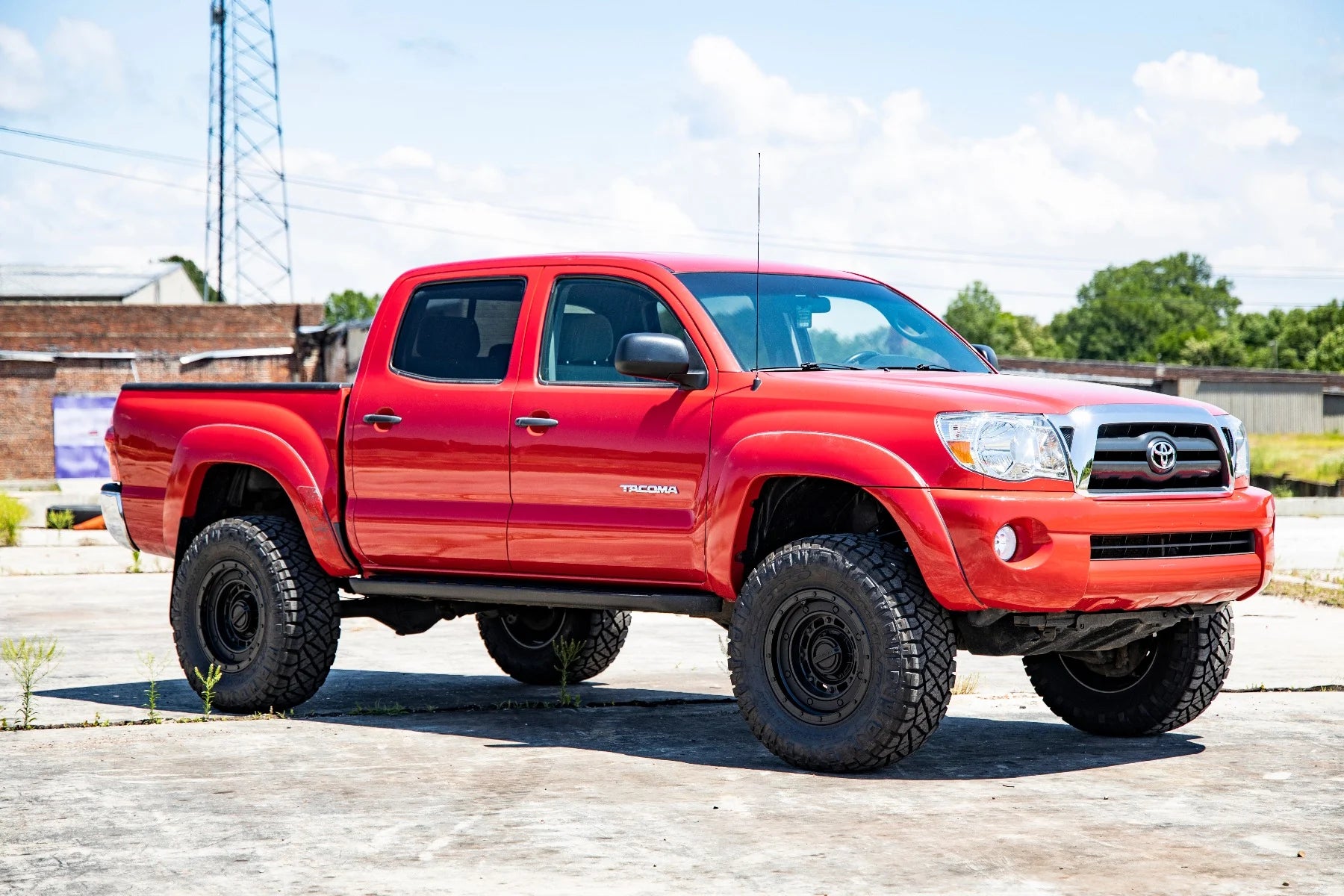
Start with the suspension. A lift can create room for larger tires, but lift height also affects alignment angles, steering behavior, brake-line routing, driveshaft angles, and ride quality. If the lift is chosen without considering wheel offset and tire width, the tire may rub the fender, control arm, or inner liner during turns or suspension compression.
Tires then become more than a traction choice. A larger or heavier tire can alter acceleration, braking feel, steering effort, fuel use, and the load placed on bearings and suspension components. Wheel offset changes where the tire sits in relation to the body and suspension. More outward position may improve clearance in one area while increasing fender exposure or steering load in another.
The load path matters
Protection and recovery parts add capability, but they also add mass and mounting demands. A steel bumper, winch, recovery boards, roof rack, spare tire, drawer system, and camping equipment can change how the vehicle sits and handles. If the added weight is permanent, the suspension should account for it rather than treating it as an occasional surprise.
Electrical accessories follow the same system logic. LED light bars, scene lights, compressors, winches, refrigerators, amplifiers, and communication equipment all draw power. A clean installation requires suitable wire gauge, fuses, relays, grounds, switches, and a realistic plan for how the battery and charging system will support the load.
The most useful way to plan is to draw connections between decisions:
- Lift affects clearance: Tire size, wheel offset, alignment, and suspension travel must be considered together.
- Tires affect road behavior: Larger rotating mass can change braking, steering, gearing, and comfort.
- Recovery affects structure: A winch needs a properly rated mount, safe line hardware, and accessible controls.
- Lighting affects integration: Mounting location, sealing, aiming, wiring, and electrical capacity all matter.
- Weight affects everything: Payload, spring choice, braking, roof loading, and fuel use respond to added equipment.
A catalog encourages you to buy parts one at a time. A system plan asks a better question: What does this part require from the parts around it?
Choosing Accessories by Vehicle and Use Case
The best accessory package depends on the vehicle's workday, weekend, and terrain. A daily-driven Jeep used for occasional trails needs a different balance from a work truck that carries tools or an overland rig that stays loaded for long trips.
Begin with four questions. What terrain will you drive? How much equipment or cargo will remain in the vehicle? What climate and exposure will the accessories face? How often will the vehicle leave pavement? Your answers help separate useful capability from weight and complexity you won't use.
| Use Case | Top Priority Accessories | Key Tradeoff to Consider |
|---|---|---|
| Weekend trail driving | All-terrain or terrain-specific tires, modest suspension, recovery points, underbody protection, trail lighting | More clearance and traction can reduce ride comfort or increase road noise |
| Overlanding and camping | Roof or bed storage, recovery gear, auxiliary power, lighting, durable tires, modular cargo equipment | Added weight and roof load can affect handling, efficiency, and suspension needs |
| Work and towing | Load-appropriate suspension, bed protection, recovery points, practical lighting, durable floor and cargo protection | A heavily accessorized front or roof can reduce available payload |
| Daily-driven style build | Mild leveling or suspension changes, wheels and tires, fender protection, clean lighting integration | Aggressive fitment may create rubbing, noise, harshness, or inspection concerns |
| UTV or ATV recreation | Winch, protective bumpers, trail lighting, water-resistant audio, storage, skid protection | Open vehicles expose accessories to mud, water, impact, and pressure washing |
A Jeep often benefits from a balanced combination of suspension control, tire clearance, rock protection, and recovery access. The goal isn't just to raise it as high as possible. A moderate setup that keeps steering predictable and the vehicle comfortable may serve a daily driver better than a taller build.
A pickup usually needs a payload conversation before an accessory conversation. Bed covers, racks, bumpers, winches, tools, spare tires, and camping equipment can accumulate quickly. Choose suspension and storage with the loaded vehicle in mind, not the empty vehicle sitting in the driveway.
A UTV or ATV has different priorities. Its compact size makes mounting location important, and its open design exposes wiring, speakers, switches, and lights to mud and water. Look for sealed connectors, protected routing, sturdy brackets, and controls that remain usable with gloves.
Overlanding has also become a significant category rather than a narrow specialty. Industry data values overlanding accessories at $3.8 billion in 2025 and projects the segment to reach $7.1 billion by 2034, including equipment such as roof racks, recovery gear, lighting, and modular camp systems, according to Future Market Insights' 4x4 parts and accessories research.
Choose the use case first. Then select the lightest, simplest package that solves it.
Fitment Compatibility and Electrical Considerations
A part can be high quality and still be wrong for your vehicle. Fitment begins with the exact make, model, year, drivetrain, cab or body configuration, and factory options. A bumper designed for one grille, sensor layout, or tow-hook position may not work on another version of the same vehicle.
Use this order before buying:
- Confirm vehicle details. Record the exact year, trim, axle configuration, engine, bed length, and factory packages. Check whether the vehicle has parking sensors, radar, cameras, or other driver-assistance hardware.
- Measure the planned combination. Compare lift height, tire diameter, tire width, wheel diameter, wheel offset, and fender clearance. Check clearance at full steering lock and through suspension compression, not only while parked.
- Review load limits. Add the estimated weight of bumpers, winches, racks, spare tires, tools, occupants, cargo, and recovery equipment. Compare the loaded total with the vehicle's payload and axle limits.
- Map the electrical demand. List every light, compressor, winch control, refrigerator, amplifier, USB outlet, camera, and communication device. Plan circuits separately rather than joining everything to one switch or fuse.
- Test integration. Verify sensor operation, warning lights, camera views, lighting aim, charging behavior, and accessory controls before traveling.
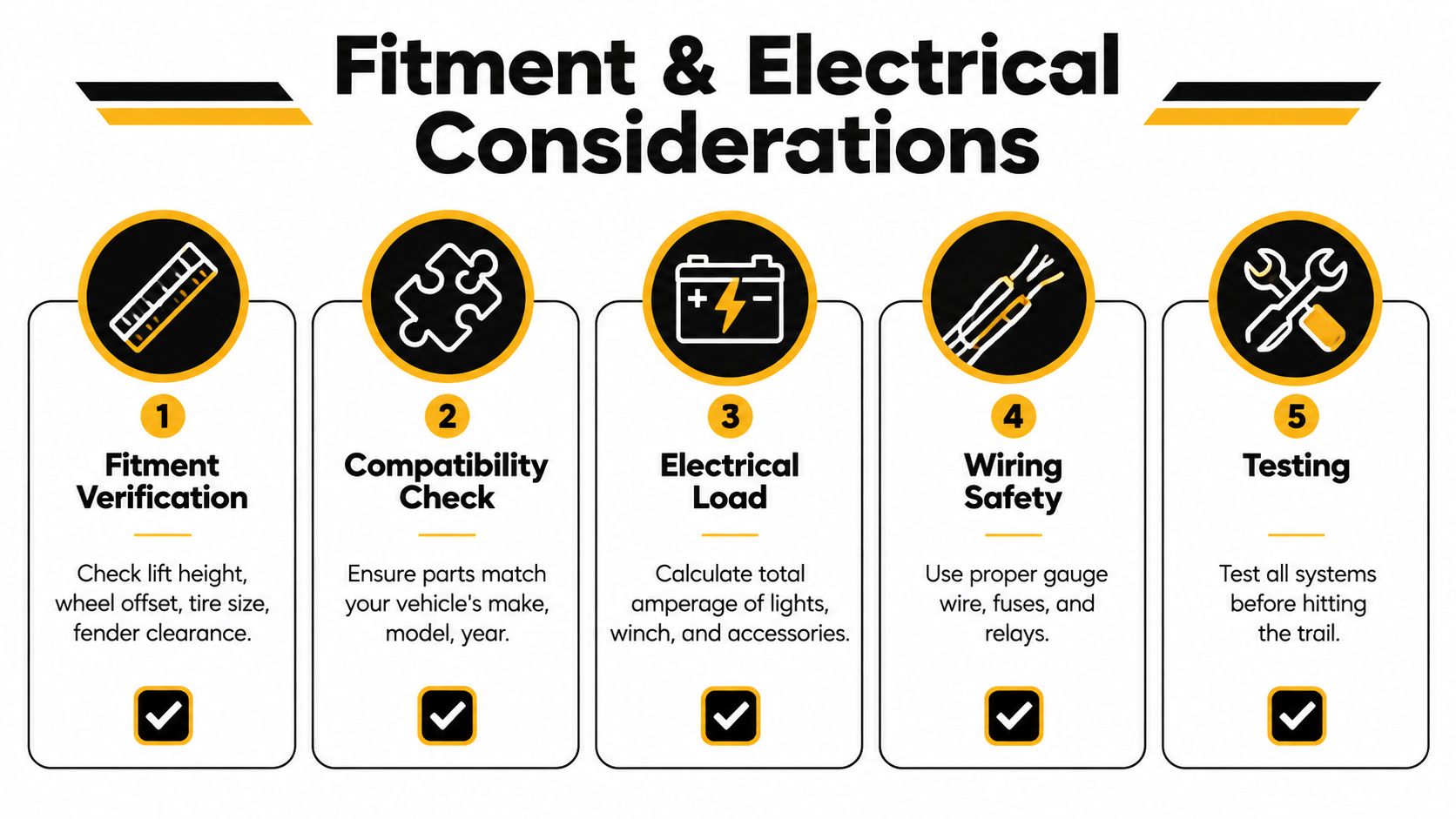
Modern vehicles need a compatibility check
Electrified and electronics-heavy vehicles add another layer. Accessory wiring can interact with CAN-bus networks, battery monitoring, factory charging logic, ADAS sensors, and warranty requirements. A light mount near a radar sensor can affect detection. Poorly routed wiring can create faults, while an incorrectly connected amplifier or auxiliary circuit can introduce noise or battery drain.
A vehicle with a high-voltage system or advanced driver assistance deserves manufacturer-specific instructions and an installer familiar with that platform. Don't assume that a traditional fuse tap, grounding point, or bumper design is suitable.
Electrical habit: Fuse each circuit for the wire and accessory it protects, then secure the wiring away from heat, abrasion, suspension travel, and moving controls.
For trail lighting, ask about environmental sealing rather than relying on lumen claims alone. A technical guide to IP ratings and lighting durability explains that IP67 indicates dust-tight sealing and short immersion, while IP68 supports deeper or longer immersion under specified conditions. IP69K is designed for high-pressure hot-water washdown, which can matter for vehicles regularly cleaned after muddy trail use.
Watch the installation video for a practical visual reference before beginning:
Installation Complexity Tools and When to Hire a Pro
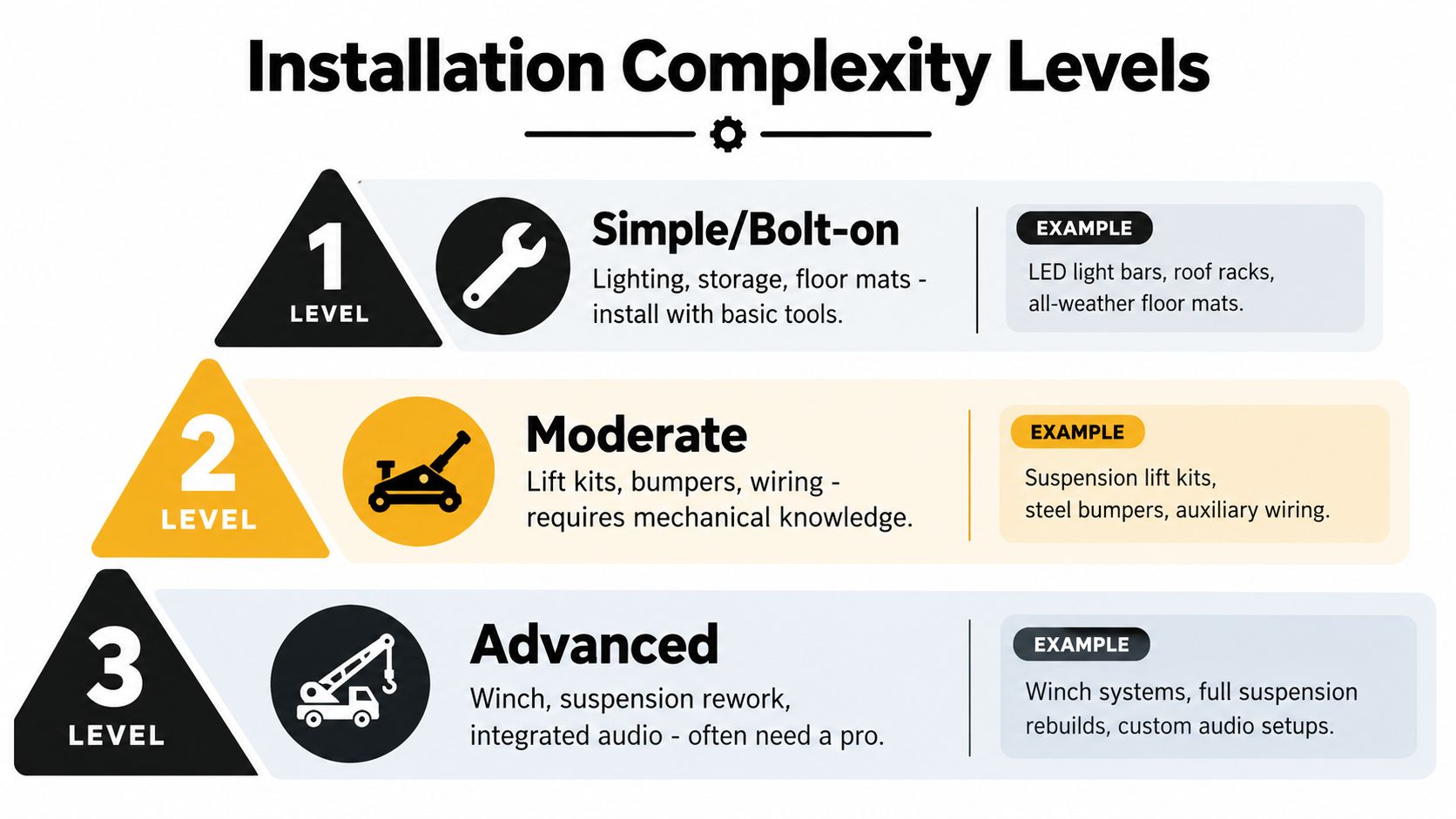
Some accessories are approachable for a careful DIY owner. Others affect steering, braking, structural load, recovery safety, or vehicle software. Treat those categories differently.
Simple jobs still need clean work
Floor mats, bed covers, basic storage, and some bolt-on lighting installations usually require hand tools, trim tools, a drill, a multimeter, and patience. Even here, avoid pinching wires under trim or drilling without checking what sits behind the panel. Seal every exterior hole with an appropriate grommet or weatherproof fitting.
Moderate jobs include leveling kits, lift components, bumpers, auxiliary wiring, and certain roof or bed systems. You'll need a quality jack and stands, torque tools, penetrating oil, measuring tools, and the correct manufacturer instructions. Suspension work also requires attention to spring orientation, fastener torque, brake-line slack, steering clearance, and alignment afterward.
Safety-critical work deserves a higher threshold
Winch installation combines structural mounting, high-current wiring, line handling, and vehicle-specific fitment. Suspension rework can alter steering and braking geometry. Integrated audio or camera systems on modern vehicles may require interface modules, calibration, and careful disassembly to preserve factory functions.
Hire a professional if you lack safe lifting equipment, can't verify torque specifications, don't have a reliable wiring test method, or aren't comfortable diagnosing rubbing and alignment problems. A clean shop should explain the parts being installed, identify compatibility concerns, protect the interior, route wiring properly, and provide a clear post-installation check.
For Delaware drivers, appointment planning matters when a build combines suspension, wheels, tires, lighting, audio, and safety electronics. Ask the installer whether the work can be completed as one coordinated package or whether alignment, calibration, or a follow-up inspection requires a separate visit. That prevents a vehicle from sitting unfinished because one system depends on another.
Know your limit: If a failed installation could change how the vehicle steers, stops, supports weight, or recovers another vehicle, professional inspection is the sensible choice.
Real World Accessory Examples for Trucks Jeeps and UTVs
Three builds show how the system approach changes the parts list.
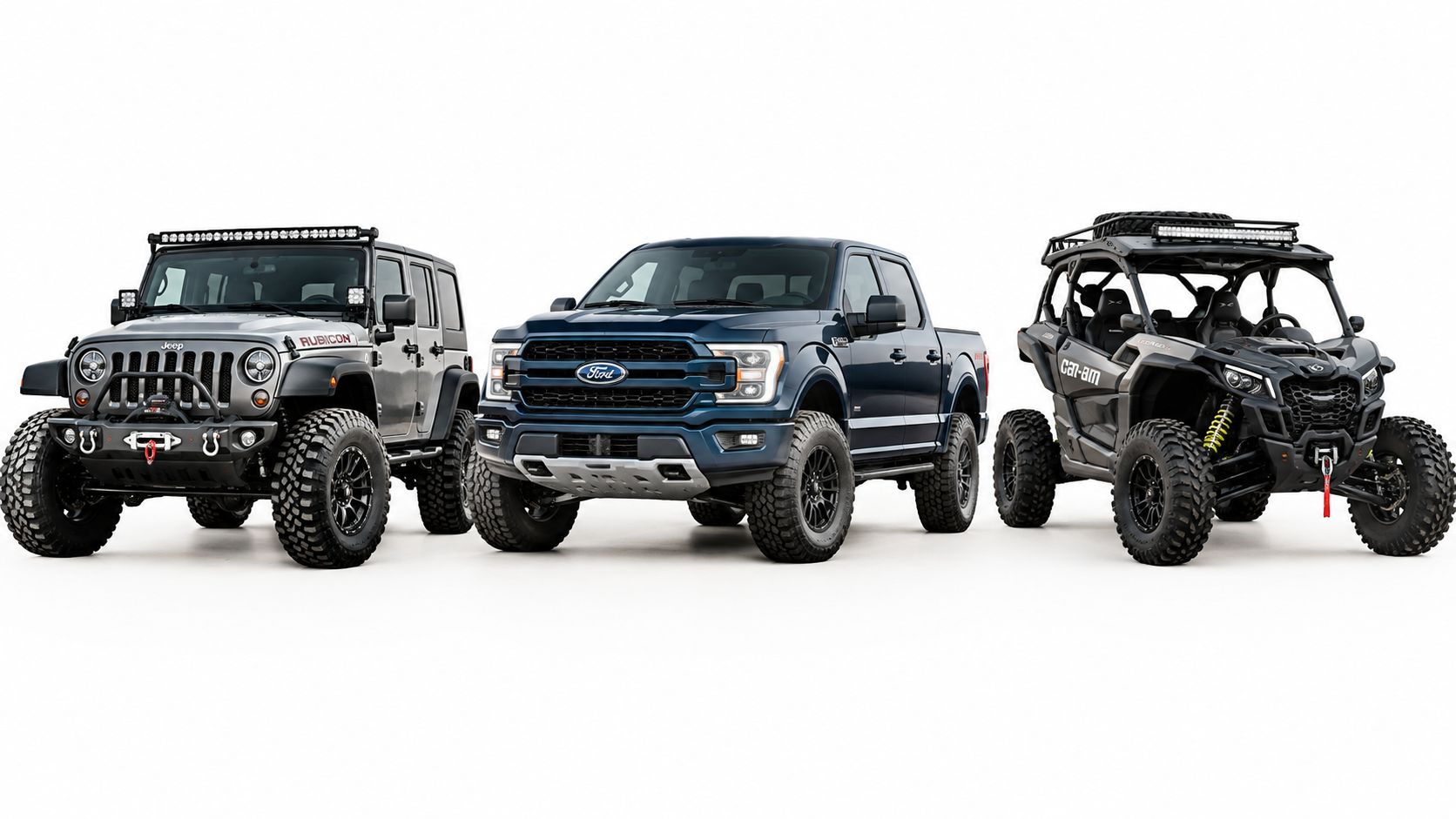
The daily-driven Jeep
For a Jeep that commutes during the week and visits moderate trails on weekends, start with a controlled suspension package rather than maximum lift. Pair it with tires chosen for the actual mix of pavement and dirt, then check steering clearance, fender contact, alignment, and spare-tire support.
Rock sliders and underbody protection provide useful defense without turning the vehicle into a heavy expedition build. Lighting should be mounted securely, aimed responsibly, and sealed for wet and dusty conditions. The setup avoids oversized equipment that adds weight without solving a regular problem.
The working pickup
A work truck needs its storage and recovery layout planned around cargo. Bed protection, a secure cover or rack, recovery points, practical scene lighting, and an auxiliary power strategy can support both jobsite use and recreation.
If the truck carries a permanent bumper, winch, tools, spare tire, and camping load, suspension selection should reflect that constant weight. Suspension and off-road tires together accounted for more than $5 billion in 2025 spending, according to market data on off-road vehicle accessories. That spending concentration reinforces a practical point: these parts affect how the vehicle works, not just how it looks.
The recreational UTV
A UTV benefits from compact, rugged accessories. A winch, skid protection, trail lighting, storage, and weather-resistant audio can improve recreation without crowding the cabin. Use marine-style connectors or sealed components where exposure is severe, and route wiring high and away from abrasion points.
Synthetic winch rope is easier to handle than steel cable and stores less elastic energy if the line fails. The technical overview of synthetic winch lines describes how reduced recoil can lower injury risk, while lighter weight makes handling easier and avoids sharp wire burrs. Size the rope, winch, shackles, and recovery points as one rated system, and keep the working load comfortably below the line's break strength.
For all three builds, maintenance is part of the accessory choice. Inspect mounts, clean mud from connectors, check tire wear, look for rubbing marks, and examine winch rope or cable after hard use. Durability is measured by how well the setup remains serviceable after repeated exposure, not only by how impressive it appears when new.
Building a Durable Legal and Trail Ready Setup
A dependable build follows a sequence. Define the use case, select tires and suspension together, account for permanent weight, plan recovery points, map electrical circuits, and confirm that lighting and safety systems remain functional. Then inspect the complete vehicle as one package.
Before the first trail trip, verify:
- Clearance: Turn the steering from lock to lock and inspect tire, liner, brake, and suspension clearance.
- Alignment: Complete an alignment after suspension or wheel changes, then watch for abnormal tire wear.
- Torque: Recheck accessible fasteners after the initial drive and follow the manufacturer's torque guidance.
- Lighting: Aim auxiliary lights so they improve trail visibility without creating unsafe glare for other drivers.
- Recovery: Confirm that the winch mount, fairlead, rope, hook, shackles, and recovery points are compatible and undamaged.
- Electrical safety: Protect circuits with suitable fuses, secure wiring, and test charging behavior with accessories operating.
- Legal compliance: Check local rules for lift height, lighting position and color, tire coverage, bumper equipment, noise, and road use.
- Load management: Keep roof cargo, bed equipment, passengers, and recovery gear within the vehicle's limits.
Trail legality also includes land access and temporary restrictions. Conditions can change because of fire danger, closures, seasonal rules, or private land policies, so check the authority responsible for the area before traveling. A capable vehicle still needs a lawful place to operate.
Build in stages when the budget or knowledge is limited. Start with tires, recovery access, protection, and lighting that solve immediate needs. Add storage, power, audio, or suspension changes after you've learned how the vehicle behaves loaded and unloaded.
The best off road vehicle accessories don't compete with one another. They share a clear purpose, fit the vehicle, respect its limits, and remain easy to inspect.
Audio Jam Inc offers vehicle-specific off-road lighting, lift and leveling kits, wheels and tires, winches, rugged audio, and related accessories for trucks, Jeeps, UTVs, and ATVs. Visit Audio Jam Inc to shop compatible equipment or discuss a coordinated installation for your Delaware build.