

Window Tint Installation Cost Explained

Cheap tint usually looks cheap fast. The first hot week, you notice the difference between a clean install and film that starts bubbling, peeling, or turning purple. That is why window tint installation cost is not just about the number on the quote. It is about the film, the installer, the vehicle, and how long you expect the result to last.
If you are pricing tint for a sedan, truck, SUV, Jeep, or something more specialized, the range can be wider than most people expect. A basic job may seem attractive up front, but the real value comes from fit, finish, heat rejection, appearance, and how the tint holds up over time. Here is what actually drives the price.
What affects window tint installation cost?
The biggest factor is the type of film being installed. Dyed film usually sits at the lower end of the market. It improves appearance and adds some privacy, but it is not the strongest option for long-term heat rejection or color stability. If you just want a darker look on a budget, it may do the job. If you want performance in the summer and cleaner longevity, it often falls short.
Carbon film costs more, but it gives you a better mix of appearance, heat reduction, and durability. It tends to hold its color better and gives a more premium finish. Ceramic film is usually the top-tier option, and that price reflects what it does. It rejects more heat, helps with glare, and offers strong performance without relying on a super-dark shade. For a daily driver that spends time in the sun, ceramic is often where customers see the biggest payoff.
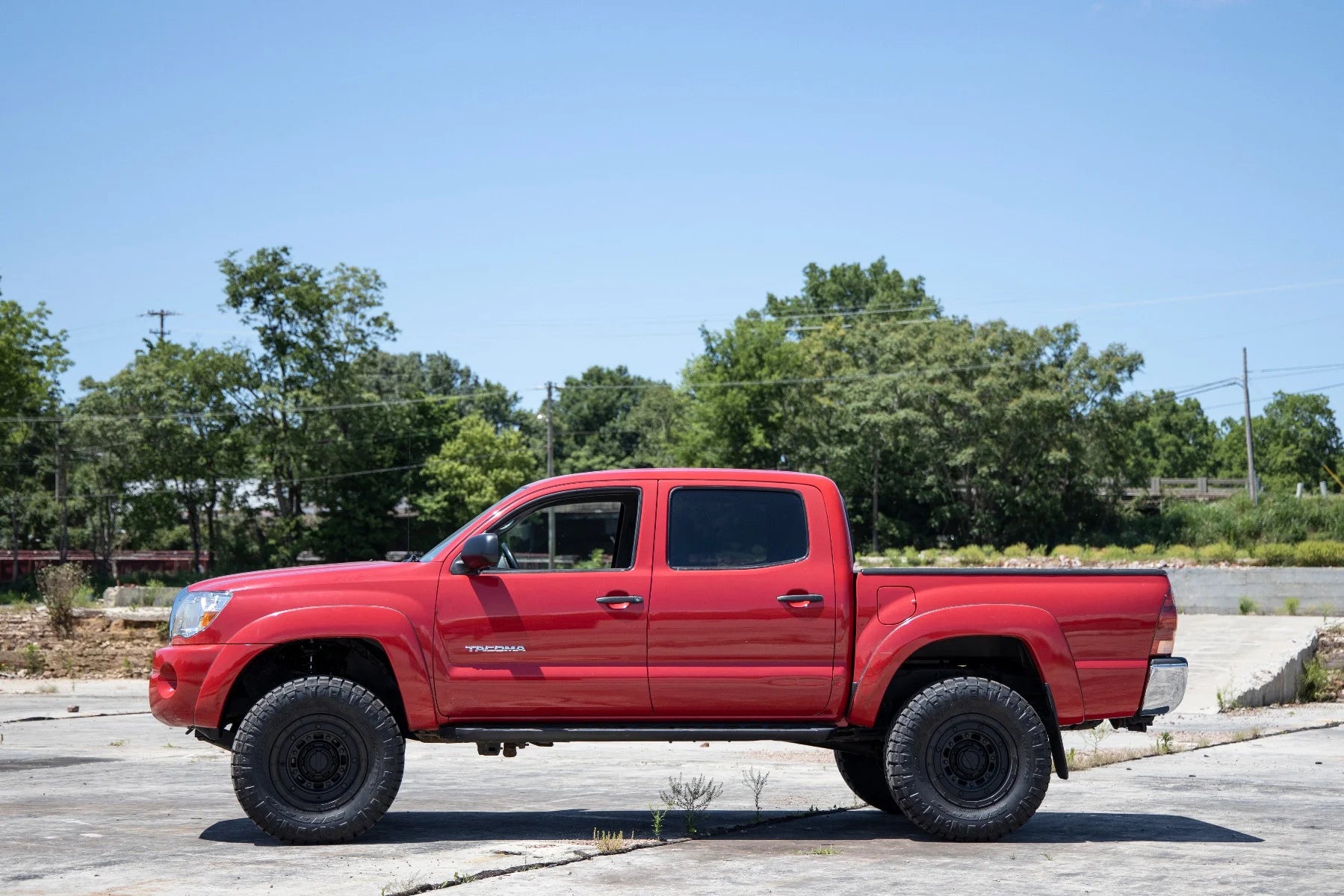
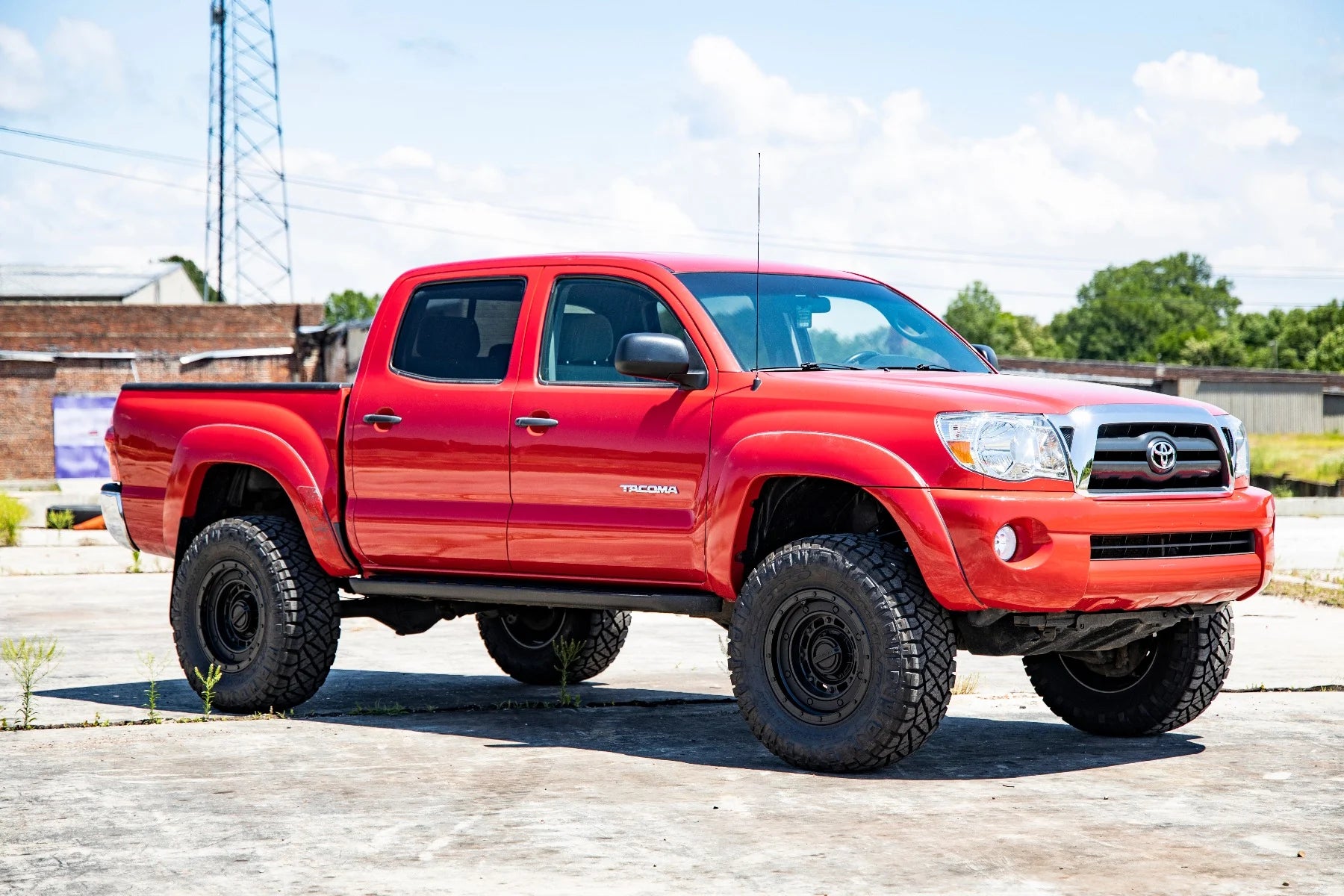
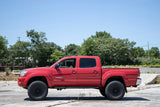
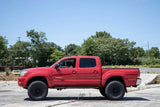
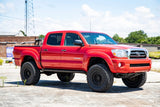
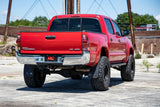
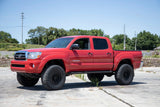
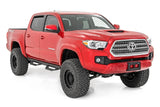
Vehicle size also matters. A two-door coupe with straightforward glass is quicker to tint than a full-size SUV with more windows and a larger rear hatch. Trucks can vary depending on whether you are tinting just the front two windows to match factory glass or doing the full vehicle. Some rear windows, especially large curved back glass, take more labor and more skill. More glass area and more complicated shapes mean more installation time.
Then there is the condition of the vehicle. If old tint needs to come off first, that adds labor. Removing aged film and adhesive can be time-consuming, especially if the old material is baked on or already failing. Defroster lines on rear glass have to be handled carefully too. A removal and re-tint job almost always costs more than a fresh install on untinted glass.
Typical price ranges for car tint
Window tint installation cost for a standard sedan often starts around the lower hundreds for basic dyed film and climbs from there depending on film quality. Mid-grade carbon options usually land higher, while ceramic can push the total into a premium range. For coupes and compact cars, the price may be a little lower than for larger four-door vehicles, but not always by much if the glass design is more difficult.
For trucks and SUVs, pricing usually increases because there is more glass or larger glass to work with. If you are tinting only the front doors to match factory privacy glass, the cost is much lower than doing the entire vehicle. That is a common option for truck and SUV owners who want the whole vehicle to look finished without replacing the factory rear glass tint.
A rough way to think about it is this: entry-level tint is priced for appearance, mid-tier tint is priced for appearance plus better durability, and premium tint is priced for actual performance. If a quote seems dramatically below the rest of the market, there is usually a reason.
Why film quality changes the price so much
Not all tint film is built the same, even if two cars look similar from ten feet away. Lower-end films can fade, discolor, or break down faster under sun exposure. That is where you get the classic purple look people associate with old, low-quality tint. It may save money at the start, but if you end up replacing it early, it was not actually the cheaper option.
Higher-quality film costs more because the material performs better and lasts longer. Ceramic film is a good example. It is usually chosen by drivers who care about cabin comfort, reducing heat buildup, and getting a cleaner long-term result. If your vehicle sits outside, if you have leather or upgraded interior pieces, or if you spend a lot of time commuting, premium film makes more sense.
There is also a difference in optical clarity. Better films tend to look cleaner from both inside and outside the vehicle. That matters more than people think, especially on newer vehicles where a bad tint job can make the whole car look cheaper.
Installation quality matters as much as the film
A good product can still look bad with a poor install. Precision trimming, clean edges, proper shrinking on curved glass, and contamination control all matter. Dust, hair, trapped debris, and uneven edges are the things customers notice once the car is back in the sun.
That is part of what you are paying for with a professional shop. The goal is not just to darken the windows. The goal is to make the tint look like it belongs on the vehicle. That takes experience, the right tools, and a shop environment set up for the work.
This is especially true on vehicles with complex rear windows, frameless doors, or electronics integrated near the glass. An installer who works on aftermarket upgrades every day understands how to protect the vehicle while getting the job done right.
Cheap tint vs professional tint
There is always a customer comparing a bargain ad to a professional quote. That comparison makes sense, but only if you are comparing the same thing. A lower price may mean lower-grade film, less warranty support, rougher edge finishing, or less experienced labor.
Professional tint usually includes better material choices, more consistent installation, and support if there is ever a defect. That matters because tint is something you see every day. If it starts failing, you do not forget about it. You look at the problem every time you drive.
The other trade-off is legal compliance. A professional installer should be able to explain your shade options and help you avoid mistakes. Going too dark in the wrong place can create problems later, and redoing illegal tint costs more than doing it right the first time.
Questions to ask when comparing quotes
A tint quote should tell you more than just the price. Ask what type of film is being used, whether it is dyed, carbon, or ceramic, and what warranty comes with it. Ask if removal of old film is included and whether the quote covers all side and rear glass or only part of the vehicle.
It is also worth asking how the shop handles rear windows, dot matrix areas, and factory privacy glass matching. These details affect the final look. Two quotes can sound similar on paper but produce very different results once the install is done.
If you are local to Bear, Newark, Wilmington, or the surrounding Delaware area, getting the car looked at in person is often the fastest way to get an accurate number. Vehicle layout, existing tint, and your goals all affect the final price.
Is premium tint worth the higher window tint installation cost?
For some drivers, no. If you are tinting an older vehicle and your main goal is basic privacy or a darker look, a more affordable film can be enough. That is a real use case, and there is nothing wrong with it if expectations are clear.
For a newer daily driver, work truck, family SUV, or any vehicle you plan to keep, premium tint usually makes more sense. Better heat rejection can improve comfort, especially during summer. Better film stability means the vehicle keeps a cleaner look over time. If you care about doing the job once and being done with it, higher-quality film is usually the smarter spend.
Audio Jam sees this every day with customers upgrading vehicles for comfort and appearance at the same time. Tint is one of those upgrades that feels simple, but the right film and installation make a noticeable difference every time you get behind the wheel.
The best way to look at tint pricing is not cheapest versus most expensive, but rather value versus cost. It is matching the film and install quality to the vehicle and how you use it. Spend where performance matters, save where it does not, and make sure the finished job looks right for the long haul.
We proudly serve Bear and surrounding areas.
Bear, Delaware
Newark, DE
Middletown, DE
Wilmington, DE
New Castle County, DE
Our location makes it convenient for drivers across the region.