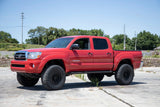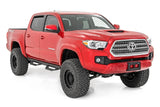


What Is a Lift Kit and How Does It Work

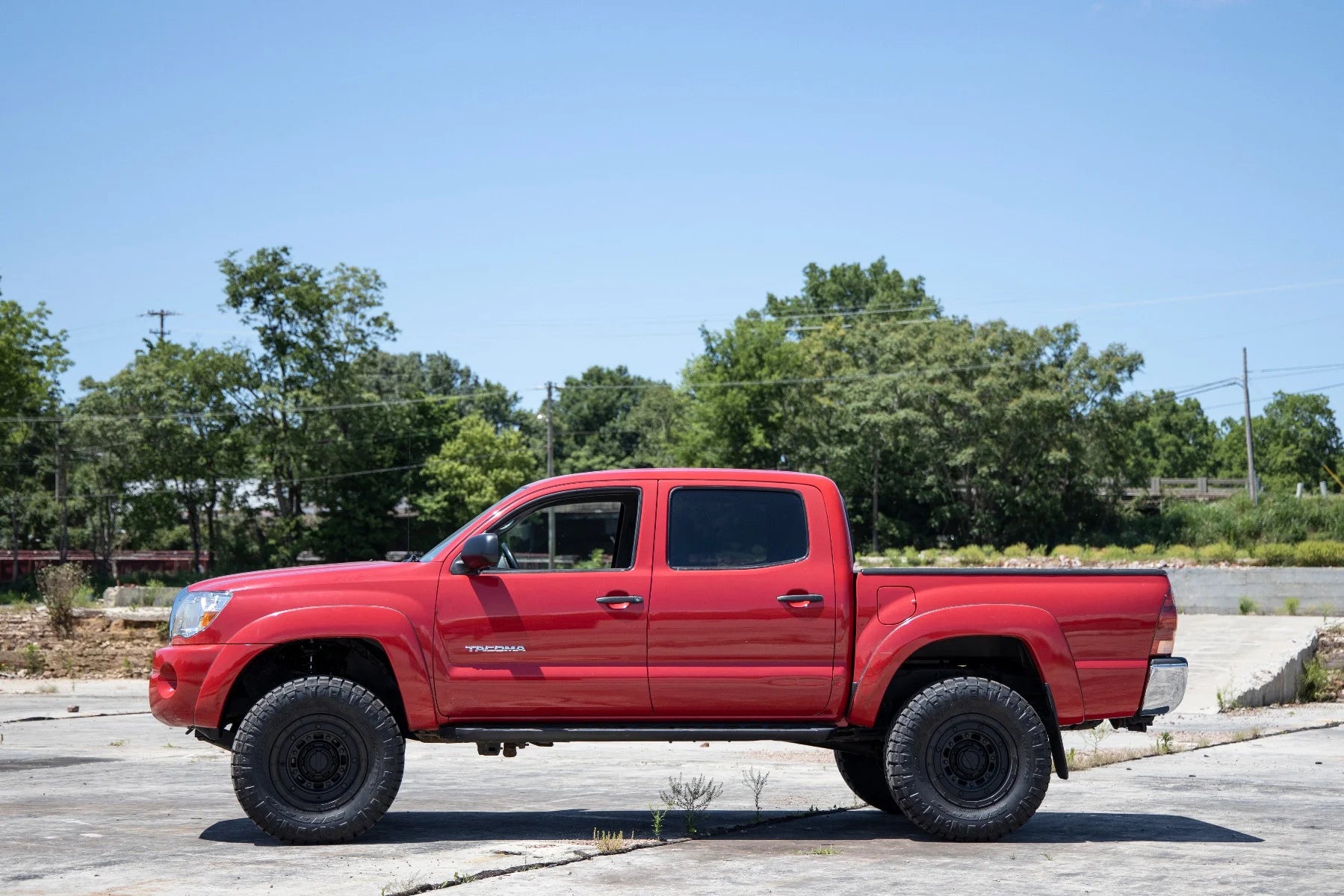
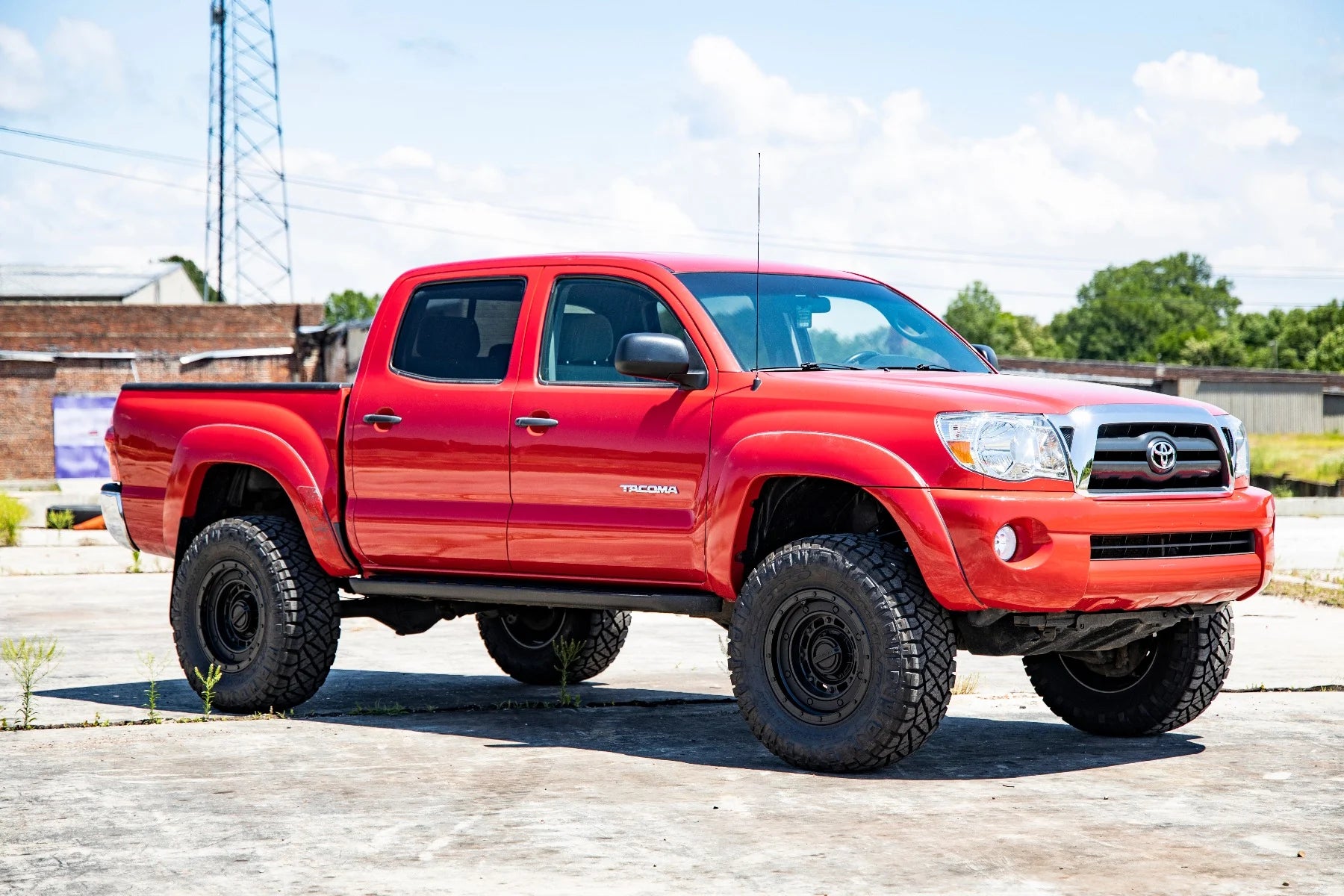
A lift kit is a set of aftermarket parts that raises a vehicle's ride height above factory specification. The trade-off is that more clearance and a taller stance can also change handling, driveline angles, maintenance needs, inspection requirements, and insurance considerations.
You may be standing in a Delaware driveway right now, looking at a truck that splashes water onto the rocker panel every time the road turns into a puddle. Maybe you want room for larger tires, a tougher stance, or more clearance for a weekend trail. The parts counter can make a lift sound simple, but “higher” is only the beginning of the decision.
A proper lift changes how the suspension carries the vehicle, how the steering tracks, how the driveshafts rotate, and how the truck behaves under braking and cornering. It can be a smart upgrade when the parts match the vehicle and the installation corrects the resulting geometry. It can also create vibration, tire wear, poor ride quality, or inspection problems when the kit is chosen by height alone.
Table of Contents
- What a Lift Kit Actually Does
- Suspension, Body, Leveling, and Spacer Lifts Compared
- How a Lift Changes Your Vehicle's Geometry
- Costs, Fitment, and DIY Versus Professional Installation
- Street Legality and Inspection Considerations
- Common Problems, Maintenance, and Buying Locally
What a Lift Kit Actually Does
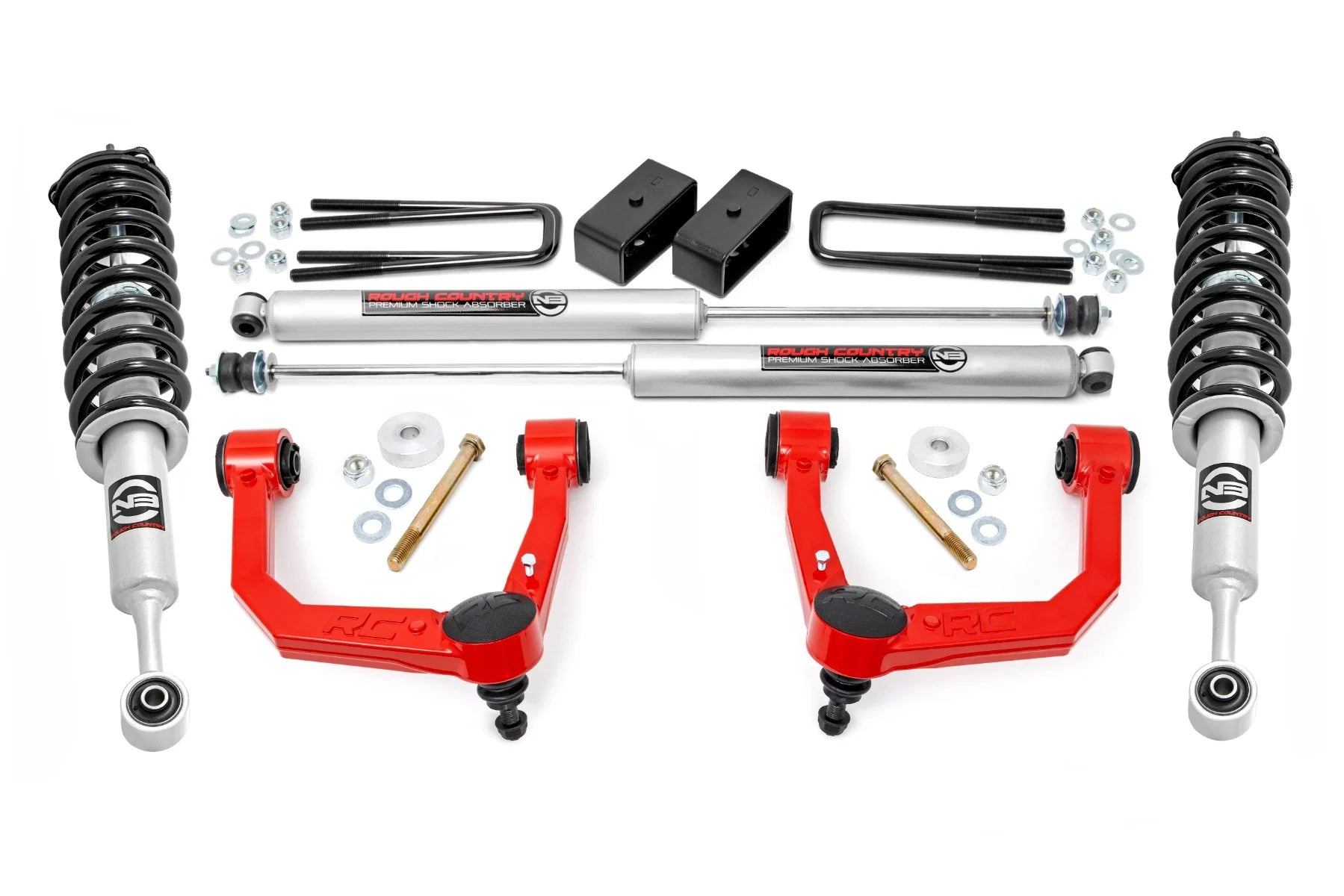
A lift kit raises the truck or Jeep by changing the relationship between the body, frame, suspension, or axles. Depending on the design, the kit may use springs, shocks, spacers, blocks, brackets, control arms, or body-lift pucks. The parts don't all create the same kind of height, and they don't all improve the same type of clearance.
Why owners install one
Most buyers have one or more of four goals:
- Tire clearance: More space around the wheel openings can help accommodate a larger tire package, although wheel offset, suspension travel, and fender shape still matter.
- Ground clearance: A suspension lift can place the chassis higher over rocks, ruts, and uneven ground.
- Approach and departure angles: A taller suspension can reduce the chance that the front or rear of the vehicle contacts an obstacle.
- Appearance: Some owners want a more level or aggressive stance for daily driving.
Factory suspension systems leave room underneath for everyday road conditions, comfort, steering control, and predictable handling. Engineers also balance the truck's height against braking, loading, aerodynamics, stability, and component life. A lift kit changes that compromise instead of creating a free improvement.
A body lift, for example, raises the body above the frame while leaving the suspension closer to its original position. A suspension lift changes the working position of springs, shocks, control arms, steering links, and sometimes the axles themselves. Those differences matter more than the number printed on the box.
Practical rule: Choose the lift around how you use the vehicle, not around the tallest kit that fits your budget.
A daily-driven Silverado that sees pavement, snow, and occasional gravel may need a different setup from a Wrangler used on difficult trails. The right answer also depends on whether you're willing to accept changes in ride comfort, steering feel, tire cost, alignment needs, and legal inspection requirements.
The rest of the decision comes down to trade-offs. A lift can provide useful clearance, but it may also alter the roll center, raise the center of gravity, steepen driveshaft angles, and require corrective hardware. It can look finished in the showroom and still need careful alignment, inspection, and follow-up maintenance before it's ready for dependable street use.
Suspension, Body, Leveling, and Spacer Lifts Compared
The four common categories solve different problems. A suspension lift changes the suspension system itself. A body lift separates the body from the frame. A leveling kit corrects the factory front-to-rear stance, while a spacer lift typically adds a puck or similar component to the top of an existing strut or spring assembly.
| Lift Type | Typical Height | Best For | Main Trade-Off |
|---|---|---|---|
| Suspension lift | Varies by application | Off-road clearance, larger tires, added suspension capability | Higher cost and greater geometry sensitivity |
| Body lift | Varies by application | Appearance and body-to-tire clearance while retaining stock suspension | Adds little or no clearance beneath the axles |
| Leveling kit | Varies by application | Correcting a nose-down factory stance | Limited change in suspension capability |
| Spacer lift | Varies by application | Budget-conscious appearance and modest clearance changes | Can increase component angles without adding equivalent suspension travel |
Suspension lifts
A full suspension lift replaces or relocates factory components. Depending on the vehicle, that may include coil springs, leaf springs, shocks, control arms, track bars, brackets, bump stops, and steering parts. This is generally the category to consider when usable off-road clearance and suspension performance matter more than appearance.
The advantage is control over the complete system. A well-matched kit can provide space for larger tires and improve the vehicle's ability to move over uneven terrain. The drawback is that the extra height changes more relationships at once. The kit may need caster correction, brake-line extensions, driveline work, longer shocks, or steering adjustments.
Body lifts
A body lift uses spacers between the body and the frame. Because the axle and much of the suspension remain near their original position, the vehicle can gain body-to-tire room without relocating the entire suspension system.
That makes a body lift more appearance-focused than a suspension lift. It doesn't provide the same increase in clearance beneath the differential or axle housing. It can also require attention to bumpers, steering shafts, shifter positions, wiring, and other connections between the body and frame.
Leveling kits
Many trucks leave the factory with the front sitting lower than the rear. A leveling kit raises the front to create a more even stance. It's often the sensible choice for a driver who wants a cleaner appearance and modest tire clearance without converting the whole suspension.
Leveling doesn't automatically make the truck a serious trail vehicle. The front suspension still has its original design limits, and the new spring or spacer position can affect alignment and joint angles.
Spacer lifts
A spacer lift adds a puck or similar spacer to the top of an existing strut or spring assembly. It's usually less complicated than replacing the entire suspension and can be attractive for a budget-conscious owner.
The limitation is that the spacer creates height without necessarily adding damping, spring-rate control, or additional travel. Tire rubbing, CV angles, shock travel, and alignment still need to be checked. If you want a taller look for a commuter, it may fit the goal. If you want controlled movement on rough trails, a complete suspension system deserves closer consideration.
How a Lift Changes Your Vehicle's Geometry
A vehicle isn't just a body sitting on taller springs. The suspension is a set of linked angles and pivot points. Raise one part without correcting the others, and the truck may feel different even when every fastener is tight.
A suspension lift changes the roll center, driveshaft operating angles, and suspension kinematics. The roll center is the point around which the body tends to roll during cornering. Changing its relationship to the vehicle's center of gravity affects how the truck transitions into a turn and how much body movement the driver feels.
Driveline angles
When the chassis rises while the axles and differentials remain closer to their original locations, the front CV joints and rear U-joints operate at steeper angles. The increased angle can raise joint load and vibration risk, particularly under acceleration or at highway speed.
That's why some applications need a differential drop, transfer-case drop, driveline indexing system, or other correction. The purpose isn't to make the lift look more complete. It's to bring the working angles back toward a safer operating range and reduce premature wear.

Steering and suspension behavior
Control-arm angles change as the suspension moves away from factory height. Depending on the vehicle and lift design, that can affect caster, camber, toe, bump steer, sway-bar position, and the way the tires contact the road.
Geometry-correction parts exist for specific reasons:
- Track-bar brackets or adjustable track bars can help recenter a solid axle.
- Drop brackets can improve the working angle of control arms or steering links.
- Extended sway-bar links can restore sway-bar positioning after the suspension moves.
- Corrective control arms can help recover alignment settings that changed with height.
- Longer or properly valved shocks can maintain control through the new range of motion.
The center of gravity also rises with vehicle height. That can reduce on-road stability and increase body roll. A taller vehicle may feel less settled during a quick lane change, hard braking event, or corner. Those effects don't mean every lift is unsafe, but they do mean the whole system must be designed and aligned together.
The mechanical relationship is easier to see in this lift geometry video, which illustrates why height alone doesn't describe the completed installation.
A lift is a geometry package. If the truck gains height but the steering, suspension, and driveline don't receive the correction they need, the vehicle will make the driver compensate for the parts.
Costs, Fitment, and DIY Versus Professional Installation
The price on the lift-kit box rarely represents the finished project. Suspension modifications can require supporting components, special tools, alignment work, and inspection-related adjustments. A realistic quote should describe the entire system rather than only the main springs or spacers.
| Lift Kit Type | Parts Cost | Typical Add-Ons | Total Installed Estimate |
|---|---|---|---|
| Spacer or leveling kit | Varies by vehicle and brand | Alignment, possible shock or angle correction | Depends on vehicle and labor |
| Body lift | Varies by vehicle and kit design | Bumper, steering, shifter, or linkage adjustments | Depends on vehicle and labor |
| Basic suspension lift | Varies by vehicle and system | Shocks, brake lines, control arms, alignment | Depends on vehicle and labor |
| Long-arm or coilover system | Varies substantially by application | Fabrication, driveline, steering, and alignment work | Requires vehicle-specific quote |
Fitment starts with three questions
Before selecting a part number, identify the chassis generation, drivetrain, and wheel-and-tire combination. A kit for one generation of Silverado, Tacoma, Wrangler, or Colorado may not fit the next generation, even when the model name looks unchanged.
Drivetrain details matter too. Two-wheel-drive and four-wheel-drive versions can use different suspension, driveline, and steering components. Gas and diesel configurations can also differ because of engine weight, front spring rates, axle hardware, and clearance.
Finally, record the current tire size, wheel diameter, wheel width, offset, and planned replacement tire. A lift that clears a tire on one wheel may rub with the same tire on a different offset. The installer should check the full steering and suspension range, not just whether the tire fits while parked.
DIY or professional installation
A home installation requires more than a jack and a socket set. You need stable support stands, adequate working room, correct torque procedures, and the right method for handling loaded springs or struts. A spring compressor can release tremendous stored energy if used incorrectly.
Professional installation makes more sense when the kit changes control arms, track bars, steering links, brake lines, or driveline components. The shop should perform the alignment after the suspension settles, verify tire clearance at full steering lock and compression, inspect brake-line routing, and road-test for vibration or pulling.
Ask for a written quote that separates:
- Parts: Every required kit component and supporting part.
- Labor: Installation, disassembly, and any fabrication.
- Alignment: A post-install alignment with the vehicle at its final ride height.
- Inspection: Checks for clearance, lighting, steering, braking, and loose hardware.
- Follow-up: A re-torque inspection after the vehicle has been driven and the suspension has settled.
A low initial price can become expensive when the installer discovers that the quoted kit doesn't match the vehicle or omits the hardware needed to make it drive correctly.
Street Legality and Inspection Considerations
Many owners assume a lift is automatically street-legal because a retailer sells the kit. That assumption doesn't hold across every jurisdiction. Vehicle rules vary by market, and the practical question is whether the finished vehicle remains safe, inspectable, and properly insured where you drive.
Federal requirements address areas such as braking, lighting, and vehicle safety equipment, while ride-height rules and inspection procedures often depend on state or local law. The verified legal guidance supplied for this topic shows how sharply those requirements can differ. New Jersey requires an approved certificate for many modified-height vehicles and states that a vehicle can fail inspection if a modification affects safe operation, brake-line clearance, structural integrity, or critical geometry. New Jersey's official elevated-vehicle guidance is a useful reminder that a parts purchase isn't the same as legal approval.
What Delaware drivers should verify
Delaware drivers should check the current requirements with the state inspection authority before ordering parts. Don't rely only on a kit advertisement or a forum post, because the relevant issue may be the completed vehicle's lighting, tires, bumpers, brakes, steering, and structural condition rather than the lift brand.
Use this pre-purchase checklist:
- Ask about inspection: Confirm how the modified vehicle will be evaluated in Delaware.
- Check lighting: A change in ride height can alter headlight aim and beam position.
- Inspect tire coverage: Make sure the tire and wheel combination doesn't create a fender or splash-control problem.
- Review bumper position: A taller suspension can change the relationship between the bumper and the road.
- Verify brake-line clearance: Lines must remain secure and clear through the full suspension range.
- Document the modification: Keep the kit instructions, installation invoice, alignment results, and any inspection paperwork.
- Contact the insurer: Tell the insurer about the lift, wheels, tires, and related modifications before driving the vehicle.
Neighboring states can take different approaches, just as Quebec limits vehicle elevation and requires a modified-vehicle inspection. California-style guidance and enforcement commonly cap lifts around 2 to 3 inches in specific cases, but that doesn't create a universal rule for Delaware. The correct answer depends on the jurisdiction, vehicle class, modification, and inspection standard that applies to your vehicle.

Insurance deserves the same attention. If you don't disclose a significant modification, the insurer may dispute coverage or settlement issues after a crash. Put the conversation in writing and ask whether the added equipment needs separate documentation or coverage.
Common Problems, Maintenance, and Buying Locally
Lift-related problems often appear after the vehicle has spent time on the road, not while it sits on the installation bay. A new stance can hide a poor alignment, loose fastener, marginal shock, or overworked CV joint until miles of vibration and suspension movement expose the weakness.
Problems that deserve attention
A solid-front-axle Jeep may develop a severe steering shake when worn track-bar parts, loose hardware, damaged joints, or alignment problems combine. People often call that symptom “death wobble,” but the name doesn't identify the cause. A technician needs to inspect the steering and suspension rather than just install another steering stabilizer.
Other common warning signs include:
- Uneven tire wear: Incorrect toe, camber, or caster after installation can wear the tread and change steering feel.
- Clicking or popping: Steep CV angles can increase joint stress, especially during turns or suspension articulation.
- High-speed vibration: Driveshaft angles, wheel balance, pinion position, and loose components all deserve inspection.
- Harsh or uncontrolled ride: Cheap or mismatched dampers may not control the new spring and tire combination.
- Clunks over bumps: Loose fasteners, displaced sway-bar links, worn bushings, or contact between components can create noise.
Maintenance is part of the modification
Suspension hardware carries substantial load. Follow the kit manufacturer's torque procedure and have the installer inspect fasteners after the vehicle has been driven and the suspension has settled. Check bushings, ball joints, tie-rod ends, shocks, brake lines, and CV boots as part of routine service, especially if the vehicle sees deep water, mud, salt, or rocky trails.
Alignment should be treated as a condition to monitor, not a one-time receipt. If the truck pulls, the steering wheel moves off-center, or the tread begins wearing unevenly, schedule an inspection before the problem spreads to other components.
Why local experience helps
A Delaware shop understands the conditions a local truck faces, including road salt, wet weather, potholes, and the mix of half-ton pickups and Wranglers commonly driven across Delmarva roads. A local installer can also discuss inspection expectations, tire clearance, alignment access, and follow-up service before the parts are ordered.
Bring the vehicle identification details, current tire size, intended use, desired appearance, and budget to the consultation. Ask whether the quote includes alignment, supporting hardware, inspection checks, and follow-up torque verification. A shop should recommend a complete setup, not just sell the tallest spacer that matches the number you mentioned.

Audio Jam Inc offers lift kits, wheels and tires, off-road lighting, winches, and related installation services for trucks, Jeeps, UTVs, and other vehicles. If you're in Delaware and want help matching the lift to your drivetrain, tire package, intended use, and inspection needs, visit Audio Jam Inc to review products and arrange a local consultation.