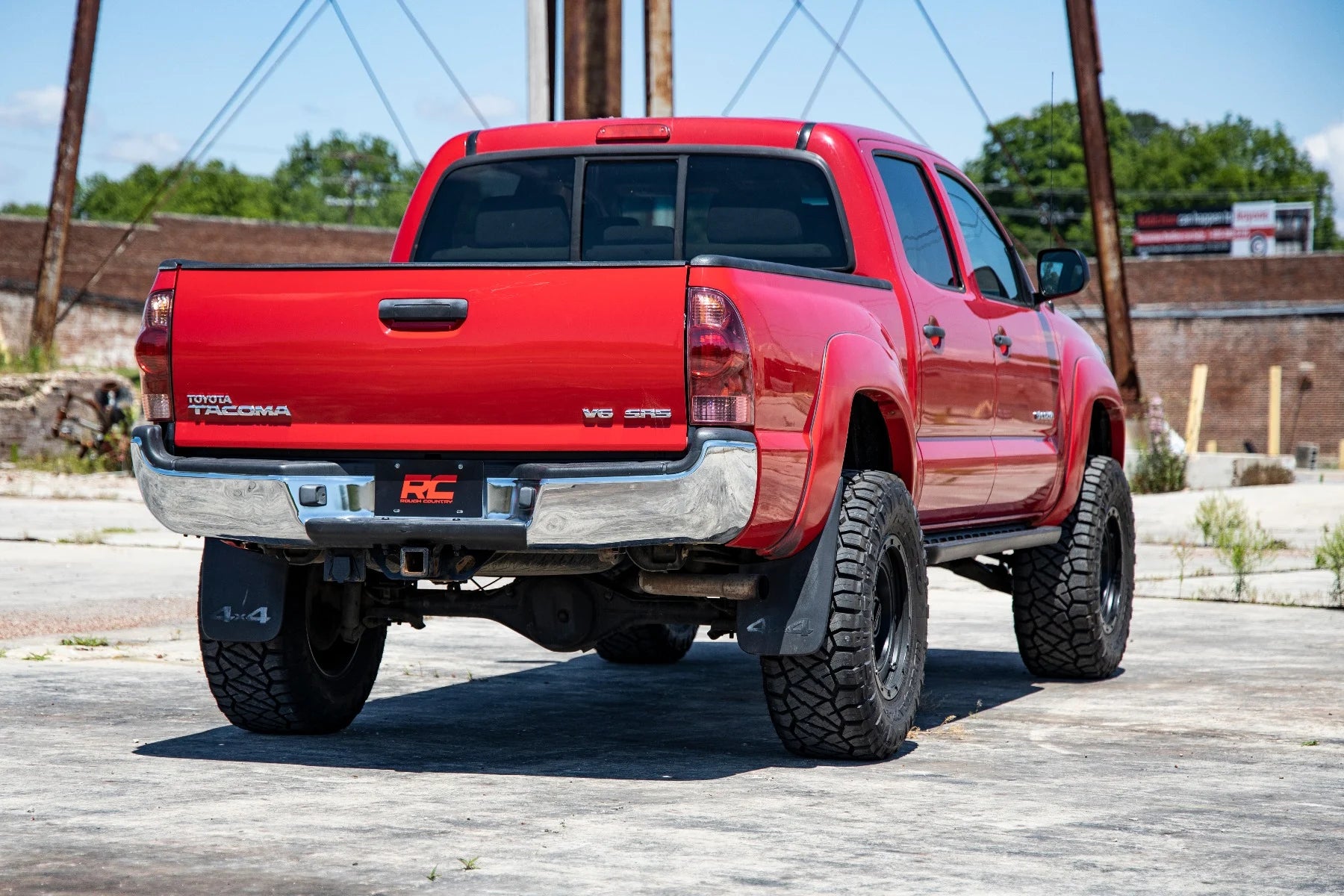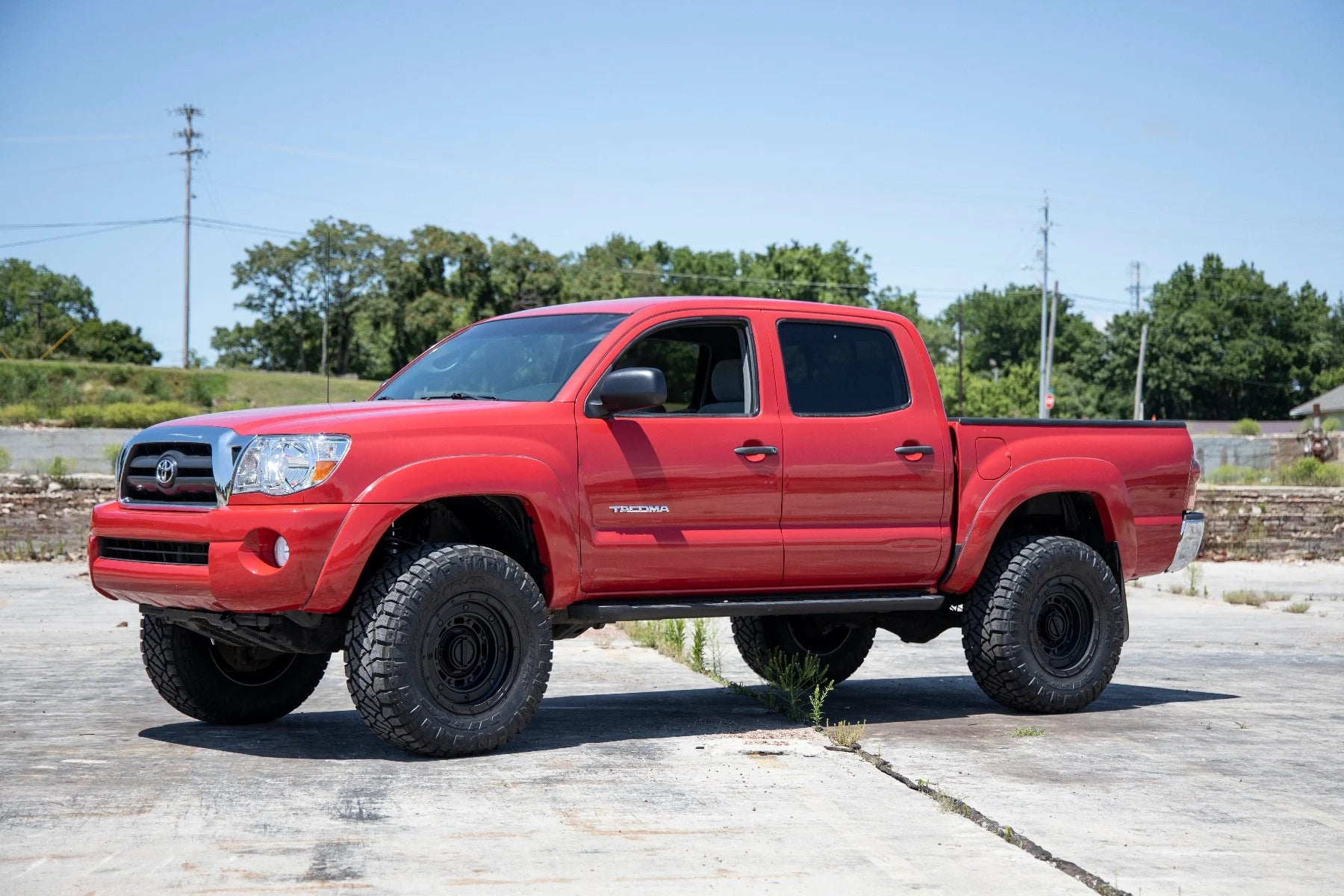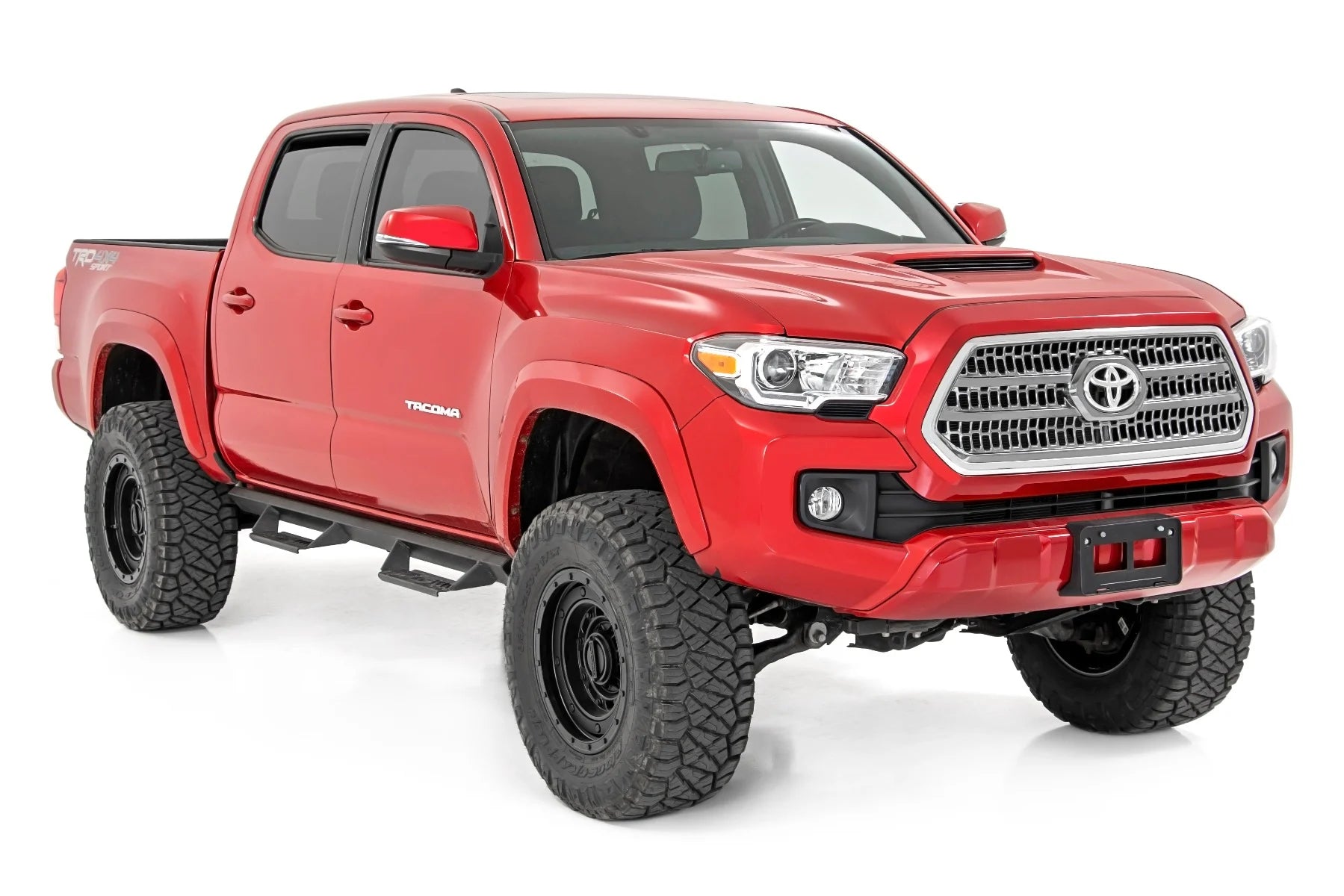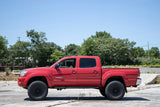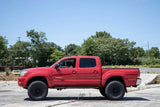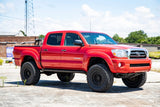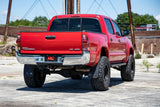


Truck Lift Kit Guide for Better Fit and Ride

A lift kit can make a truck look right, clear bigger tires, and give you more room off-road - but the wrong setup can also make it ride worse, wear parts faster, and turn a simple upgrade into a chain reaction of extra costs. That is why a solid truck lift kit guide starts with one question: what do you actually want the truck to do when the install is finished?
If the answer is mostly street driving with a more aggressive stance, your best option may be very different from a truck that sees trails, job sites, towing, or weekend beach runs. Lift height, suspension design, wheel offset, tire size, and alignment all work together. Get one piece wrong, and the whole setup can feel off.
What a truck lift kit guide should help you decide
Most buyers start with height. They want a 3-inch, 4-inch, or 6-inch lift because they like the look or they have a tire size in mind. That is normal, but height alone does not tell you whether the truck will ride well, stay practical, or need supporting parts.
A good lift plan matches the truck’s real use. A daily-driven half-ton that spends most of its life on pavement usually benefits from a mild suspension lift or leveling setup with properly matched shocks. A truck built around off-road use may need more suspension travel, stronger components, and wheel and tire choices that prioritize function over appearance. If you tow regularly, that matters too, because some lift setups can change handling and rear-end stability under load.
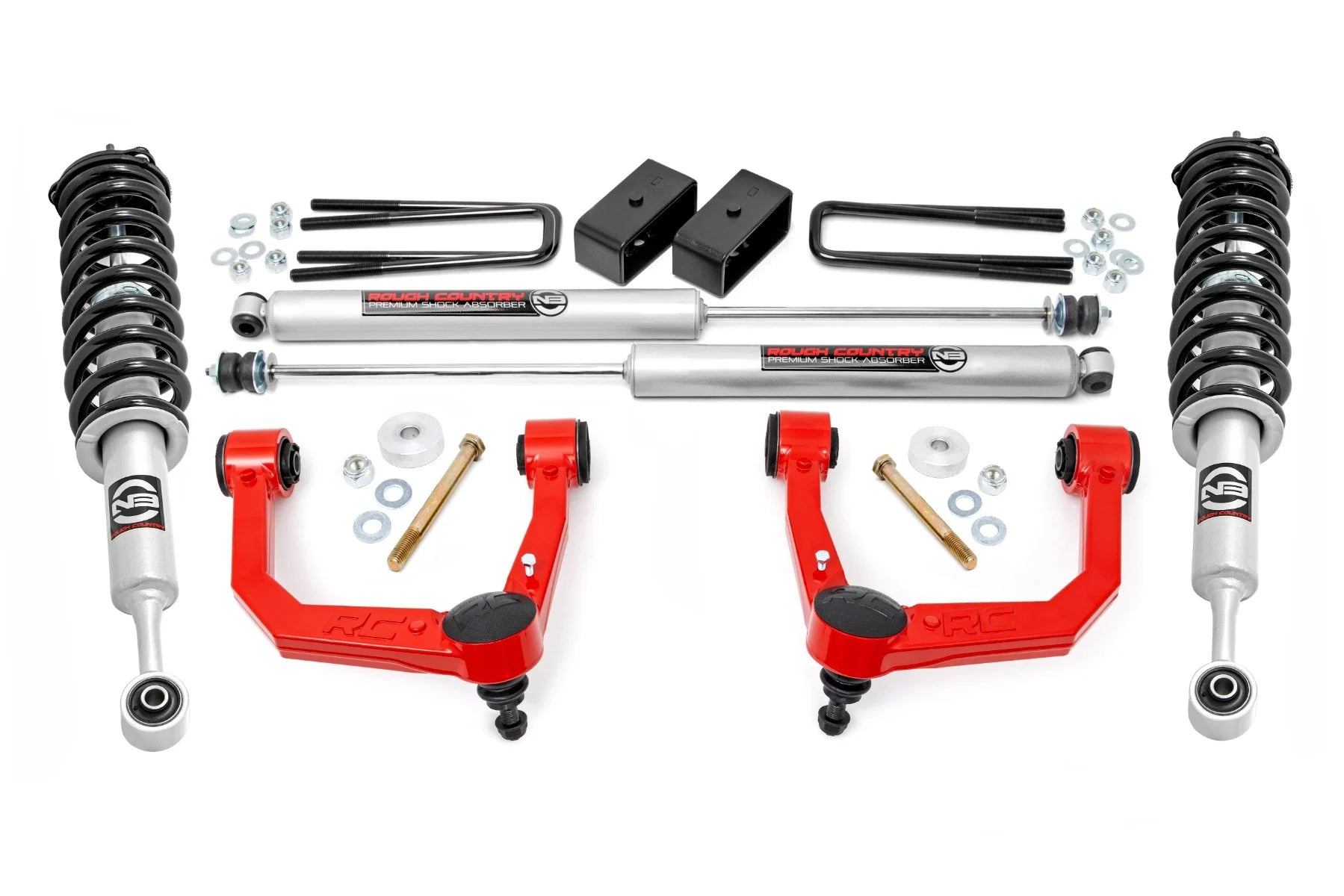
There is also a big difference between a cheap way to sit higher and a well-engineered suspension system. Spacer kits and basic leveling kits can get the truck up in the air for less money, but they do not always improve ride quality or wheel travel. Full suspension kits cost more, but they usually address geometry better and deliver a more balanced result.
Leveling kit, body lift, or suspension lift?
These three options get grouped together all the time, but they are not the same upgrade.
A leveling kit is usually the simplest route. Most trucks sit lower in the front from the factory, so a leveling kit raises the front to create a flatter stance. It is popular because it is affordable and often allows for slightly larger tires without going to a full lift. For a lot of daily drivers, this is enough.
A body lift raises the body away from the frame without changing the suspension much. It can create room for larger tires at a lower price than a full suspension lift, but it does not increase suspension travel the way a true suspension system does. Some truck owners are fine with that trade-off. Others want a more integrated feel and avoid body lifts altogether.
A suspension lift changes the suspension components to raise the truck and maintain better geometry. This is usually the best route when you want more ground clearance, better off-road capability, and room for larger wheels and tires. It is also the category where quality matters most. A well-designed suspension lift should account for steering angles, shock travel, alignment, and overall drivability.
Choosing the right lift height
Mild lifts for daily use
If your truck is a commuter, family hauler, or weekend cruiser, a mild lift in the 2-inch to 3-inch range is often the smart move. It changes the stance, opens up tire options, and usually keeps the truck easier to get into, park, and live with every day.
This range also tends to create fewer fitment problems. You are less likely to run into major rubbing, major steering changes, or the need for a long list of extra parts. That does not mean it is automatic - every truck platform is different - but it is usually a manageable sweet spot.
Mid-height lifts for bigger presence
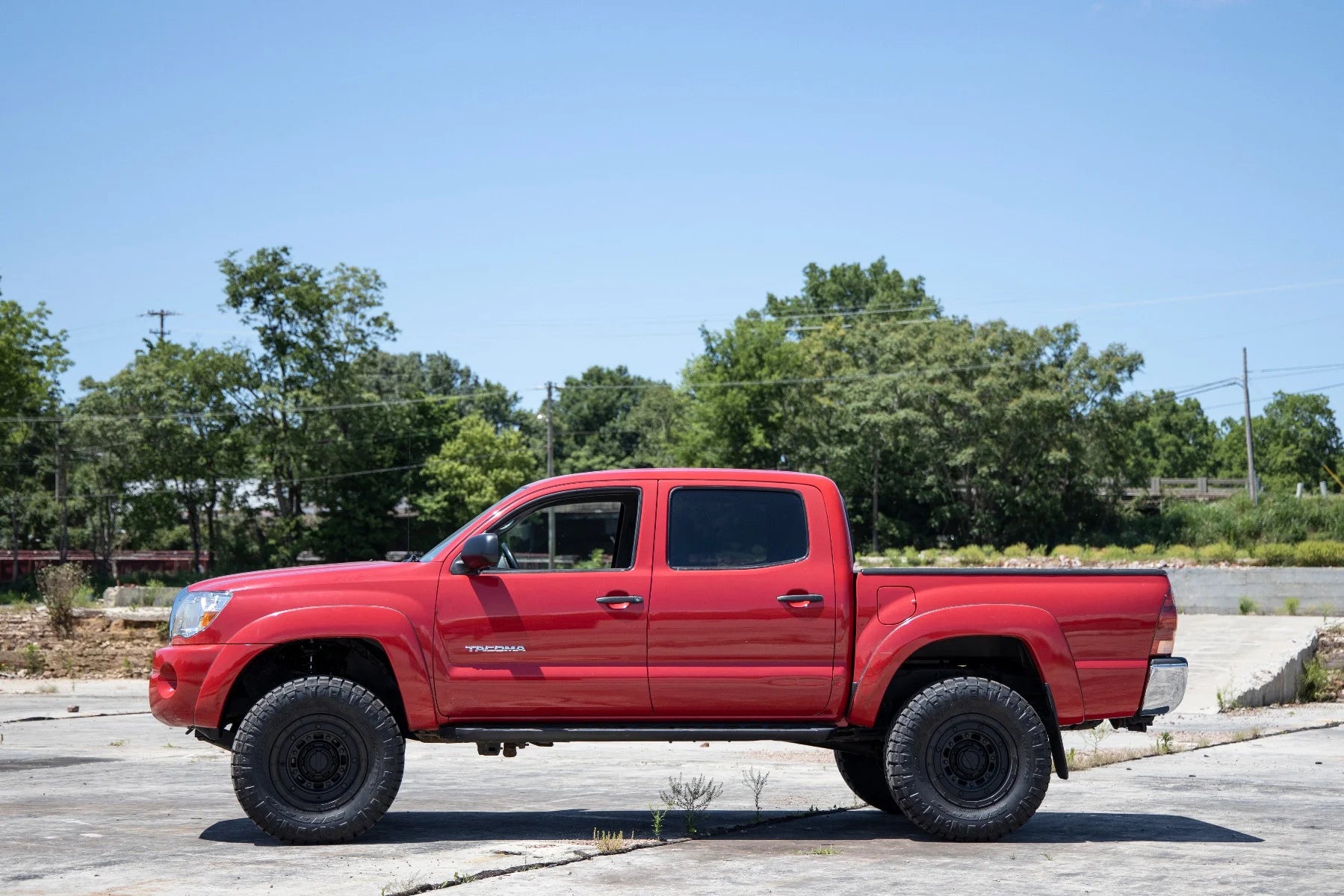
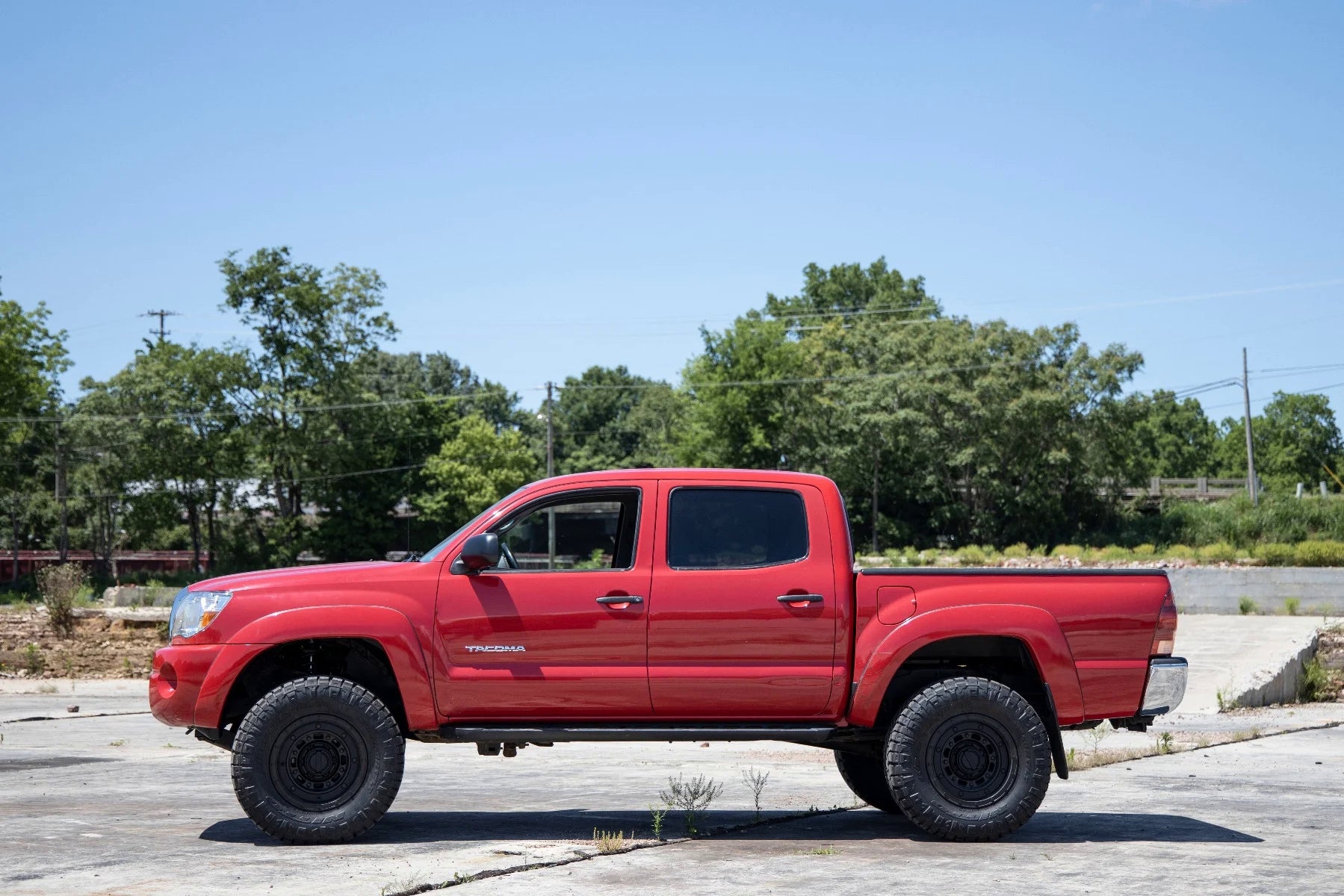
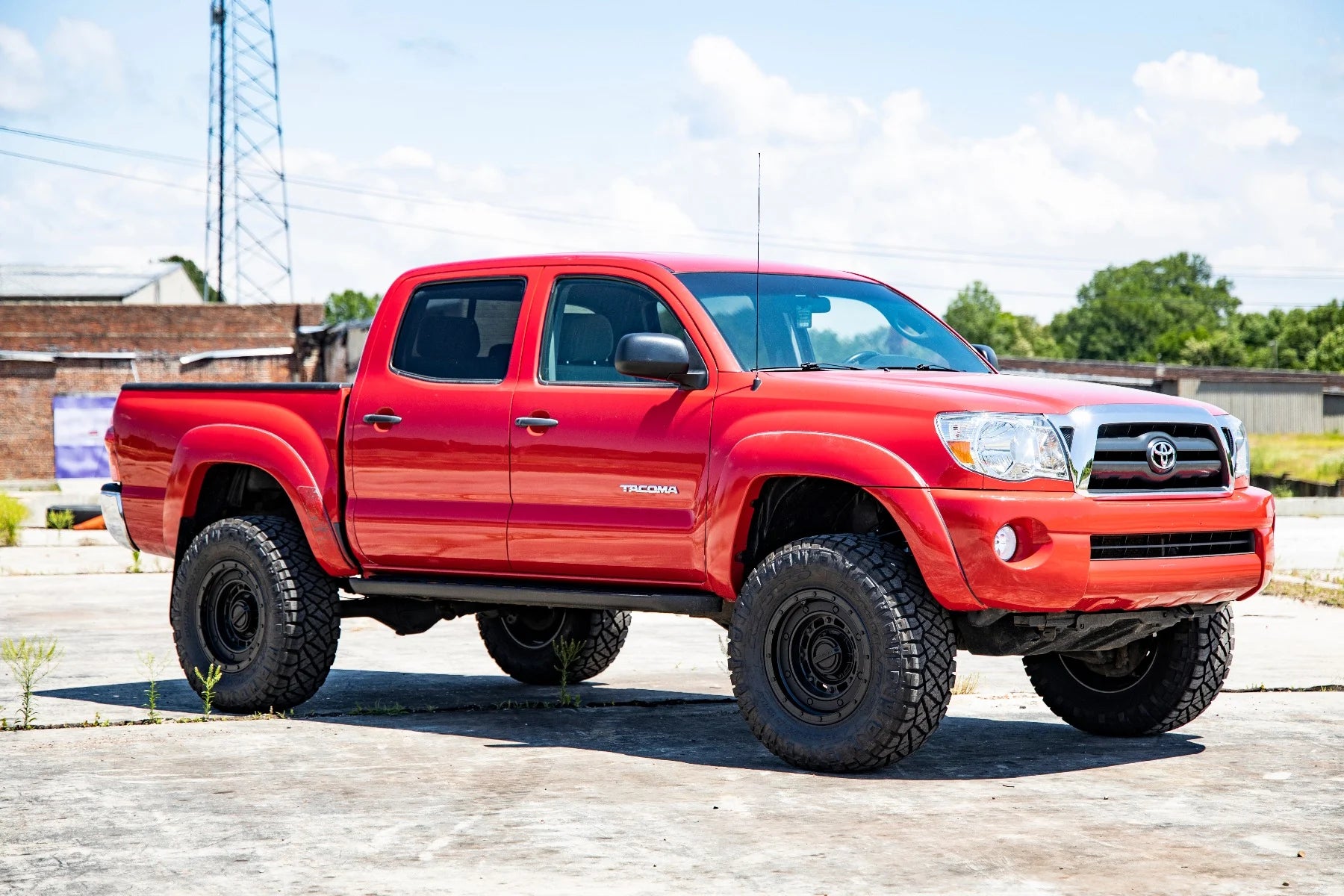
A 4-inch to 6-inch lift is where trucks start looking dramatically different. This is the zone a lot of owners want because it makes room for larger tires and delivers the classic lifted truck profile.
The trade-off is that this range often brings more complexity. You may need upgraded shocks, control arms, brake line accommodations, driveshaft considerations, or trimming depending on the truck and wheel setup. The install quality matters a lot more here because small mistakes become very noticeable in ride and handling.
Going taller than 6 inches
Very tall lifts are for a specific kind of build. They can look great, but they are not for everyone. Entry height goes up, handling changes more, and the truck can become less practical for towing, cargo loading, and regular driving.
If the goal is style above all else, that may be fine. If the truck still needs to work hard, haul gear, and stay comfortable on the highway, you should think carefully before going too tall.
Tires, wheels, and fitment matter as much as the lift
A lift kit does not exist in isolation. Most people lift a truck because they want larger tires, a more aggressive wheel setup, or both. That is where many builds go sideways.
Wheel width and offset can change how far the tire sits outward, which affects rubbing, steering feel, and how much road spray gets thrown down the side of the truck. Tire size affects gearing feel, braking performance, fuel economy, and ride comfort. Even with a lift, the wrong wheel and tire combination can rub at full lock or during suspension compression.
This is why it helps to plan the whole package before buying parts. A truck with a moderate lift and the correct wheel and tire combo often looks and drives better than a taller truck with a mismatched setup. Bigger is not always better if the truck feels vague on the road or constantly hits the fenders.
The hidden costs people forget
A lot of lift kit budgets start with the kit itself and stop there. That is rarely how the job goes.
You may also need new shocks or struts, upgraded control arms, alignment, step bars, speedometer recalibration, trimming, or drivetrain-related corrections depending on the vehicle. Larger tires add cost quickly, and if you are changing wheels too, the total can jump fast. On some trucks, a lift may also expose worn steering or suspension components that should be replaced at the same time.
None of this means you should avoid lifting your truck. It just means the smartest builds are planned honestly from the start. If your budget only covers half the project, it is often better to do a smaller setup properly than to stretch for a taller lift and cut corners.
Truck lift kit guide for ride quality and drivability
The best lifted trucks still feel composed on the road. They track straight, absorb bumps well, and do not wander all over the lane. That comes from quality components, correct installation, and realistic expectations.
A lift changes the truck’s center of gravity, so it will never feel exactly like stock. But it should still feel controlled. If you want the lifted look without giving up everyday comfort, focus on suspension quality more than height. Good shocks and properly engineered geometry usually matter more than chasing one extra inch.
This is also where professional installation earns its keep. A lift is not just bolting on parts and sending it. Proper torque, alignment, clearances, and post-install inspection all affect how the truck drives after the work is done. For owners around Bear, Newark, Wilmington, and nearby Delaware areas, having a shop that handles both product selection and install can save a lot of second-guessing.
When a professional install makes the most sense
Some lift kits are straightforward. Others are not. If the setup involves suspension geometry changes, wheel and tire fitment questions, trimming, recalibration, or supporting parts, getting expert guidance upfront usually saves money compared to fixing mistakes later.
That is especially true if the truck is newer, under warranty, used for towing, or expected to drive well every day. A professional installer can help match the lift to the truck, confirm realistic tire fitment, and avoid the common problem of buying parts that technically fit but do not work well together.
At a shop like Audio Jam, that hands-on approach matters because truck owners are rarely doing one upgrade in isolation. A lift often turns into wheels, tires, LED lighting, step bars, and other appearance or utility upgrades. It makes sense to build the truck as a package instead of guessing one part at a time.
How to know you picked the right setup
The right lift kit is not just the tallest one you can afford. It is the one that gives you the look, tire clearance, and capability you want without making the truck annoying to live with.
If you step back after the install and the truck sits right, drives straight, clears the tires properly, and still handles the way you use it, that is a win. Start with the job the truck needs to do, be realistic about the trade-offs, and build from there. A good lift should make you want to drive the truck more, not spend the next six months fixing what the first install got wrong.