

What Is a Tilt Sensor? a Guide to Vehicle Security

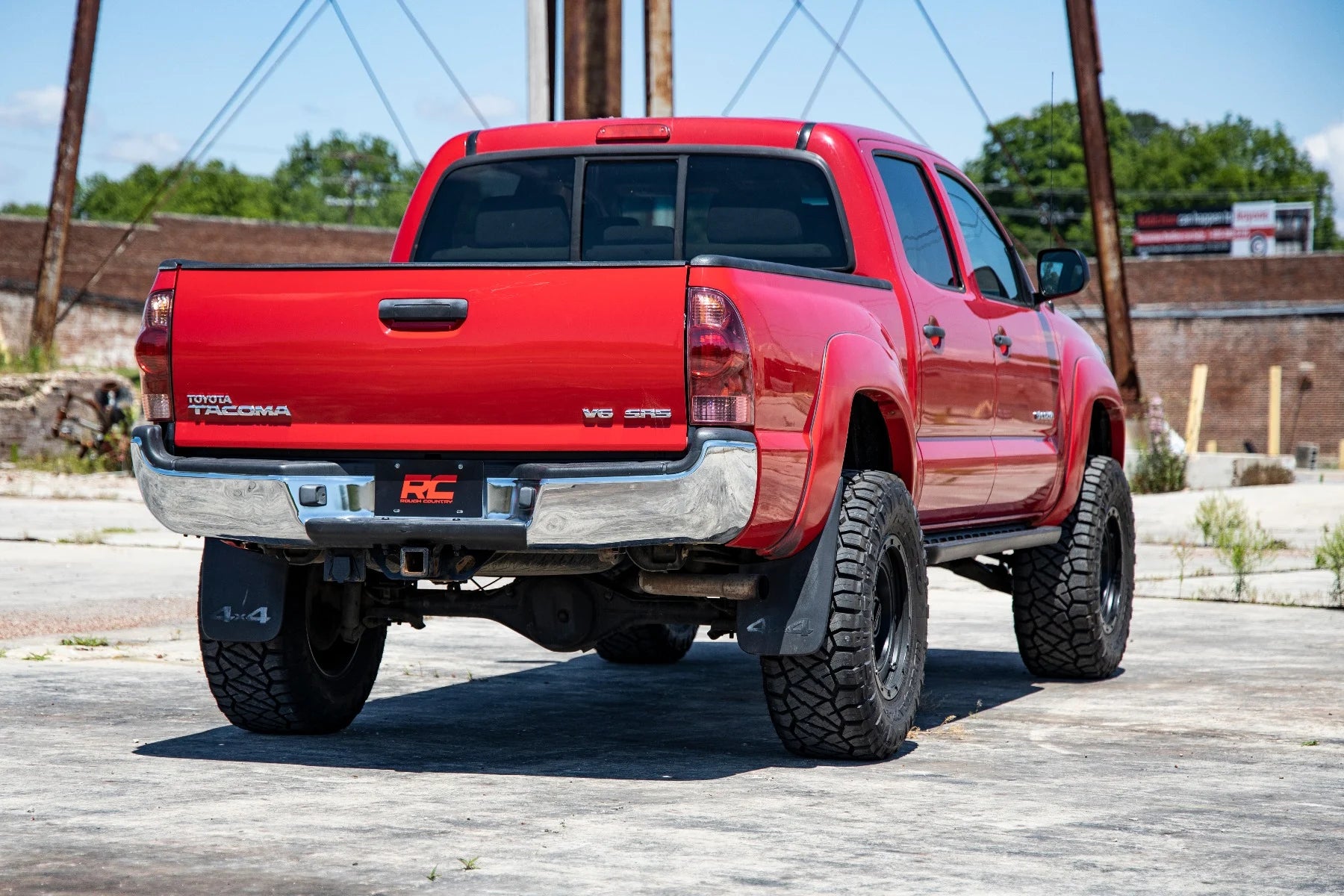
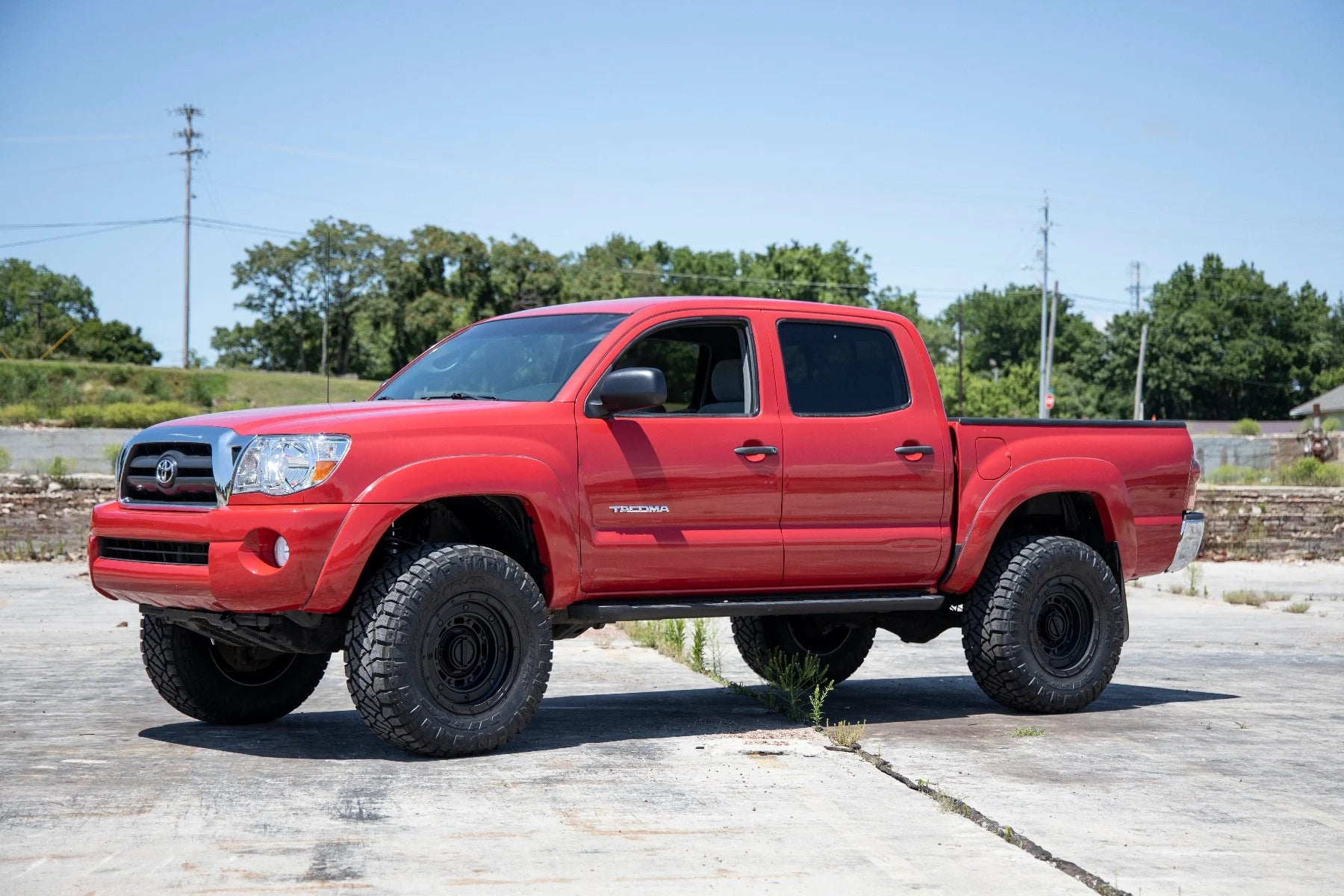
You park where you always park. The car is locked. The truck looks fine. The motorcycle is chained and covered. Then you come back and something's wrong. Maybe the whole vehicle is gone. Maybe it's still there, but it's sitting crooked because someone tried to steal the wheels. Maybe a tow operator hooked it up in under a minute and never had to smash a window, trip a door pin, or make enough noise for a standard alarm to care.
That's the gap a tilt sensor fills.
Door triggers, shock sensors, and sirens are familiar alarm system components. Fewer think about what happens when the vehicle is moved smoothly instead of hit. That matters because some of the cleanest theft methods involve changing the vehicle's angle, not breaking into it. A tilt sensor watches for that angle change and tells the alarm system something physical is happening to the vehicle, even if nobody opened a door.
Table of Contents
- Protect Your Ride from Towing and Theft
- How a Tilt Sensor Fundamentally Works
- Key Tilt Sensor Technologies for Vehicles
- Practical Applications in Vehicle Security and Safety
- Integrating Tilt Sensors with Car Alarm Systems
- Proper Placement and Installation Guide
- How to Choose and Buy the Right Tilt Sensor
- Common Questions About Vehicle Tilt Sensors
Protect Your Ride from Towing and Theft
A lot of thefts don't start with broken glass. They start with a floor jack, wheel tools, or a tow hookup. That's why a customer can say, “My alarm never went off,” and still end up with missing wheels or an empty parking spot.

A basic alarm does well when someone opens a door, smashes glass, or pounds on the body. It can miss the quieter attacks. If a thief lifts one corner to pull a wheel, or drags the whole vehicle onto a rollback, the key event is the vehicle changing angle. That's exactly what a tilt sensor is meant to catch.
For drivers adding layered protection, a tilt sensor belongs in the same conversation as a full vehicle security and remote start system guide. It doesn't replace the rest of the alarm. It covers the threat that the rest of the alarm may not see early enough.
A good security setup should react to the way your vehicle is most likely to be stolen, not just the loudest way.
This is also why tilt sensing keeps showing up in automotive applications. The global tilt sensor market was valued at USD 274.8 million in 2023 and is projected to grow at a CAGR of over 9% from 2024 to 2032, with an estimated USD 500 million by 2032, driven by demand for precision and automation in industries including automotive, according to Global Market Insights on the tilt sensor market.
For a customer, that trend matters for one simple reason. Vehicle electronics keep getting smarter, and security hardware is moving in the same direction. A modern tilt sensor isn't some gimmick add-on. It's one of the most practical ways to tell your alarm that somebody isn't just touching your vehicle. They're changing its position.
How a Tilt Sensor Fundamentally Works
A tilt sensor measures the vehicle's angle relative to gravity. The same basic behavior shows up on a smartphone when the screen rotates, but in a security system the sensor uses that angle change to decide whether your vehicle is being lifted, jacked up, or pulled onto a tow truck.

Once the system is armed, the sensor stores the parked position as its reference point. Installers often call that the baseline. If the nose comes up, one side rises, or the whole vehicle shifts angle beyond the allowed limit, the sensor sends that change to the alarm brain.
That reference point is what makes tilt sensing useful on real vehicles, not just in a lab. A car parked on a sloped driveway can still be protected. So can a truck in a parking garage, a motorcycle on uneven pavement, or a trailer parked off level. The sensor does not need a perfectly flat surface. It needs a stable starting position.
A good setup also uses a threshold. Small suspension movement, people getting in and out, or a gust of wind should not trigger the siren. Lifting a corner to steal a wheel should.
Here's a useful visual explanation of the concept in motion:
The parked position becomes the reference point
In practice, this is why calibration matters. If the sensor learns the baseline correctly, it can ignore the fact that your driveway slopes or your truck sits higher in the front than the rear. If calibration is skipped, the alarm may become too sensitive or miss a real lift event.
I usually explain it to customers this way. The sensor is not trying to identify a thief's intent. It is watching for a physical change in the vehicle's position after you told the system, “This is normal.”
That matters because different vehicles get attacked in different ways. On a sedan, the concern may be wheel theft. On a lifted truck, it may be a tow attempt. On a motorcycle, even a smaller angle change can mean somebody is loading it up. The job of the tilt sensor stays the same. Catch the movement early enough for the security system to react.
Key Tilt Sensor Technologies for Vehicles
Sensor choice affects how the system behaves on your vehicle. In my installs, MEMS-based tilt sensors are usually the best fit because they stay small, hold calibration well, and deal with the constant vibration that comes with real driving, towing, and parked exposure.

Why MEMS is the current standard
A MEMS tilt sensor uses a tiny moving structure on a microchip to measure changes in angle. It works a lot like the sensor that rotates your phone screen, except here the job is security. The sensor has to notice a real lift or tow event without getting fooled by suspension bounce, engine vibration, or a trailer coupler clunking into place.
That matters more on some vehicles than others. A lowered car, a lifted truck, a side-by-side with stiff suspension, and a boat on a trailer all move differently even when nothing is wrong. A good MEMS sensor gives the alarm brain cleaner information, which makes it easier to set a threshold that catches theft without creating nuisance triggers.
Older styles and their limits
Older tilt designs still exist, but they are harder to recommend for a modern vehicle security setup.
Mercury and fluid-based sensors are simple in concept, but they are less flexible in how they respond to angle changes and motion. Basic switch-style units can detect a lift, yet their response is usually cruder and gives the installer fewer options for fine-tuning sensitivity.
Here's the practical comparison:
| Technology | What it does well | Where it falls short |
|---|---|---|
| MEMS | Compact, durable, handles vibration well | Still needs correct mounting and calibration |
| Fluid-based designs | Simple angle detection | Less consistent in harsh vehicle use |
| Older switch-style sensors | Basic lift detection | Rougher response and limited tuning |
The trade-off is straightforward. Higher sensitivity does not automatically mean better protection. On a motorcycle or trailer, an overly crude sensor can become annoying fast. On a truck or UTV, a sensor that cannot sort out normal chassis movement from a real lift can miss the event that matters.
Match the technology to the vehicle
This is the part many guides skip. The right sensor is not just the one that detects tilt. It is the one that matches the way your vehicle gets used and the way it is likely to be stolen.
For a daily-driven car or pickup, MEMS is usually the safe choice because it handles parking lots, uneven pavement, and routine body movement better. On motorcycles, compact size and stable calibration matter because mounting space is tight and smaller angle changes can mean somebody is already moving the bike. On trailers, boats, and off-road rigs, vibration tolerance matters more because the environment is rougher from the start.
If the goal is maximum protection, choose the technology that stays predictable after installation. In vehicle security applications, especially on trucks, motorcycles, UTVs, and trailers, MEMS is usually the right answer.
Practical Applications in Vehicle Security and Safety
A tilt sensor gets much easier to understand when you stop thinking about the part and start thinking about the vehicle in front of you. The threat isn't the same for a sedan, a lifted truck, a side-by-side, or a boat on a trailer.
Cars and trucks
On a car or pickup, the two big uses are wheel theft detection and tow-away detection.
A thief can slip a jack under one side, lift the vehicle, and start removing wheels without ever opening a door. From the alarm's point of view, a tilt sensor catches the lift early because the body angle changes before the theft is finished.
Tow-away theft is similar. The nose comes up, the rear settles differently, or the entire vehicle is dragged onto a flatbed. That angle change is often the first clean clue that something is wrong.
Motorcycles
Motorcycles are where tilt sensing makes immediate sense to most owners. A bike doesn't need to be started to be stolen. Two people can roll it, lift it, or tip it into a van.
A bike-specific setup benefits from anything that notices unauthorized movement fast. If the machine leaves its normal parked lean or upright position, the sensor can react before the bike disappears down the block.
For motorcycles, the question usually isn't “Will they break in?” It's “How quickly can they move it?”
UTVs ATVs and trail rigs
These vehicles live in rougher conditions and often sit in less secure places. They get parked at camps, barns, job sites, trailheads, and open storage areas. That makes movement-based detection useful when traditional perimeter security is weak.
Tilt sensing can also overlap with safety awareness on machines that run at odd angles. In civil and structural monitoring, tilt sensors are used because they can measure very small inclination changes, and modern electronic tiltmeters can provide wireless data logging and near real-time alerts. In slope monitoring, measurements can be taken at intervals as short as 10 minutes, according to Senceive's overview of what tilt sensors do.
That doesn't mean your trail machine uses the same setup as a civil engineering site. It does show why tilt is such a trusted measurement for anything that can lean, lift, settle, or roll.
Boats and trailers
Boat owners deal with two separate situations.
On the trailer, the theft concern looks a lot like vehicle towing. If someone starts hooking up, lifting the tongue, or repositioning the trailer, a tilt sensor can serve as an early warning. On the water, tilt-related monitoring shifts toward stability and abnormal list rather than theft.
That's especially relevant in rough conditions. MEMS-based tilt technology is valued in off-road and marine use because of its vibration tolerance, as noted earlier. On a boat or trailer, that tolerance matters because the environment is never perfectly still.
A simple way to think about it is this:
- Car and truck owners want to stop jacks and tow trucks.
- Motorcycle owners want to stop lift-and-load theft.
- UTV and ATV owners want security where parking conditions are less controlled.
- Boat owners care about both trailer security and stability awareness.
The hardware may be small, but the strategy changes with the vehicle.
Integrating Tilt Sensors with Car Alarm Systems
A tilt sensor only matters if the alarm knows what to do with it. If a thief starts lifting one corner of your car to steal wheels, or a tow truck begins pulling your motorcycle up a bed, the sensor sends the signal. The alarm brain decides whether that becomes a warning chirp, a full siren, or a phone alert.

Why tilt alone isn't enough
Tilt protection covers one theft method well. It does not cover the rest.
A vehicle can still be hit, opened, or tampered with before its angle changes enough to trigger a response. That is why installers build security in layers, especially on trucks with expensive wheels, motorcycles that can be lifted by hand, and trailers that can be hooked quickly.
A good alarm setup usually combines:
- Shock sensing for impact or glass strikes
- Door, hood, or trunk triggers for entry
- Tilt sensing for wheel theft, jacking, and towing
- Siren and notification outputs so detection leads to action
That mix gives the vehicle a better chance to react to the way it is being attacked.
What good integration looks like
Good integration starts with compatibility. The sensor has to speak the same language as the alarm platform, and it has to be configured so normal use does not trigger nuisance alarms. If you want a broader view of wiring, trigger inputs, and alarm layout, this guide to installing a vehicle security alarm covers the basics well.
One current catalog example is the 8504D Digital Shock, Tilt and Temperature Sensor by DEI Directed Electronics Viper Python Clifford. Its listed features include D2D 2.0 for DS4 and DS4+ systems, warn away, full trigger, tilt angle adjustment from 1 to 3 degrees, multiple shock sensitivity settings, and a temperature sensor for automatic remote start in hot or cold weather. For a compatible alarm, that means fewer separate modules to mount and fewer wiring connections to troubleshoot later.
That last part matters in practical situations. Every extra module, splice, and ground point is one more place for noise, false triggers, or install errors.
The main benefit of a well-integrated sensor is response logic. A small bump can get a warning chirp. A real lift event can trigger the full alarm. That makes the system more useful day to day, especially if the vehicle is parked on a street, in a garage with foot traffic, or at a jobsite where vibration and movement around it are normal.
Here's the trade-off installers weigh:
| Setup style | Upside | Downside |
|---|---|---|
| Standalone tilt sensor | Simple to understand and can work with older alarms | More wiring and less coordinated response |
| Integrated combo sensor | Fewer modules and cleaner communication between functions | Must match the alarm platform correctly |
| Cheap universal add-on | Low entry cost and broad fitment claims | More tuning problems and more false alarm risk |
The best result is a multi-component system where each sensor has a clear job. Tilt handles lifting and towing. Shock handles impact. Entry triggers handle openings. When those inputs are set up correctly, the alarm reacts like it understands the vehicle, not like it is panicking every time the suspension moves.
Proper Placement and Installation Guide
A great tilt sensor mounted in the wrong place becomes a comeback job. Placement decides whether the sensor reads the vehicle's true movement or gets fooled by flex, heat, vibration, or bad mounting.
Where to mount it
Mount the sensor to a solid part of the vehicle structure. That usually means a firm metal surface tied closely to the chassis or a rigid interior support point, depending on the vehicle and the alarm design.
The goal is simple. The sensor should move only when the vehicle moves.
Good placement usually follows these rules:
- Choose a rigid surface so the sensor sees actual angle change, not trim-panel flex
- Keep it central when possible because central mounting often gives a more representative reading of body movement
- Mount it securely with hardware or approved fastening methods that won't loosen over time
- Protect the wiring so vibration, cargo, feet, or service work won't damage the harness
What ruins performance
The most common mistakes are predictable.
Mounting to a plastic panel is one. Plastic flexes. A panel can bow from cabin heat, pressure, or ordinary driving vibration, and the sensor starts reacting to the panel instead of the vehicle.
Mounting near major heat sources is another. Excess heat can shorten component life or change behavior. A poor ground, loose harness, or casual tape-only install can do the same thing from the electrical side.
Installer's note: If the mount point can bend by hand, it's usually a bad home for a tilt sensor.
Calibration matters more than most people think
After mounting, the system has to learn the vehicle's resting angle. That's calibration. On a flat driveway, on a sloped lot, or in a parking deck, the sensor needs that parked position recorded correctly.
For DIY installers, the hard part usually isn't connecting the wires. It's choosing the right location and then tuning the system so it reacts to real threats instead of harmless environmental movement.
A professional install usually earns its keep in three places:
- Mount-point selection that matches the vehicle
- Clean wiring that doesn't create intermittent faults
- Final calibration based on how the vehicle is parked and used
That's why two identical sensors can behave very differently in the field. One was mounted and calibrated like a measurement device. The other was treated like a universal accessory.
How to Choose and Buy the Right Tilt Sensor
A cheap tow-away theft can turn into an expensive mistake if the sensor you bought cannot talk to your alarm properly, reacts poorly to vibration, or is too limited for the way your vehicle is used. The right buying question is simple. Will this sensor fit your vehicle, your alarm, and your parking habits?

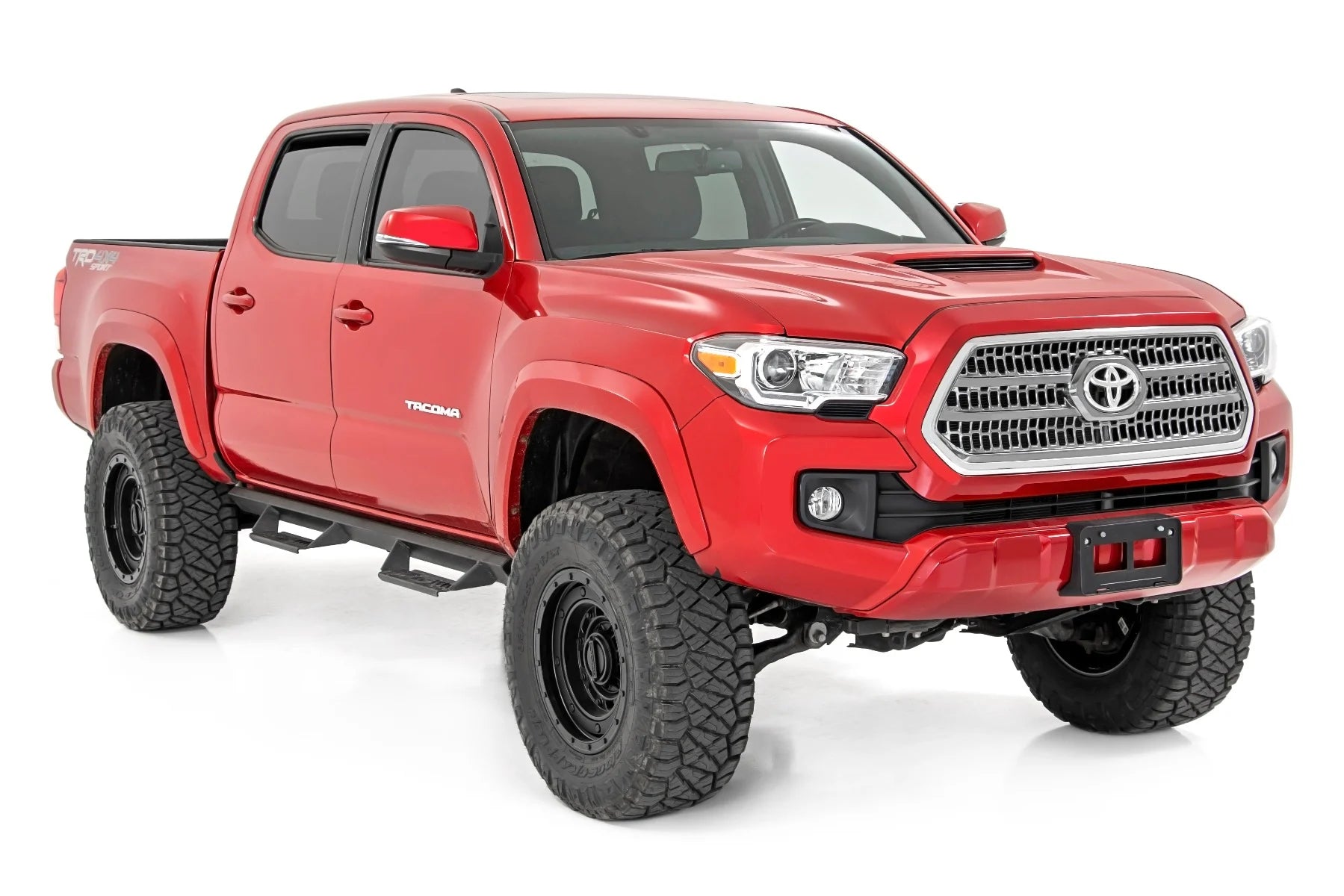
A sedan parked in a garage, a lifted truck on oversized tires, and a motorcycle parked curbside do not place the same demands on a tilt sensor. Trucks and Jeeps often need better vibration control. Motorcycles need a sensor that catches a meaningful angle change without crying wolf every time the bike gets bumped. Boats and trailers need hardware that handles a rougher environment and a less predictable parking surface.
Features that matter in the real world
Start with the features that change daily ownership.
- Adjustable sensitivity lets you set the trigger point for your vehicle instead of living with a factory guess.
- Multi-axis detection helps because a thief does not always raise the same end or side.
- Alarm compatibility decides whether installation is straightforward or turns into a wiring and programming problem.
- Integrated motion or shock sensing can save space and cut down on extra modules, which matters on bikes, UTVs, and tighter installs.
A dedicated add-on like the Directed 507M digital tilt motion sensor makes sense when the goal is tow-away protection, wheel theft detection, or motorcycle security rather than a general-purpose sensor package.
What good specs mean on an actual vehicle
Do not shop by angle range alone. A sensor can look fine on paper and still be a headache in the field if it is too twitchy, poorly filtered, or hard to pair with your alarm brain.
What matters more is how stable it stays after installation and how well it separates real tilt events from normal background movement. For a daily-driven truck, that means resisting nuisance triggers from chassis shake and suspension settle. For a motorcycle, it means recognizing the difference between someone brushing against the bike and someone starting to lift it into a van.
Use this checklist before you buy:
| What to check | Why it matters |
|---|---|
| Adjustability | Lets you match the sensor to your vehicle, parking surface, and theft risk |
| Alarm compatibility | Prevents wasted time on wiring, relays, or programming workarounds |
| Resistance to normal vibration | Cuts false alarms on trucks, motorcycles, trailers, and off-road vehicles |
| Power and wiring needs | Tells you whether it will fit a simple add-on install or need more involved integration |
| Weather and use case | Helps you choose appropriately for indoor parking, street parking, marine use, or off-road use |
One practical rule I use is this. Buy for the vehicle's risk, not just the price tag. If you are protecting expensive wheels, a trailer, a bike, or a truck that sits high enough for a thief to get a jack under it fast, a basic sensor may not be the right call.
The best purchase is usually the unit that installs cleanly with your existing system, gives you enough adjustment to tune it properly, and matches how the vehicle is parked and targeted.
Common Questions About Vehicle Tilt Sensors
Will a bumpy road or strong wind set it off
Not if it's installed and calibrated correctly. A proper system learns the parked position and uses a threshold so it reacts to meaningful angle change, not every little shake. Most false-alarm complaints trace back to poor placement, bad calibration, or overly aggressive sensitivity settings.
Can I install a tilt sensor myself
Sometimes, yes. If you're comfortable with vehicle wiring, trim removal, secure mounting, and calibration, a DIY install is possible. If you're unsure about where to mount it or how to integrate it with your alarm brain, professional installation usually saves time and frustration.
Is a tilt sensor the same as a shock sensor
No. A shock sensor reacts to impact or vibration. A tilt sensor reacts to a change in angle or orientation. They solve different problems, which is why they work best together.
Will it work on a sloped driveway
Yes, if the system calibrates to the vehicle's parked position when armed. The sensor doesn't require perfectly level ground. It requires a stable reference point.
Does it help only with theft
Mostly, in vehicle security setups. But the same sensing idea also shows up in safety and stability applications on off-road and marine equipment. The job changes. The measurement principle stays useful.
If you want help choosing the right tilt sensor setup for your car, truck, motorcycle, Jeep, UTV, or boat, Audio Jam Inc can help you match the sensor to the vehicle, the alarm platform, and the way you use it. That usually means fewer false alarms, cleaner installation, and better protection against towing and lift-based theft.