

Lift Kits Middletown Delaware Truck Owners Need

A lift should do more than create space between your tires and fenders. The right lift kits Middletown Delaware drivers choose should improve the stance, tire clearance, and capability of a truck or Jeep without turning a reliable daily driver into a vehicle that rides poorly, wanders at highway speed, or eats tires. That comes down to choosing the correct lift height, components, wheels, tires, and installation approach for how you actually use the vehicle.
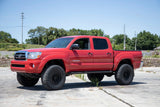
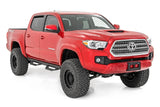
A two-inch leveling kit can make sense for a newer pickup that needs room for a more aggressive tire. A complete suspension lift may be the better move for a Jeep that sees trails, mud, and uneven terrain. They are not interchangeable upgrades, even when the finished look appears similar from the curb.
Start With the Job Your Vehicle Has to Do
Before picking a lift kit, decide what you want the vehicle to do on Monday morning, on a weekend trip, and when the weather turns bad. A truck that commutes through Middletown, carries tools, and occasionally tows needs different suspension priorities than a dedicated off-road Jeep.
For many late-model pickups, the factory front end sits lower than the rear to account for payload and towing. A leveling kit raises the front to reduce that factory rake. It is a popular choice for owners who want a cleaner stance and clearance for moderately larger tires without making major changes to the entire suspension.
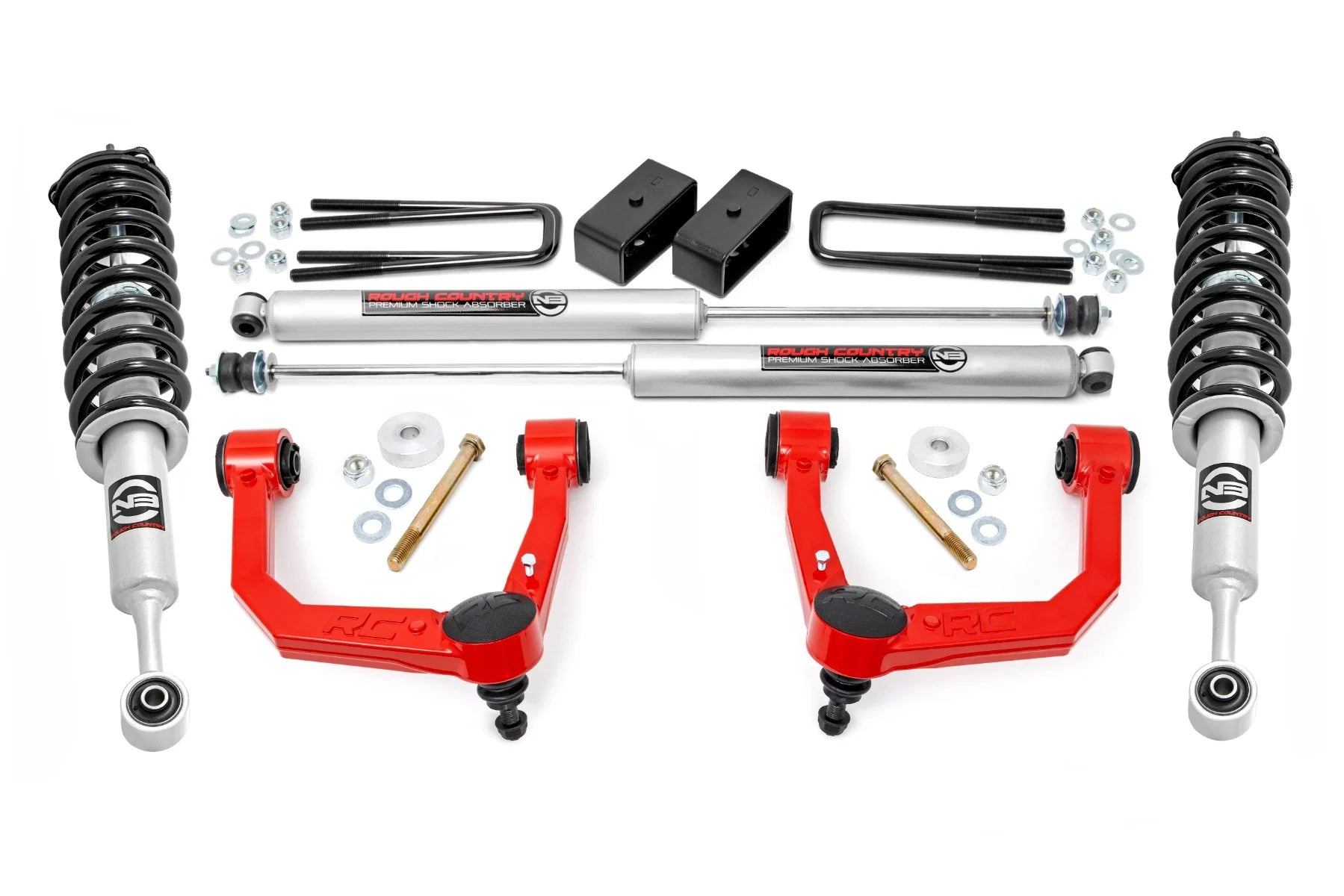
A suspension lift raises the vehicle through redesigned or relocated suspension components. Depending on the platform and kit, that can include replacement control arms, struts, springs, shocks, crossmembers, steering components, track bars, or brake-line accommodations. This is generally the right route when you need significant tire clearance, more ground clearance, or improved wheel travel for actual off-road use.
Body lifts are another option on some trucks. They lift the body away from the frame while leaving much of the suspension at its original height. They can create tire clearance at a lower parts cost, but they do not provide the same suspension travel or undercarriage clearance as a true suspension lift. They also require careful attention to bumper gaps, steering shaft extensions, fuel-filler routing, and overall appearance.
Lift Kits Middletown Delaware Drivers Can Match to Their Build
The best kit is rarely the tallest kit on the shelf. Lift height changes steering angles, driveshaft angles, braking feel, center of gravity, and how much clearance is available inside the wheel wells when the suspension compresses or the steering is at full lock.
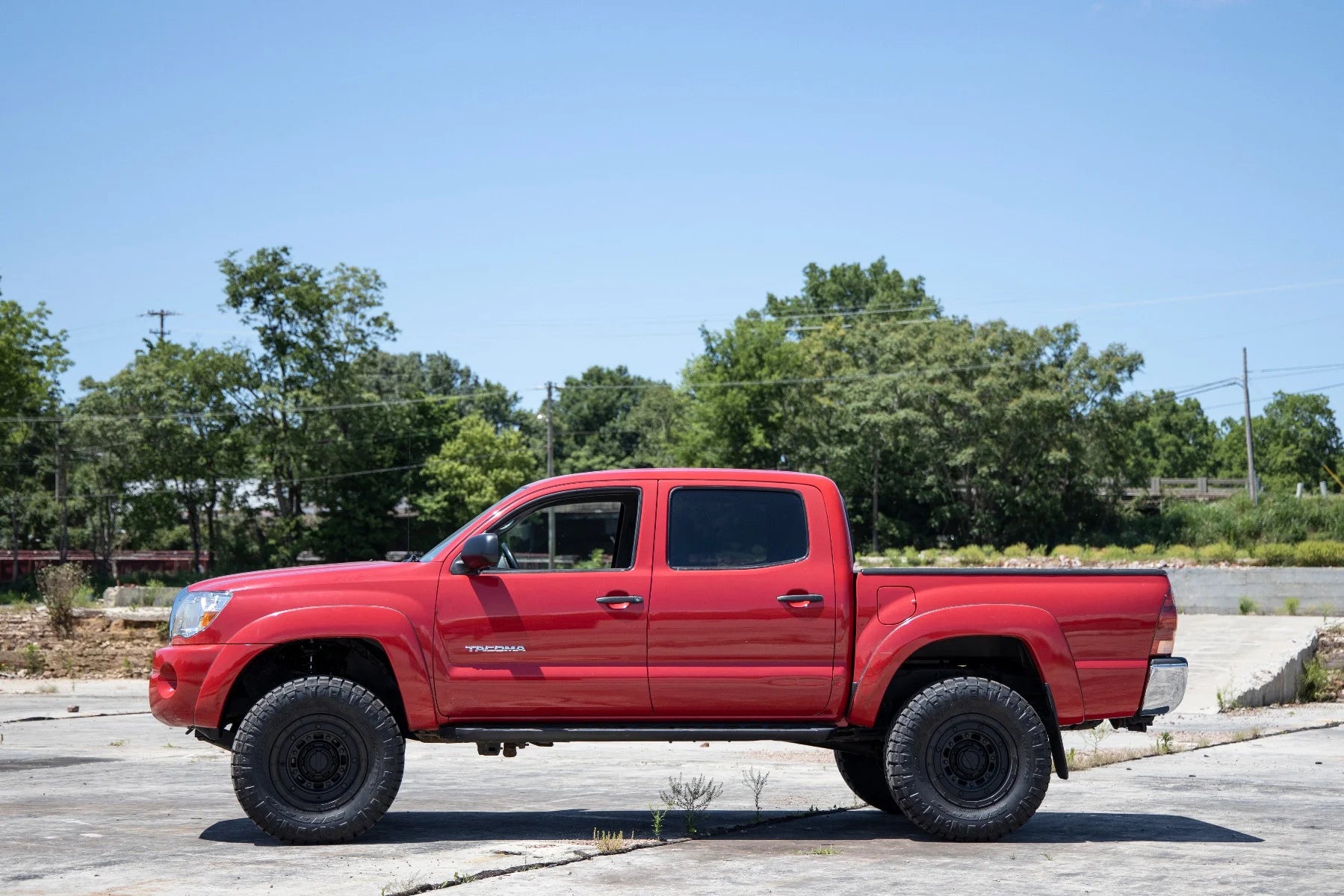
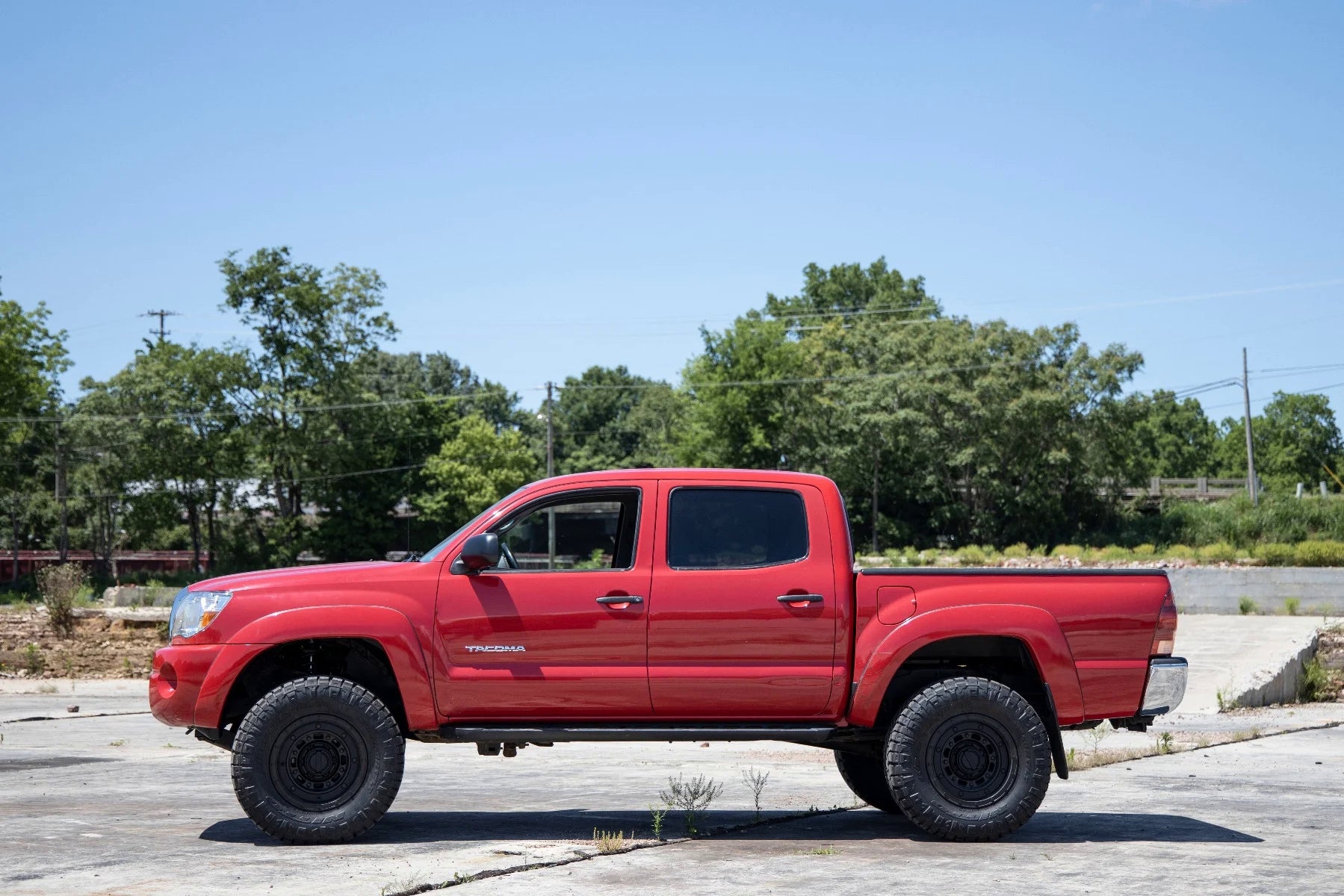
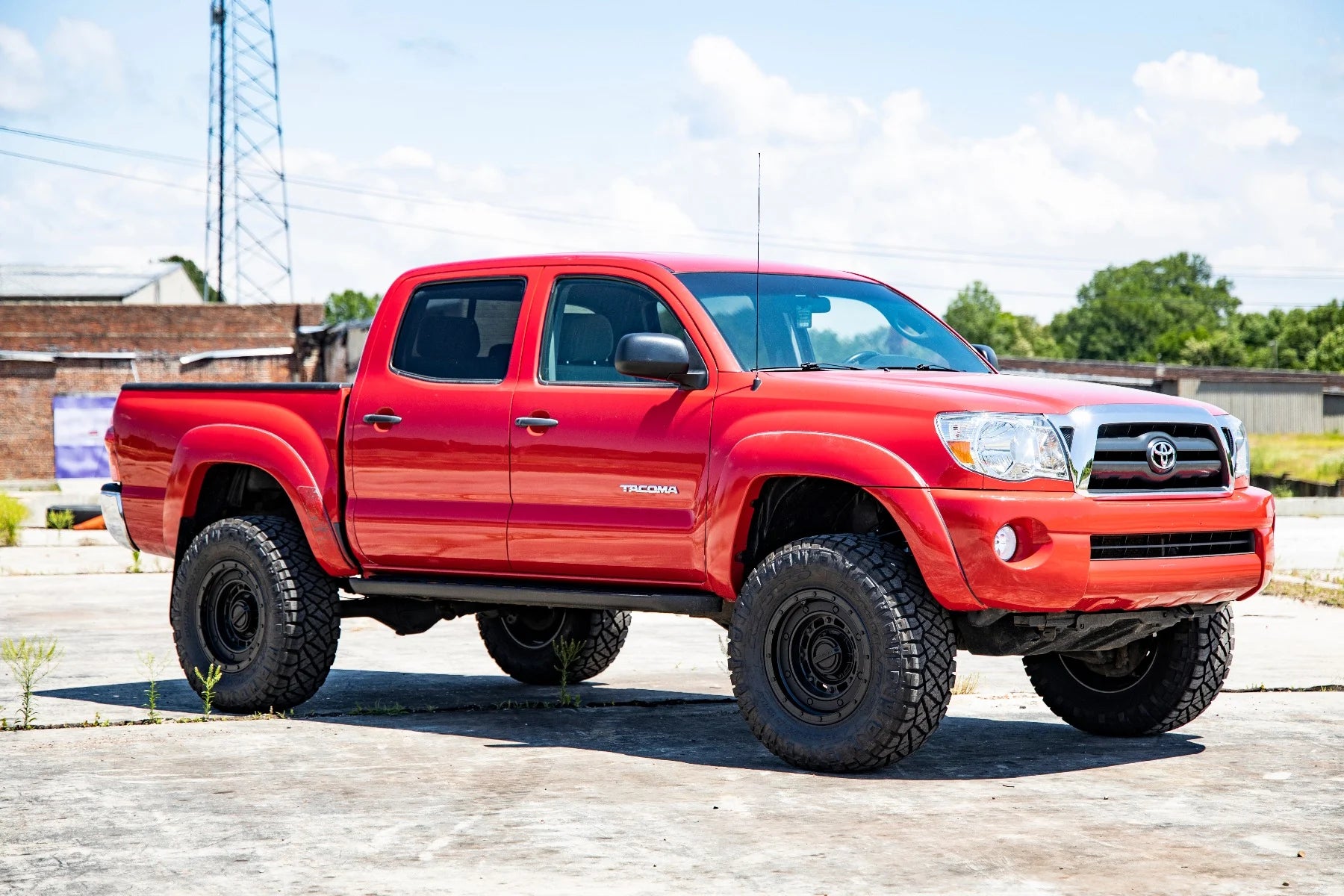
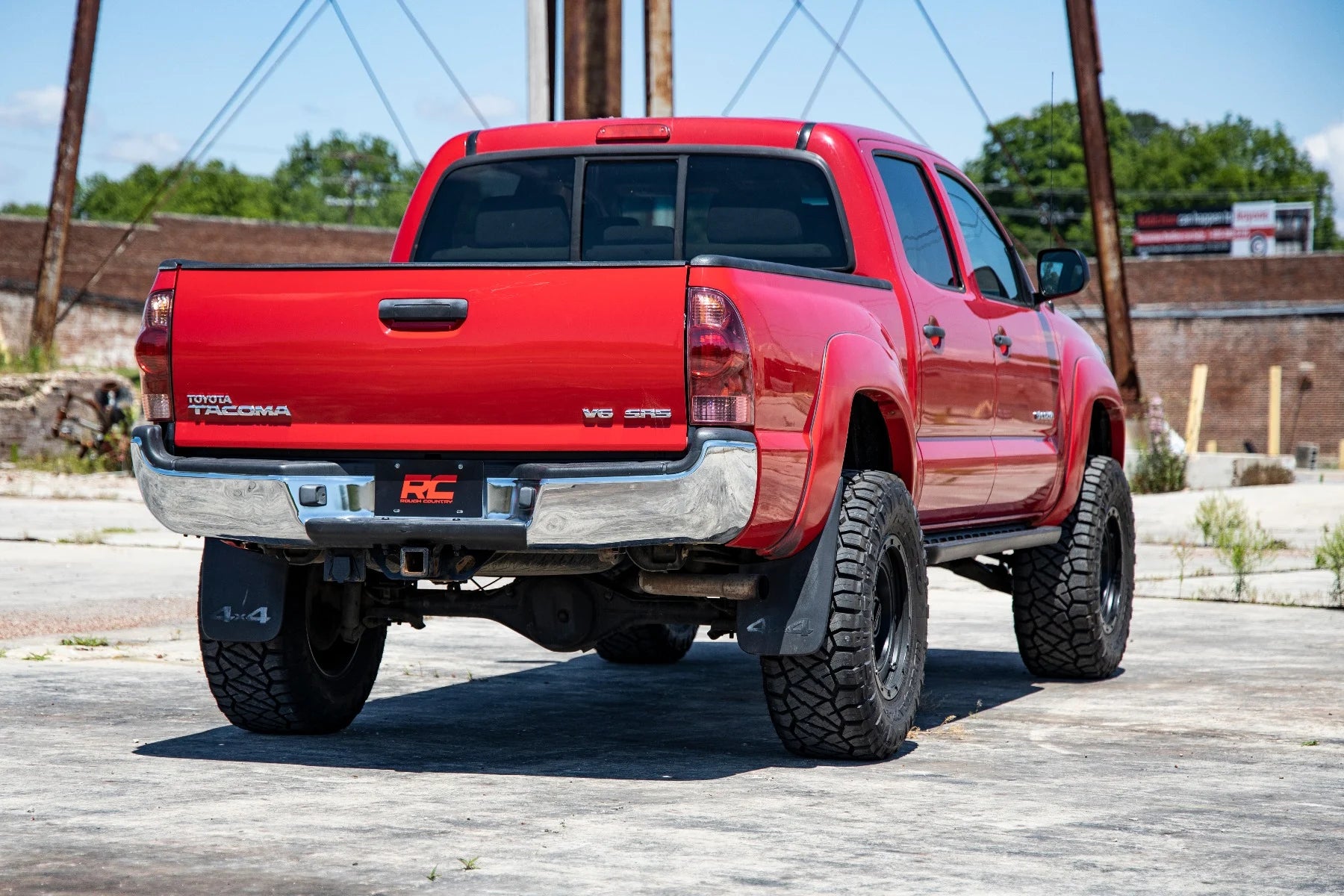
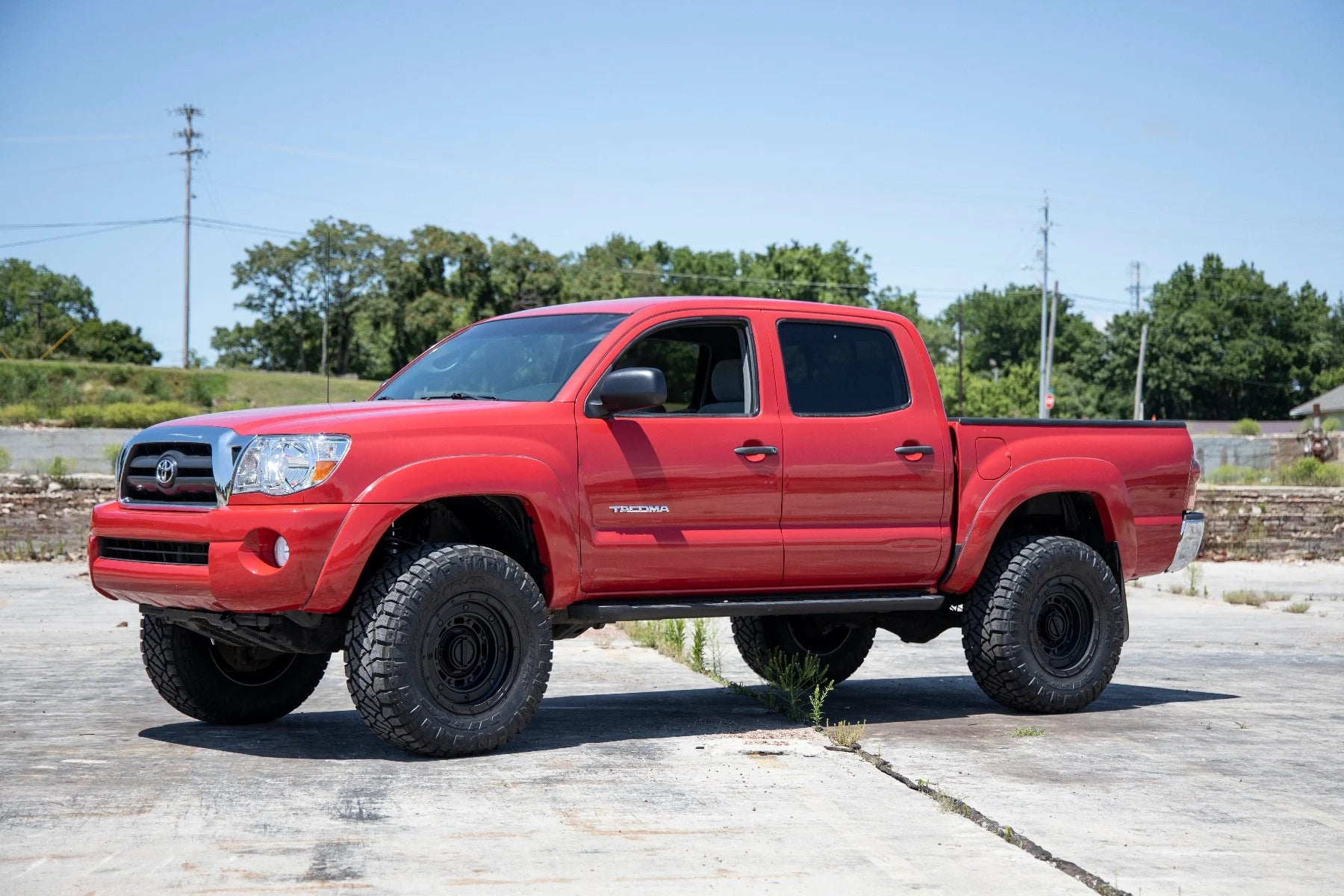
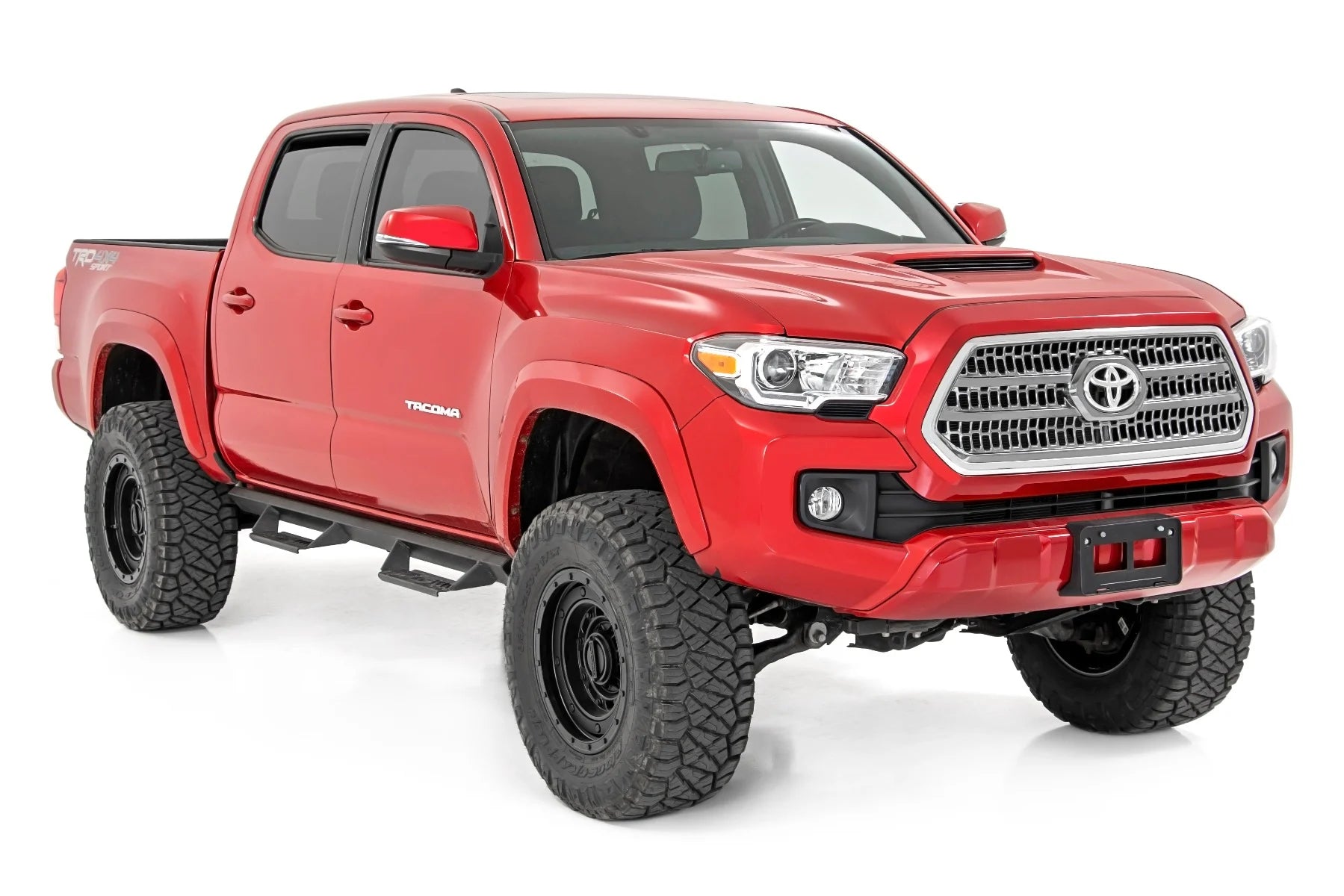
A modest one- to three-inch lift or leveling package is often a strong fit for daily-driven Silverado, F-150, Ram, Tacoma, Tundra, and Colorado builds. It can give the truck the visual upgrade owners want while keeping the project manageable. That does not mean every kit in this range is the same. Spacer-style kits, replacement struts, adjustable coilovers, and complete suspension systems differ in ride quality, adjustment range, and long-term performance.
For larger lifts, especially four inches and beyond, the supporting hardware matters even more. A quality system may correct front differential placement, control-arm angles, steering geometry, and driveline position rather than simply pushing the suspension farther from the frame. That extra engineering is where a properly designed kit earns its cost.
Jeep owners have their own set of decisions. A mild lift on a Wrangler may be enough for larger all-terrain tires and light trail use. For tougher terrain, longer-travel shocks, adjustable control arms, track-bar correction, sway-bar solutions, and proper bump-stop setup can make the difference between a Jeep that works well and one that feels unsettled on the road.
Tires and Wheels Need a Fitment Plan
A lift kit and a tire package should be planned together. Installing a lift first and guessing at tire size afterward is how rubbing, poor steering clearance, and unnecessary trimming enter the project.
Tire diameter is only part of the equation. Tire width, wheel width, wheel offset, and backspacing determine where the tire sits in relation to suspension components and the fender. A wheel that sticks out farther may deliver the aggressive look some owners want, but it can also increase scrub radius, throw more road debris down the side of the vehicle, and create fender interference during turns.
There is also a difference between fitting a tire in the shop and fitting it under real driving conditions. The suspension moves. The wheels turn. A loaded truck squats. A Jeep flexes off-road. Professional fitment accounts for those conditions, not just the distance measured while the vehicle is parked.
Bigger and heavier tires affect acceleration, braking, fuel economy, and transmission shift behavior. On certain vehicles, recalibrating the speedometer and adjusting related electronic settings may be necessary after a substantial tire-size change. If towing is part of the plan, tire load rating and wheel strength should be part of the conversation from the start.
Do Not Skip Alignment and Suspension Geometry
Every lifted vehicle needs a proper alignment after installation. This is not a quick add-on. It is essential to keeping the truck or Jeep safe, predictable, and easy on tires.
Camber, caster, and toe all affect the way a vehicle tracks and turns. When lift height changes factory suspension angles, some vehicles need alignment cams, adjustable control arms, upper control arms, track bars, or other correction components to bring those settings back within a usable range. The exact solution depends on the vehicle platform and height of the lift.
Caster deserves special attention on lifted trucks and Jeeps. Too little caster can make the steering feel light or vague, especially at highway speeds. A vehicle may technically be aligned but still not drive the way it should if the setup is not designed around the lift.
Driveline angles matter, too. Raising a vehicle can change the operating angle of driveshafts and CV axles. At modest heights, quality kits are typically engineered to work within acceptable limits. At greater heights, differential drops, transfer-case adjustments, driveshaft modifications, or other corrections may be needed. Ignoring those details can lead to vibration, premature wear, or component failure.
Choose Parts That Match the Build, Not Just the Price
A lift is an interconnected system. Saving money on the core kit only to compromise on shocks, tires, wheels, or supporting components can leave the vehicle performing below expectations.
For a street-focused truck, ride quality and handling may point toward a system with quality replacement struts or shocks. For a trail Jeep, wheel travel, articulation, ground clearance, and adjustability may take priority. For a work truck, payload needs and towing behavior should remain front and center. Stiffer is not automatically better, and neither is softer. The goal is controlled suspension movement for the vehicle's actual job.
It also pays to think about the upgrades that come next. If you know you want aftermarket wheels, all-terrain tires, running boards, LED lighting, or a bed accessory package, build around that plan instead of paying to redo work later. A well-planned build looks intentional because every part supports the rest.
Professional Installation Makes the Difference
Lift-kit installation is more involved than bolting on a few parts and setting the truck back on the ground. Fasteners need to be torqued correctly. Brake lines and ABS wiring need adequate clearance. Differential, steering, and suspension components need to be installed in the right sequence. On many applications, components must be rechecked after the suspension settles and after an initial driving period.
A professional shop can also identify issues that complicate an install before they become expensive surprises. Existing worn ball joints, leaking shocks, damaged bushings, rusted hardware, or previous modifications can change the scope of the work. Addressing those items during the build is usually smarter than installing new parts around worn-out components.
At Audio Jam, the goal is to help owners put together a truck or Jeep package that looks right and drives right, from the lift kit through the wheels and tires. That means discussing your vehicle, preferred tire size, intended use, and budget before selecting parts.
A properly lifted vehicle should still feel confident when you merge onto the highway, turn into a parking space, haul gear, or head down a rougher road. Bring the whole plan to the table before ordering parts, and you will end up with a build you will want to keep driving long after the new stance stops being new.