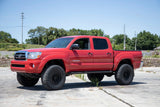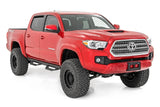


How to Pick Lift Kits for Your Truck or Jeep

A lift kit can make your truck or Jeep look right, clear larger tires, and create more room for the trails. It can also make a daily driver ride worse, steer poorly, or wear out parts early when the kit does not match the vehicle or the job it needs to do. The difference usually comes down to knowing how to pick lift kits for the way you actually drive.
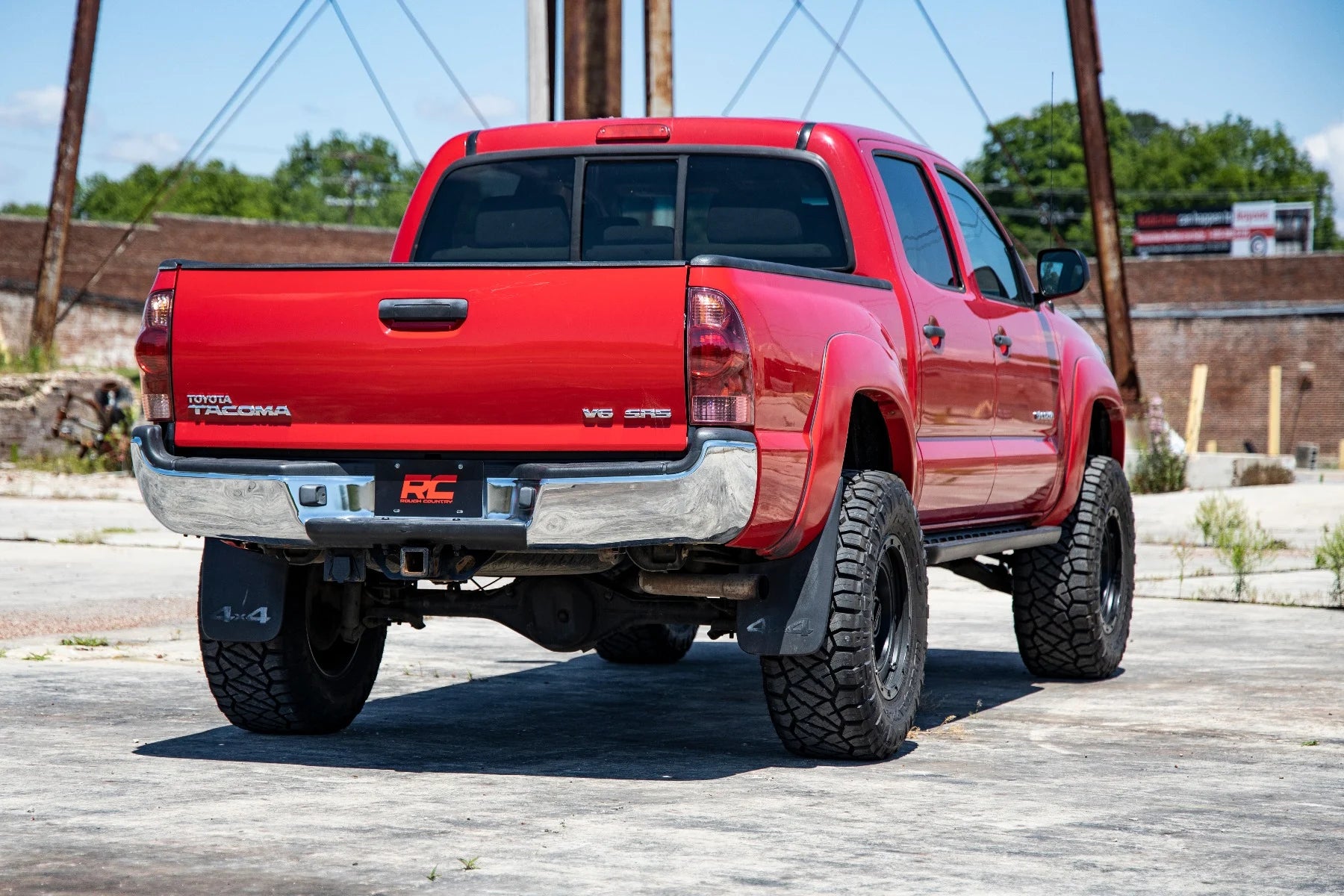
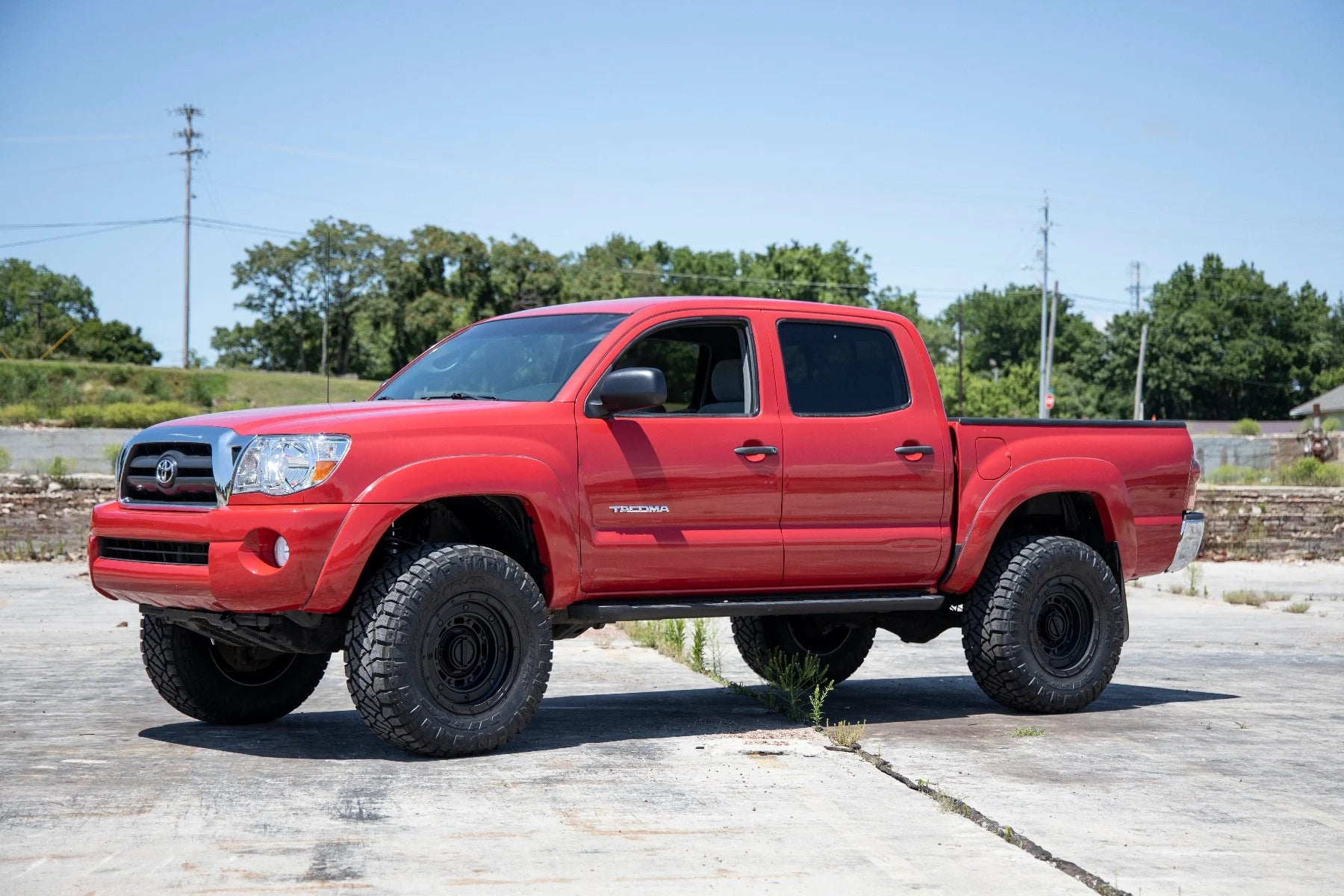
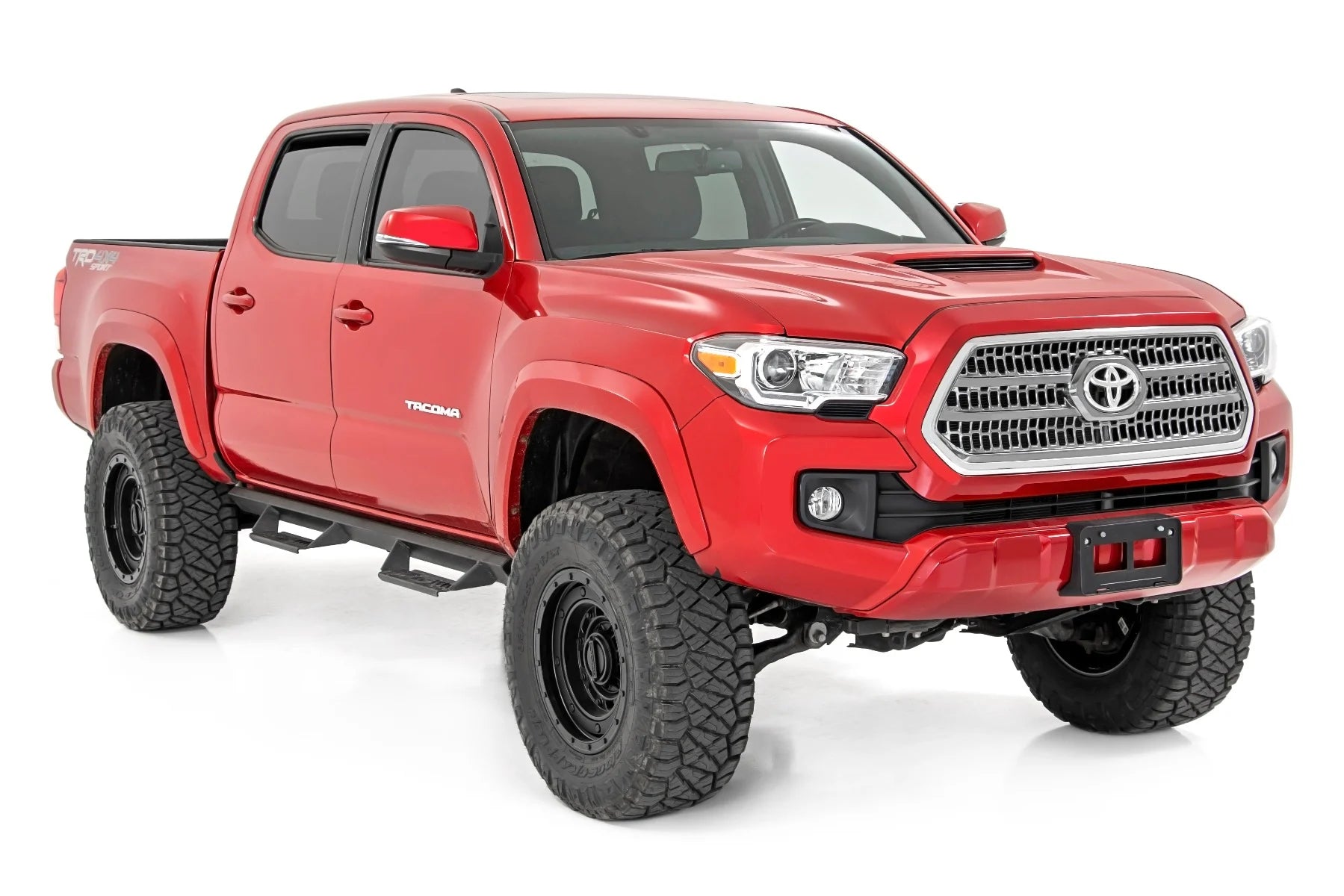
The best kit is not automatically the tallest one or the one with the biggest advertised tire size. Start with your vehicle, your goals, and the supporting parts required to make the lift work correctly. A properly selected and installed lift should feel intentional from the driveway to the highway and, when applicable, off the pavement.
Start With What You Want the Lift to Do
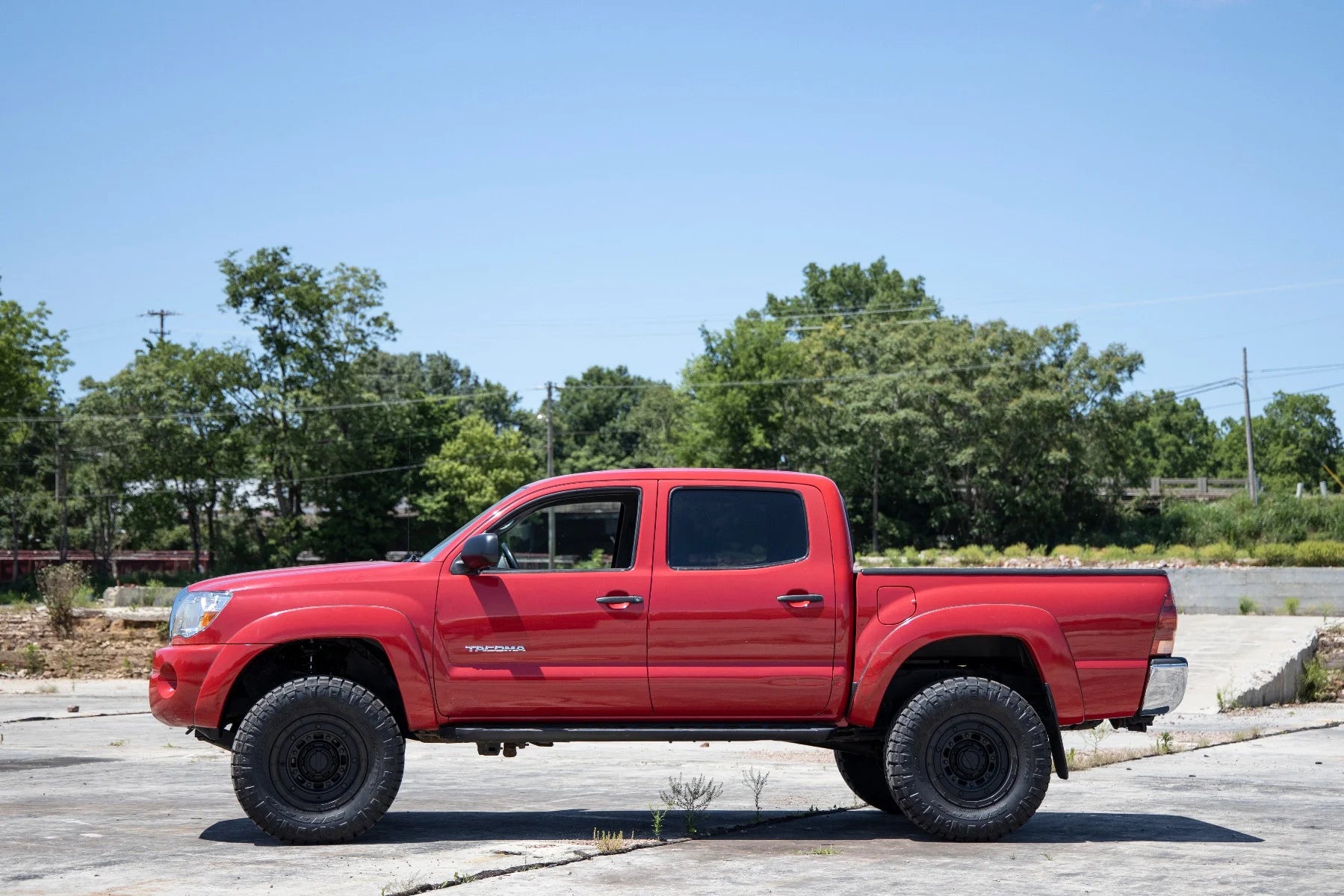
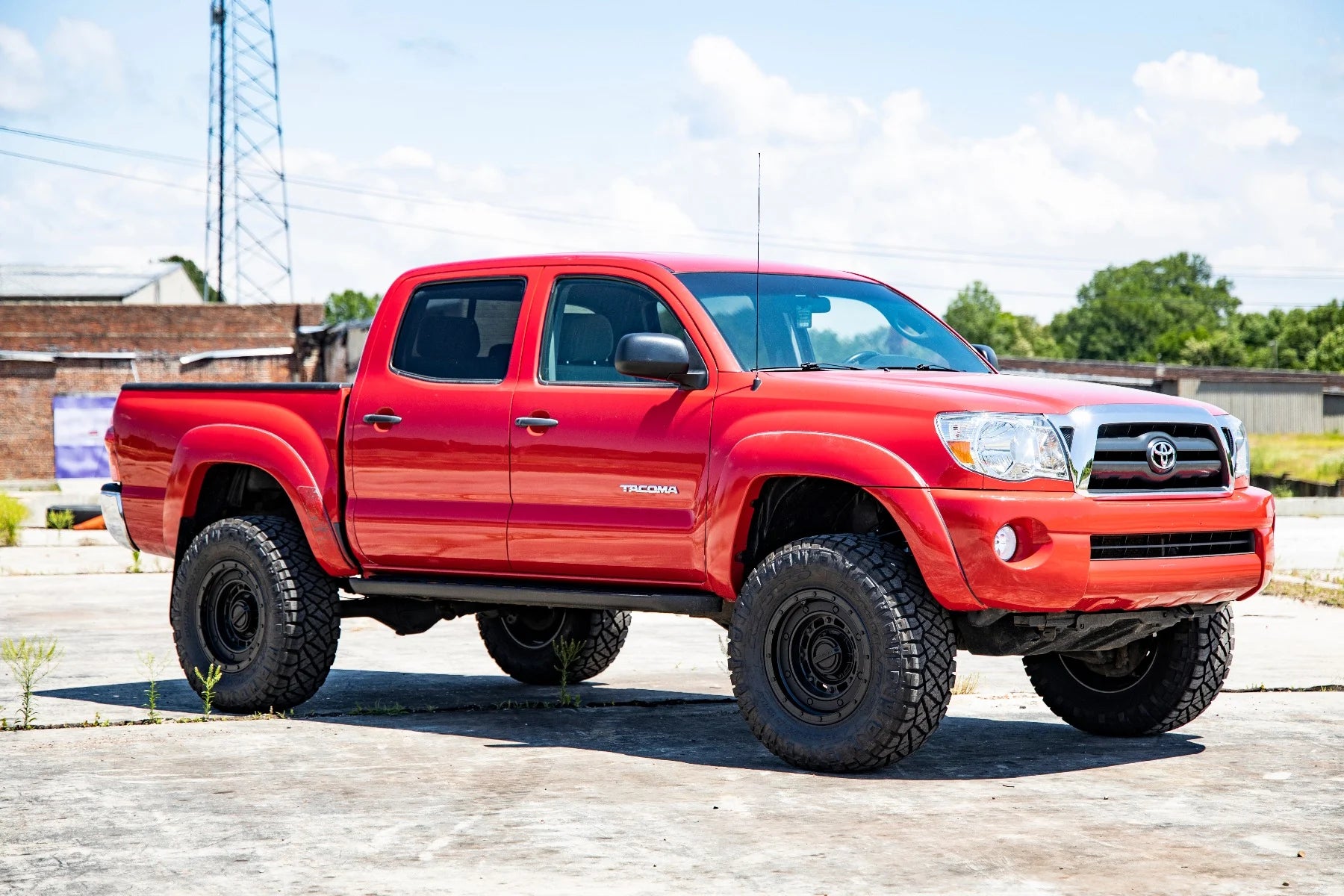
Most lift-kit decisions become easier when you separate appearance from function. If you want a more aggressive stance and room for slightly larger tires on a daily-driven truck, a modest leveling kit or 2-inch suspension lift may be enough. If you regularly use wooded trails, rutted access roads, or beach terrain, added suspension travel and clearance matter more than simply gaining height.
A truck used for towing is another situation entirely. Lifting it too far can affect trailer angle, loading, handling, and your ability to use the truck comfortably. A Jeep that sees technical trails may benefit from suspension geometry, articulation, and appropriate shocks more than a tall budget spacer setup.
Be honest about how the vehicle spends most of its time. A commuter that hits a few trails each season needs a different setup than a dedicated weekend wheeler. The right answer can be a mild lift with quality shocks, not a 6-inch system with compromises you feel every morning on I-95.
How to Pick Lift Kits by Type
“Lift kit” covers several different approaches. Knowing the basic categories helps you avoid paying for capability you will not use or buying a kit that cannot meet your goals.
Leveling kits
Many trucks sit lower in the front from the factory. A leveling kit raises the front to reduce that factory rake, usually by 1 to 3 inches. This is a popular choice for drivers who want a cleaner stance and clearance for somewhat larger tires without dramatically changing the vehicle.
Leveling kits can use strut spacers, replacement struts, torsion-key adjustments on applicable vehicles, or other vehicle-specific components. Spacer kits are often economical, but they do not improve ride quality by themselves. A quality replacement strut or coilover package may cost more but can deliver better control and a more refined ride.
Suspension lift kits
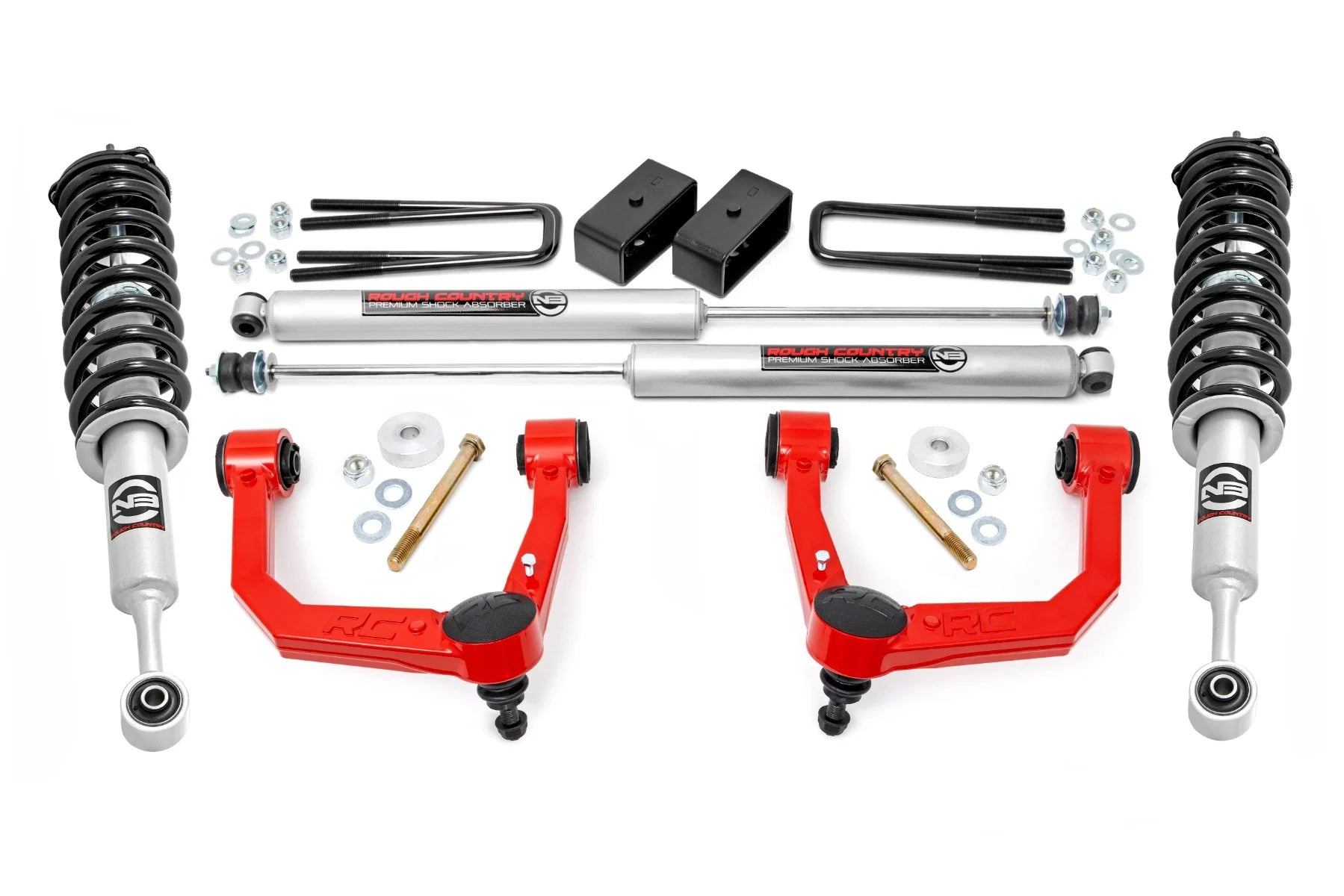
A suspension lift raises the vehicle through changes to springs, struts, control arms, shocks, brackets, and related suspension components. These kits are the better choice when you need greater tire clearance, off-road capability, or more suspension performance.
For independent-front-suspension trucks and SUVs, the kit must address angles and alignment. On solid-axle vehicles such as many Jeeps, correct control-arm geometry, track-bar positioning, brake-line length, driveshaft angles, and steering behavior become major factors as lift height increases.
Body lift kits
A body lift raises the body from the frame while leaving much of the suspension in its original position. It can create tire clearance at a lower price, especially on body-on-frame trucks, but it does not add the same ground clearance under the axles or improve suspension travel.
Body lifts can make sense as part of a planned build, but they are not the automatic answer for every vehicle. Consider bumper gaps, steering extensions, shifter adjustments, and the finished appearance before choosing one.
Coilover and performance suspension systems
For drivers who care about ride quality, control, and real off-road performance, adjustable coilovers and complete performance suspension systems deserve a look. These setups can be tuned for lift height and often provide better damping than basic spacer-based lifts.
They are also a smarter place to invest when your truck or Jeep sees rough roads, trail use, heavier wheels and tires, winches, bumpers, or other added weight. The initial price is higher, but the result is often more controlled and more durable than trying to build around the cheapest lift available.
Choose Tire Size Before You Choose Lift Height
A common mistake is buying a lift based on inches alone. Lift height and tire size are connected, but they are not interchangeable. Two trucks with the same 3-inch lift may fit different tire sizes because of wheel offset, wheel width, factory fender shape, suspension travel, and steering clearance.
Decide on a realistic tire size first, then select a lift and wheel package designed to support it. Ask whether the tires will rub at full steering lock, during suspension compression, or when reversing. A tire that clears in a parked lot may still contact the fender liner, control arm, or bumper corner on the road or trail.
Wheel offset matters just as much. A wheel that pushes the tire farther outward can create a wider, tougher look, but it may also increase rubbing, throw more road debris down the side of the vehicle, and add stress to wheel bearings and steering components. Bigger is not always better when the goal is a truck or Jeep that drives well for years.
Do Not Ignore Geometry, Steering, and Driveline Angles
The supporting components are where good lift builds separate themselves from shortcuts. Raising a vehicle changes the relationship between suspension parts, steering components, and driveshafts. The higher the lift, the more those changes matter.
On a truck with independent front suspension, excessive CV axle angles can shorten axle life. Upper control arms may be needed to restore alignment range and improve ball-joint angles. A quality kit may include differential drop brackets, crossmembers, skid plates, or extended sway-bar links for a reason.
On a solid-axle Jeep, poor caster can make steering feel loose or wander at highway speed. Improper track-bar geometry can cause bump steer, where the Jeep moves sideways or jerks through the steering wheel after hitting a bump. Driveshaft vibration, brake-line stretch, and coil spring alignment are also real concerns.
This is why a low-priced kit is not necessarily a low-cost build. If it requires a long list of additional parts to drive safely and correctly, compare the total installed price against a more complete system from the start.
Match Shocks to Your Driving Style
Shocks are not an accessory after the lift is installed. They are a major part of how the vehicle rides and handles. Basic twin-tube shocks can work well for a light-duty street truck, while monotube shocks, adjustable dampers, and remote-reservoir options offer more control for aggressive driving, towing, or repeated off-road use.
A stiffer shock may reduce body movement but can feel harsh on broken pavement. A softer setup may be comfortable around town but less controlled with a heavy load or at speed over uneven terrain. Added weight from steel bumpers, roof racks, winches, drawer systems, and oversized tires should also factor into spring and shock selection.
Plan for the Full Budget, Not Just the Kit Price
The lift kit is only one part of the project. A complete budget may include wheels and tires, mounting and balancing, alignment, control arms, driveshaft work, steering upgrades, brake-line extensions, fender trimming, recalibration for tire size, and replacement wear items found during installation.
For trucks that tow, include a plan for hitch height and trailer setup. For Jeeps, consider whether the new tire size requires different axle gearing to restore usable acceleration and transmission behavior. For any vehicle, confirm that local inspection, lighting, and tire-coverage requirements are addressed before the build is complete.
It is better to install a well-engineered 2-inch or 3-inch setup with the right tires and alignment than to rush into a taller lift and spend the next year correcting avoidable issues.
Why Professional Installation Makes a Difference
Lift installation is not just bolting parts on and sending the vehicle down the road. It requires correct torque procedures, component inspection, alignment, clearance checks, and a road test that catches vibration, pulling, unusual noises, or steering concerns.
An experienced installer can also spot fitment issues before parts are ordered. That matters when choosing wheels, tire sizes, suspension systems, and accessories that all need to work together. At Audio Jam, that approach helps truck and Jeep owners build a setup around the vehicle they have and the way they plan to use it.
Before choosing a kit, bring in the tire size you want, the type of driving you do, whether you tow or haul, and a realistic budget for the complete build. A lift should make your vehicle more capable and more enjoyable to drive, not create a list of problems that follows you every time you turn the key.