

How to Choose Window Tint for Your Vehicle

A tint job can make a daily driver feel cooler, more private, and more finished in a single afternoon. But if you are figuring out how to choose window tint, do not start by asking for the darkest film on the rack. Start with how you use the vehicle, what you want the film to solve, and what is legal where you drive.
The right tint for a commuter SUV may be very different from the right setup for a show truck, a work van, or a Jeep that spends every summer with the top off. Film darkness matters, but heat rejection, visibility, signal compatibility, and installation quality matter just as much.
How to Choose Window Tint Based on Your Priorities
Most customers come in with one main goal: cut the heat, add privacy, reduce glare, protect the interior, or improve the look of the vehicle. Knowing your first priority keeps the selection process simple.
If heat is the problem, choose a high-performance film with strong solar-energy rejection. A darker shade alone does not guarantee a cooler cabin. Quality ceramic films can reject significant heat while remaining relatively light, which is useful for drivers who want better comfort without making nighttime visibility more difficult.
If privacy and appearance are the main goals, a darker rear tint may be the right move. Trucks, SUVs, and crossovers often look more balanced with darker rear glass, especially when paired with factory privacy glass. Keep in mind that factory privacy glass is usually colored glass, not heat-rejecting window film. Adding film can improve comfort and UV protection, but the final darkness needs to be measured correctly.
For commuters, glare reduction is often the underrated benefit. A moderate tint can make low-angle morning and evening sun less punishing without turning every unlit back road into a visibility challenge. If you drive at night frequently, be honest about that before selecting a very dark front-window shade.
Understand VLT Before Picking a Shade
VLT stands for visible light transmission. It is the percentage of visible light that passes through the glass and tint combined. Lower VLT means a darker finished window.
A 5% tint is commonly called limo tint. It offers serious privacy but is very dark, especially at night. A 20% or 25% film gives a dark, clean look while allowing more outward visibility. A 35% film is a popular middle ground for drivers who want noticeable tint without an overly blacked-out appearance. Lighter options, such as 50% or 70%, can still reduce glare and heat while keeping the vehicle close to a factory look.
The number printed on a tint roll is not always the final number your meter will read. Your vehicle glass already blocks some light. When film goes over the glass, the VLT percentages combine, making the final result darker than the film alone. This is especially relevant on rear windows with factory privacy glass.
Do not guess at the final shade. A professional shop should use a tint meter, inspect the vehicle, and explain what the finished VLT is likely to be before installation.
Front Windows Need a Different Conversation
A shade that looks great on rear doors may not be the right choice for front side windows. Front windows affect your ability to see mirrors, pedestrians, curbs, cyclists, and cross traffic in poor weather or low light. They also receive the most attention during traffic stops and inspections.
Windshield tint has its own rules and safety considerations. Many drivers use a windshield brow to reduce glare, while others choose a very light, heat-rejecting film where permitted. Never treat the windshield like a rear window. Your clear forward view is too important, and local regulations can be specific about what is allowed.
Film Type Matters More Than Most People Think
Not all window films perform the same way. The cheapest dark film may change the appearance of the car, but it often does less for heat control and may not hold up as well over time.
Dyed film is generally the entry-level option. It delivers a darker appearance and can reduce glare, but its heat performance is limited compared with premium films. It can be a reasonable choice for a budget-minded vehicle owner who mainly wants the look.
Carbon film is a step up for drivers who want a richer black finish and better heat rejection without a shiny or reflective appearance. It typically resists fading better than basic dyed film and is a solid fit for many daily drivers and trucks.
Ceramic film is the premium choice for heat management. It uses non-metallic ceramic particles to reject heat and block UV exposure without interfering with many electronic signals. That matters if your vehicle uses GPS, satellite radio, Bluetooth, mobile service, toll transponders, or advanced driver-assistance equipment. Ceramic film is more expensive, but Delaware summers, long commutes, and dark interiors make its comfort benefit easy to appreciate.
Metalized films can offer heat rejection, but they may create signal issues in some vehicles. For modern vehicles packed with electronics, ceramic or other non-metallic options are often the safer recommendation.
Compare Heat Numbers the Right Way
Marketing terms can get confusing fast. Infrared rejection sounds impressive, but it is only one part of the heat picture. Ask about total solar energy rejected, often shown as TSER, along with UV protection and glare reduction.
A film can advertise a high infrared-rejection number while having a more modest overall impact on cabin heat. That does not make it bad film. It just means you should compare similar shades and look at the complete performance chart rather than choosing based on one number.
UV protection is worth paying attention to as well. Quality automotive films block the vast majority of UV rays, helping protect leather, dashboards, trim, and the people inside the vehicle. That is useful whether you drive a work truck all day or park a family SUV outside.
Check Delaware Tint Rules Before You Commit
Tint laws are not a style preference. They are regulations, and they can differ between front and rear windows, passenger vehicles and multipurpose vehicles, and windshield areas. Medical exemptions may also have separate requirements.
Before choosing a shade, confirm the current Delaware requirements for your vehicle type. Do not rely on what a friend has on their car, an old social-media post, or a tint percentage you used in another state. Laws and enforcement practices can change, and a film that looks light enough may still measure below the legal VLT once applied to factory glass.
A reputable installer can help you select a legal setup that still meets your goals. If you travel regularly through Pennsylvania, Maryland, New Jersey, or other nearby states, it also makes sense to consider how an aggressive tint setup may be treated outside Delaware.
Do Not Ignore the Installation
Even excellent ceramic film can look bad if it is installed poorly. Dust contamination, uneven edges, gaps around seals, trapped water, creases, and premature peeling are not normal signs of a quality tint job.
Modern vehicles can add complexity. Rear glass may have defroster lines, antennas, cameras, molded shapes, and tight trim panels. Door panels can contain speakers, wiring, airbags, and weather seals that need to be handled carefully. An experienced installer knows how to work around these components without damaging the vehicle or cutting corners.
Ask what film brand is being installed, what warranty applies, and what the curing process looks like. Fresh tint can appear hazy or show small moisture pockets while it dries. That is usually normal during the cure period. Large bubbles, lifting edges, scratches, or contamination that does not clear are reasons to contact the installer.
For drivers in Bear, Newark, Wilmington, and the surrounding area, choosing a shop that can inspect the vehicle in person is valuable. You can compare shades against your actual paint color and interior, get an accurate reading of existing glass, and avoid ordering a tint percentage based only on a photo online.
Match the Tint to the Vehicle You Actually Drive
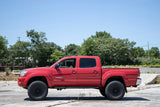
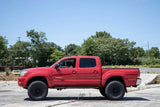
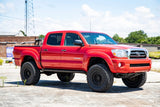
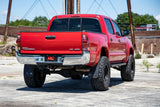
A blacked-out 5% rear setup may suit a weekend show truck, but it can be frustrating in a family SUV that backs out of a dark driveway every night. A light ceramic film may be the smarter upgrade for a luxury sedan with a black leather interior, where heat reduction matters more than a dramatic look.
Truck owners should think about rear visibility with bed covers, toolboxes, and trailer use. Jeep owners may want heat control that remains useful when doors and tops are on. Drivers with dash cams should also consider camera placement and avoid creating reflections that affect footage.
The best tint setup is not always the darkest or most expensive option. It is the one that gives you the appearance, comfort, and visibility you want while staying compatible with your vehicle and within the law. Bring your vehicle in, look at real shade samples in daylight, and make the choice based on how you drive after the sun goes down too.