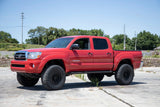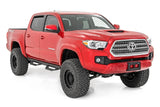


How to Choose Truck Wheels That Actually Fit

A truck can look completely wrong with the right-size wheels if the offset, backspacing, and tire package are wrong. That is why how to choose truck wheels is less about picking a finish from a photo and more about building a package that fits your truck, works for how you drive, and delivers the look you had in mind.
A set of wheels has to clear brakes and suspension components, carry the vehicle safely, work with the tires you want, and avoid rubbing when the suspension moves. Whether you drive a stock Silverado, a leveled F-150, a lifted Ram, or a Jeep that sees real trail time, start with fitment before style.
Start With Your Truck's Exact Specs
Year, make, model, trim, drivetrain, brake package, and suspension setup all matter. Two trucks from the same model year can have different wheel requirements if one has larger factory brakes, an off-road package, or an aftermarket lift. Do not assume a wheel that fits your friend's truck will fit yours.
The core fitment numbers are bolt pattern, center bore, wheel diameter, wheel width, offset, and backspacing. Bolt pattern tells you whether the wheel physically mounts to the hub. A common example is 6x139.7, found on many half-ton trucks and SUVs, but common does not mean universal. Verify it for your specific vehicle.
Center bore matters, too. Hub-centric wheels are designed to center on the truck's hub, helping the wheel sit correctly and reducing the chance of vibration. Some aftermarket wheels use a larger center bore and require the proper hub-centric rings. The right lug nuts or bolts are also part of the package, not an afterthought.
Choose Diameter and Width Around the Tires
Wheel diameter is the easy number to see - 17, 18, 20, 22 inches, and beyond. It affects appearance, tire selection, ride quality, and off-road performance. A 17-inch or 18-inch wheel leaves more tire sidewall, which can be a plus for rough roads, towing, work-truck use, and off-road driving. More sidewall offers better cushioning and helps protect the wheel from potholes and trail impacts.
A 20-inch wheel is a popular middle ground for modern trucks. It delivers a more aggressive, updated look while still leaving room for all-terrain tires with usable sidewall. Larger diameters can create a clean street-truck look, especially with lower-profile tires, but they can ride firmer and leave less margin for a hard pothole.
Width needs the same attention. An 8.5- or 9-inch-wide wheel works well with many common truck tire sizes. A 10- or 12-inch wheel can create a wider stance, but it needs the right tire width, offset, and fender clearance. Stretching a narrow tire onto an overly wide wheel is not the move on a heavy truck. It can compromise tire performance, sidewall support, and the overall look.
Before choosing a wheel size, decide whether your truck is built for daily driving, towing, muddy trails, beach runs, show-and-shine weekends, or a mix of all of it. The tire should drive the final wheel decision more than the other way around.
Offset and Backspacing Decide the Stance
If there is one area where truck wheel shopping gets expensive fast, it is offset. Offset is the distance between the wheel mounting surface and the centerline of the wheel. Backspacing measures from the mounting surface to the inside edge of the wheel. Both determine how far the wheel sits in or out from the truck.
A more positive offset generally keeps the wheel tucked closer to the suspension and fender. Lower or negative offset pushes the wheel outward for a wider, more aggressive stance. That wide look can be exactly what you want, but there are trade-offs. Too much poke can cause tire rub, throw road debris down the side of the truck, add stress to steering and suspension components, and create issues with fender coverage requirements.
On a stock truck, modest changes usually make fitment easier. A leveled or lifted truck can accept more tire and more outward stance, but lift height alone does not guarantee clearance. A tire can clear while driving straight and still contact the liner, bumper, sway bar, or control arm at full steering lock or when the suspension compresses.
Do Not Buy Based on “No Rubbing” Claims Alone
Online fitment claims often leave out key details: tire brand, actual tire measurements, lift kit type, alignment settings, trimming, and whether the truck was tested at full lock. One 35-inch tire can measure differently from another 35-inch tire, even when the sidewall says the same size.
If you want a wider wheel and larger tire package, plan for a real fitment discussion. In some cases, minor trimming, a leveling kit, aftermarket upper control arms, or a different offset is the cleanest answer. The goal is not merely to make the wheels bolt on. The goal is to make the truck turn, flex, and drive without constant contact.
Match Load Rating to the Way You Use the Truck
Truck wheels need an appropriate load rating. This is especially important for owners who tow equipment, carry jobsite gear, haul motorcycles or ATVs, or run heavier diesel trucks. A wheel may look right but still be a poor choice if its rating does not support the truck's axle loads and intended use.
Check the wheel's stated load rating and compare it with your vehicle requirements. The tire's load range and capacity matter just as much. Your wheel-and-tire package is only as capable as its lowest-rated component.
For a daily-driven half-ton that occasionally pulls a small trailer, there may be plenty of options. For a heavy-duty truck that tows regularly, stay focused on wheels designed for that workload. Saving a little money on a questionable wheel is not worth sacrificing safety, durability, or confidence on the highway.
Pick Construction and Finish for Real Conditions
Most aftermarket truck wheels are cast aluminum, flow-formed, or forged. Cast wheels offer broad style choices and solid value for many daily drivers. Flow-formed wheels can reduce weight while maintaining strength, making them a good option for drivers who care about performance and durability. Forged wheels are typically the premium choice, built for demanding applications and customers who want the lightest, strongest option available.
Finish is not just cosmetic in the Mid-Atlantic. Delaware winters, road salt, rain, mud, and brake dust are hard on wheels. Gloss black, matte black, machined accents, bronze, polished, and chrome each bring a different look, but they also have different care needs. A polished or chrome-style finish can look sharp on a clean truck, while a textured or matte finish may be more forgiving between washes.
Consider how much maintenance you honestly want to do. A wheel finish should suit the truck's personality, but it also has to survive your commute, your driveway, and the way you use the truck.
Think About Brakes, Sensors, and Installation Details
Modern truck wheel installs involve more than mounting and balancing. The wheels must clear the brakes, and the tire pressure monitoring system needs compatible sensors or a proper transfer from the factory wheels. Depending on the vehicle, you may also need new lug nuts, hub rings, valve stems, or specific hardware.
After installation, verify torque to the wheel manufacturer's specification and re-torque after the initial break-in period. If tire size changes significantly, the speedometer may need calibration. On some trucks, larger tires can affect shift points, braking feel, fuel economy, and advanced driver-assistance behavior. None of that means you should avoid the upgrade. It means the install should be planned as a system.
How to Choose Truck Wheels Without Guesswork
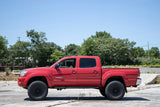
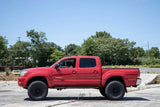
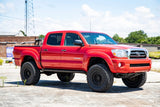
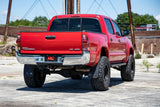
The best wheel package balances fitment, tire size, load capacity, driving conditions, and style. Start with the exact truck specs, choose tires that fit your use, then select wheel width and offset that put everything where it belongs. A tucked factory-style fit, a flush street stance, and a wider off-road setup can all work well - as long as the details support the look.
For truck owners around Bear, Newark, Wilmington, and the surrounding Delaware area, seeing the wheel, tire, suspension, and brake setup together can prevent costly mistakes. Audio Jam can help match the package to your truck and handle the installation so you leave with more than a good-looking setup - you leave with one that is ready to drive.