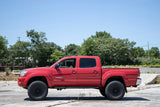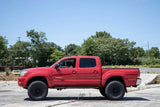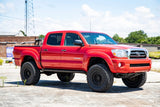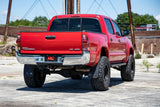


Custom Wheel Fitment Guide for Trucks and Cars

A new set of wheels can change the entire stance of a truck, Jeep, SUV, or car. It can also create rubbing, vibration, brake clearance problems, and expensive tire wear when the specs are guessed. This custom wheel fitment guide covers the measurements that matter before you order wheels or book an installation.
The goal is not simply to make a wheel fit on the hub. The right setup needs proper clearance at full steering lock, through suspension travel, around the brakes, and under the fenders. It also needs to carry the vehicle safely without putting unnecessary load on wheel bearings, suspension parts, or tires.
Start With the Vehicle, Not the Wheel Style
Wheel shopping usually starts with a finish, spoke design, or diameter. That is normal, but fitment has to start with the exact vehicle. Year, make, model, trim, drivetrain, brake package, suspension height, and current tire size all affect what will work.
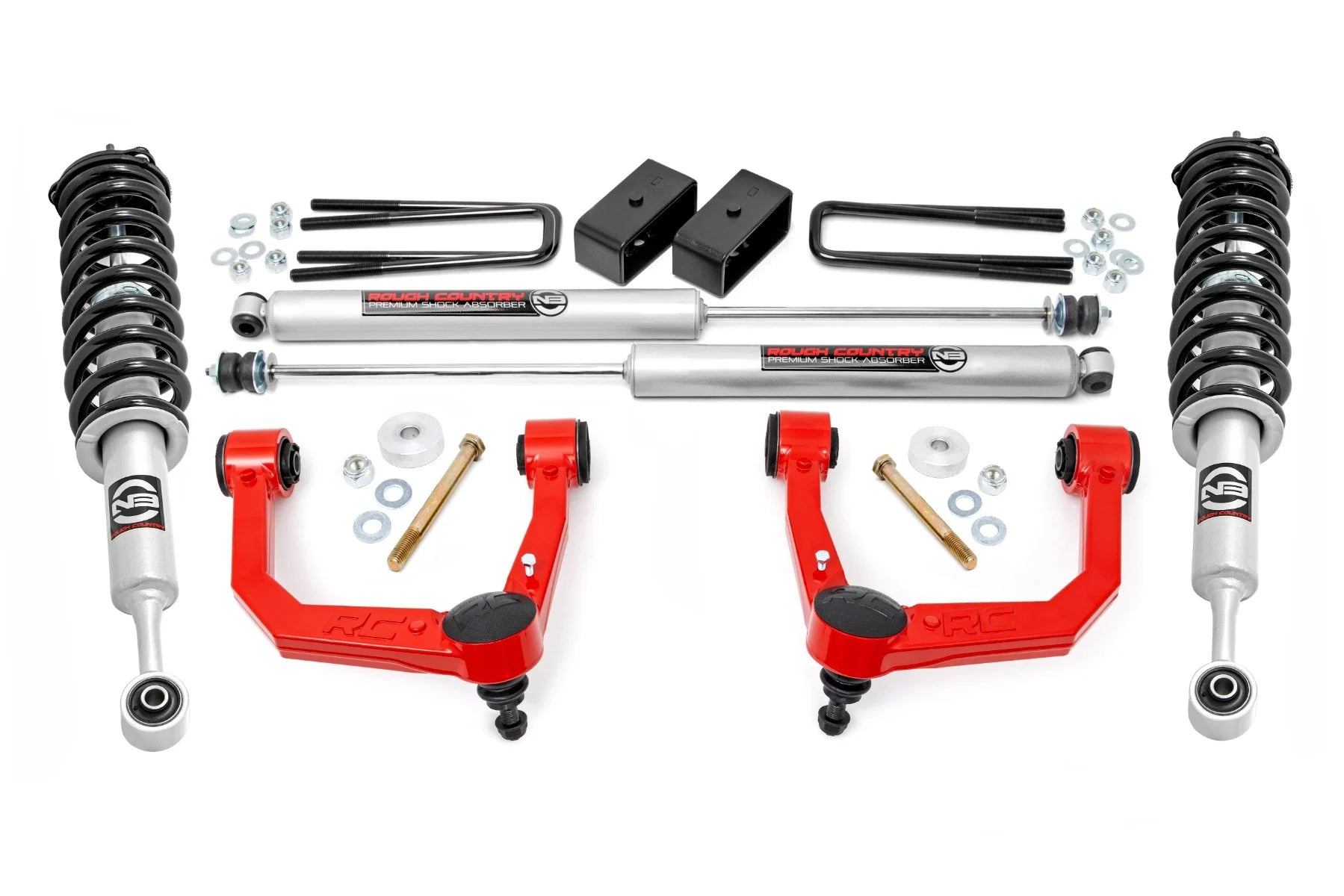
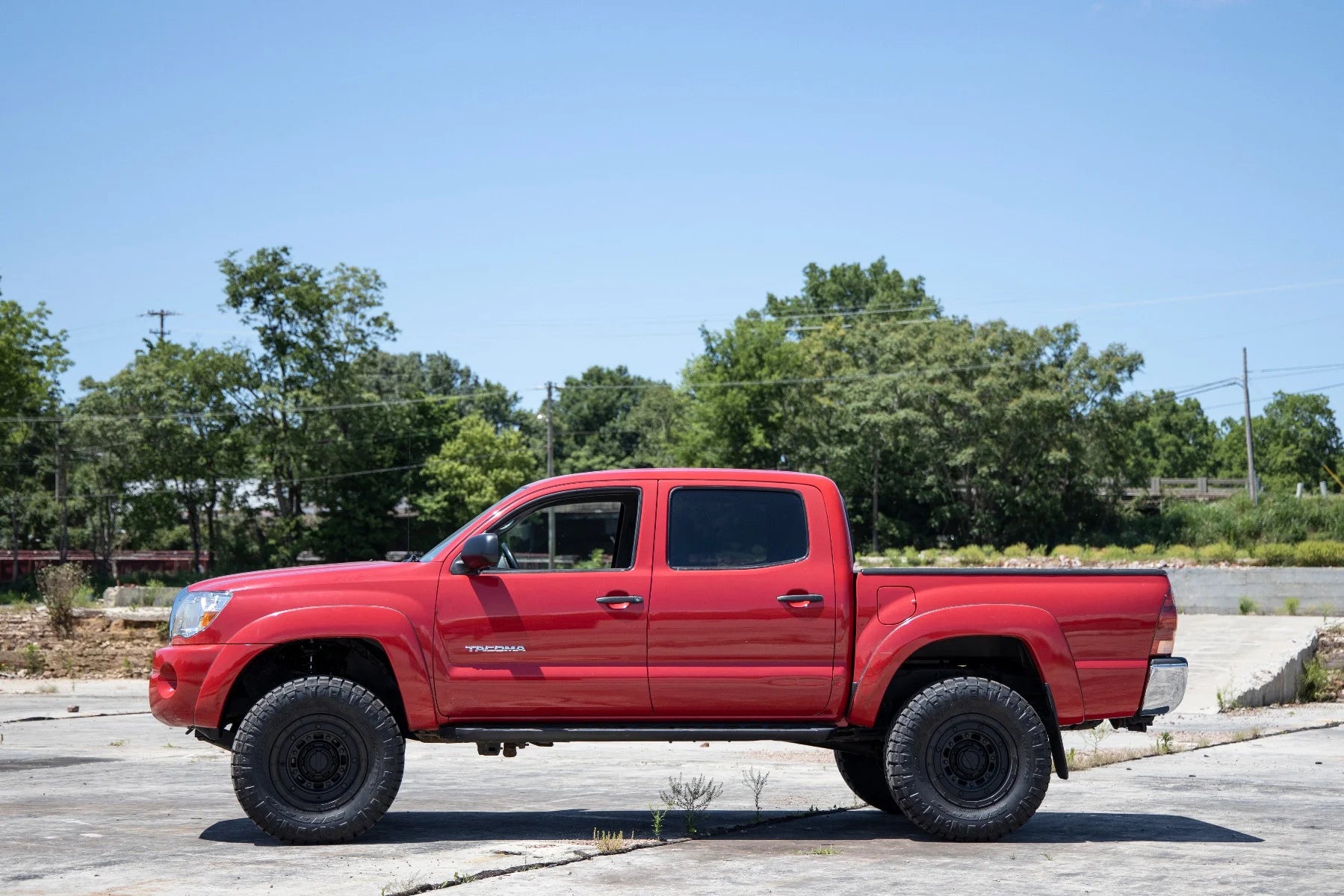
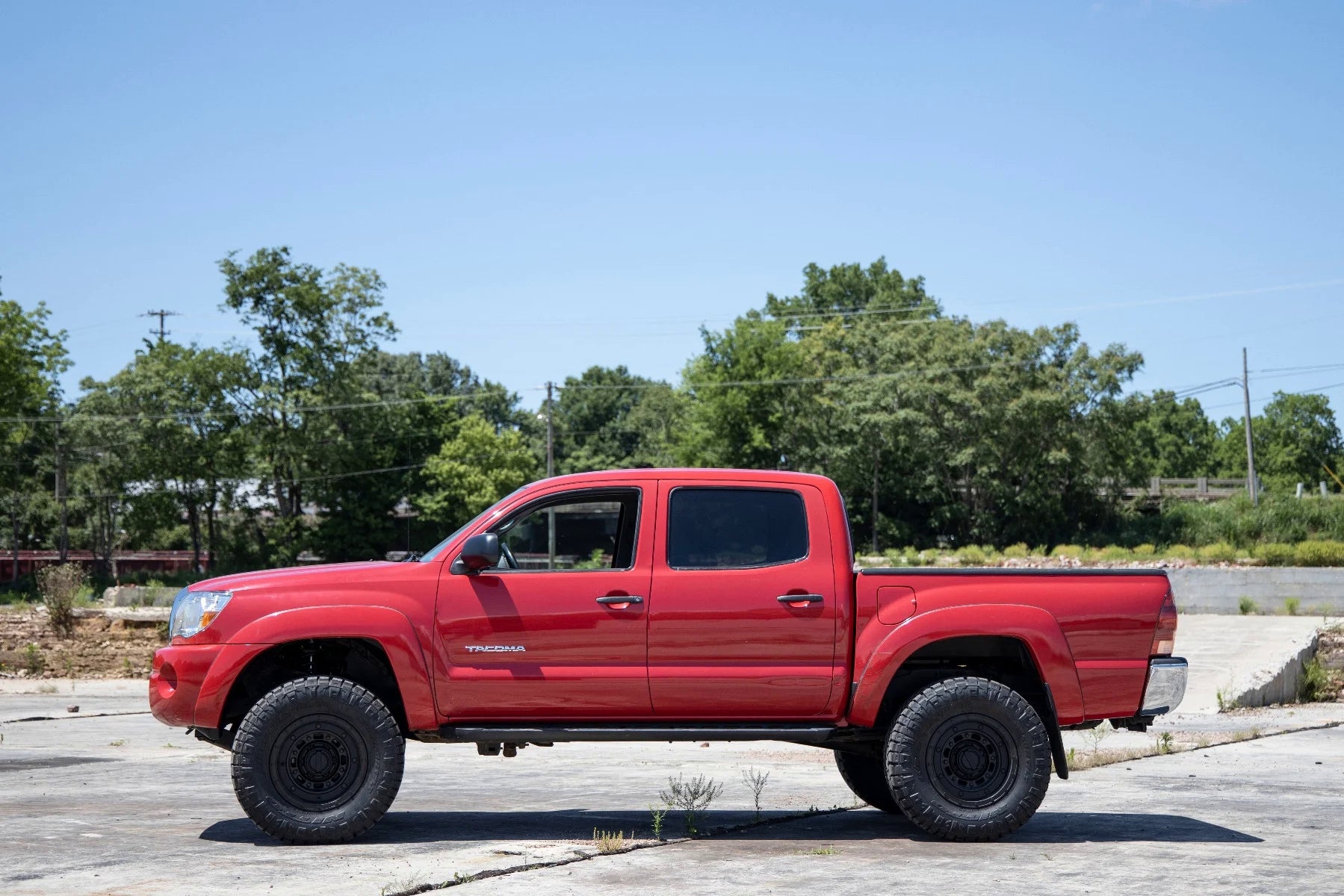
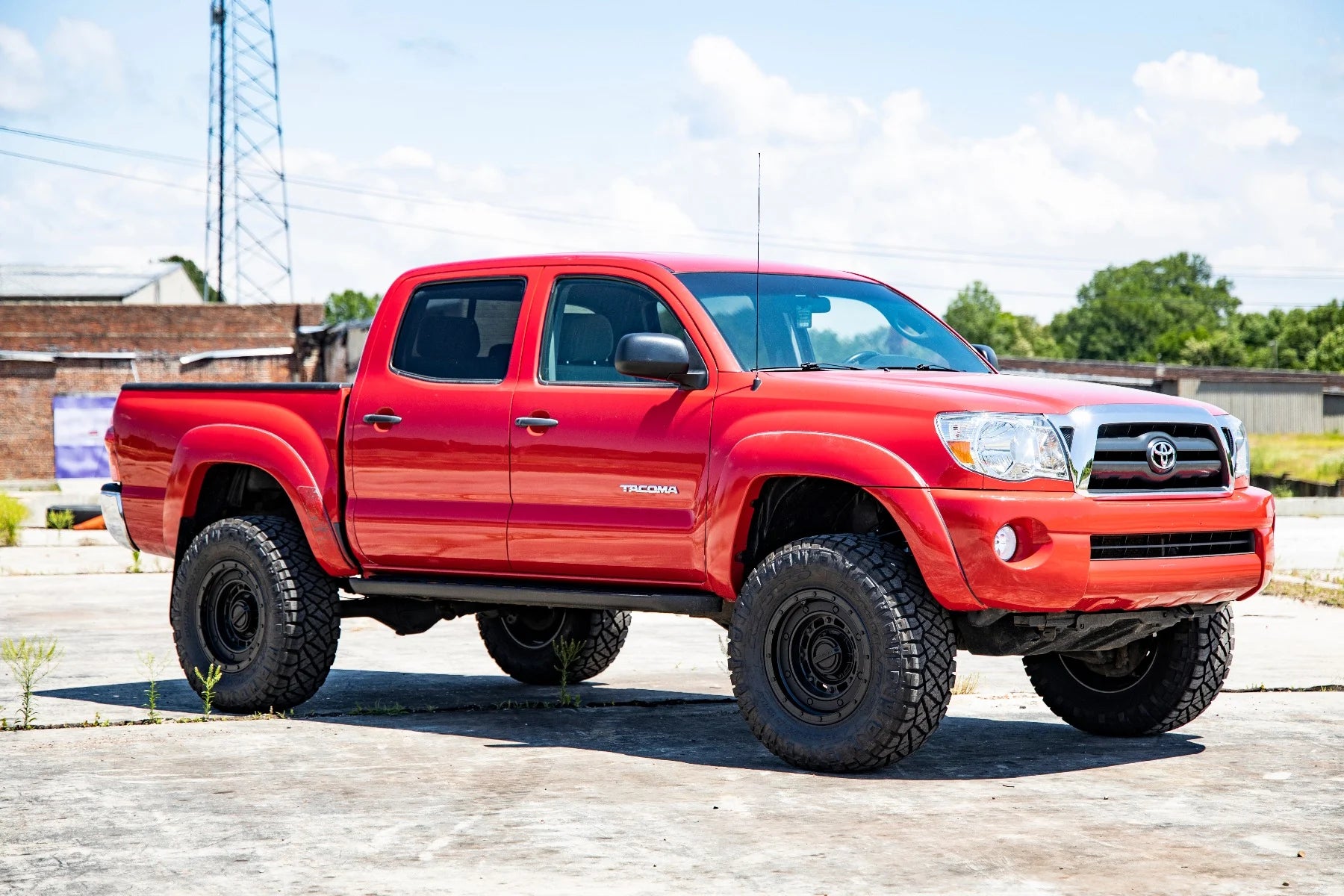
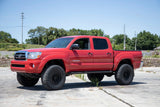
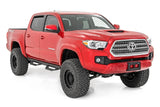
A factory-height half-ton truck has very different clearance than the same truck with a leveling kit. A Jeep with an aftermarket bumper, adjustable control arms, and a 3.5-inch lift has different needs than a stock Wrangler. On cars, a performance brake package may require more spoke clearance than the base trim, even if the bolt pattern is the same.
Bring the full vehicle details to the fitment conversation. If the suspension has been lifted, lowered, leveled, or modified with spacers, say so. A wheel that fits a stock application may not fit correctly after those changes.
The Wheel Specs That Control Fitment
Wheel diameter and width get the most attention, but bolt pattern, offset, center bore, load rating, and brake clearance are equally important. One wrong number can turn a good-looking package into a problem.
Bolt Pattern Must Match Exactly
The bolt pattern describes the number of lug holes and the diameter of the circle they form. You may see it listed as 5x114.3, 6x139.7, or 8x170. The first number is the lug count. The second is the bolt circle diameter in millimeters.
A 5-lug wheel is not automatically interchangeable with another 5-lug vehicle. For example, several common 5-lug patterns are close enough to confuse buyers but are not interchangeable. Never force a wheel onto the studs or assume lug nuts will pull it into place. The pattern needs to be correct from the start.
Diameter and Width Set the Starting Point
Wheel diameter determines the tire diameter options you can use and affects brake clearance. Larger wheels can create a sharper appearance and may clear larger brake components, but they often require lower-profile tires. That can reduce ride comfort and increase the chance of wheel damage on rough roads or potholes.
Wheel width controls how the tire sits. A wheel that is too narrow can pinch the tire sidewall. A wheel that is too wide can stretch the tire, reduce rim protection, and make the vehicle more likely to follow road grooves. Tire manufacturers publish approved rim-width ranges, and that range should guide the package.
For a daily-driven vehicle, the best choice is usually a tire and wheel combination that stays within the tire manufacturer’s approved specifications instead of chasing the widest possible wheel.
Offset and Backspacing Determine Where the Wheel Sits
Offset is one of the biggest reasons a wheel package rubs. It is the distance between the wheel centerline and the mounting surface. Positive offset pulls the wheel farther inward. Negative offset pushes it outward, creating the deep-lip look common on many trucks and Jeeps.
Backspacing measures from the wheel’s mounting surface to the inner edge of the wheel. It is often easier to use when planning truck and off-road setups because it helps predict inside clearance to upper control arms, struts, leaf springs, and frame components.
Less positive offset or more negative offset pushes the tire outward, but that does not automatically mean it fits better. The tire may clear the suspension on the inside and then rub the fender liner, bumper, pinch weld, or fender edge on the outside. It can also increase leverage on bearings and steering components.
There is no universal “best” offset. It depends on wheel width, tire size, vehicle platform, lift height, alignment, and how the vehicle will be used. A clean stance is great, but a wheel should not stick out so far that it creates constant rubbing or throws road debris down the side of the vehicle.
Center Bore and Hub-Centric Fitment Matter
The center bore is the opening in the middle of the wheel. Ideally, the wheel is hub-centric, meaning the bore centers precisely on the vehicle hub. Some aftermarket wheels use a larger universal bore and require hub-centric rings to center the wheel correctly.
The lug nuts clamp the wheel to the hub, but the hub centers it. Without proper centering, drivers can experience a vibration that feels like a balancing issue, especially at highway speed. The correct rings, lug nuts, and seat type are small parts that make a major difference in a professional installation.
Brake Clearance Is More Than Wheel Diameter
A 20-inch wheel may clear one brake package and hit another. Caliper shape, rotor size, wheel barrel profile, and spoke design all matter. This is especially relevant for performance cars, HD trucks, and vehicles upgraded with larger brake kits.
Do not assume a larger-diameter wheel will clear the calipers. The inner barrel may have room while the spokes contact the caliper face. A fitment check using a brake template or verified application data is the right move before ordering.
Tire Size Is Part of the Fitment Equation
Wheels and tires need to be planned as one package. A wheel may technically fit, but the mounted tire can still contact the vehicle when turning or compressing the suspension.
Tire diameter affects speedometer accuracy, gearing, acceleration, braking feel, and clearance. On newer vehicles, a substantial change can also affect driver-assistance systems, transmission shift behavior, and calibration needs. Wider tires may improve the planted look and traction in some conditions, but they can also add weight, increase road noise, and reduce fuel economy.
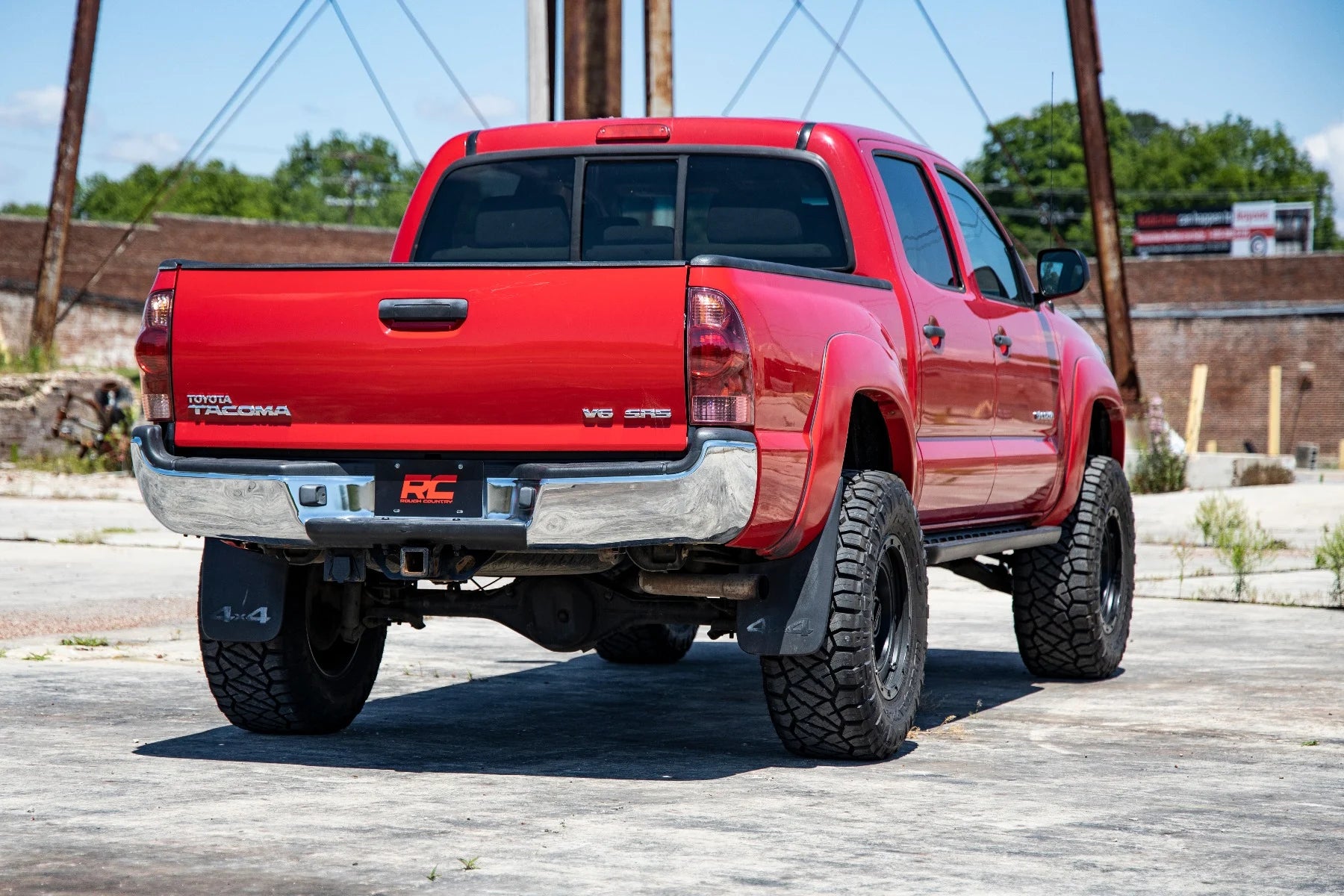
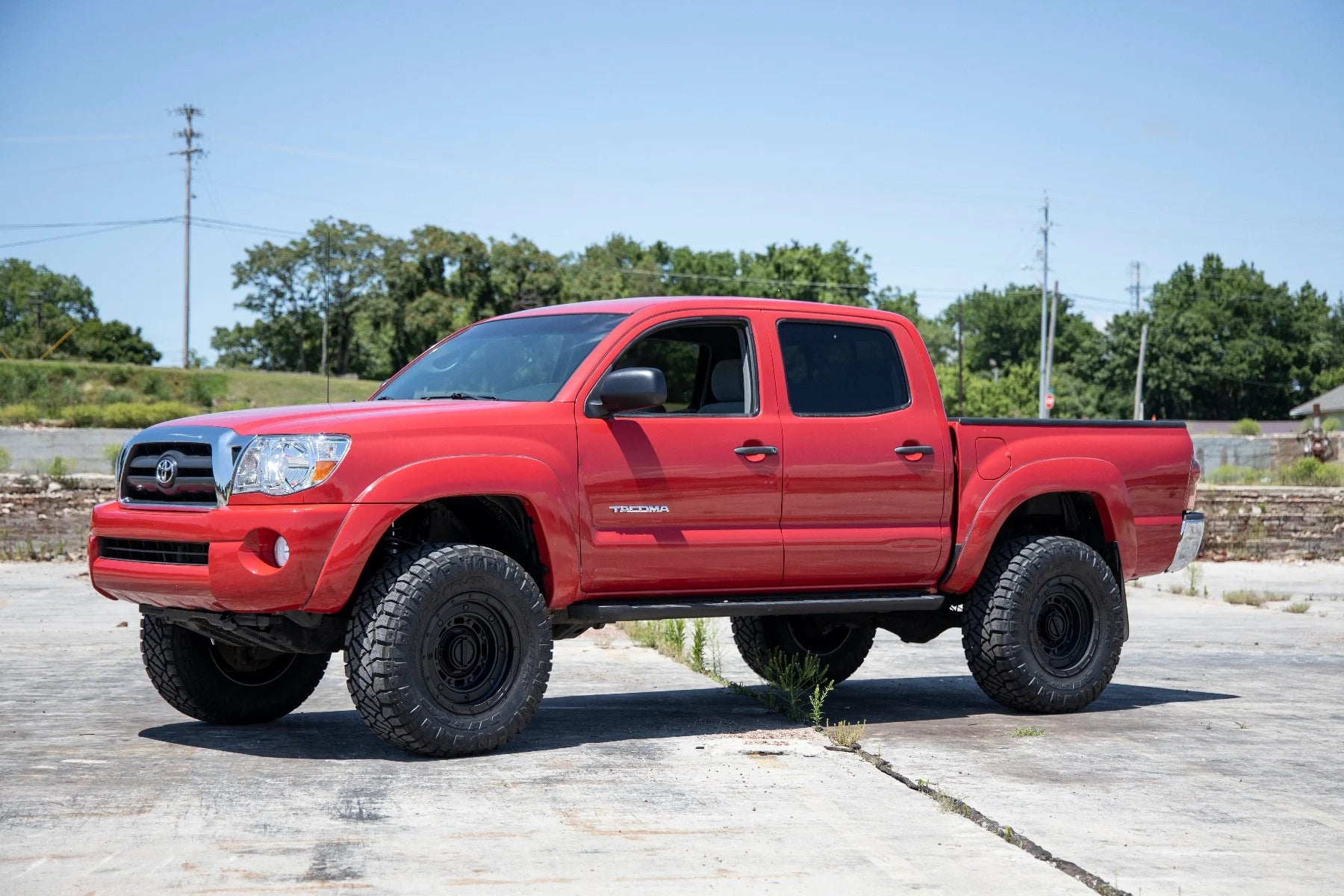
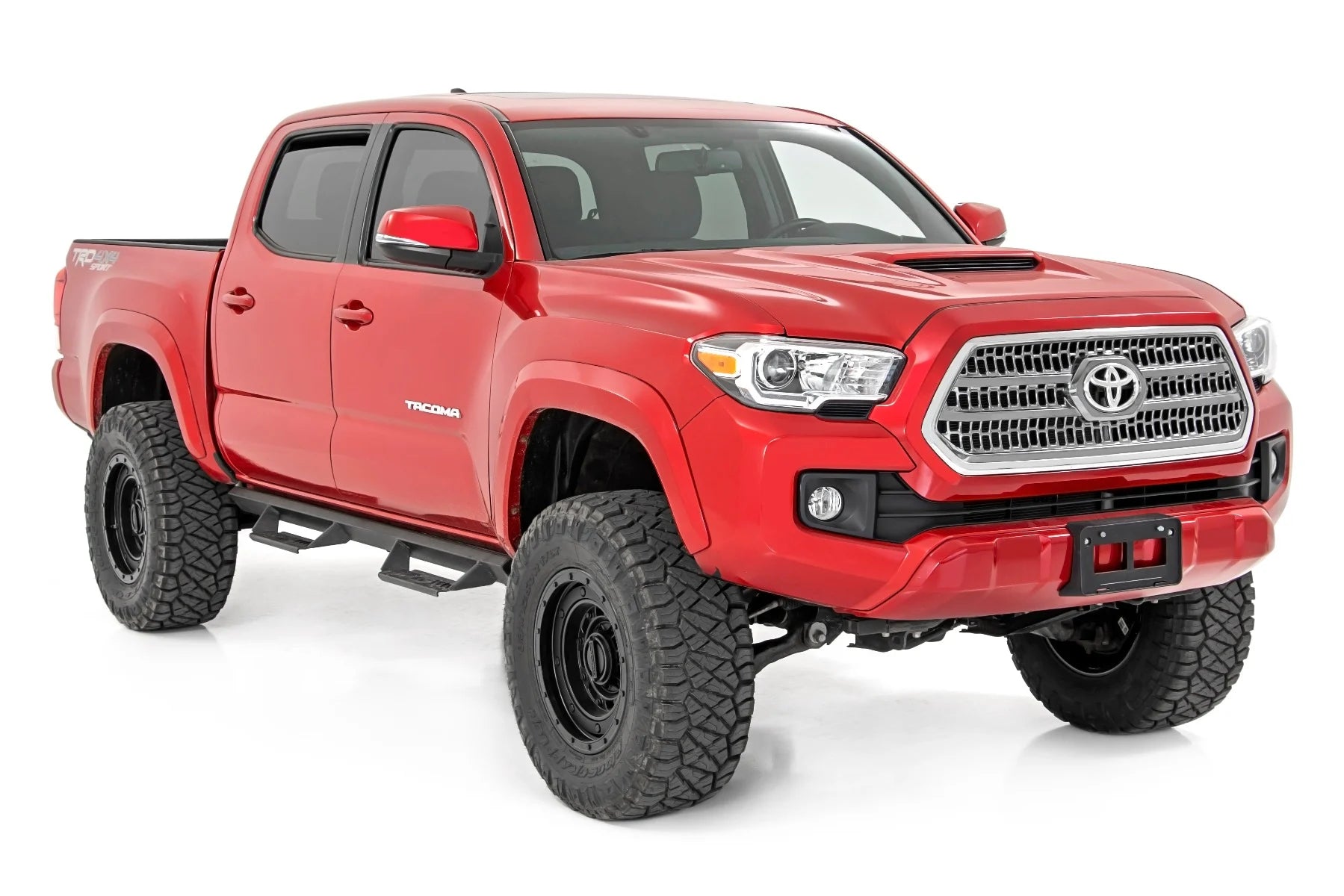
For trucks and Jeeps, larger all-terrain or mud-terrain tires often require more than a lift kit. Depending on the combination, you may need trimming, a leveling kit, adjusted bump stops, different wheel offset, or alignment changes. The phrase “fits with a 2-inch lift” is not enough information by itself. Tire brand and tread design can change actual dimensions even when the sidewall size looks the same.
Check Clearance Through the Full Range of Motion
A vehicle parked on level ground does not show the whole picture. Proper fitment needs clearance checks with the steering turned lock-to-lock and the suspension loaded as it would be on the road.
Look closely at the inner fender liner, front bumper corners, mud flaps, sway bar, upper control arm, strut, brake line brackets, and rear fender area. On lowered cars, the top of the tire and fender relationship becomes especially important during compression. On lifted trucks, the front of the tire often contacts first when backing up while turning.
Alignment also changes the result. Caster, camber, and toe affect where the tire travels. A truck that clears before alignment may rub afterward if the alignment moves the wheel position enough. That is why the wheel-and-tire package, suspension setup, and alignment should be treated as connected work.
Avoid Common Fitment Shortcuts
Wheel spacers, adapters, and aggressive offsets are not automatically wrong, but they should never be used as a quick fix without checking the full setup. Quality parts, correct installation, adequate thread engagement, proper torque, and re-torque procedures are mandatory.
Also pay attention to wheel load ratings. A wheel that looks right on a heavy-duty pickup may not be rated for the truck’s axle weight, payload, or towing use. This is particularly important for diesel trucks, work trucks, and vehicles carrying campers or equipment. The same applies to tires: load range and load index need to match the job the vehicle actually does.
Finally, make sure the TPMS sensors are compatible and properly installed. A wheel upgrade should not leave you with a warning light, missing tire pressure information, or sensors that cannot be serviced later.
Get a Complete Fitment Plan Before Installation
The easiest way to avoid reordering parts is to plan the full package before anything is mounted. Confirm the vehicle details, desired wheel diameter and width, bolt pattern, offset or backspacing, center bore, brake clearance, tire size, load requirements, and suspension modifications. Then verify expected clearance for normal driving and full steering movement.
For drivers in Bear, Delaware, and the surrounding area, Audio Jam can help turn those specs into a wheel-and-tire package that matches the vehicle and the look you want. Whether you are building a leveled pickup, refreshing a daily driver, or setting up a Jeep for trail use, professional fitment guidance helps keep the project looking right long after the first drive.