

Custom Truck Accessories Wilmington That Fit

A truck can look factory-clean and still fall short where it counts: poor nighttime visibility, no secure bed storage, weak tires for the terrain, or a cab that lacks the comfort and tech you use every day. Shopping for custom truck accessories Wilmington drivers can rely on starts with identifying the job your truck needs to do, then choosing parts that work together rather than adding random upgrades one at a time.
The right build is not always the tallest lift or the loudest lighting setup. A work truck, commuter, beach truck, tow rig, and weekend trail truck need different equipment. Proper fitment, installation, and a realistic plan make the difference between a truck that performs well and one that creates new problems.
Start With How You Use Your Truck
Before picking accessories, think about the miles your truck sees most. If it spends the week on I-95 and handles occasional home projects, comfort, security, bed protection, and practical lighting may deliver more value than an aggressive suspension setup. If you tow equipment, haul materials, or head off pavement regularly, tires, suspension, recovery points, and cargo management may belong at the top of the list.
This first step also keeps the budget focused. A lift kit can change a truck's stance and capability, but it may require compatible wheels, properly sized tires, alignment work, and sometimes additional drivetrain or steering considerations. That does not make a lift the wrong choice. It means the whole setup needs to be planned before parts are installed.
Build for the Truck You Have
Truck year, make, model, trim level, cab configuration, bed length, and existing equipment all matter. A tonneau cover that fits one bed may not work with a factory utility track, sport bar, bed rack, or specific tailgate configuration. Wheel offset and tire size affect clearance, turning, ride quality, and whether trimming or suspension changes are needed.
That is why professional fitment advice matters. It helps prevent the common mistake of ordering an accessory because it looks right online, only to find it interferes with another part of the truck.
The Custom Truck Accessories Wilmington Owners Ask For Most
Many truck upgrades solve a straightforward problem. The best place to begin is usually the feature you will notice every time you drive, load up, or park.
Bed Protection, Covers, and Cargo Control
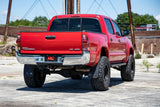
A truck bed is useful, but it is also exposed to weather, theft, scratches, and loose cargo. Bed liners, spray-on protection, bed mats, tailgate protection, and tonneau covers protect the truck while making it easier to use. The right option depends on what you carry.
A hard folding or retractable cover provides strong security and a clean look, but it may limit tall cargo unless it can be opened or removed. A soft roll-up cover is generally lighter and more affordable, though it does not offer the same level of security. For contractors and owners who carry tools daily, a toolbox or modular storage solution can be more practical than a cover alone.
Tie-down systems, bed extenders, racks, and cargo organizers are worth considering when gear shifts around or the bed turns into a cluttered catch-all. These are not flashy upgrades, but they save time and prevent damage.
Lift Kits, Leveling Kits, Wheels, and Tires
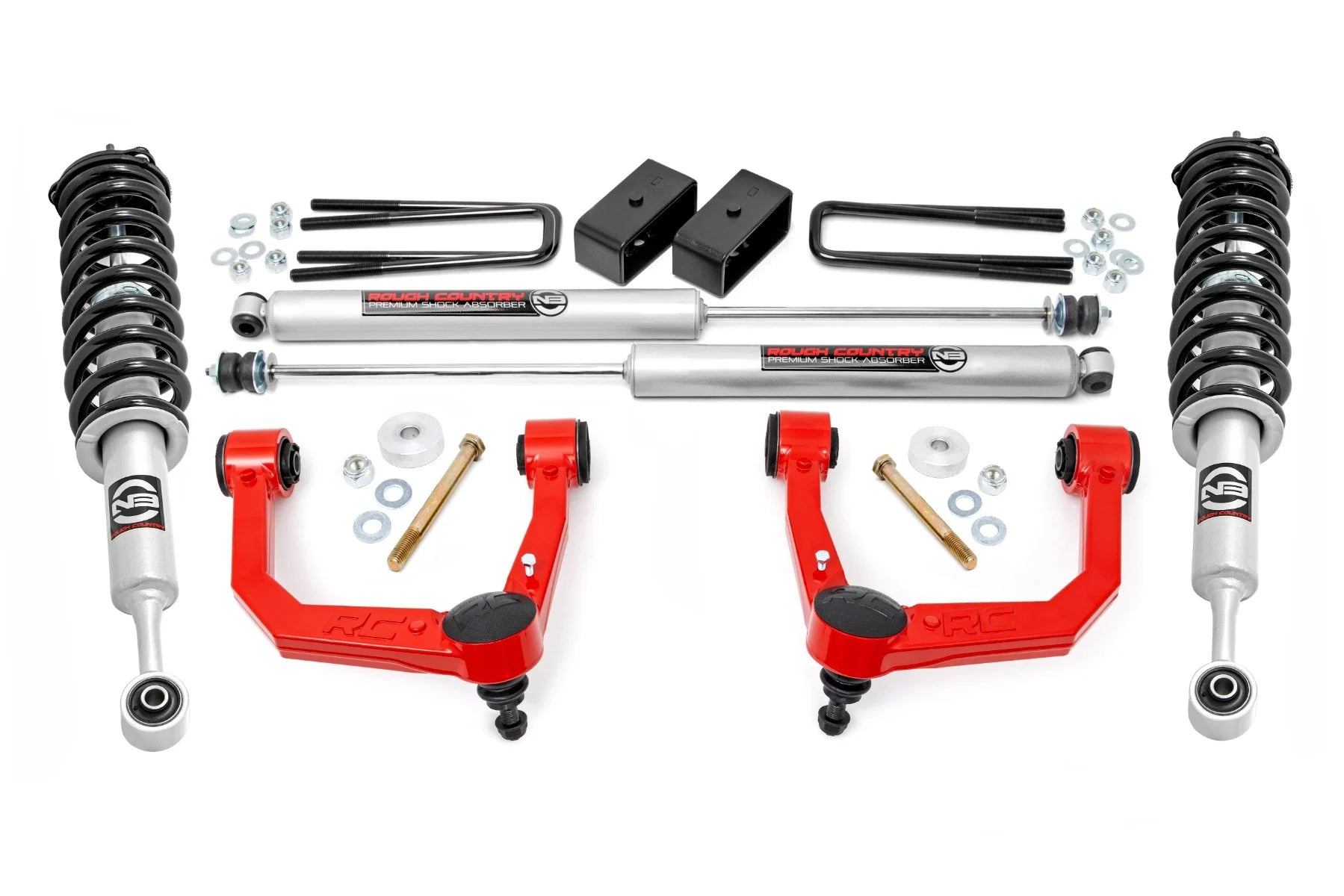
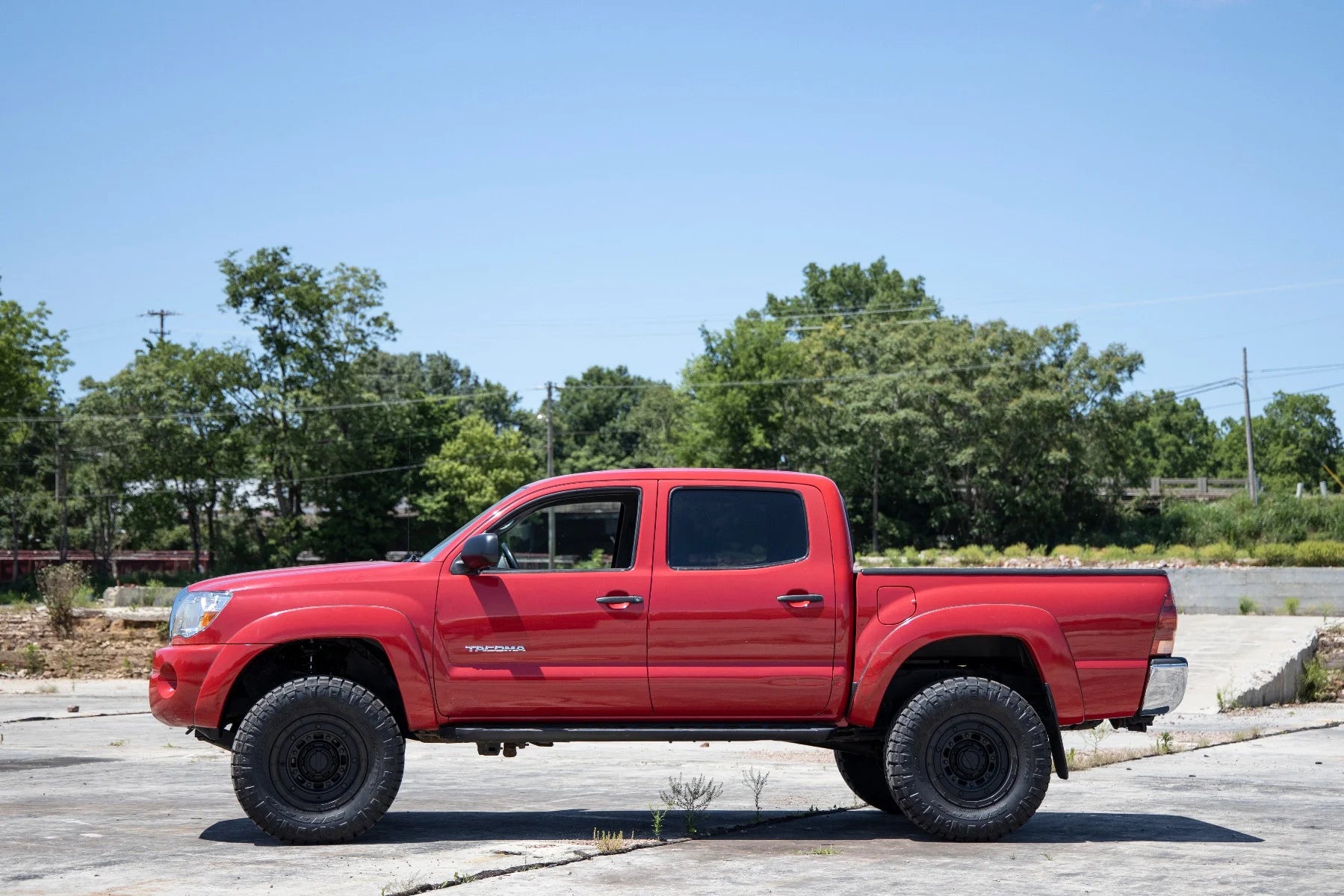
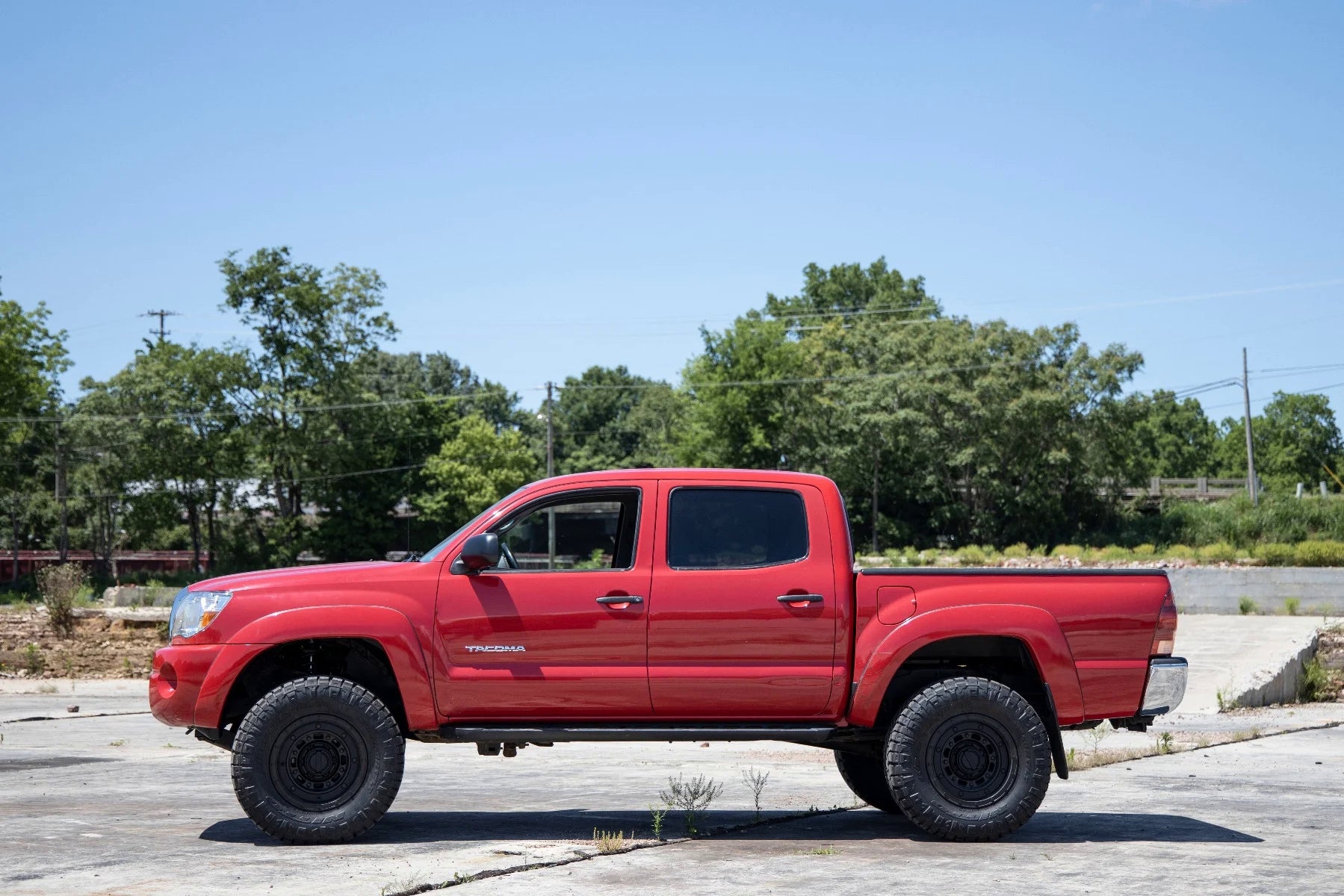
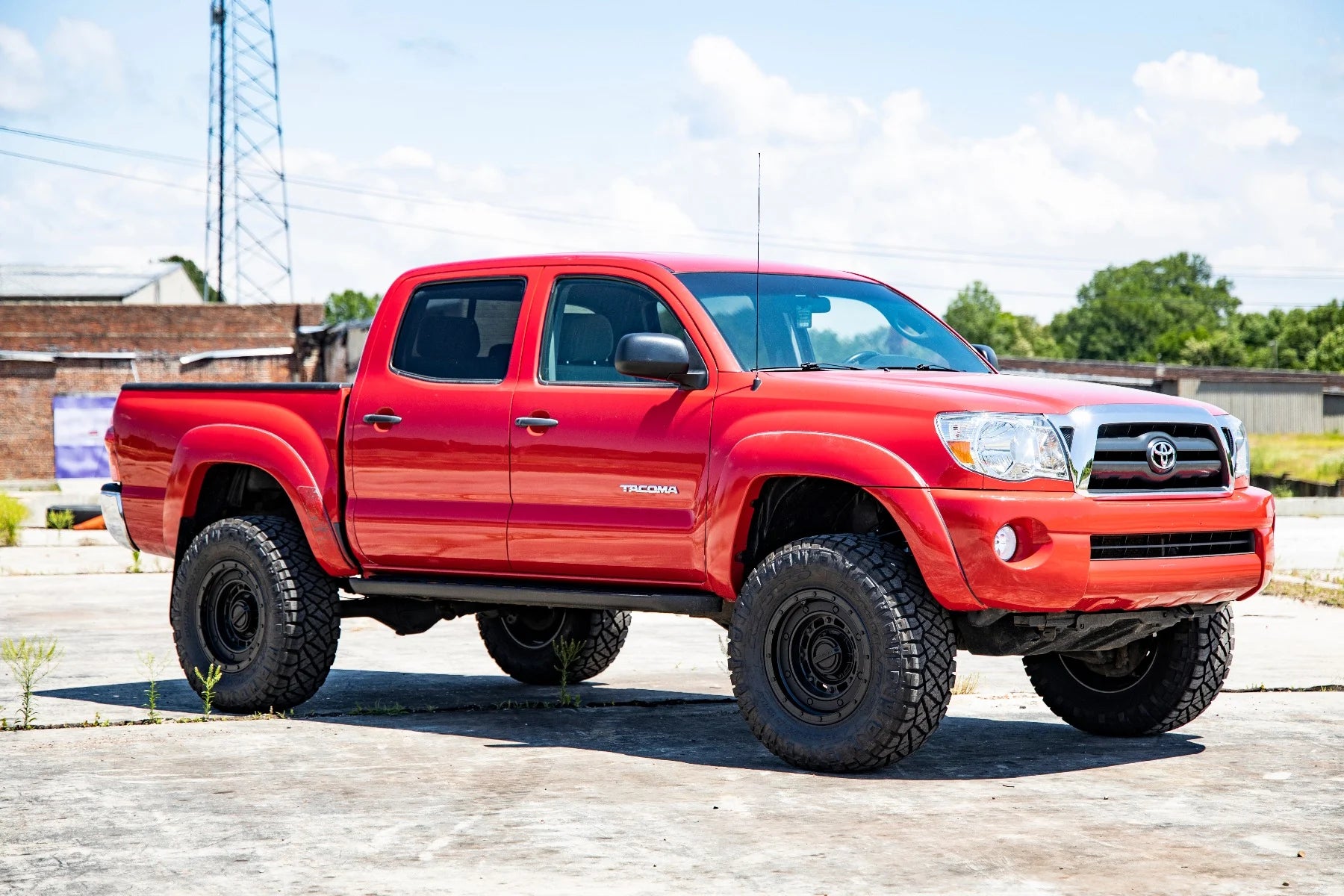
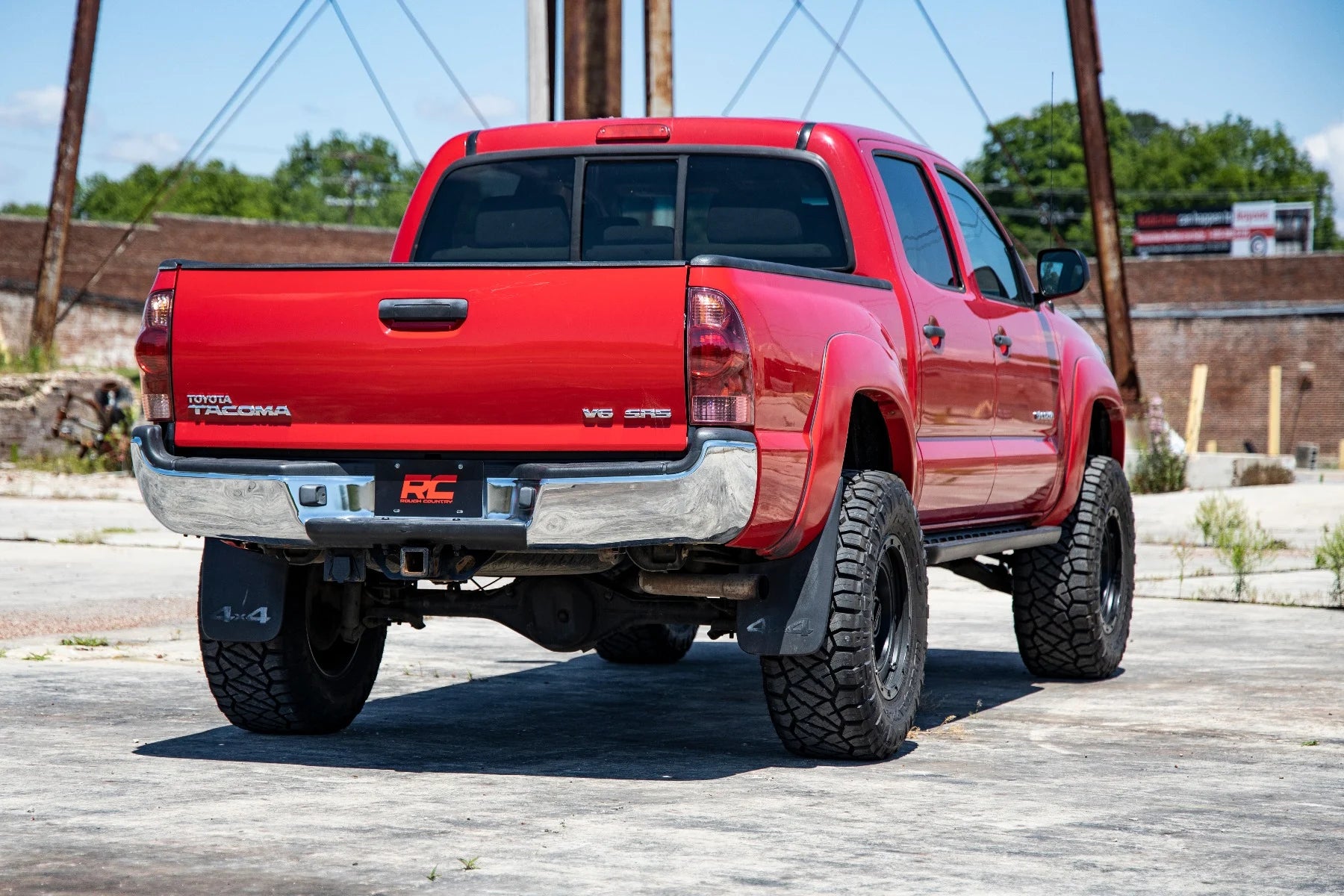
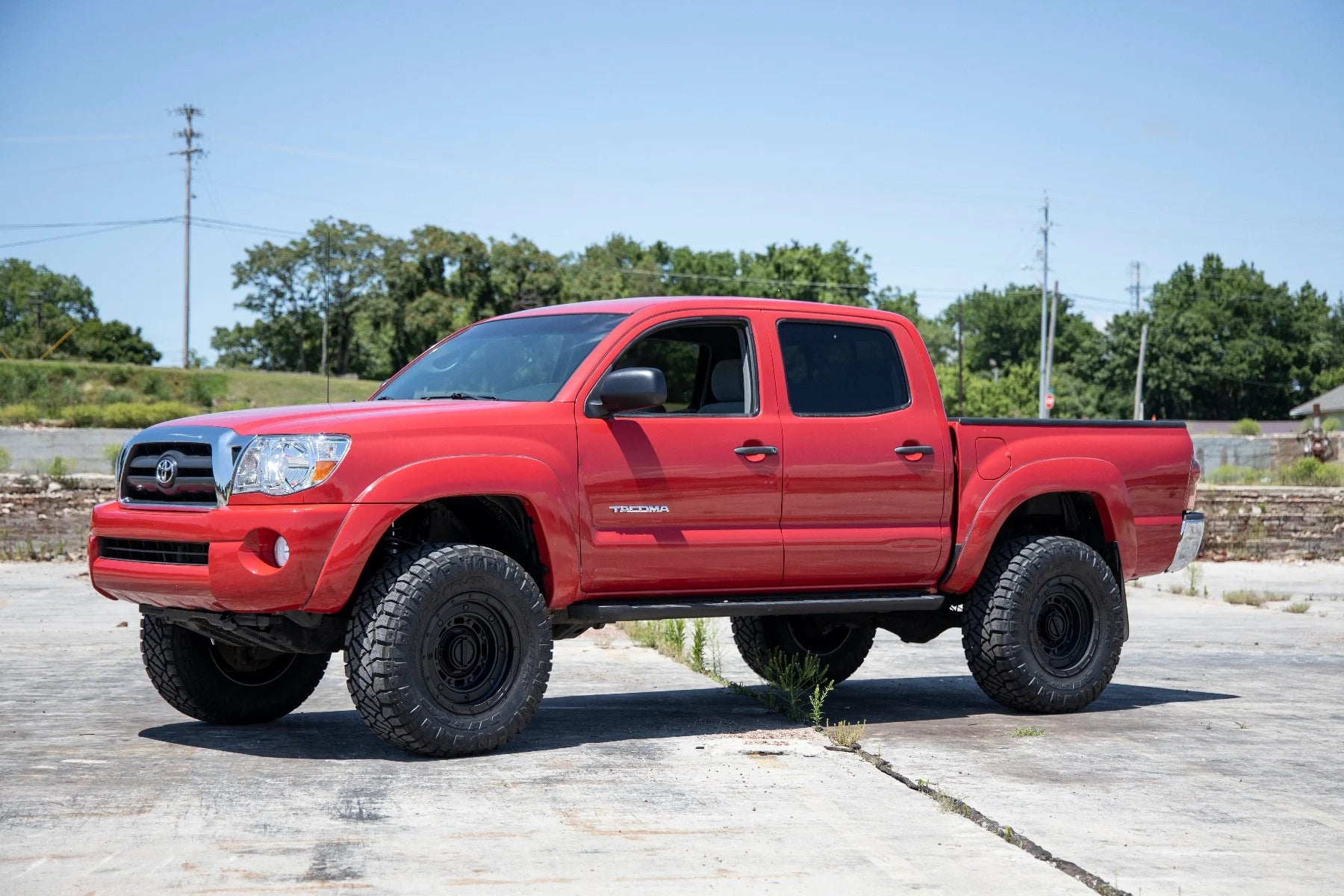
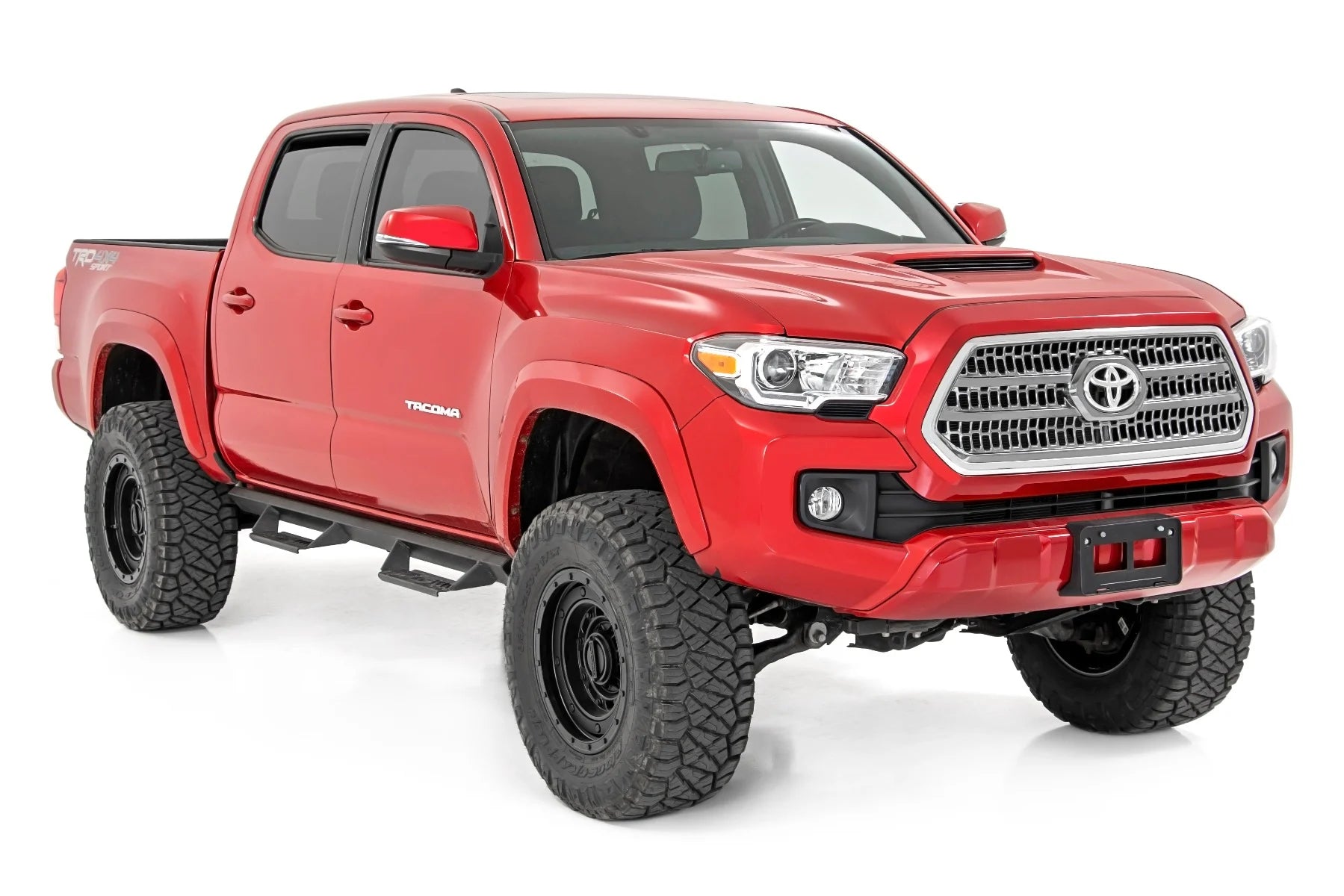
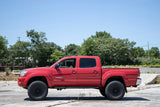
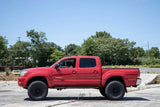
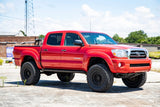
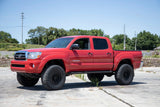
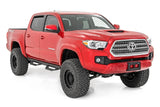
Suspension and tire upgrades can completely change the way a truck looks and works. A leveling kit is a popular option for trucks that sit lower in the front from the factory. It can create a more balanced stance and may allow for a modest increase in tire size. A full lift kit offers more ground clearance and room for larger tires, but the right system depends on intended use.
For a daily-driven truck, ride quality, steering feel, alignment, and tire noise should be part of the decision. Larger all-terrain tires may provide better traction on gravel, dirt, and wet conditions, but they can be heavier, louder, and less fuel-efficient than factory-size highway tires. Mud-terrain tires make sense for serious off-road use, but they are often more than a pavement-focused truck needs.
Wheel selection is more than color and spoke design. Width, offset, bolt pattern, load rating, brake clearance, and tire compatibility all affect the final result. A properly planned wheel and tire package avoids rubbing, protects handling, and gives the truck the stance you want without guessing.
LED Lighting That Adds Real Visibility
Factory headlights and cargo lighting do not always cover the areas truck owners need. LED fog lights, ditch lights, light bars, bed lights, rock lights, and upgraded reverse lights can improve visibility for job sites, boat ramps, trails, and dark driveways.
Lighting needs to be aimed correctly and wired safely. A bright light bar mounted at the wrong angle can create glare instead of useful distance vision. Wiring should be protected from heat, vibration, moisture, and moving components. Clean switch placement matters too, especially when multiple accessories are being added to the cab.
Street-use lighting also needs to be selected and used responsibly. Auxiliary lights intended for off-road use are not automatically appropriate for highway driving. A professional installation helps keep the system functional, tidy, and easy to operate.
Electronics for Work, Security, and Everyday Driving
Truck customization does not stop outside the cab. A remote starter is a practical upgrade for Delaware winters and hot summer parking lots. Dash cams add another layer of protection for commuters, fleet vehicles, and anyone concerned about incidents on the road or in a parking lot. Backup camera upgrades, parking sensors, GPS, and security systems can make a larger truck easier and safer to use.
For older trucks, a modern head unit with Apple CarPlay or Android Auto can bring navigation, hands-free calling, music, and messaging into the factory dash area. Add upgraded speakers, amplifiers, and subwoofers when factory audio is thin, distorted, or simply not enjoyable on a long drive.
The key is choosing electronics that integrate cleanly with the truck. Retaining factory steering-wheel controls, cameras, warning chimes, and vehicle settings may require the right interfaces and experienced installation. Cutting corners here can lead to lost functions, poor sound, electrical issues, or a dash that looks unfinished.
Plan Upgrades in the Right Order
A truck build does not have to happen all at once. In fact, phased upgrades are often the smarter approach. Start with the items that solve an immediate need, then make sure later additions will still fit the plan.
If a lift, wheels, and tires are in the future, mention that before choosing steps, fender flares, mud flaps, or bed accessories. If you plan to run several lights, a winch, air compressor, or audio system, consider the electrical demand early. If a tonneau cover and rack are both on the list, choose a system designed to work together rather than replacing parts later.
A practical order for many builds is protection and utility first, followed by suspension and wheels, then lighting and electronics. But it depends on the truck's purpose. A work truck may need storage and a remote start before anything else. A trail truck may need tires, recovery gear, and lighting first. The best build is the one that makes your own truck more capable.
Why Installation Is Part of the Upgrade
Some accessories are simple enough for a capable owner to install. Others involve wiring, suspension geometry, airbags, cameras, factory electronics, or safety-critical hardware. Those jobs deserve professional attention.
Experienced installation is about more than getting the part mounted. It includes checking fitment, routing wiring properly, setting alignment after suspension work, avoiding interference with airbags or sensors, and testing the finished system. It also means the truck leaves looking like the accessory belongs there, not like it was added in a rush.
At Audio Jam, truck owners can source recognized aftermarket brands and have the installation handled by a team that works on electronics, lighting, wheels and tires, lift kits, comfort upgrades, and security equipment. That single-shop approach is useful when multiple upgrades need to work together.
Whether your truck is built for the jobsite, the boat ramp, weekend trails, or the daily commute, start with the problem you want to solve. A well-chosen accessory should earn its place every time you turn the key, load the bed, or head out after dark.