

Best Truck Lift Kits for Daily Driving in the Northeast Region

Table of Contents
- Why Northeast Truck Owners Choose Professional Lift Kits
- Key Criteria for Selecting Daily Driver Lift Kits
- Our Recommended Lift Kit Systems for Northeast Conditions
- Handling Winter Roads and Seasonal Challenges
- Balancing Height and Ride Comfort for Daily Use
- Comparing Lift Kit Performance and Durability
- Installation and Maintenance Considerations
- Why Audio Jam Delivers Superior Lift Kit Solutions
- Customer Results and Real-World Performance
- Get Your Truck Lift Kit Installation Today
Why Northeast Truck Owners Choose Professional Lift Kits
Northeast truck owners face a unique set of challenges. Heavy snow, salt-laden roads, pothole-filled pavement, and tight urban parking create an environment where your truck suspension must work harder than standard factory equipment. If you're commuting through Delaware winters or navigating mountain passes in Pennsylvania, a properly selected lift kit isn't just about aesthetics—it's about maintaining reliability, safety, and comfort when road conditions deteriorate.
We've installed hundreds of truck suspension systems across the Northeast, and we've learned that daily drivers need something different than weekend warriors. The wrong lift kit choice can leave you with a rough ride, accelerated tire wear, and suspension damage that costs thousands to repair. The right system balances ground clearance, stability, ride quality, and long-term durability without sacrificing your truck's everyday functionality.
Daily driving a lifted truck in the Northeast demands careful planning. Our customers tell us that factory suspensions simply don't cut it once winter arrives. Salt spray corrodes components, potholes punish rigid frames, and snow accumulation requires extra clearance that stock trucks can't provide.
A quality lift kit solves several practical problems at once:
- Ground clearance for snow and debris: When roads are buried under 12 inches of snow or winter debris collects in low spots, extra height keeps your undercarriage and components protected from damage.
- Improved visibility: Sitting higher gives you better sightlines in traffic and allows you to spot road hazards before they damage your suspension.
- Better tire performance: A lifted truck distributes weight differently, which can improve traction on snow and ice when paired with quality winter tires.
- Resale value: A professional lift installation with quality components actually protects your truck's market value by preventing suspension wear that plagues unlifted daily drivers.
Northeast truck owners also recognize that winters are long. A suspension system that can't handle salt, moisture, and temperature swings falls apart quickly. We prioritize corrosion-resistant components and sealed bearings that survive the Northeast environment for the long haul.
Key Criteria for Selecting Daily Driver Lift Kits
Choosing the right lift kit requires understanding what matters most for daily use versus weekend fun. We evaluate every potential install against specific benchmarks that Northeast drivers need.
Height considerations: For daily driving, 2 to 4 inches of lift provides the sweet spot. You gain meaningful clearance without drastically altering your truck's center of gravity or making it difficult to access the cargo bed and cabin. Anything higher than 6 inches starts compromising the ease of everyday use.
Suspension type and geometry: Coil spring kits offer a smoother ride and better load-carrying capacity. Leaf spring kits add height economically but provide less ride refinement. For daily drivers, coil systems justify their higher cost through comfort and handling improvements.
Component quality and warranty: Cheap lift kits use low-grade steel, inadequate bushings, and minimal engineering. Quality systems feature stronger materials, better sealing, and proper geometry designed by engineers who understand load distribution. Look for brands that back their products with 5-year or longer warranties.
Compatibility with existing systems: If your truck has factory electronic stability control, adaptive suspension, or integrated towing systems, the lift kit must maintain these functions. Incompatible installs create warning lights and unsafe conditions.
We recommend prioritizing ride comfort, corrosion resistance, and proven durability over the cheapest option. A $1,200 lift kit that lasts 100,000 miles beats a $600 system that fails at 40,000 and costs $2,000 to replace.
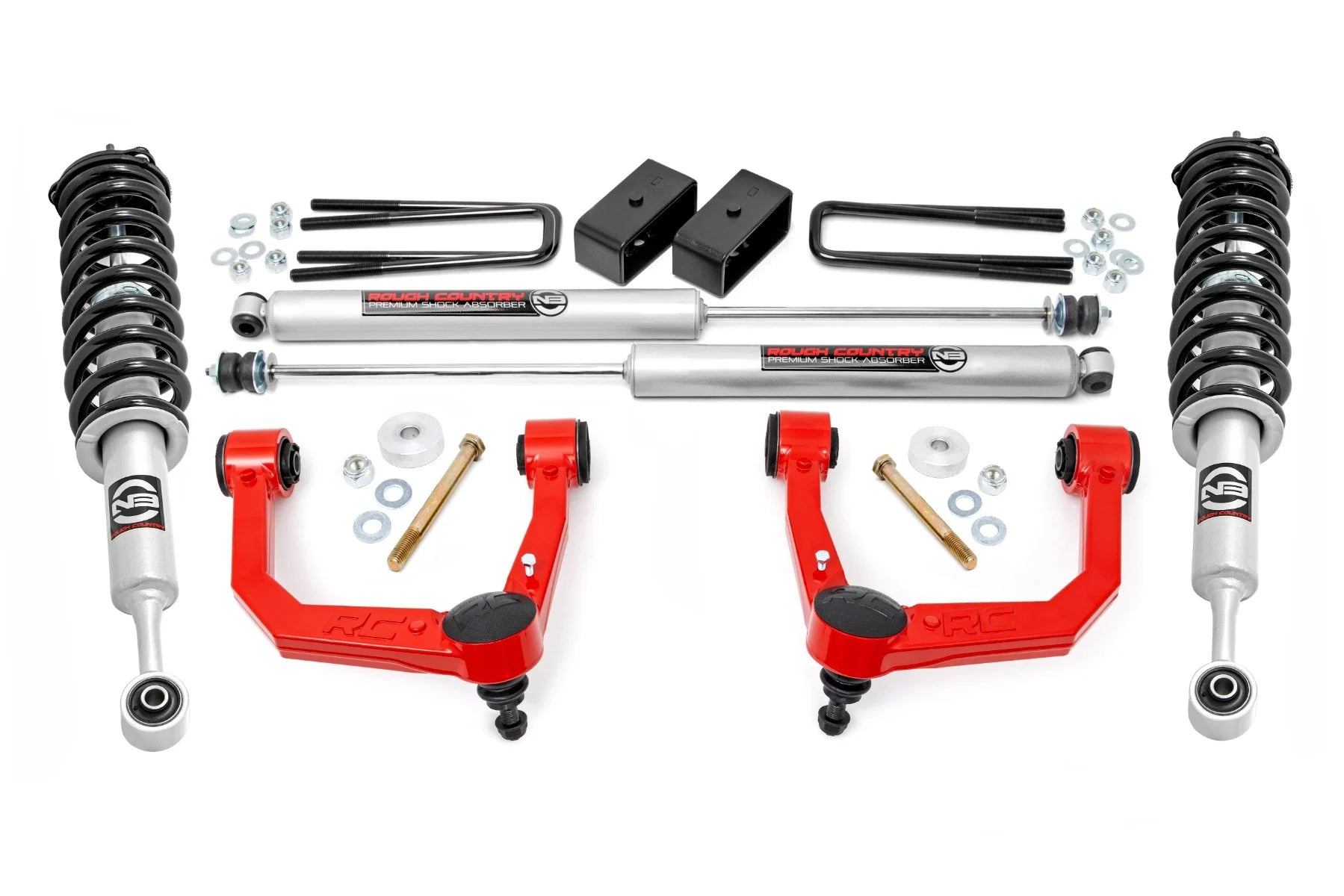
Our Recommended Lift Kit Systems for Northeast Conditions
Our suspension lift kits are selected specifically for vehicles operating in harsh climates. We partner with manufacturers whose engineering prioritizes Northeast conditions rather than generic national specifications.
For Ford trucks (F-150, Super Duty): We recommend coil spring systems in the 2.5 to 3.5-inch range. Ford's IFS (Independent Front Suspension) responds well to properly engineered coil lifts that maintain OEM geometry. These systems preserve steering response and tire wear patterns while delivering the clearance Northeast drivers need.

For Chevrolet and GMC trucks: Multi-link rear suspensions benefit from progressive spring rates that absorb bumps on rough Northeast roads while maintaining stability when towing or carrying loads. We favor systems that include upgraded shocks with valving tuned for comfort at highway speeds.
For Ram trucks: Coil spring front suspensions paired with overload leaf springs in the rear give Ram owners the best combination of ride quality and load capacity. Rams are popular for towing and hauling in the Northeast, so suspension must handle both scenarios.
For marine and powersports vehicles: If you're trailering a boat or running side-by-sides, your lift kit must support dynamic loads without bottoming out. We select systems with aftermarket shocks rated for this duty cycle.
Each recommendation includes sealed ball joints, stainless fasteners, and protective coatings that resist salt spray. We're not interested in installing systems that will corrode or fail in 18 months.
Handling Winter Roads and Seasonal Challenges
Northeast winters introduce conditions that challenge marginal suspension designs. We've seen lifted trucks with improper geometry develop wandering steering, uneven tire wear, and accelerated component failure within a single winter season.
Your lift kit must address specific winter scenarios:
Deep snow and ice: A properly lifted truck with appropriate wheel alignment maintains better contact with road surfaces than lowered or factory suspensions. Higher ground clearance also prevents snow buildup from dragging underneath, which can disable brakes and steering components.
Salt and corrosion: We specify only stainless steel fasteners, sealed bearings, and coated metal components. Many lift kits use standard steel hardware that corrodes into seized bolts within two winters. You can't remove a corroded tie-rod end without breaking it, which means expensive towing and emergency repair bills.
Temperature extremes: Metal contracts and expands dramatically between winter lows and warm spring days. Quality suspensions use engineered elastomer bushings and proper preload specifications that accommodate seasonal movement. Cheap bushings crack and fail when stressed by temperature swings.
Road salt spray: Your undercarriage is constantly bombarded with salt particles in the Northeast. We recommend regular undercarriage washing during winter months and inspect lift components annually for salt damage. Protective spray coatings applied after installation add extra insurance against corrosion.
Seasonal maintenance becomes part of the equation. Before winter arrives, check all fastener torque specs, inspect ball joints for dirt or damage, and verify shock absorber function. After winter, flush out salt residue and have alignment checked to catch any suspension wear before it damages your tires.
Balancing Height and Ride Comfort for Daily Use
A common misconception is that lifted trucks must be uncomfortable. In reality, engineering determines comfort far more than height does. We've installed 4-inch lifts that ride smoother than unlifted trucks running poor-quality suspensions.
The relationship between height and comfort depends on several factors:
Shock absorber design: Modern monotube and twin-tube shocks are tuned to compress and rebound smoothly regardless of vehicle height. Shocks designed for lifted applications include valving that keeps bump absorption smooth even when the suspension is extended. Cheap shocks create a bouncy, unsettled ride that no amount of height adjustment fixes.
Spring rate selection: Springs that are too stiff create a harsh, jarring ride over bumps. Springs that are too soft allow excessive body roll and bottoming out. Quality lift kits match spring rates to your truck's weight distribution and intended use. A truck primarily used for commuting gets softer springs than one that tows equipment daily.

Ride height geometry: Lift kits that preserve your truck's original suspension geometry angles (called "angle geometry") maintain the suspension's intended bump absorption characteristics. Kits that drastically alter these angles create handling problems and accelerate wear. We prioritize systems engineered to maintain OEM geometry principles within the lifted configuration.
Wheel and tire choices: A lifted truck sitting on aggressive oversized tires with stiff sidewalls will ride harsher than one with properly sized tires and load ratings matched to the lift. Your tire selection influences comfort as much as the suspension itself.
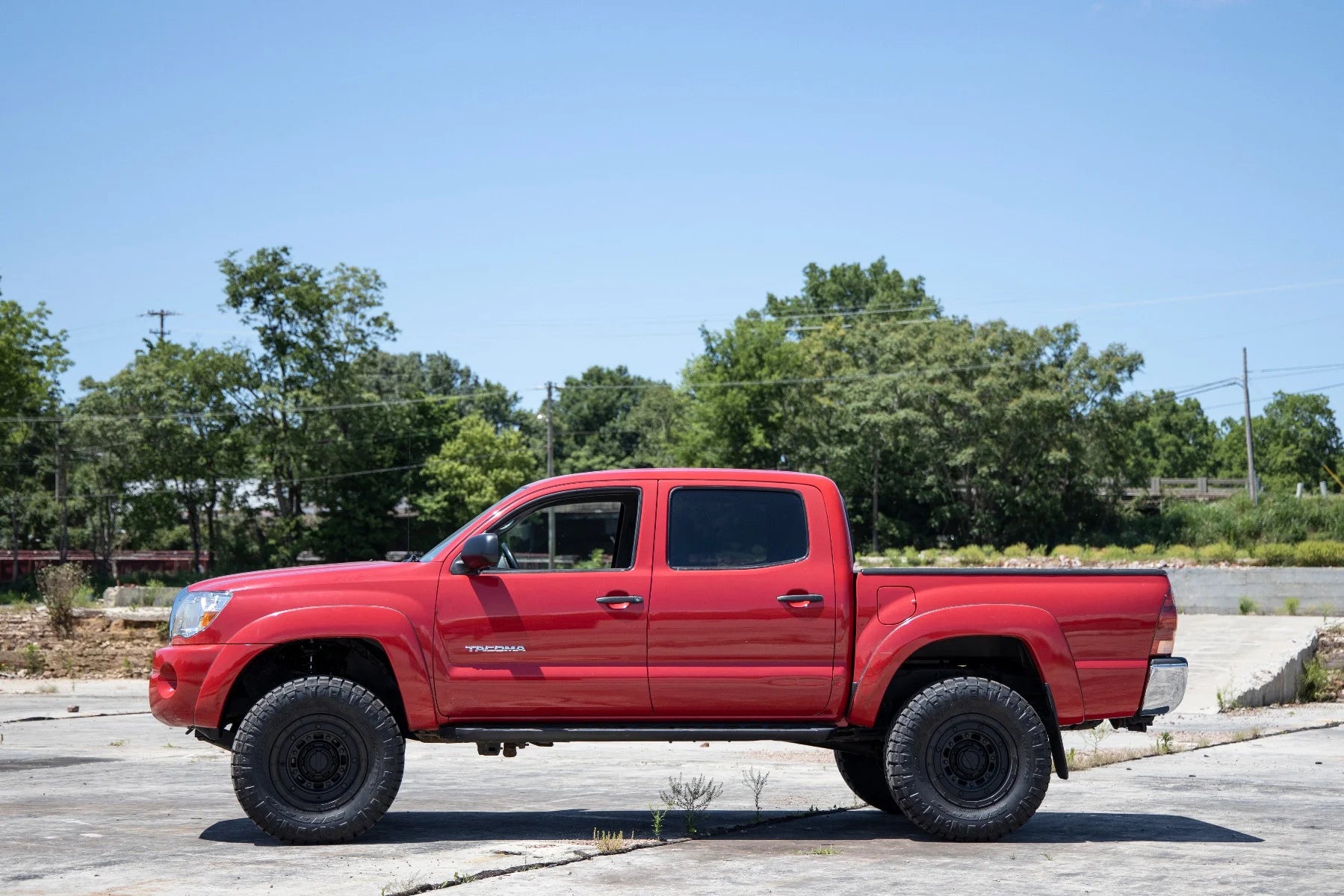
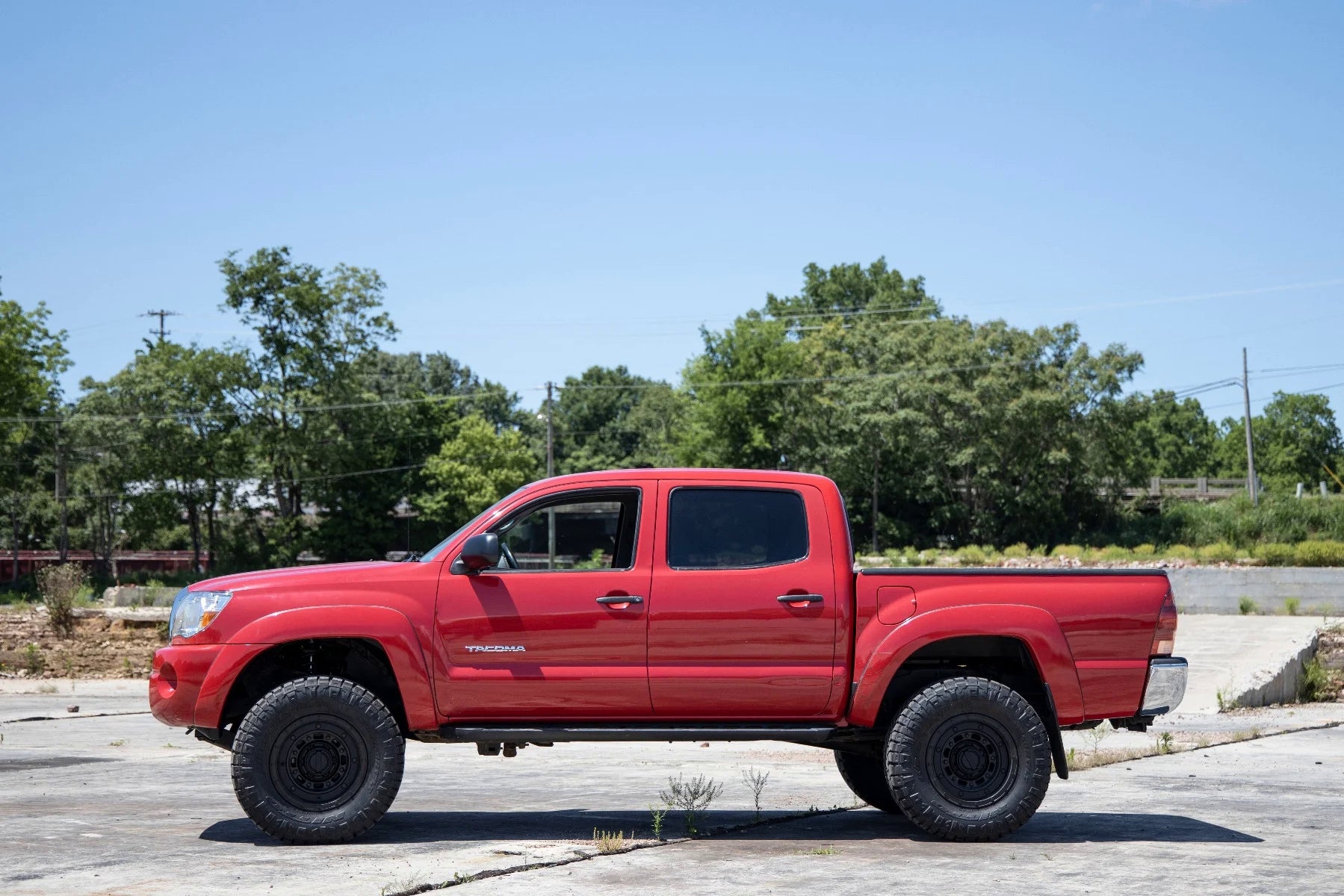
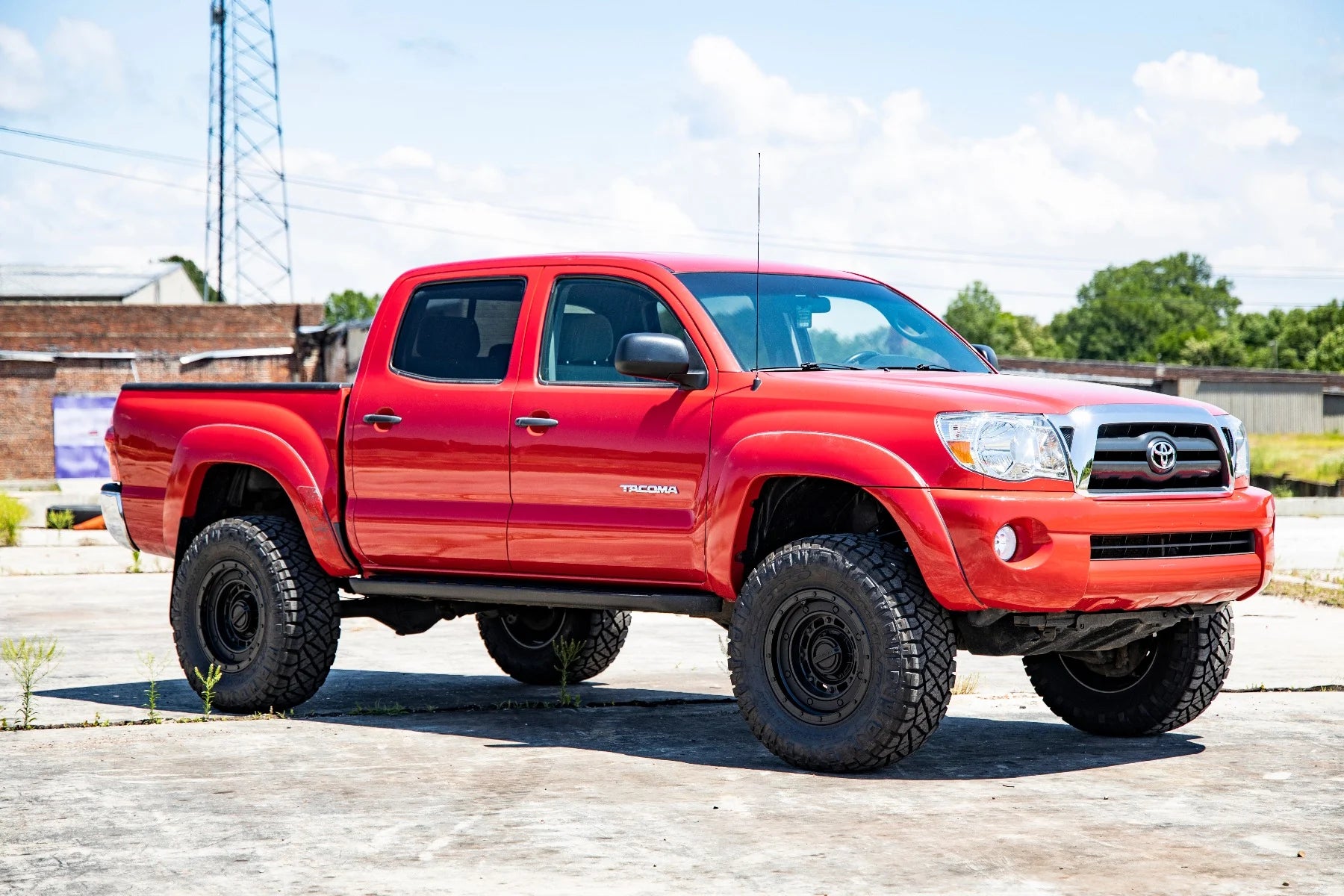
We typically recommend that daily drivers keep lifts in the 2 to 3-inch range and pair them with quality shocks tuned for comfort. This combination improves ground clearance while maintaining a ride quality comparable to stock suspension. You'll enjoy easier parking lot approaches, better snow clearance, and improved winter safety without feeling every ripple in the road.
Comparing Lift Kit Performance and Durability
Not all lift kits perform equally over time. We evaluate systems based on measurable criteria that predict longevity and reliability in Northeast conditions.
Material composition: Premium lift kits use nodular iron and ductile steel in stress points, while budget systems substitute low-grade cast iron that cracks under load. You can feel this difference immediately—a quality lift feels solid and responsive, while cheaper systems feel soft and deflective.
Bearing and bushing quality: The rubber bushings that connect suspension components must resist cracking, absorbing bumps for hundreds of thousands of miles. OEM-equivalent bushings use specialized elastomers engineered for temperature extremes. Cheap bushings deteriorate within 30,000 miles and start creating clunking noises and steering slop.
Fastener specifications: Every bolt in a quality lift kit is engineered for the stress it will experience. Shear strength, tensile strength, and corrosion resistance matter. Stainless steel costs more but resists salt spray indefinitely. Galvanized fasteners need inspection every few years. Plain steel fasteners can fail suddenly.
Shock absorber valving: Shocks tuned for lifted applications include calibrated passages and valves that regulate oil flow during compression and rebound. Cheap shocks use generic valving designed for unlisted applications, leading to harsh impacts and poor handling. Quality shocks maintain consistent damping throughout their service life, while cheap shocks degrade noticeably after 40,000 miles.
We recommend comparing lift kits based on warranty length and what's covered. A 5-year, bumper-to-bumper warranty indicates the manufacturer's confidence in durability. Anything shorter or more limited suggests the company expects early failures.
Installation and Maintenance Considerations
Professional installation separates successful lifts from problematic ones. We've seen customer attempts at DIY installation create alignment issues, uneven suspension heights, and component damage that costs more to repair than professional installation would have cost originally.
The installation process: A quality lift installation takes 8 to 12 hours and includes multiple alignment and verification steps. Your truck is lifted on a frame-contact hoist, old components are carefully removed, new components are installed with specified torque values, and then the suspension is cycled multiple times before measurements are taken. Finally, a full four-wheel alignment corrects toe, camber, and caster to OEM specifications for your lifted height.
Post-installation alignment: This is non-negotiable for daily drivers. Improper alignment causes rapid tire wear, steering problems, and suspension damage. We perform alignment checks at 500 miles and again at 6 months to catch any settling issues early.
Ongoing maintenance: Lifted trucks need annual inspections of ball joints, tie-rod ends, bushings, and shocks. We recommend checking suspension torque specs at each oil change and washing the undercarriage during winter months. Preventive maintenance costs a few hundred dollars annually but prevents failures that cost thousands to repair.
Spare parts and service availability: Make sure your lift kit manufacturer is still in business and parts are readily available. We stock common replacement items like shocks, bushings, and fasteners in our facility, so repairs happen quickly without waiting for special orders.
Why Audio Jam Delivers Superior Lift Kit Solutions

We've become the Northeast's trusted lift kit installer because we prioritize what daily drivers actually need rather than what sounds impressive in marketing copy.
Our approach differs from national chains and online retailers in meaningful ways:
Regional engineering: We don't apply one-size-fits-all lift specifications across America. Every installation is evaluated for Northeast winter conditions, local road characteristics, and your truck's specific purpose. A truck used primarily for Delaware city commuting gets different specs than one towing in the Pocono Mountains.
Component curation: We test and validate every lift kit system we install. We reject products with cheap fasteners, inadequate corrosion resistance, or poor ride characteristics. Our partnerships with manufacturers give us direct feedback on durability and allow us to specify custom components when needed.
Professional installation with accountability: Our technicians are certified and perform hundreds of installations yearly. If something goes wrong, you're not dealing with an online support ticket—you're walking into our facility and talking to the person who installed your system. We stand behind every installation with performance guarantees.
Ongoing support: After installation, we remain your resource for maintenance, adjustments, and future modifications. If you later add a roof rack or change tire sizes, we help ensure your suspension remains properly balanced and aligned. This long-term relationship prevents problems that isolation creates.
Corrosion protection expertise: Our team understands salt spray damage and its prevention better than shops in non-winter regions. We specify materials and processes designed explicitly for Northeast conditions and include protective coatings as standard.
We've selected our lift kit offerings specifically for daily drivers operating in harsh climates. This focus means we're not the cheapest option, but we deliver better reliability and longer service life than systems half the price.
Customer Results and Real-World Performance
Our customers tell us what actually matters after thousands of miles of daily driving.
One Claymont truck owner lifted his F-150 2.5 inches specifically to handle winter commuting to Philadelphia. He reported that snow clearance improved dramatically and winter traction felt noticeably better with proper geometry and quality shocks. After three winters, his suspension still feels solid, with zero creaks or noises. He credited our corrosion-resistant fasteners and annual maintenance for preventing the salt damage he'd seen in lifted trucks from other shops.
A Delaware contractor relies on a lifted Super Duty for both commuting and towing jobsite equipment. His previous lift kit from a big-box retailer developed worn ball joints at 35,000 miles, causing steering slop. Our installation uses premium sealed ball joints specified for heavy-duty applications. At 120,000 miles, he's had one shock replaced preventively but reports the truck still handles towing smoothly with no suspension noise.
Another customer lifted his Ram truck 3 inches to improve ground clearance on rutted construction access roads while maintaining his daily commute reliability. Our system's progressive spring setup absorbs road impacts smoothly even when carrying heavy loads. He's traveled through six winters without corrosion issues and reports better ride quality than his original suspension delivered.
These aren't exceptional results—they're typical for properly engineered and maintained lift kits. What makes them possible is starting with quality components, installing them correctly, and supporting them with ongoing service.
Get Your Truck Lift Kit Installation Today
Your truck deserves a suspension system designed for the Northeast environment and built for your specific driving needs. We combine quality components, professional installation, and long-term support to deliver lift kits that improve your truck's capability and reliability rather than creating problems down the road.
The difference between a successful lift and a problematic one comes down to engineering choices made before installation ever begins. We've made those choices with Northeast daily drivers in mind, selecting materials and systems that resist salt spray, perform smoothly in winter conditions, and maintain reliability through 150,000+ miles of use.
Contact us today to discuss your truck's specific needs and get a customized lift kit recommendation. We'll evaluate your vehicle, explain the performance characteristics of our recommended system, and schedule installation at a time that works with your schedule. Let's get your truck equipped with suspension that handles everything the Northeast throws at it.