

7 Best Jeep Suspension Upgrades to Consider

A Jeep that feels great on stock suspension can turn frustrating fast once you add bigger tires, bumpers, armor, or a winch. That is why the best Jeep suspension upgrades are not always the tallest lift or the most expensive kit. The right setup depends on how you drive, what weight you have added, and whether your Jeep spends more time on pavement, trails, or somewhere in between.
What makes the best Jeep suspension upgrades worth it?
A suspension upgrade should solve a specific problem. Maybe your Jeep nose-dives under braking, rides harsh over broken pavement, sags from added accessories, or rubs tires at full flex. If the upgrade does not fix one of those issues, it is probably not the right place to spend money.
That matters because suspension parts work as a system. Springs, shocks, control arms, track bars, sway bar links, and steering geometry all affect each other. Install one part without thinking through the rest, and you can end up with worse ride quality, vague steering, or uneven tire wear.
For most owners, the smartest path is to build around the Jeep’s real job. A daily-driven Wrangler on 33s needs something very different from a trail-focused build on 37s. The goal is balance, not just height.
Start with shocks before chasing lift
If your Jeep still sits at the right height and you are not trying to clear bigger tires yet, shocks are often the best first move. Good shocks can tighten up body control, reduce bouncing after bumps, and make a lifted or accessorized Jeep feel far more planted.
This is especially true on older Jeeps with tired factory dampers. A fresh set of quality shocks can improve ride quality on-road and control on washboard roads or rough trails without changing the rest of the suspension. For owners who use their Jeep as a daily driver, this can be one of the highest-value upgrades.
The trade-off is simple. Shocks do not add clearance by themselves. If you need room for larger tires or more articulation, they are only part of the picture.
Coil springs or lift springs for added height and load support
Once you start adding steel bumpers, roof racks, tire carriers, recovery gear, or camping equipment, stock springs can lose their composure. The Jeep may squat, ride low, or feel unsettled. In that case, upgraded coil springs or a matched lift spring kit makes more sense than trying to force worn factory springs to do more than they were built for.
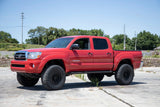
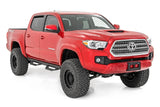
A mild lift in the 2-inch to 2.5-inch range is a sweet spot for many Jeep owners. It can improve stance, help fit larger tires, and maintain decent road manners when paired with the right shocks and supporting parts. That range is popular for a reason - it gives you more capability without pushing geometry as hard as a taller setup.
Go too cheap here and you usually feel it. Spring rates that are too stiff can make the Jeep ride choppy. Too soft, and it wallows or sags under weight. The best result comes from choosing springs that match your actual accessory load, not the look you want in a parking lot.
Control arms matter more as lift height goes up
A lot of Jeep owners focus on springs and shocks first, then wonder why the vehicle still feels off after a lift. That is where control arms enter the conversation. As lift height increases, suspension angles change. That can affect caster, axle position, ride quality, and how the Jeep tracks on the highway.
At mild lift heights, some Jeeps can get by with factory control arms, depending on the kit and the driver’s expectations. But once you move higher or want better articulation and alignment correction, upgraded control arms become one of the best Jeep suspension upgrades you can make.
Adjustable control arms let you dial in geometry instead of living with whatever the lift kit gives you. They can help restore proper alignment, improve straight-line stability, and reduce that wandering feeling some lifted Jeeps develop. On trail builds, they also give you more freedom to tune for travel and clearance.
The catch is cost. They add complexity and should be set up correctly. A bad adjustment can create more problems than it solves.
Track bars and steering correction are not optional add-ons
If you lift a Jeep and skip track bar correction, you are asking for compromised handling. The track bar centers the axle under the vehicle. Once the suspension height changes, the axle can shift to one side. That might look minor in the driveway, but it affects steering feel and suspension movement.
An upgraded front track bar, and in some setups the rear as well, helps recenter the axles and maintain proper geometry. On taller lifts, this is not a cosmetic detail. It is a core part of making the Jeep drive the way it should.
The same goes for steering correction components like drag link flip kits, geometry brackets, or other parts that bring angles back into a workable range. Not every Jeep needs every one of these parts, but ignoring steering geometry is one reason budget lifts often disappoint.
If your Jeep is a daily driver in places like Bear, Newark, or Wilmington where potholes and rough roads are part of the routine, proper steering and suspension geometry are worth the extra attention.
Sway bar upgrades can change off-road performance fast
If your Jeep sees real trail use, sway bar upgrades deserve a serious look. Quick disconnects on the front sway bar allow more articulation off-road, helping tires stay planted over uneven terrain. That can improve traction without changing spring rate or adding major lift.
For dual-purpose Jeeps, this is a practical upgrade because it gives you flexibility. Connected on-road, the Jeep keeps better body control. Disconnected off-road, the suspension can move more freely.
Some owners go further with upgraded sway bar systems designed for more balanced road handling and articulation. Whether that is worth it depends on how often the Jeep leaves the pavement. For occasional beach trips or light trails, simple disconnects may be enough. For more technical terrain, a better sway bar setup can be a real improvement.
Bump stops are small parts with big consequences
Bump stops do not get much attention, but they are critical once you change tire size, wheel offset, or suspension travel. Proper bump stop spacing keeps tires from smashing into fenders, protects shocks from bottoming out, and helps preserve the rest of the suspension under compression.
This is one of those details that separates a complete suspension setup from a pile of parts. If you are fitting larger tires, especially with aftermarket wheels, bump stop tuning matters. Too little and components can contact each other. Too much and you limit up-travel more than necessary.
It is not a glamorous upgrade, but it is one of the smartest ways to protect your investment.
Complete lift kits make sense when the Jeep needs a full solution
For some builds, piecing together individual components works well. For others, a complete lift kit is the better move because the parts are engineered to work together. That can save time, reduce compatibility headaches, and usually deliver a better driving result than mixing random components from different setups.
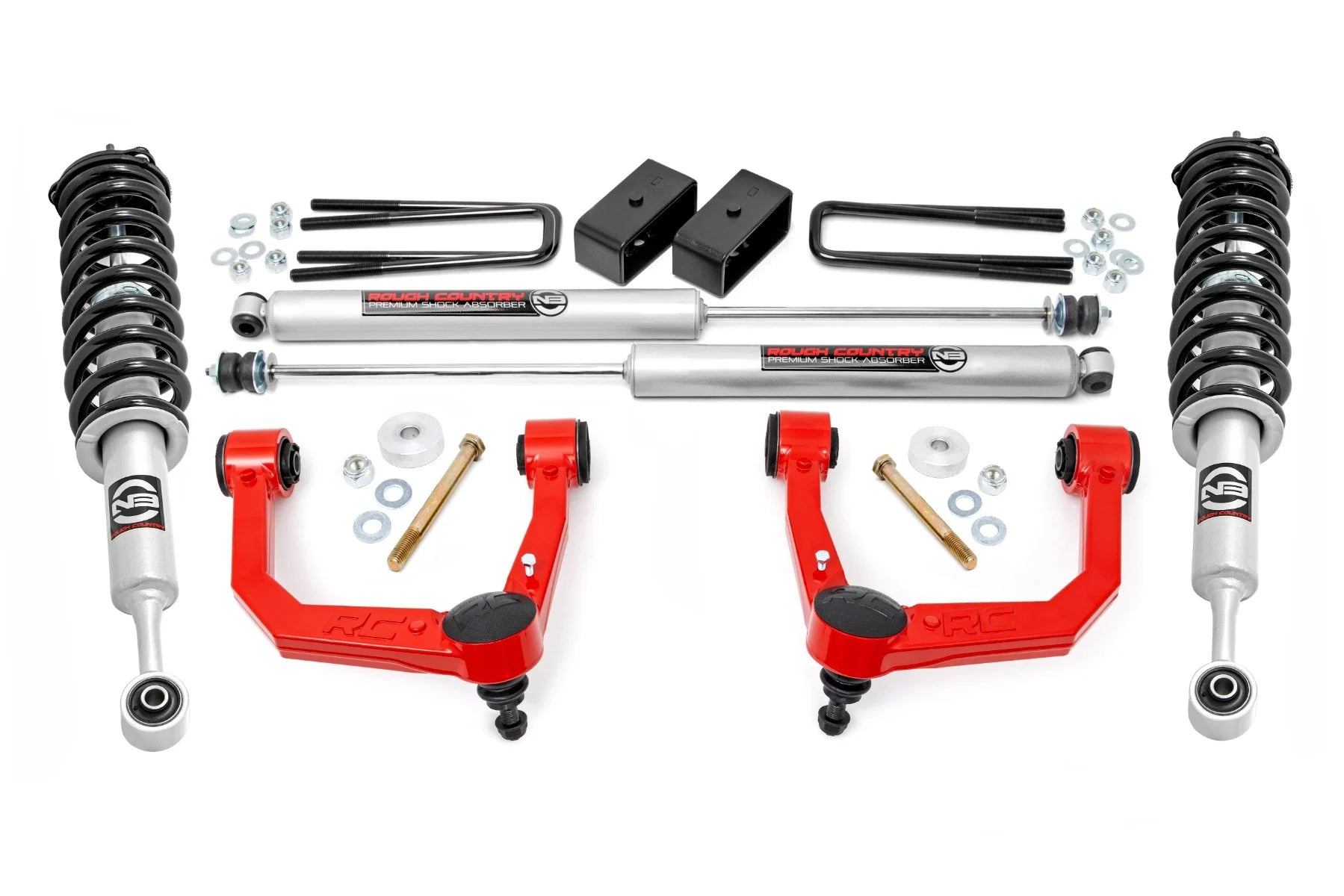
A good complete kit typically includes matched springs and shocks, plus the correction parts needed for the lift height. Depending on the system, that may include sway bar links, bump stops, control arms, track bars, or brackets. The appeal is straightforward - fewer guesswork decisions and a more predictable outcome.
That does not mean every complete kit is good. Some are built to hit a price point, not deliver long-term ride quality. If the Jeep is carrying extra weight or needs to perform well both on-road and off-road, it is worth choosing a setup based on intended use, not just advertised lift height.
How to choose the right setup for your Jeep
The best suspension plan usually starts with three questions. First, what tire size are you trying to run? Second, how much extra weight is on the Jeep now, or coming soon? Third, do you care more about highway comfort, trail articulation, or a balance of both?
If you are staying close to stock tire size and want better control, start with shocks. If you are moving to larger tires and carrying more gear, look at springs and a mild lift. If you are going taller, do not skip control arms, track bars, and steering correction. And if you want the whole thing to work together from day one, a quality complete kit is usually the cleanest path.
This is also where professional installation matters. Jeep suspension is not just bolt-on style. Ride height, alignment, clearance, drivability, and part compatibility all have to line up. A setup that looks right on paper can still drive poorly if it is installed or adjusted wrong.
For Jeep owners who want the job done right without chasing parts from five different places, working with a shop that understands both the products and the install side saves time and headaches.
The best upgrade is the one that makes your Jeep feel more capable every time you drive it - not just taller when it is parked.