

Are Ceramic Tints Legal? What Drivers Need to Know

A ceramic film can cut serious heat without turning your vehicle into a blackout build. That leads many drivers to ask, are ceramic tints legal if they reject more infrared heat than standard dyed film? Yes, ceramic tint itself is legal. What determines whether your vehicle is street legal is the finished window's visible light transmission, reflectivity, and where the film is installed.
That distinction matters. A high-quality ceramic tint may look almost clear while providing strong heat rejection, while a cheap dark film may be out of compliance even if it does very little for cabin comfort. The right film comes down to your vehicle, your goals, and the tint rules where you drive.
Are Ceramic Tints Legal in Delaware?
Ceramic tint is not a special legal category. Delaware law does not ban a film because it contains ceramic particles or because it blocks infrared heat. Enforcement focuses on how much visible light passes through the window after the film is installed.
For passenger vehicles, Delaware generally requires windows to allow at least 70% of visible light through. That is commonly called 70% VLT. The windshield can only have non-reflective tint above the manufacturer's AS-1 line, which is the marked line near the top of the windshield. A darker windshield strip that extends below that line can create a problem, regardless of whether the film is ceramic.
The practical takeaway is simple: a dark ceramic tint can still be illegal, and a light ceramic tint can be an excellent legal heat-control upgrade. Delaware also has a medical-exemption process for certain conditions, but that is separate from choosing film at the shop. Do not assume a medical need makes any tint shade automatically legal without the required documentation.
Tint laws and enforcement practices can change, so drivers who regularly cross state lines should also consider the rules in Pennsylvania, Maryland, New Jersey, and any other state where the vehicle spends time. The legal standard that matters is the law in the location where an officer is evaluating the vehicle.
VLT Is the Number That Counts
VLT stands for visible light transmission. It measures the percentage of visible light that gets through the glass and film together. Higher numbers are lighter. A 70% VLT window lets through 70% of visible light, while a 20% VLT window is much darker.
Here is where a lot of tint decisions go wrong: the number printed on a roll of film is not always the number your finished window will test at. Your vehicle already has factory glass, and that glass is not perfectly clear. If the glass measures 75% VLT and you add 70% film, the finished result will be darker than 70%.
That is why a professional installer should meter the factory glass before recommending a shade for a Delaware vehicle. If your goal is to remain compliant, the finished reading matters more than the film label or a shade name like light smoke.
A tint meter gives a real answer. Looking through the glass in a showroom, comparing photos online, or relying on what another vehicle has installed does not. Window angle, interior color, weather, and factory privacy glass can all make a tint appear darker or lighter than it really is.
Factory Privacy Glass Is Not Window Tint
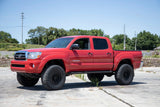
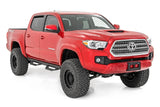
Many trucks, SUVs, and vans leave the factory with dark rear glass. This is privacy glass, colored during manufacturing, not an aftermarket tint film. It can make the rear of the vehicle look dark while offering limited heat rejection compared with a ceramic film.
Adding ceramic film to privacy glass can improve infrared and UV rejection, but it also lowers the final VLT. This is especially relevant on trucks and SUVs, where customers may want matching rear windows or more heat control for passengers, pets, and gear. A meter reading before installation keeps the plan honest.
Why Ceramic Tint Has an Advantage
Ceramic tint uses non-metallic ceramic particles to reject heat, including a significant amount of infrared energy. Infrared heat is what makes a vehicle feel like an oven after it has been parked in the sun. The film also blocks UV exposure that can fade leather, crack trim, and make long drives harder on your skin.
The major advantage is performance without needing the darkest shade. A legal lighter ceramic film can feel noticeably more comfortable than a darker dyed film because it is engineered to manage heat, not just reduce visible light.
Ceramic film is also a strong fit for modern vehicles loaded with electronics. Because it is non-metallic, it generally avoids the signal interference concerns associated with some metalized films. That can matter for GPS, cell reception, keyless entry, satellite radio, and other connected features.
The trade-off is cost. Ceramic tint costs more than entry-level dyed film, and premium films vary in real-world performance. If you mainly want a darker appearance and do not mind more cabin heat, a basic film may fit the budget. If heat reduction, UV protection, and a clean appearance are the priority, ceramic is usually the better long-term investment.
Reflectivity and Windshield Placement Matter Too
Tint darkness is not the only compliance issue. Highly reflective or mirror-like film can attract attention and may not meet state requirements. Choose a film that looks clean from outside the vehicle rather than one that creates a bright metallic finish in direct sun.
The windshield deserves even more care. A full windshield tint may be marketed as a comfort upgrade, but Delaware's windshield rule is more restrictive than side-window rules. A legal visor strip above the AS-1 line can reduce glare without changing the view through the driving area. Film below that line, especially a dark shade, raises visibility and compliance concerns.
Windshield work also requires a quality installation. Cameras, rain sensors, driver-assistance systems, inspection stickers, and defroster areas all need to be handled correctly. This is not the place for a universal precut piece and a rushed install in a driveway.
Choosing a Legal Ceramic Tint Setup
For most Delaware daily drivers, the best approach is to start with what you are trying to fix. If your black interior is brutal in summer, ask about a high-heat-rejection ceramic film in a light, legal VLT. If glare is the issue, a compliant windshield visor strip may be more useful than making every window darker. If privacy is the main goal, understand that Delaware's 70% requirement leaves less room for a dark look than neighboring states may allow.
A good tint consultation should cover the actual vehicle, factory glass readings, desired appearance, heat-control goals, and any electronics or windshield equipment that need attention. It should also include a clear discussion of the finished VLT, not vague promises that a film is "legal." The correct answer depends on the exact glass and film combination.
For drivers in Bear, Newark, Wilmington, and the surrounding area, professional installation also helps avoid the problems that make tint look cheap: contamination, trapped water, edge lifting, uneven cuts, and damaged window seals. A clean install is part of the upgrade, especially on a vehicle that already has custom audio, leather, wheels, lighting, or other aftermarket work.
Common Questions About Ceramic Window Tint
Does ceramic tint make windows too dark?
Not by itself. Ceramic describes the film technology, not the darkness. Ceramic films are available in several VLT levels, including very light options that prioritize heat rejection while preserving a more open factory appearance.
Can I tint over factory glass and stay legal?
Sometimes, but the finished window must meet the required VLT. Because factory glass already blocks some light, even a light film can push the final measurement below the legal threshold. Meter the glass first.
Is 5% ceramic tint legal in Delaware?
No for a typical Delaware passenger vehicle. A 5% film is commonly called limo tint and is far below the state's general 70% visible-light requirement. Its ceramic construction does not change that.
Is ceramic tint worth it if I need a light shade?
For many drivers, yes. This is where ceramic film makes the most sense. You can retain better outward visibility and a legal-looking appearance while still reducing solar heat and UV exposure much more effectively than basic light tint.
The best tint job is not simply the darkest one that looks good in the parking lot. It is the one that fits the vehicle, keeps the cabin more comfortable, protects the interior, and gives you confidence every time you drive it. Audio Jam can help match a ceramic film option to those goals without guessing at the finished result.