

All Terrain vs Mud Tires: Which Fits Your Truck?

A tire can make a lifted truck look right in the parking lot, but the wrong tread can make the daily drive louder, less stable in rain, and more expensive than it needs to be. The all terrain vs mud tires decision comes down to where your truck or Jeep actually goes between wash days - highway, jobsite, beach, wooded trails, deep mud, or all of the above.
For most Delaware drivers, there is no automatic winner. All-terrain tires are usually the better all-around choice for vehicles that see regular pavement. Mud-terrain tires earn their place when off-road traction, especially in loose soil and deep mud, matters more than quiet road manners and long tread life.
All Terrain vs Mud Tires: The Real Difference
The biggest difference is in the tread design. All-terrain tires use smaller, closer tread blocks and more siping - the small cuts in the tread that create extra biting edges. That layout helps them stay controlled on pavement, manage rain better, and run more quietly while still offering useful traction on dirt, gravel, grass, and moderate trails.
Mud-terrain tires use large, widely spaced tread blocks with deep channels between them. Those open voids let the tire clear mud instead of packing solid. Their shoulder lugs are more aggressive too, helping the tire bite when climbing through ruts, loose terrain, rocks, or soft ground.
That aggressive design is not free performance. More open tread means more road noise, less pavement contact, and often quicker or less even wear when a vehicle spends most of its time on the street. A mud tire is built to work hard off-road, not to behave like a quiet highway tire.
When All-Terrain Tires Make More Sense
An all-terrain tire is the practical call for many trucks, SUVs, and Jeeps that serve as daily transportation. You still get the tougher sidewall appearance and a more capable tread than a factory highway tire, but you do not have to accept the constant hum and harsher ride commonly associated with mud tires.
For commuting through Newark or Wilmington, driving to the beach, handling rainy back roads, and taking occasional trails, a quality all-terrain is hard to beat. Modern all-terrains have improved significantly in wet traction and snow capability. Many carry the three-peak mountain snowflake rating, which is worth considering if your vehicle needs dependable winter grip rather than just an aggressive look.
All-terrains also tend to last longer under normal use. Their tread blocks are more stable on pavement, which helps reduce irregular wear. That does not eliminate the need for rotations, alignments, and proper inflation, but it gives you a better starting point if your truck sees thousands of highway miles each year.
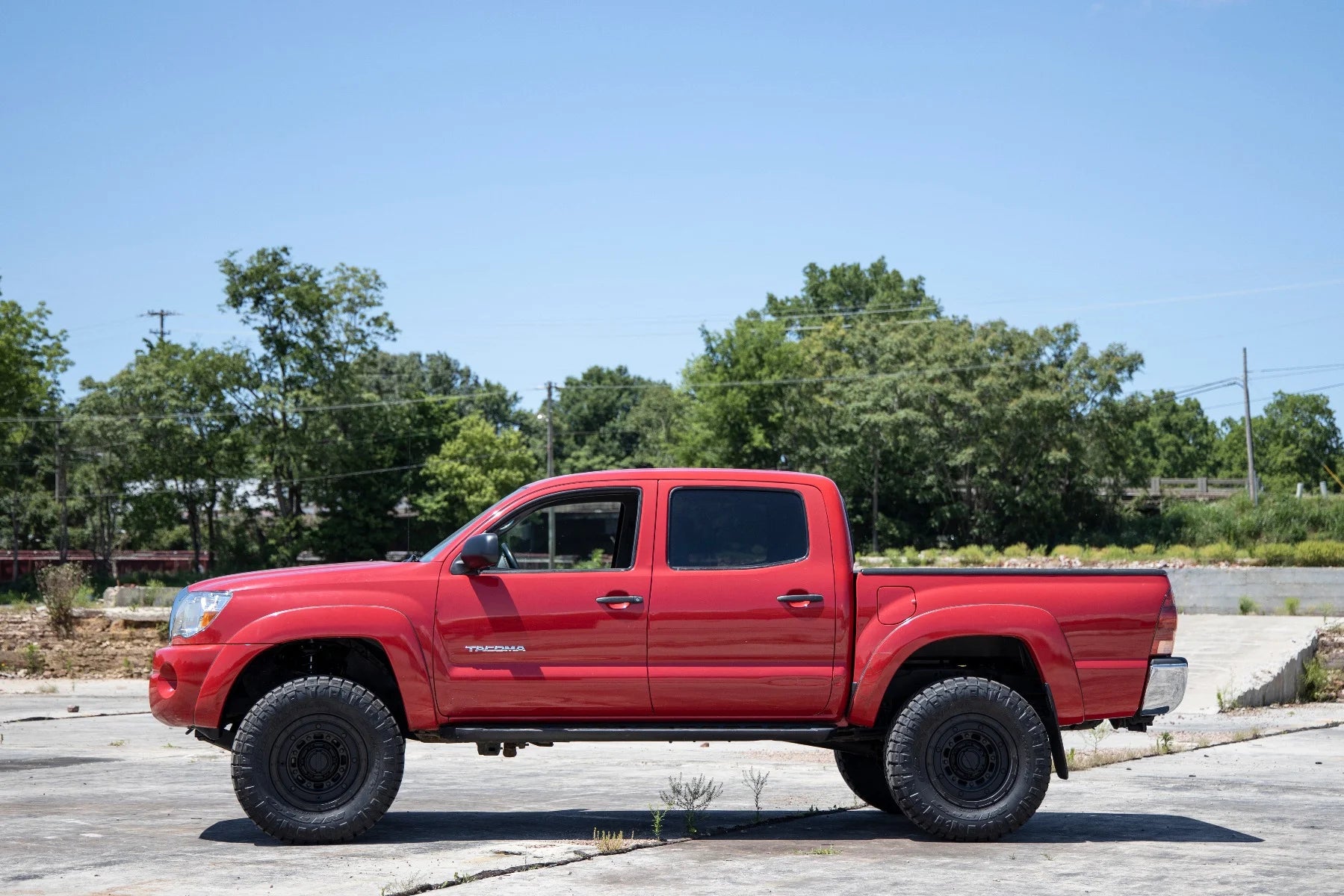
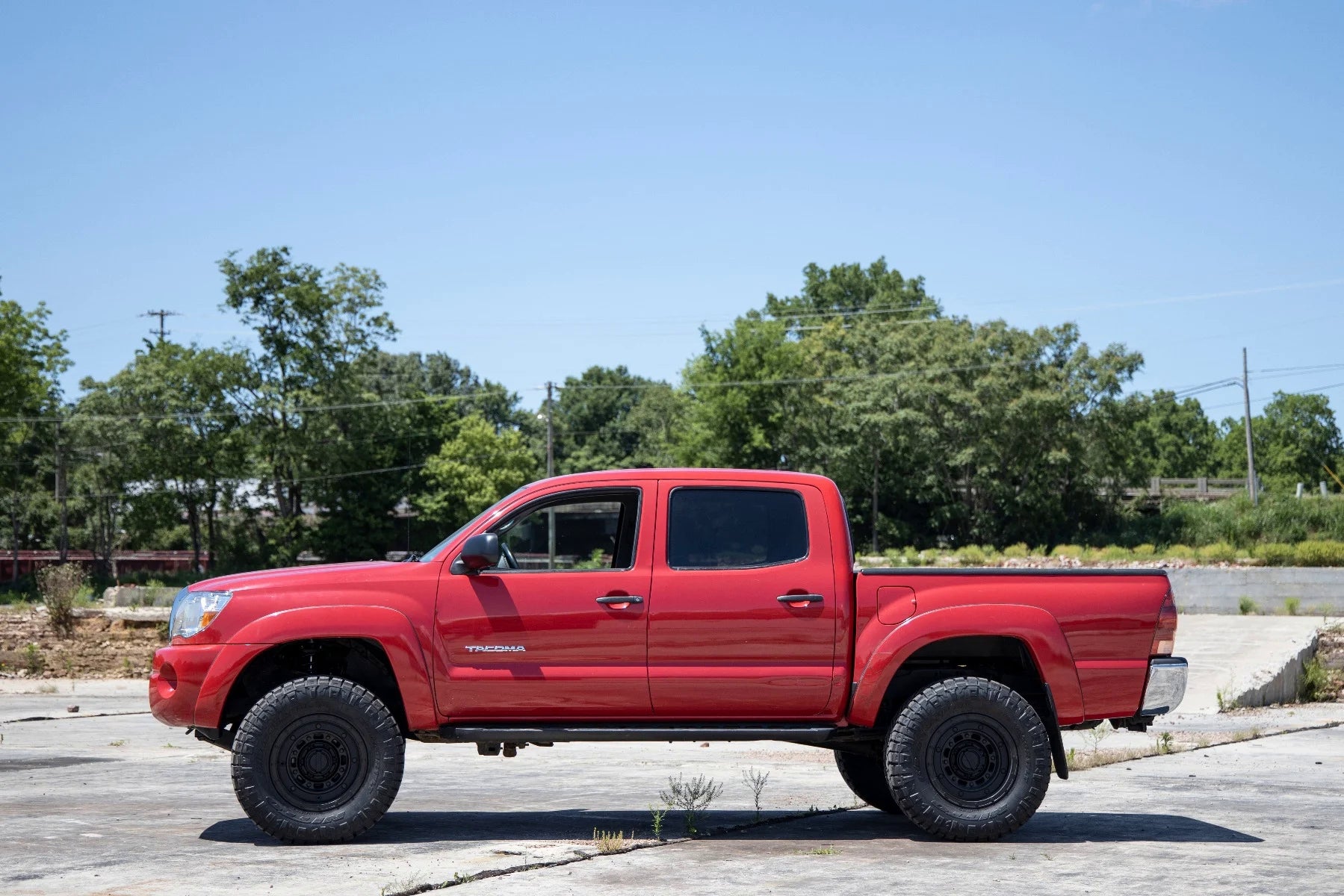
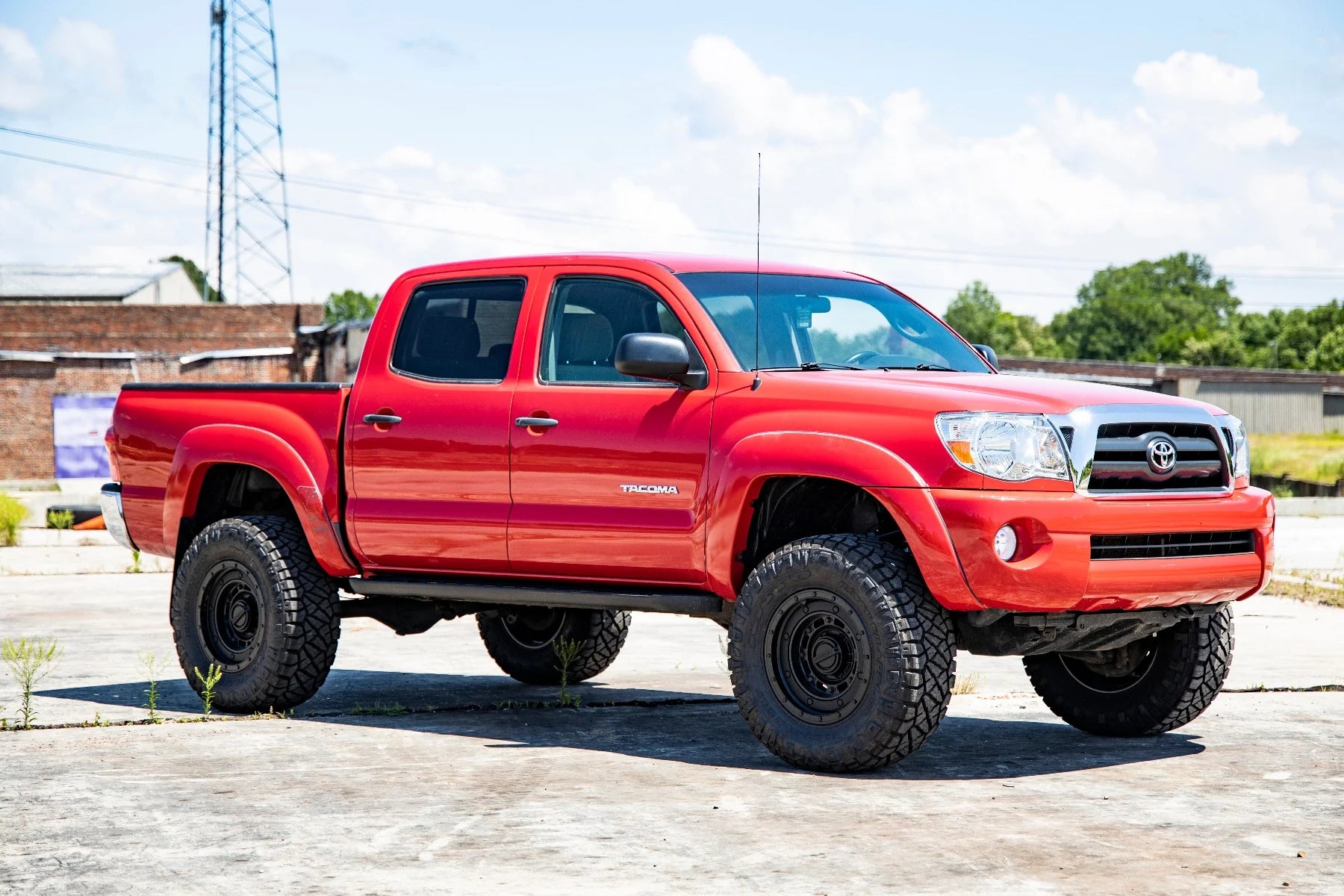
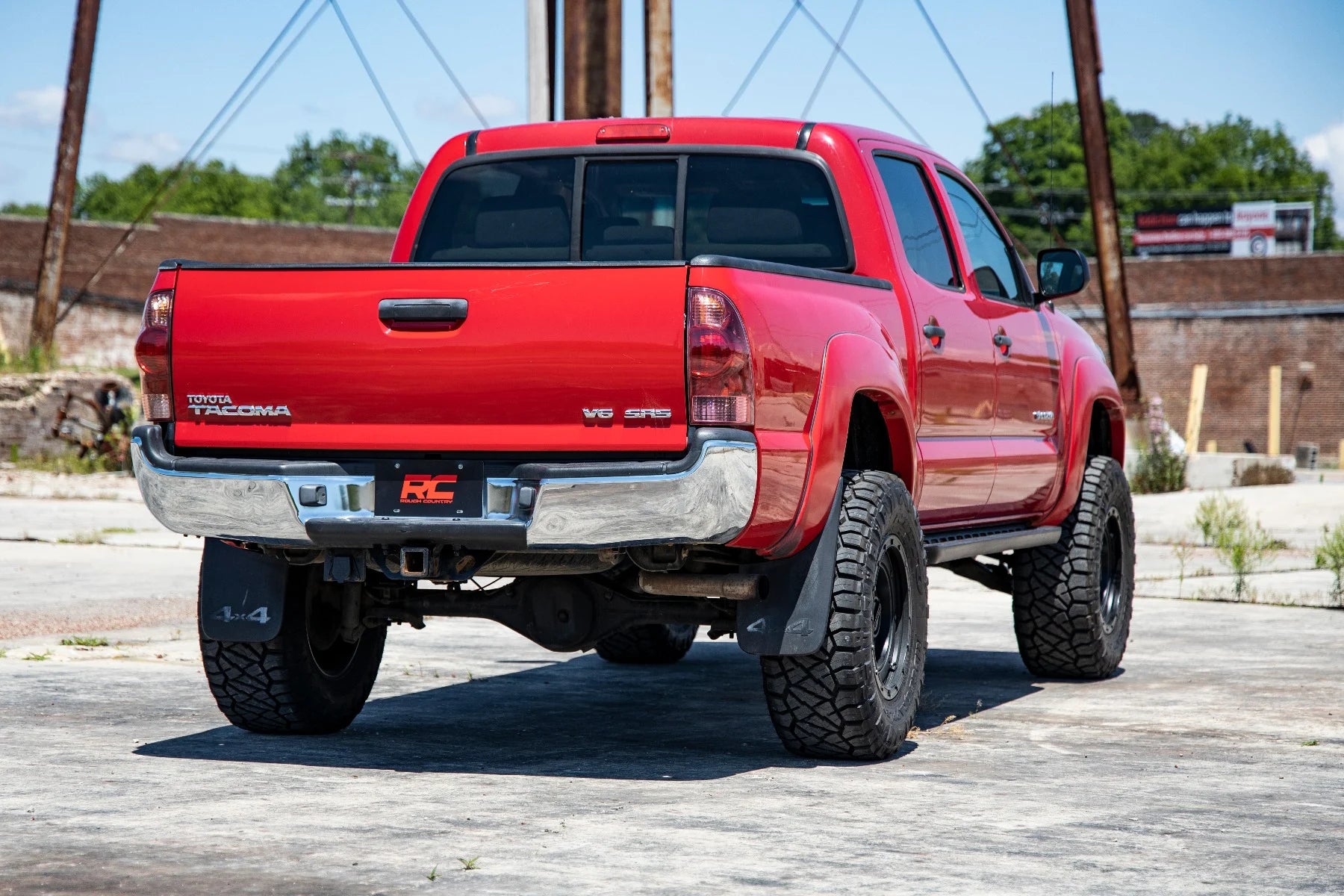
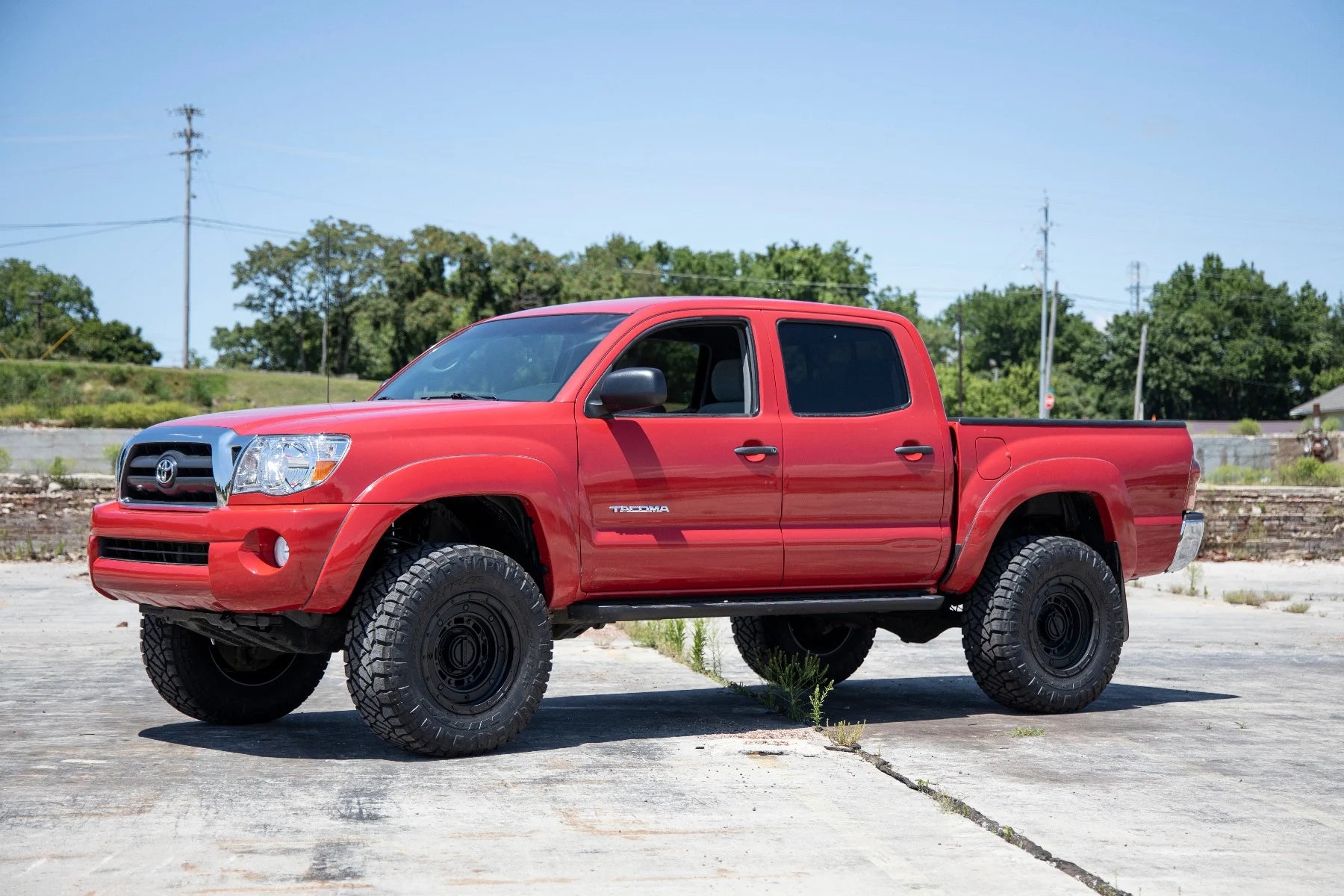
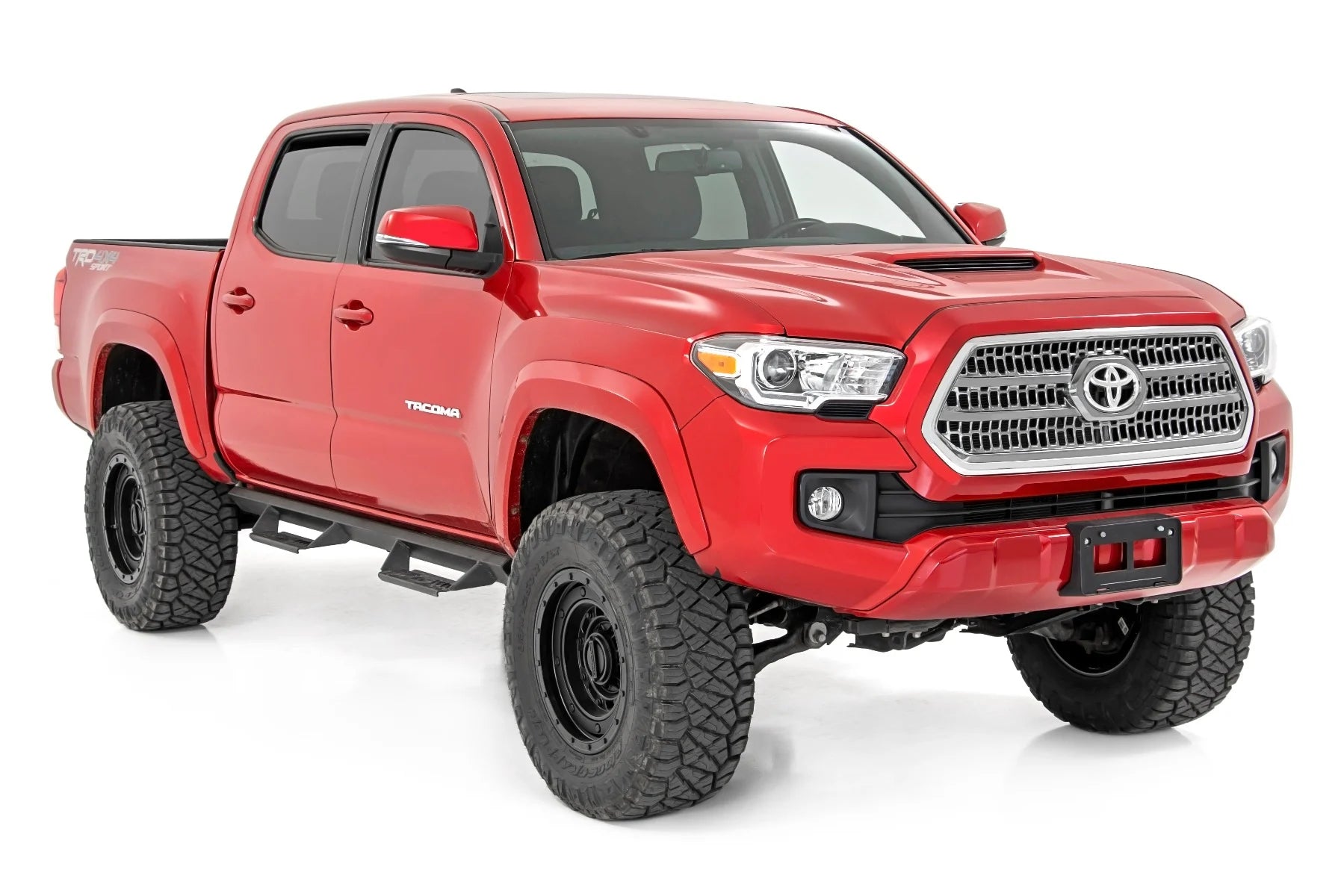
They are also the better option for drivers stepping up in tire size with a leveling kit or lift kit. A larger all-terrain can deliver the stance and capability most owners want without creating as much noise or sacrificing as much road comfort. If your truck pulls a trailer, carries tools, or makes long road trips, that balance matters.
When Mud-Terrain Tires Are Worth It
Mud-terrain tires make sense when you genuinely drive in conditions that can stop an all-terrain. Think deep mud, farm lanes after heavy rain, loose dirt, rutted hunting property, rocky trails, and off-road parks. In those situations, the self-cleaning tread and aggressive shoulder lugs are more than styling - they can be the difference between moving forward and digging deeper.
A dedicated trail Jeep is a good example. If it gets trailered to weekend events or only sees limited street use, road noise and faster wear may be acceptable trade-offs. The same goes for a work truck that regularly needs to cross soft, muddy ground where getting stuck costs time.
Mud tires can also provide a more aggressive sidewall and tread profile that many truck owners want. There is nothing wrong with choosing them partly for the look, as long as you go in knowing what comes with it. Expect noticeable highway hum, especially as the tires wear. Expect more attention to balancing and alignment. And expect wet-road performance to vary widely by tire model and driving conditions.
Do not assume the most aggressive mud tire is automatically the best tire in snow. Deep, open tread can help in loose snow, but hard-packed snow and icy roads rely heavily on siping and compound design. A snow-rated all-terrain may be the safer choice for a daily-driven vehicle during winter weather.
Road Noise, Rain, and Everyday Handling
This is where many buyers change their mind after the tires are already installed. Mud tires can sound great to the driver who wants a purpose-built off-road rig. On a long trip, though, the drone can get old. Larger sizes, certain tread patterns, and lighter vehicle insulation can make that noise even more noticeable.
All-terrain tires are generally quieter and more composed at highway speeds. Their continuous center tread sections help maintain a more consistent contact patch, which can improve steering feel and reduce wandering. That is especially useful on full-size trucks with larger wheels, lifts, or heavier aftermarket accessories.
Wet traction deserves the same attention as off-road grip. Delaware roads see plenty of rain, and a heavy truck with worn or improperly inflated tires can hydroplane regardless of tread style. All-terrain tires usually have the advantage for drivers who frequently travel on wet pavement, but tire quality, tread depth, and maintenance still matter more than the category printed on the sidewall.
Tire Size, Wheels, and Lift Height Matter Too
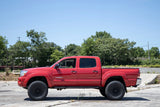
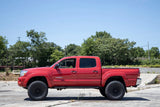
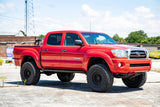
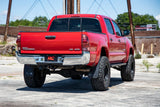
Choosing between all-terrain and mud-terrain is only part of the job. The tire has to fit the vehicle, the wheel width, the suspension setup, and the intended use. A 35-inch tire may look right on one truck with the correct lift, wheel offset, and trimming, while the same tire rubs badly on another.
Wheel offset is often overlooked. Pushing the wheel outward can create a wider, more aggressive stance, but it can also increase the chance of rubbing at full lock and change how road debris hits the paint. Bigger tires also add weight. That can affect braking, acceleration, fuel economy, transmission behavior, and steering response.
For some builds, re-gearing, upgraded steering components, or suspension adjustments may be worth discussing. That does not mean every larger tire setup needs a full overhaul. It means the right setup should be planned as a system rather than chosen from a photo online.
A professional fitment check is particularly useful before ordering wheels and tires for a lifted truck or Jeep. At Audio Jam, the goal is not just to install a tire that clears in the shop. It is to help match the tire, wheel, lift, and driving needs so the vehicle works the way you expect after you leave.
How to Choose Without Regretting It
Start with an honest look at your mileage. If 80 to 90 percent of your driving is pavement, an all-terrain is usually the smarter investment. It will still handle dirt roads, light mud, gravel, camping trips, beach access, and occasional trail use while making fewer compromises every morning.
If your vehicle regularly sees deep mud, loose terrain, or demanding trails, a mud-terrain may be the right tool. Just choose one because you need its capability, not because you expect it to act like a quiet all-season tire on I-95.
Also consider the tire's load rating. Half-ton trucks, heavy-duty pickups, and SUVs do not all need the same construction. A higher load range can add durability and support for towing or cargo, but it may also make the ride firmer. The right pressure and rotation schedule will have a major effect on ride quality and tread life no matter which tread pattern you choose.
The best tire is the one that matches the miles you drive, the terrain you reach, and the way you want your truck to feel behind the wheel. Build for your real weekends, not just the most extreme one you might have someday.