

All Terrain Tire Review for Trucks and Jeeps

A good all-terrain tire has a harder job than most truck and Jeep owners give it credit for. It needs to stay quiet enough for the daily drive, hold its line in rain, carry gear or tow confidently, and still find traction when pavement ends. This all terrain tire review focuses on what actually changes behind the wheel, so you can choose a set that fits how your vehicle gets used instead of buying tread that only looks aggressive in the parking lot.
What an All-Terrain Tire Is Built to Do
All-terrain tires sit between highway terrain tires and dedicated mud-terrain tires. Their tread blocks are more open than a street-focused truck tire, their sidewalls are generally tougher, and many use siping and tread compounds designed for wet, cold, or loose conditions. The goal is usable traction across several surfaces without making your truck miserable on the road.
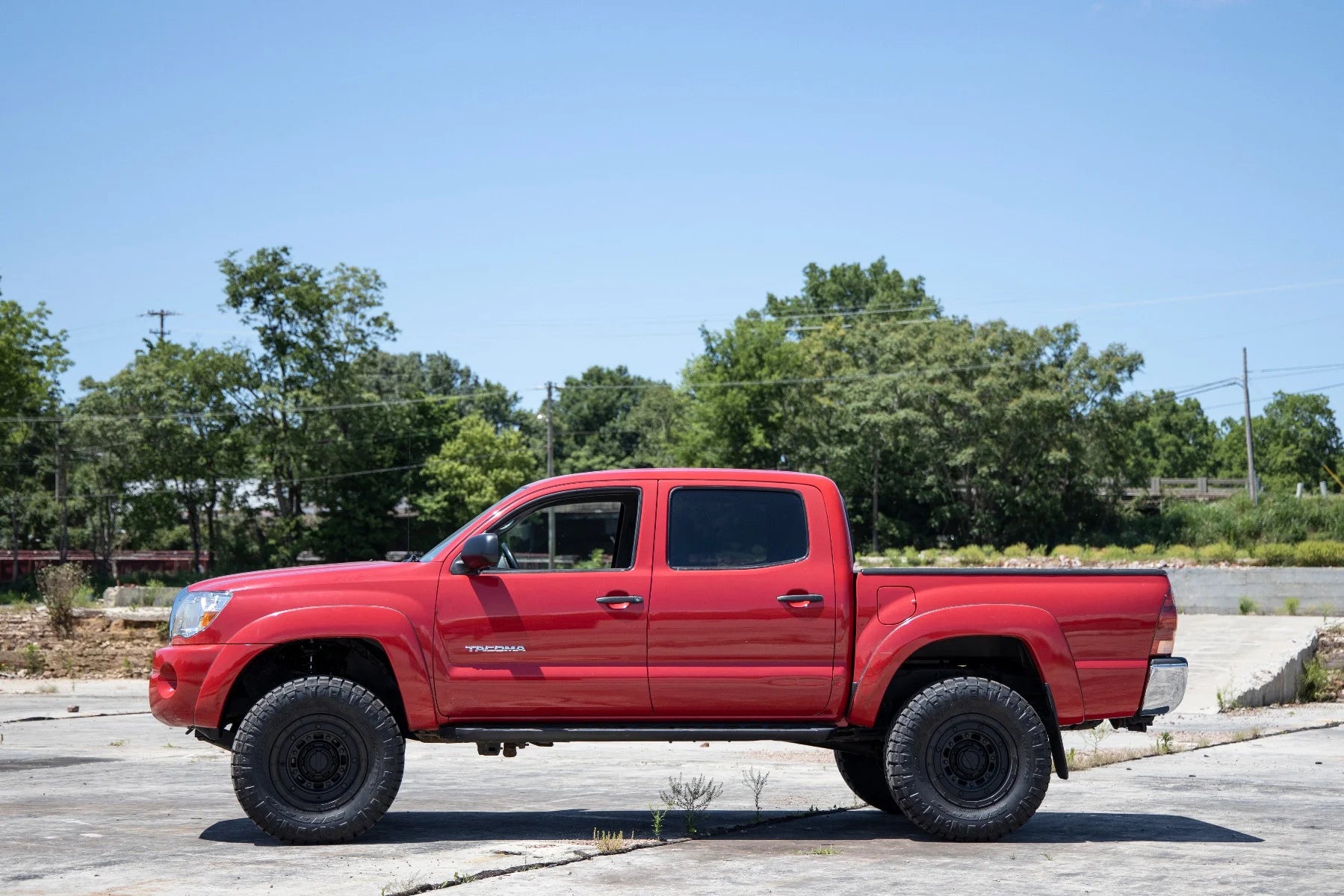
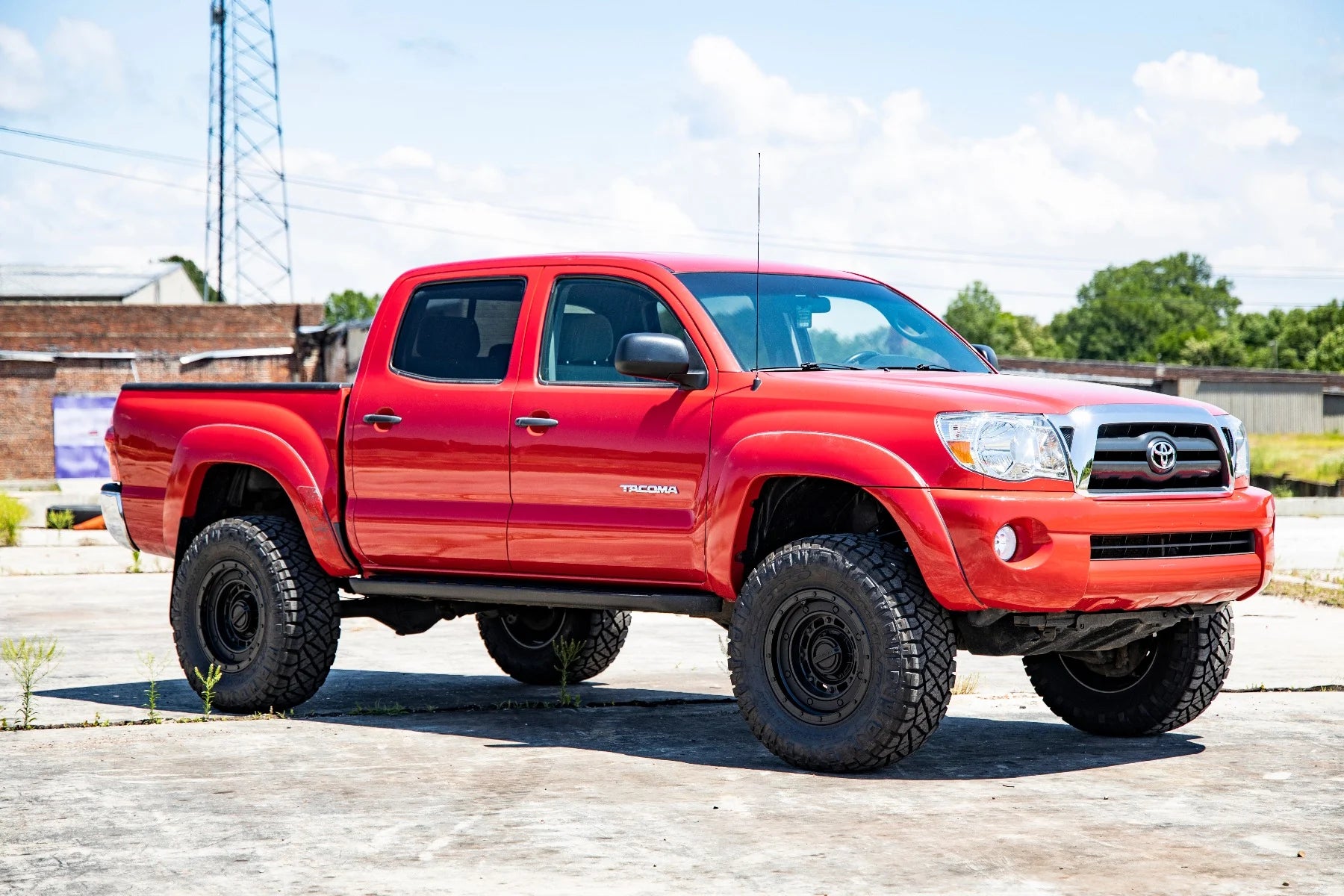
That middle-ground design is exactly why all-terrain tires are such a popular upgrade for pickups, Jeeps, SUVs, and overland-style builds. A daily-driven Wrangler, Silverado, Tacoma, Bronco, or RAM can get a more capable stance and better trail confidence without accepting the constant road noise and reduced wet-road control that can come with a more extreme mud tire.
But all-terrain is a broad category. One tire may be tuned more toward quiet commuting and rainy-road grip, while another may have deeper voids, larger shoulder lugs, and a much tougher casing for rocks and ruts. Reading the sidewall and looking at tread depth matter, but the real question is where the vehicle spends its time.
All Terrain Tire Review: The Road-Use Test Matters Most
For many local truck and Jeep owners, pavement is still the main surface. Even a weekend trail rig has to get to the trailhead, haul equipment, run errands, and handle wet roads around Bear, Newark, or Wilmington. That makes on-road behavior more than an afterthought.
Noise and ride quality
An all-terrain tire will usually create more hum than an all-season or highway tire, especially as it wears. Larger tread blocks move more air and can produce a noticeable growl at highway speed. Quality all-terrain tires control that sound with varied tread patterns and carefully spaced blocks, but no aggressive all-terrain is silent.
Ride can change too. Heavier-duty load ranges and stiffer sidewalls improve durability and support, particularly for towing or loaded trucks, but they can make an unloaded daily driver feel firmer. If your half-ton truck rarely hauls more than groceries and a few tools, choosing the heaviest tire available is not automatically an upgrade.
Wet-road traction
Open tread is useful in dirt, but wet-road grip depends heavily on siping, rubber compound, and the tire's ability to channel water out from under the contact patch. This is one area where an older design or a bargain tire can disappoint. A tire that handles dry gravel well may still need more distance to stop in a sudden Delaware downpour.
Look for a tread pattern with plenty of siping across the center blocks, not just large, chunky lugs at the shoulder. Rotating on schedule and maintaining correct inflation are just as important. Once an all-terrain tire starts to wear unevenly, road noise rises and wet traction can fall off quickly.
Winter capability
Some all-terrain tires carry the Three-Peak Mountain Snowflake symbol. That marking means the tire meets a defined test standard for severe snow service, which is more meaningful than the older M+S marking alone. For a truck or Jeep that sees regular snow, slush, and freezing temperatures, it is worth prioritizing.
The symbol does not turn an all-terrain into a dedicated winter tire. A true snow tire can still provide better ice traction and cold-weather braking. However, a snow-rated all-terrain is a practical one-set solution for drivers who need year-round utility and occasional winter confidence.
Tread Design Tells You Where the Tire Wants to Go
The best way to compare all-terrain options is to study the areas that contact the ground. Tread depth, void space, shoulder design, and sidewall construction each point to a tire's intended use.
A more road-oriented all-terrain typically has tighter center blocks, moderate tread depth, and lots of siping. It will usually be the smarter choice for a daily-driven SUV, a work truck that sees gravel access roads, or a Jeep that mostly runs pavement with occasional beach, farm, or forest-road use.
A more aggressive all-terrain has deeper channels, stepped shoulder blocks, and wider gaps between lugs. Those features help clear loose dirt, mud, and small rocks, while the shoulder lugs add bite in ruts and off-camber terrain. The trade-off is additional noise, more weight, and often a slight hit to fuel economy.
Sidewall protection deserves attention if your vehicle regularly encounters rocks, sharp trail debris, or construction-site material. A tire with reinforced sidewalls can be well worth it for a true off-road build. For a commuter truck, however, that extra construction may add cost and ride stiffness without delivering a benefit you will ever use.
Size, Load Range, and Fitment Can Make or Break the Upgrade
The most common tire mistake is jumping straight to the biggest size that looks good online. Tire size affects steering feel, braking, acceleration, fuel economy, speedometer accuracy, suspension clearance, and wheel fitment. On lifted trucks and Jeeps, the tire must clear at full steering lock and through suspension travel, not just while parked straight.
A wider tire can create a more planted look, but it may track road grooves more noticeably and can throw more water or debris. A taller tire increases ground clearance under the axles, but it can dull performance if the gearing does not match. On some vehicles, a modest move up in size gives the right balance. On others, larger tires call for a lift, different wheel offset, trimming, alignment adjustments, or re-gearing.
Load range is another detail worth getting right. Light-duty tires can ride better and weigh less. Load Range E tires are common on heavy-duty trucks because they are designed for higher load capacity and tougher use, but they are not always the best answer for every Jeep or half-ton pickup. Match the tire's load capacity to the vehicle, the cargo you carry, and the trailer weight you actually pull.
Professional mounting and balancing matter here. Larger all-terrain tires can expose small balance issues, and a wheel that is not properly centered can create vibration that feels like a tire problem. An alignment after a lift, leveling kit, or major tire-size change is not optional if you want the new set to wear evenly.
Real-World Trade-Offs Before You Buy
No all-terrain tire leads every category. The tire that gives the best loose-terrain grip may be louder than you want for a 50-mile commute. The tire with excellent winter manners may wear faster in hot weather or under heavy towing. The lighter tire that feels great on a daily driver may not be the right choice for repeated rock trails or a fully loaded overland setup.
Be honest about the split between street and dirt. If your truck spends 90 percent of its time on I-95, back roads, and job sites, a quiet, wet-capable all-terrain with moderate tread is usually the better investment. If your Jeep sees rocky trails, deep sand, muddy access roads, and regular low-pressure use, a more aggressive carcass and shoulder pattern make more sense.
Also consider the rest of the build. A new set of tires may expose worn shocks, weak steering components, or an alignment issue that the old tires masked. Bigger tires add rotating mass, which can change braking and acceleration. On newer trucks, a size change can also affect driver-assistance calibration and speedometer readings. The best tire installation looks at the complete vehicle, not just four circles of rubber.
When an All-Terrain Tire Is the Right Call
All-terrain tires make sense for owners who want one set to handle daily driving, towing, weather, gravel, and weekend recreation. They are especially strong for trucks that alternate between work and personal use, Jeeps that travel to trails rather than ride on trailers, and SUVs that need dependable all-season traction with a tougher appearance.
They are less ideal when the vehicle has one very specific job. A pavement-only commuter will often get quieter operation, longer tread life, and better efficiency from a highway-oriented tire. A dedicated mud or rock rig may need the larger voids and aggressive bite of a mud-terrain. There is no prize for buying more tire than the vehicle needs.
A properly selected all-terrain should make your truck or Jeep feel more ready, not more compromised. Bring the vehicle's actual use, current wheel size, lift height, towing needs, and preferred tire size into the conversation before ordering. That is how you end up with a setup that looks right, clears correctly, and still feels good every time you pull onto the highway.