

Aftermarket Backup Camera Installation That Fits

A backup camera should make parking easier without looking like an add-on that never belonged on the vehicle. A properly planned aftermarket backup camera installation gives you a useful view behind the vehicle when you shift into reverse, whether you drive a daily commuter, a lifted truck, a Jeep with a spare tire, or a work vehicle that regularly backs around equipment.
The camera itself is only one part of the job. The display, vehicle electronics, camera mounting position, wire routing, and reverse-trigger connection all determine whether the finished system works reliably every time. Choosing the right setup before installation prevents the common headaches: a camera that sits at the wrong angle, a screen that does not switch fast enough, poor nighttime visibility, or wiring exposed to weather and road debris.
Start With the Screen You Already Have
The first question is not which camera to buy. It is where you want to see the image.
If your vehicle already has an aftermarket head unit with a rear-camera input, adding a camera can be straightforward. Most quality touchscreen radios with Apple CarPlay or Android Auto support a dedicated camera input and automatically display the image when reverse is selected. This is often the cleanest option because the camera view appears on the same screen you already use for music, navigation, and hands-free calls.
Factory-screen integration is another option, but it depends heavily on the vehicle. Some factory radios accept a camera input with the correct interface module. Others require a vehicle-specific video interface that allows the factory screen to display the camera image while preserving factory controls and features. This can be a great choice for newer vehicles where you want to keep the original radio, but it is not a universal plug-and-play job.
For vehicles without a usable screen, a replacement rearview mirror with an integrated display can work well. Mirror displays are popular in older vehicles, fleet vehicles, and builds where replacing the radio is not a priority. There are also stand-alone dashboard monitors, though they are usually best reserved for vehicles that need a larger dedicated view or multiple cameras.
A screen upgrade and camera install often make the most sense together. If your factory radio is missing smartphone integration, a new head unit can add CarPlay or Android Auto while also providing a clean home for the backup camera.
Choosing the Right Backup Camera for the Vehicle
Camera placement affects the image more than most people expect. A license-plate-mounted camera is a popular choice for cars, SUVs, and trucks because it provides a centered view without permanent modification to the bumper. It is discreet, useful, and usually gives a natural perspective of the area directly behind the vehicle.
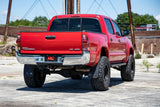
That does not mean it is the best fit for every build. A truck with a tailgate that is often removed, a commercial van, or a Jeep with an aftermarket rear bumper may need a different solution. Surface-mount cameras can be placed above the rear door or on a bumper, while flush-mount cameras offer a more custom appearance when the mounting surface allows it. Jeep and off-road applications may call for a camera mounted near the spare tire or in a location protected from trail damage.
Look for a camera with a useful low-light image, a wide but not overly distorted viewing angle, and a weather-resistant housing. A super-wide lens can show more of the area around the vehicle, but it can make objects appear farther away than they are. The goal is a clear, dependable view of the bumper area and the path behind the vehicle, not a novelty fisheye effect.
Camera guidelines are another choice. Some cameras provide fixed parking lines, some have selectable lines, and some leave the lines off entirely. Fixed guidelines can help with basic parking, but they do not turn with the steering wheel. Dynamic guidelines require the right vehicle integration and are typically more involved. For many drivers, a clean camera image with accurate awareness of the vehicle's bumper is more valuable than lines that are not calibrated correctly.
Trucks, Jeeps, and Trailers Need Extra Planning
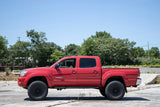
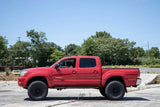
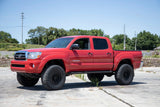
A standard rear camera may not solve every visibility problem on a larger vehicle. Lifted trucks have a higher viewing angle. A camper shell, tool box, bike rack, spare tire, or trailer can block part of the view. If you tow regularly, a trailer camera or a second camera may be worth considering.
Multi-camera systems can provide views at the rear of the truck and rear of the trailer, with a display that lets you select the image you need. That is a more specialized setup, but it can make hitching up, monitoring a trailer, and backing into a tight spot far less stressful. The right answer depends on how the vehicle is used, not just what fits the bumper.
What a Professional Installation Actually Covers
A camera kit may come with a camera, a video cable, and a power lead. That is not the same as a completed installation. The work starts with confirming compatibility between the camera, display, and vehicle.
The camera needs switched power and a reliable reverse signal so the screen knows when to change views. On many vehicles, that signal can be taken from the reverse-light circuit. On others, especially late-model vehicles with complex electrical systems, the correct trigger may require a data interface or a specific connection point. Guessing here can create intermittent operation, warning lights, or electrical issues that are harder to diagnose later.
The video and power wiring also need to be routed through the vehicle correctly. A clean installation keeps wiring away from sharp metal, moving hinges, exhaust heat, airbags, and areas that collect water. When wires pass through a hatch, tailgate, or rear door, they should be protected in the factory-style boot whenever possible. Exterior connections need weather protection, particularly on vehicles that see winter road treatment, off-road mud, boat ramps, or frequent washing.
The final step is adjustment and testing. The installer should set the camera angle so you can see the edge of the bumper and the ground behind it, verify that the image activates promptly in reverse, and confirm that the radio, factory controls, and other vehicle features operate as expected. If parking lines are used, they should match the vehicle's actual path as closely as the system allows.
Wired vs. Wireless Camera Systems
Wireless camera kits appeal to drivers because they appear to eliminate the hardest part of the installation. They still need power at the camera and at the display, and the signal has to travel through metal body panels, tinted glass, cargo areas, and possible sources of electrical interference.
For a basic application, a quality wireless system can be a practical option. For the most consistent image and fastest reverse activation, a hardwired camera is usually the better long-term choice. Wired systems take more installation labor, but they avoid many of the signal issues that show up with cheap wireless kits.
The same principle applies to camera quality. A low-price kit may work on day one, but poor connectors, weak night vision, delayed switching, and water intrusion are common reasons customers replace them. Spending a little more on recognized equipment and proper installation usually costs less than doing the job twice.
When Factory Integration Is Worth It
Keeping the factory screen is especially appealing on newer vehicles with climate controls, vehicle settings, and safety features built into the radio. A vehicle-specific integration solution can retain that original look while adding a rear camera. It is a good route when the factory radio does what you need except for camera capability.
Replacing the radio may be the better value when the factory system is outdated or limited. If you are already considering CarPlay, Android Auto, upgraded audio, navigation, or a larger touchscreen, combining those upgrades with a camera can simplify the project. One properly installed head unit can become the control center for several useful features.
There is no one-size-fits-all answer. The best setup depends on the vehicle year, trim level, factory electronics, budget, and whether you want a simple parking aid or a full technology upgrade.
Get the View You Can Trust
A backup camera is an added driving aid, not a replacement for mirrors, looking over your shoulder, or paying attention to people, pets, traffic, and obstacles around the vehicle. Its value comes from filling in the blind area that mirrors cannot show well.
For drivers in Bear, Newark, Wilmington, and the surrounding Delaware area, Audio Jam can help match the camera, screen, and installation approach to the vehicle instead of forcing a universal kit into a job it was never designed for. The right camera should come on quickly, show a useful image in day or night conditions, and look like it belongs there every time you put the vehicle in reverse.