

Aftermarket Blind Spot Detection: Your 2026 Guide

You're probably here because you've had the same moment most drivers have had. You check the mirror, glance over your shoulder, start to move over, and still feel that split second of doubt. Is there a car sitting just off your rear quarter panel? Did a motorcycle slip into that space? Is your truck's pillar blocking more than you realized?
That uneasy lane-change moment is exactly why aftermarket blind spot detection has become such a popular upgrade for older vehicles. A lot of cars, trucks, and SUVs on the road still didn't come from the factory with this feature. Owners want the extra warning without replacing a vehicle they otherwise like, trust, and plan to keep.
The big catch is simple. Blind spot detection only helps if it's installed correctly. A poorly placed sensor, bad wiring choice, or skipped calibration can turn a safety upgrade into an annoying system that chirps at the wrong time, or worse, misses the vehicle you needed it to catch.
Table of Contents
- The Hidden Danger in Your Blind Spot
- How Aftermarket Blind Spot Systems Work
- Pros Cons and Realistic Expectations
- Vehicle Compatibility and System Integration
- DIY vs Professional Installation
- Your Installer and System Selection Checklist
- Frequently Asked Questions
The Hidden Danger in Your Blind Spot
Blind spots aren't just a bad driving habit. They're a design reality. Every vehicle has areas your mirrors don't fully cover, and those areas change depending on the shape of the car, the width of the rear pillars, seat position, mirror adjustment, and how high you sit.
That's why even careful drivers still get surprised. A compact car can hide beside an SUV. A motorcycle can disappear next to a pickup. In heavy traffic, that uncertainty gets worse because cars are constantly moving in and out of that side zone.
Aftermarket blind spot detection adds an active warning layer to a vehicle that didn't originally have one. Instead of relying only on what your eyes catch, the system monitors the adjacent lane area and warns you when another vehicle moves into that blind zone.
There's a reason this category has grown so fast. One market estimate valued the blind spot monitor market at USD 16.55 billion in 2024 and projected it to reach USD 41.98 billion by 2033, with the analysis separating OEM and aftermarket channels, including retrofit systems for vehicles that didn't leave the factory with blind-spot monitoring, according to Straits Research on the blind spot monitor market. That doesn't tell you which kit to buy, but it does tell you this isn't some fringe accessory anymore.
Why older vehicles are driving demand
A lot of Delaware drivers keep vehicles for years. That includes commuter sedans, family SUVs, work vans, and older trucks that are still mechanically solid. Those owners often want modern safety help without taking on a car payment.
Blind spot detection fits that need because it's a retrofit. In many cases, a shop can add the sensors, warning indicators, and wiring without changing the basic character of the vehicle.
Practical rule: A blind spot system should reduce uncertainty, not replace your mirrors or your shoulder check.
What people often misunderstand
Some drivers assume any kit with sensors will work about the same. That's where trouble starts. The feature sounds simple, but reliability depends on details most buyers never see. Sensor location matters. The angle matters. The bumper material matters. The way the alert reaches the driver matters too.
If you've ever looked online and thought, “How hard can this be?”, that's a fair question. The answer is that the hardware is only half the job. The other half is installation discipline.
How Aftermarket Blind Spot Systems Work
A good aftermarket blind spot system does two jobs at once. First, it senses a vehicle in the lane beside you or just behind your rear quarter. Second, it warns you in a spot you can catch quickly, usually near the mirror or on the A-pillar, before you start moving over.

What the system is actually watching
Most aftermarket kits use one of three sensing methods, and they do not all behave the same on the road.
Radar-based systems are usually the closest match to the factory experience drivers expect. They watch the side and rear-side zones for moving vehicles and are better suited to lane-change situations at normal road speeds.
Ultrasonic systems use short-range distance sensing. They can help with nearby objects, but they are usually less refined for true blind-spot coverage in faster traffic.
Camera-based systems show you an image of the area beside the vehicle. That can be helpful, but it asks your eyes and brain to look at a screen, interpret the picture, and then decide whether the lane is clear.
The hardware is only half the story.
Real performance depends on where the sensors sit, the angle they point, the bumper material in front of them, the ride height of the vehicle, and whether the warning triggers at the right moment. That is why a blind spot kit that looks great on a product page can feel inconsistent after a rushed install. A professional installer is not just mounting parts. The shop is setting up the system so the sensing zone matches the shape and stance of your vehicle.
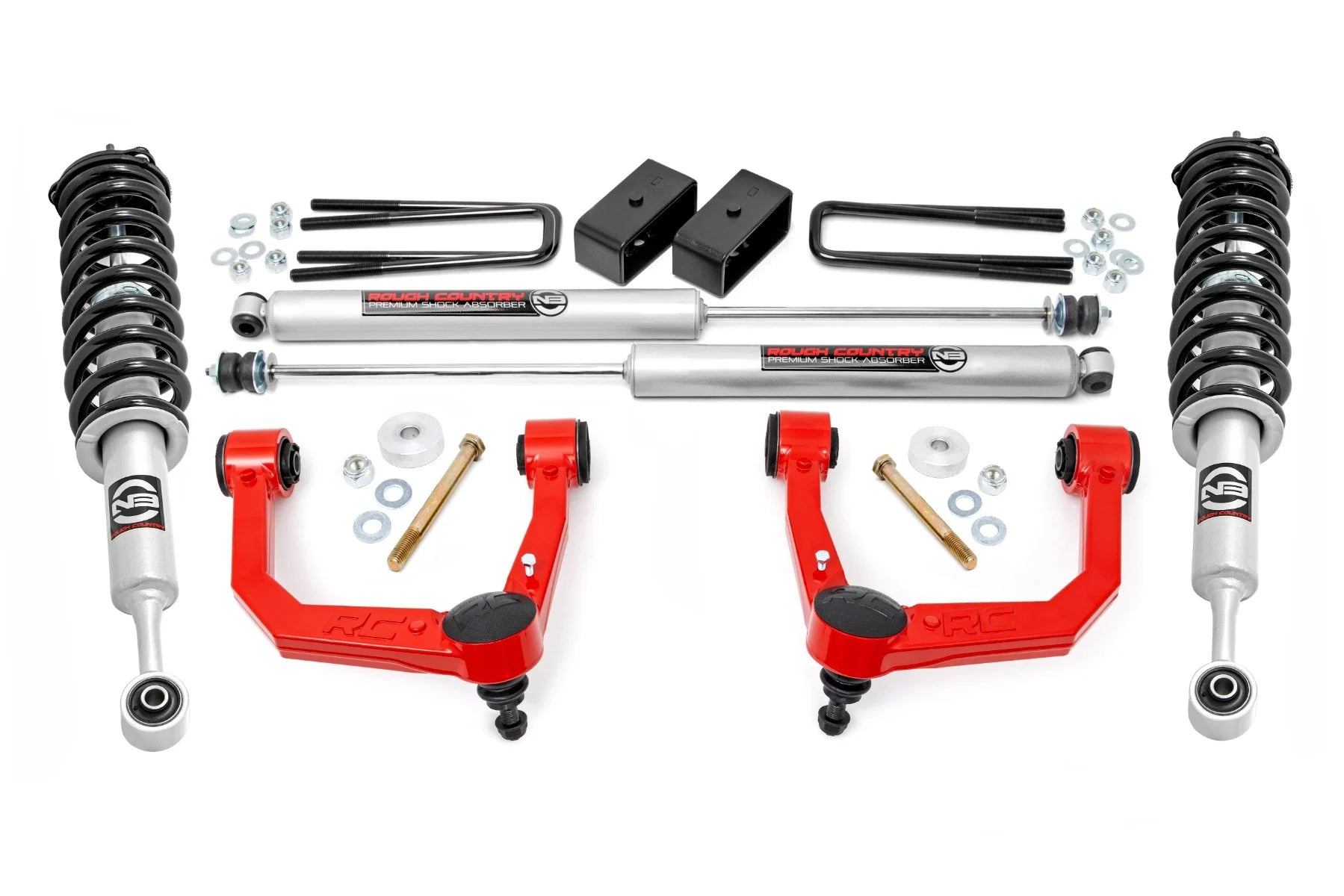
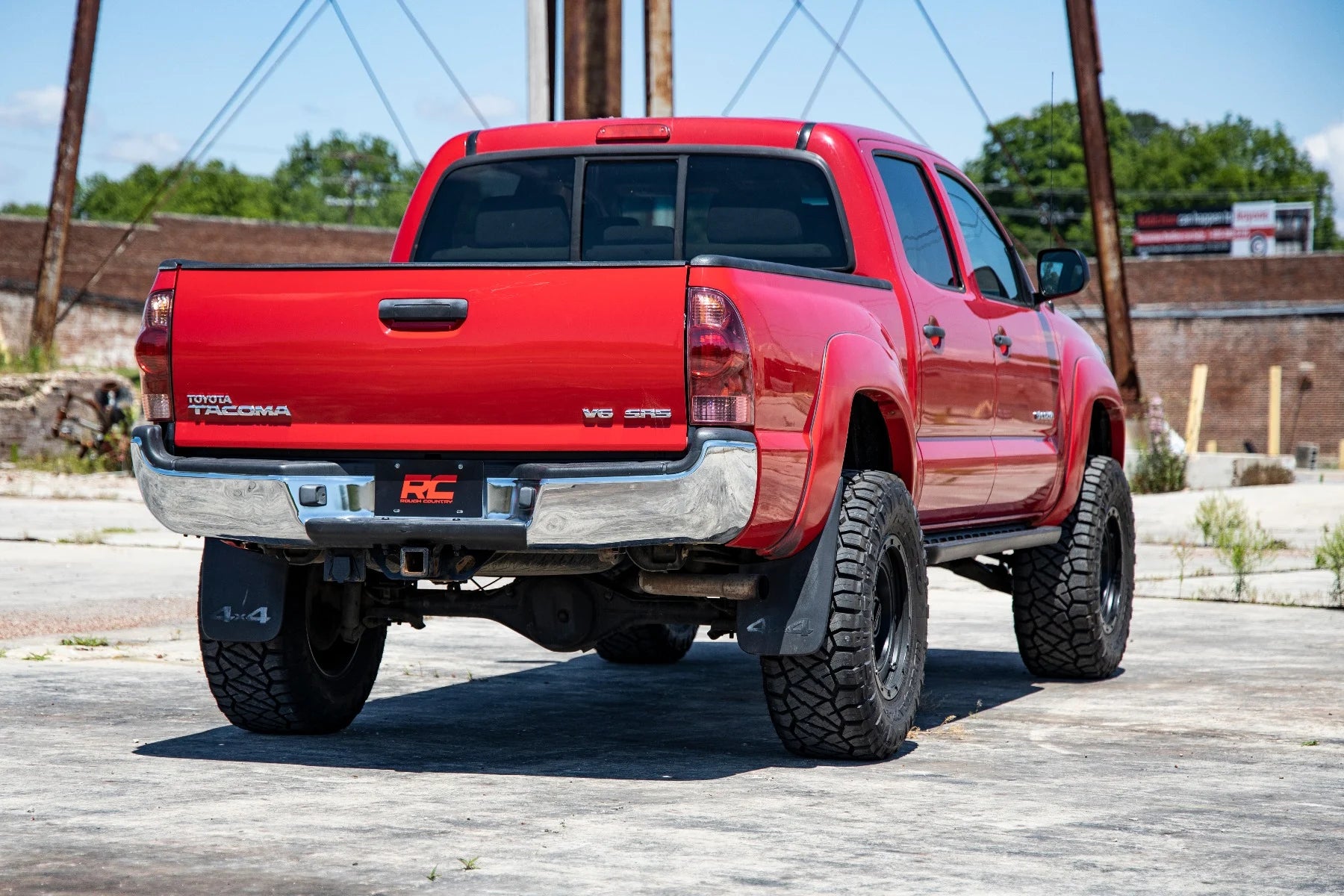
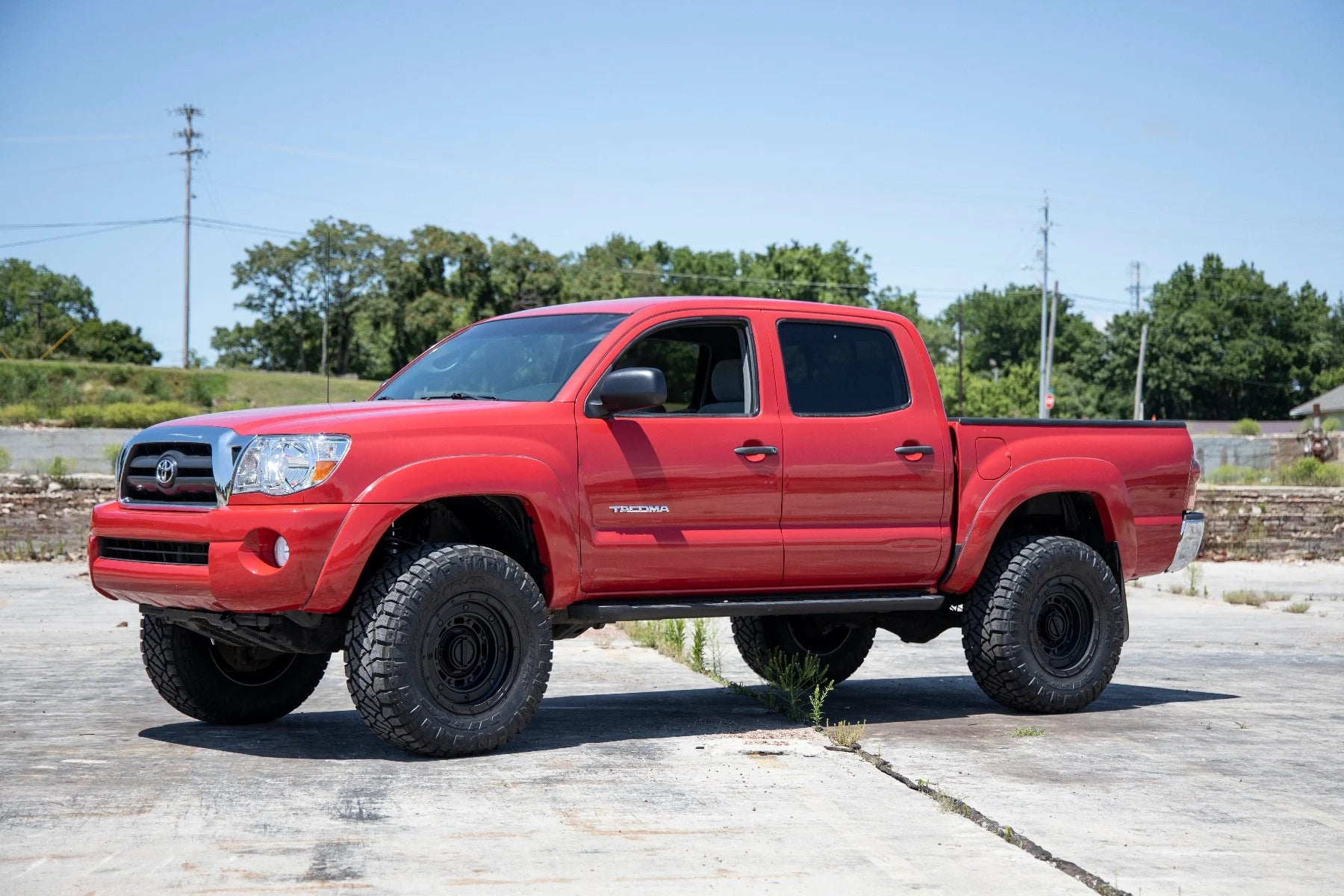
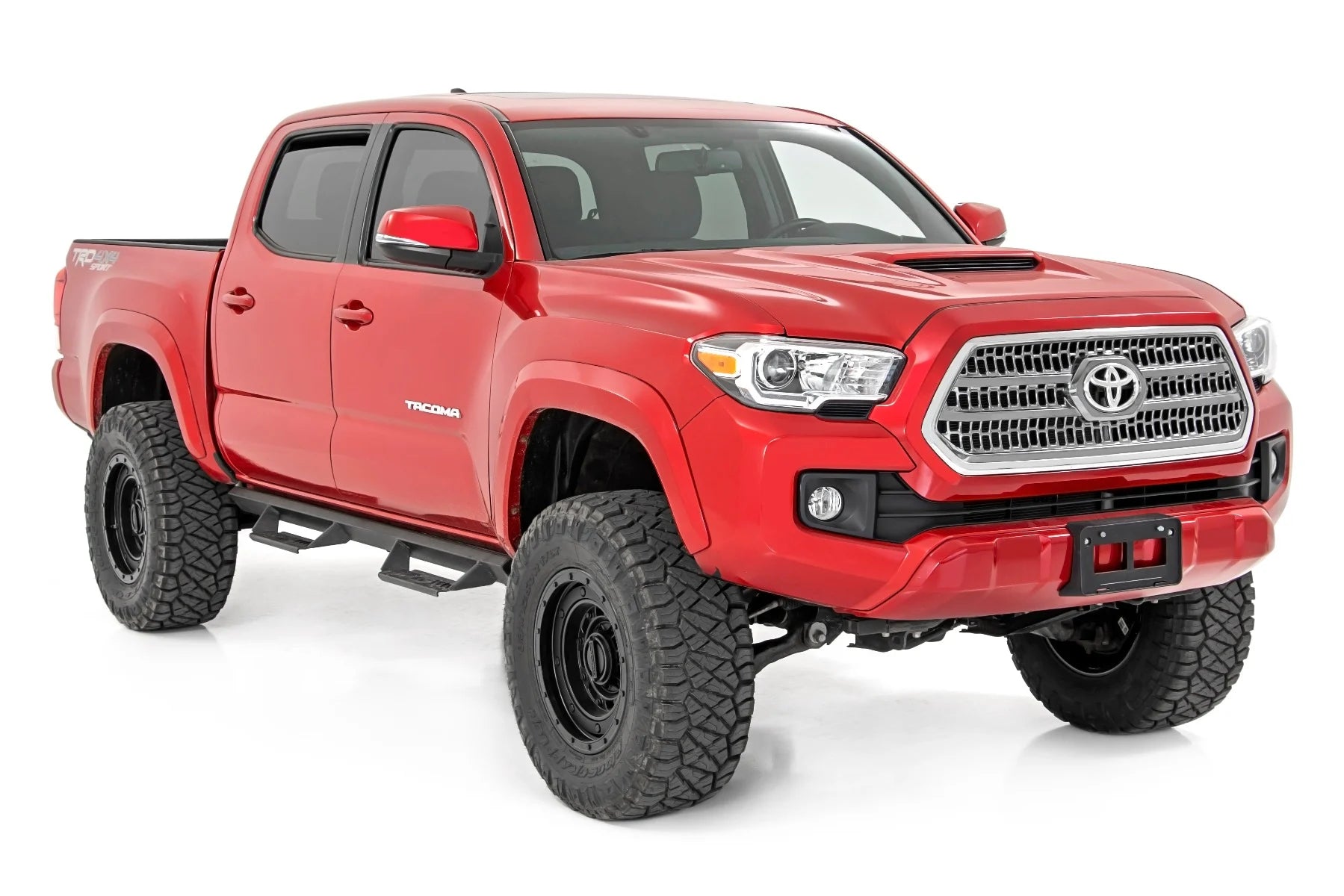
This gets more important on modified trucks and SUVs. Owners of older GM trucks, for example, sometimes add suspension changes such as the 254.20-Config 4.75 Inch Lift Kit Combo Chevy GMC 1500 07–13, a $599.95 lift kit for 2007 to 2013 Chevy Silverado 1500 and GMC Sierra 1500 2WD models. Raise the truck and you also change the relationship between the sensors, the road, and the lane next to you. If a kit is installed as if the truck were still stock height, the detection zone can end up too high, too low, too narrow, or slightly late.
That calibration piece is where DIY installs often go sideways. Mounting a sensor is similar to hanging a light fixture. Getting it aimed and integrated correctly is more like aiming headlights after suspension work. Small errors can change what the system sees.
After you've got the basic idea, this short video helps make the concept easier to picture in real traffic:
How the warning reaches you
The alert method matters almost as much as the sensor itself. Kelley Blue Book explains that blind spot warnings commonly appear as a yellow mirror indicator, A-pillar warning, or audible chime in places that keep your eyes closer to the road than a camera-only display would, according to Kelley Blue Book's explanation of blind spot monitors.
That design choice is practical. You already glance toward your mirror area before changing lanes, so a light in that zone works with your normal habit instead of asking you to learn a new one.
Some drivers also compare blind spot kits with parking aids, but they solve different problems. A 4-sensor flush mount parking sensor system helps with close obstacles while parking. Blind spot monitoring is trying to catch a moving vehicle approaching from the side or rear-side during everyday traffic.
| System approach | What it feels like in use | Common tradeoff |
|---|---|---|
| Radar | Closer to factory-style lane-change alerts | More installation and calibration work |
| Ultrasonic | Better for basic proximity awareness | Less precise for highway-style blind-spot use |
| Camera | Gives visual confirmation | Requires more driver attention to a screen |
A trustworthy blind spot alert feels quiet and predictable. You see it where you already look, and it warns you at the right time instead of making you guess whether to trust it.
Pros Cons and Realistic Expectations
Blind spot detection is one of those upgrades that sounds either obviously necessary or completely unnecessary, depending on who you ask. The truth sits in the middle. It can be a meaningful safety aid, but it's not magic, and it's not a substitute for paying attention.
Where these systems help most
The strongest case for blind spot monitoring comes from crash data, not marketing copy. The Insurance Institute for Highway Safety found that vehicles equipped with blind spot monitoring had a 14% reduction in lane-change crashes, and that reduction improved to 23% when blind spot monitoring was combined with rear cross-traffic alert, as summarized by NCSR Safety's review of blind spot monitoring research.
That lines up with what drivers encounter on the road. The system is most useful when traffic is dense, vehicles are moving at different speeds, and your attention is split between mirrors, lane position, brake lights ahead, and what's happening behind you.
Some owners also like pairing side awareness with parking support. A product like the Directed 9401T 4 sensor flush mount parking sensor system handles a different problem than blind spot monitoring, but it shows how layered driver-assistance can work. One system helps beside you in traffic. Another helps close in around the vehicle at low speed.

Where owners get disappointed
The biggest letdown usually comes from expectations that are too high or too vague.
A blind spot system can still give false alerts. Guardrails, roadside objects, weather, and poor sensor placement can all create warnings you didn't expect. That doesn't mean the technology is bad. It means setup quality matters, and every sensing system has limits.
Mirror adjustment is the other big debate. A lot of drivers correctly point out that proper mirror setup reduces blind spots a lot. They're right. The problem is that good mirrors are still passive. They don't actively tell you that a fast-moving vehicle just entered that side zone while you were checking traffic ahead.
Consider realistic tradeoffs:
- Best-case benefit: You get an extra warning before starting a lane change.
- Common limitation: The system may not behave like a factory-integrated luxury-car setup.
- Driver responsibility: You still need mirrors, signals, and a shoulder check.
- Installation risk: Cheap hardware with sloppy placement can be more irritating than helpful.
Blind spot detection is a driver aid. If you treat it like an autopilot feature, you'll misuse it.
For buyers, the smart mindset is simple. Shop for a system that gives clear, timely alerts and have it installed in a way that makes those alerts trustworthy.
Vehicle Compatibility and System Integration
Not every vehicle is an equal candidate for aftermarket blind spot detection. Many can support it, but the install plan needs to match the vehicle's body, wiring, and interior layout.
What makes a vehicle a good candidate
Start with the rear corners of the vehicle. That's where many systems want to place sensors, and the bumper area needs to support stable mounting and a clean detection path.
A few questions matter right away:
- Bumper construction: Some materials and shapes are easier to work with than others.
- Vehicle age: Older vehicles may be simpler electrically, but they may also need more custom routing.
- Body style: A coupe, full-size SUV, van, and lifted truck don't present the same blind zone.
- Alert location: The installer needs a sensible place for mirror indicators, pillar lights, or buzzers.
If you're trying to picture the wiring side of the job, a guide like how to install a backup camera is useful because it shows the kind of trim removal, routing, and integration work that often overlaps with blind spot installs. The devices are different, but the clean-install mindset is similar.
Standalone kits versus deeper integration
Some aftermarket systems are mostly standalone. They have their own sensors, control module, and warning indicators. These are often the most realistic fit for older vehicles because they don't depend on factory software cooperation.
Other systems try to behave more like OEM equipment. That can mean deeper tie-in with vehicle electronics, cleaner alert presentation, or better coordination with other features. The upside is a more integrated feel. The downside is complexity.
Here's the practical perspective to keep in mind:
| Vehicle situation | Usually easier path | Why |
|---|---|---|
| Older daily driver | Standalone retrofit kit | Less dependence on factory electronics |
| Newer well-equipped vehicle | Careful integration approach | More electronics to work around |
| Modified truck or SUV | Custom-fit install plan | Vehicle height and geometry matter more |
A good shop won't just say, “Yes, it fits.” They'll ask how you use the vehicle, what modifications it has, and where the warnings should appear so the system feels natural instead of bolted on.
DIY vs Professional Installation
You finish the install in your driveway on a Saturday, back out feeling proud, and the first lane change on Route 1 tells you the truth. The alert comes on late. Or too often. Or only on one side. That is the part many guides skip. Blind spot detection is a safety system, so "installed" and "working correctly" are not the same thing.
A lot of car owners can handle trim removal, power and ground connections, and careful wire routing. Those skills matter here. But blind spot systems add another layer. They have to be aimed, positioned, and tested so the sensors watch the lane beside you instead of the bumper, the shoulder, or empty space.
What DIY can do well
A careful DIY installer may be able to handle a basic standalone kit on the right vehicle, especially an older daily driver with simple body panels and fewer electronics to work around.
The appeal is obvious. You choose the parts, control the pace, and save on labor. On the bench, the kit may look straightforward. Sensors, module, indicators, wiring. The hard part starts once those pieces meet the vehicle.
Where DIY installations usually fail
Calibration is the big separator.
Blind spot sensors work a lot like motion lights around a house. If the angle is off, the system still turns on, but it watches the wrong area. On a car, a small error in sensor height, left to right symmetry, bumper corner position, or aiming angle can change what the system sees. That leads to false alerts, missed vehicles, or one side behaving differently from the other.
Professional installers deal with that every week. They measure mounting points, account for bumper shape, check ride height, and verify the alert zone in real driving conditions. A DIY installer may mount everything neatly and still end up with a system that feels untrustworthy because the sensors were never dialed in correctly.
Common trouble spots include:
- Sensor placement errors: Too far inward or outward changes the coverage area.
- Left and right mismatch: One sensor sits slightly higher or farther back than the other.
- Poor integration choices: Alerts get mounted where the driver does not naturally notice them.
- Wire routing problems: Moisture, vibration, and rubbing can create failures months later.
- Incomplete testing: The system powers up in the driveway but is never checked with real passing traffic.
A kit such as the iBeam TE-BSDK blind spot detection kit may fit the needs of some vehicles, but the hardware alone does not guarantee useful performance. Placement, calibration, and clean integration decide whether the system becomes a real aid or just another blinking light.
What you are really paying for with a shop
Professional installation is less about saving time and more about reducing guesswork.
A good shop will look at bumper construction, existing accessories, trailer wiring, hitch hardware, parking sensors, and any suspension changes before they start drilling or mounting anything. That matters because aftermarket blind spot systems do not operate in isolation. They share space with other parts of the vehicle, and a poor install can create interference, weak sensor coverage, or warning lights that feel awkward in daily driving.
This is also where newer vehicles get tricky. Some cars have factory features, body shapes, or electronic systems that make a clean retrofit harder than it first appears. A professional installer knows when a kit is a good match, when a different sensor location is needed, and when a vehicle is unsuitable for a certain setup.
For Delaware drivers, that practical judgment matters. A stock sedan in Wilmington, a lifted truck in Sussex County, and a beach SUV with rear accessories all create different calibration challenges. The installer should treat those as different jobs, not the same template with different keys in the ignition.
One simple shop-floor rule applies here. If no one can clearly explain how the sensors were aimed, tested, and verified after installation, you are not buying confidence. You are buying a guess.
Your Installer and System Selection Checklist
A blind spot system is only as good as the match between the hardware, the vehicle, and the person installing it. If you're shopping in Delaware, walk in with a checklist instead of just asking, “How much does it cost?”

System checklist
Use these questions to narrow down the hardware first.
- Sensor type: Ask whether the system is radar-based, ultrasonic, camera-based, or a hybrid approach.
- Alert style: Find out whether warnings appear in the mirror area, on the A-pillar, through a chime, or some combination.
- Vehicle fit: Confirm the kit is appropriate for your exact body style and any existing modifications.
- Serviceability: Ask what happens if a sensor fails or the bumper needs future repair.
- Cross-traffic options: If you want more than lane-change help, ask whether the system can also support rear cross-traffic style alerts.
Delaware installer checklist
These are the questions that separate a clean install from a risky one.
-
Have you installed aftermarket blind spot detection on my make and model before?
Experience with your exact platform matters. -
Where will you mount the sensors, and how do you verify the angle?
You want a clear answer, not a shrug. -
How will the warning indicators be placed so they're easy to notice while driving?
Alert location affects real usability. -
How are you wiring the system into the vehicle?
Ask about power source, protection, and clean routing. -
What happens if I've changed ride height, bumper parts, or wheel and tire setup?
This is especially important for trucks and Jeeps. -
Do you road-test or otherwise verify operation after installation?
A safety feature should be checked, not assumed. -
What installation warranty do you provide?
You want clarity on labor support if an issue shows up later. -
If the bumper comes off later for body repair, does the system need recalibration or re-checking?
Smart question. Many owners never think to ask it.
A good installer won't be annoyed by these questions. They'll answer them directly.
Frequently Asked Questions
Do they work in bad weather
They can still help, but bad weather can reduce clarity and consistency. Rain, road grime, slush, and snow can affect how well a system senses or how reliably it alerts. That's one more reason proper installation matters. A marginally installed system has less room for error when conditions get ugly.
Can they replace good mirror habits
No. They add active monitoring, but they don't replace mirror setup, signaling, or checking around the vehicle. That said, many forum discussions debate whether aftermarket systems are better than proper mirror adjustment or cheap stick-on convex mirrors. Mirror setup helps, but it doesn't offer the same active, persistent monitoring in complex traffic, as discussed in Car and Driver's look at aftermarket blind-spot monitoring.
Do they affect warranty or battery life
That depends on the vehicle and the quality of the install. A clean, vehicle-appropriate installation is very different from sloppy wiring work. Ask the installer how the system is powered, whether it's ignition-switched, and whether any factory circuits are being modified. You want clear answers in writing on the work order if possible.
Here's a look at the kind of vehicle-upgrade environment many local drivers are shopping in:

Can I get blind spot alerts with other safety features
Sometimes, yes. Some systems are simple blind spot-only setups. Others may offer related functions such as side alerts paired with rear-area awareness features. The key is to ask whether those features are built into the same kit or require separate hardware.
Don't buy based on the box alone. Buy based on how the system will behave on your specific vehicle after installation.
If you want help comparing options for your car, truck, Jeep, or SUV, Audio Jam Inc is a Delaware-based option that sells and installs vehicle electronics and safety tech, including blind spot detection, from its Bear showroom and online store.